The only legitimate way to handle Google account recovery after factory reset is to sign in with the original Google Account that was synced to the device, or to contact the device manufacturer or carrier with proof of purchase.
What Google Account Verification After Reset Actually Is
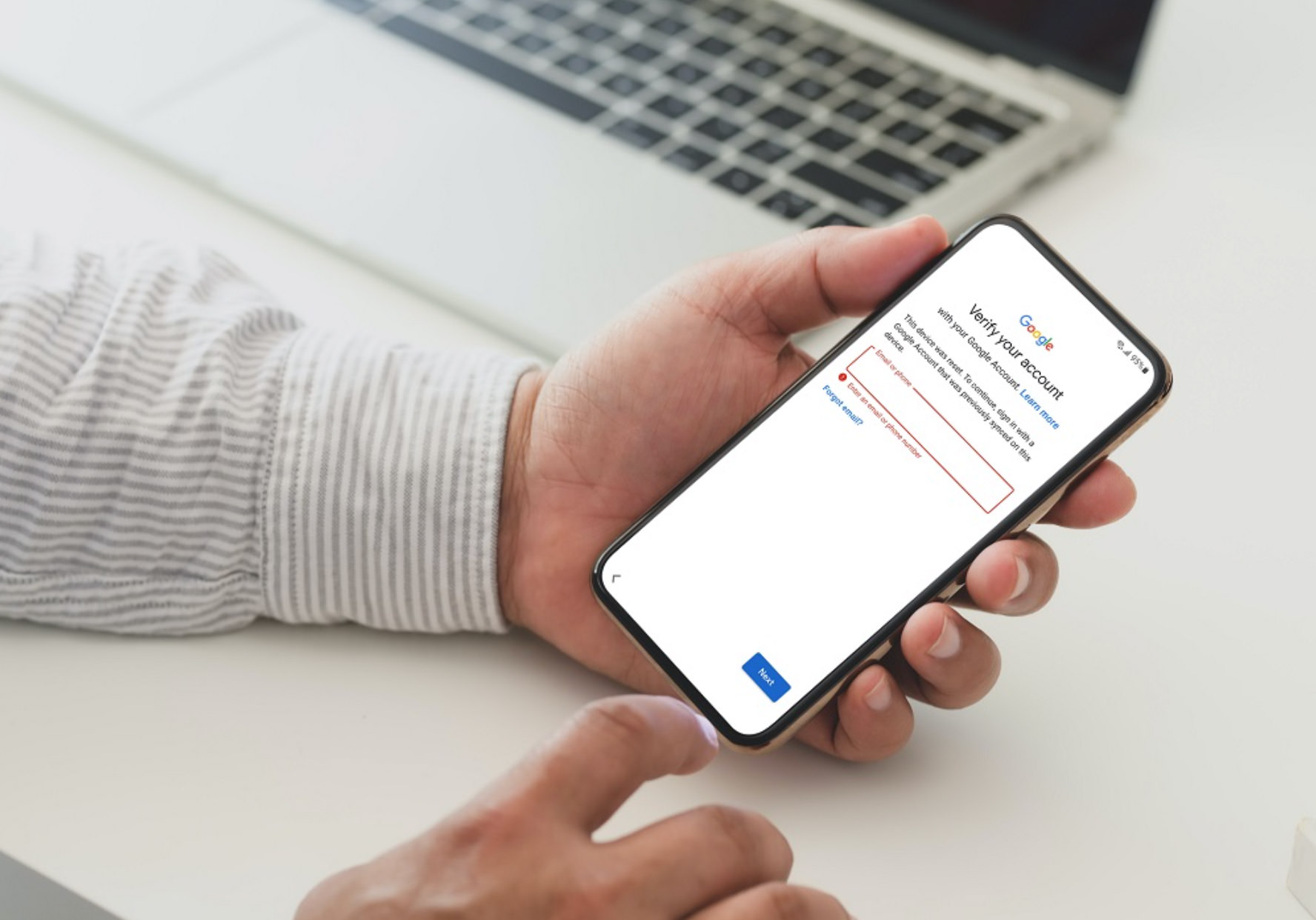
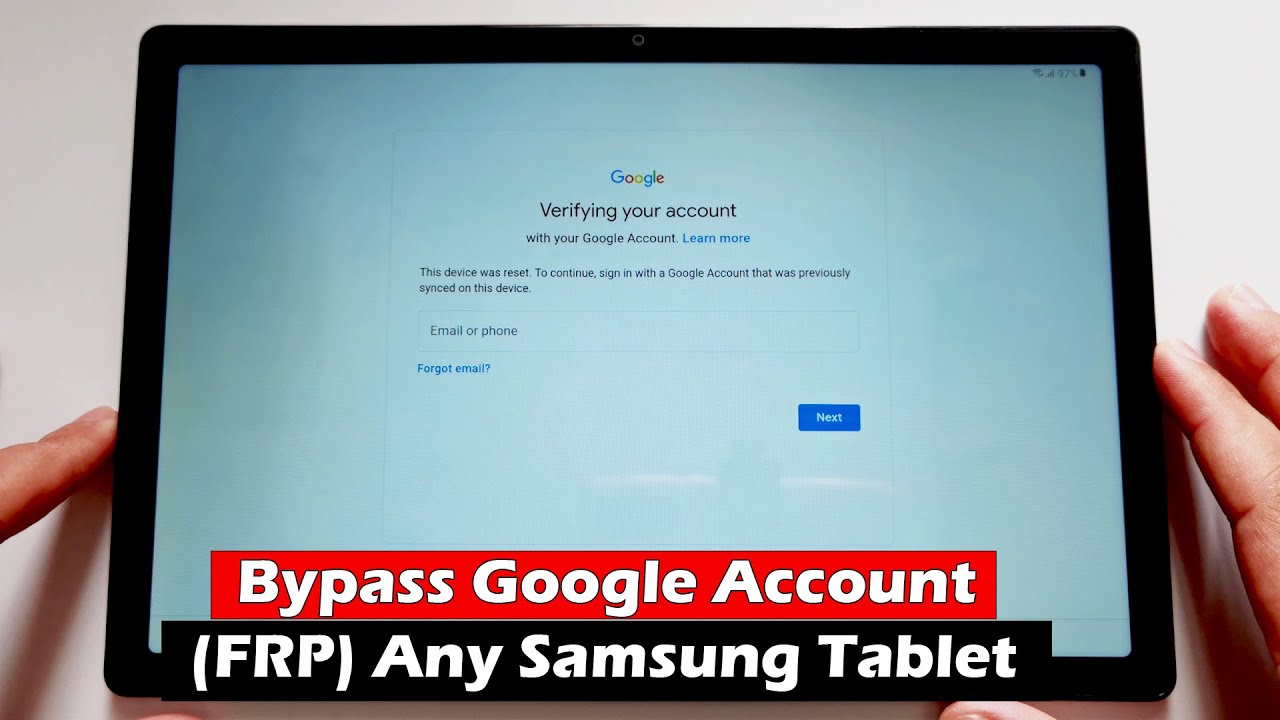
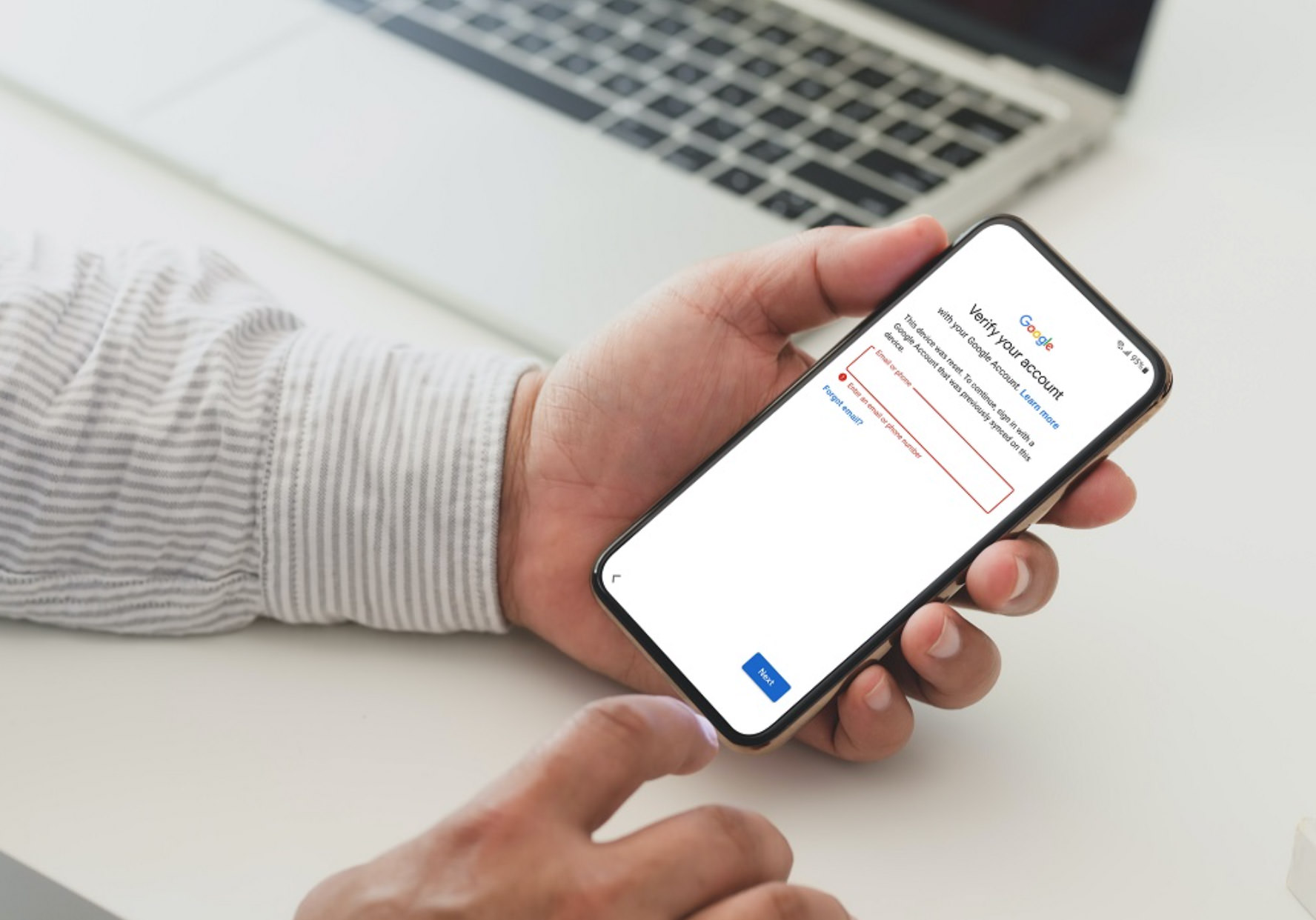
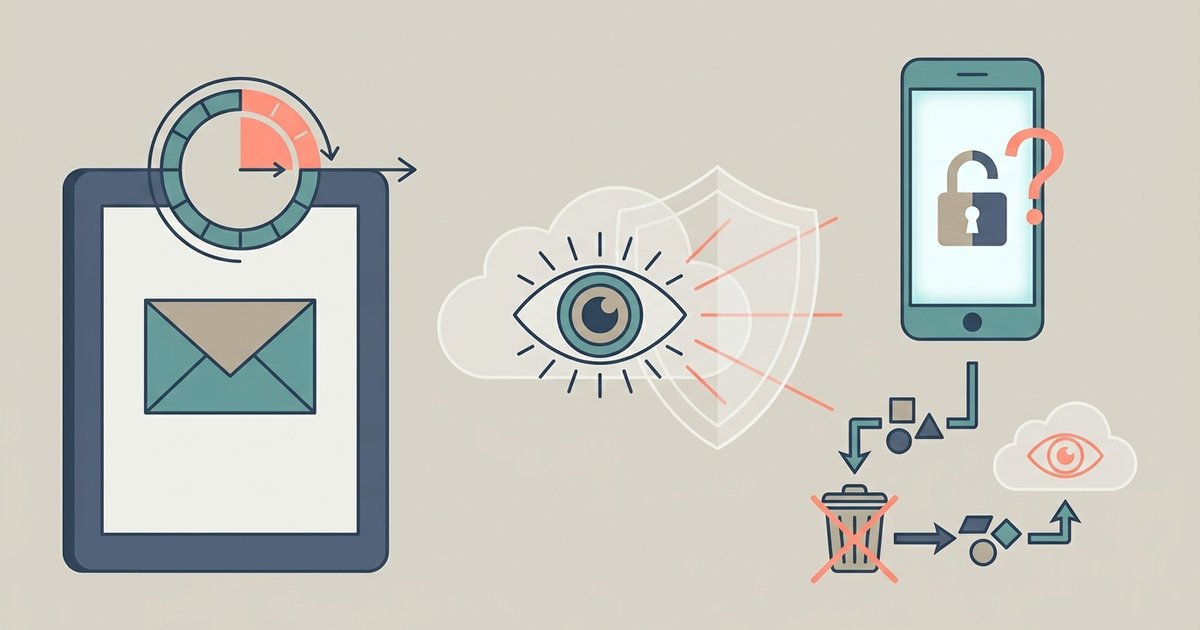
Google Account Verification after a factory reset is a security feature known as Factory Reset Protection (FRP). FRP is an Android security feature designed to prevent unauthorized use of a device after a factory reset. It was introduced with Android 5.1 (Lollipop) and is a standard feature on virtually all Android smartphones and tablets that run Google Mobile Services. When you reset a device to factory settings, the system does not simply wipe everything and hand the device over to whoever picks it up. Instead, it requires the Google Account that was previously synced to the device to be entered before the device can be set up again.
This lock exists for two primary reasons: anti-theft and child safety. In the case of anti-theft, FRP protects against device theft by making a stolen phone less appealing and harder to reuse or resell. A thief who resets a stolen phone will still face a wall asking for the original owner's credentials, which they do not have. In the case of child safety, FRP ensures that a child or anyone else cannot wipe a device and bypass parental controls or account restrictions that were set up by a parent or guardian. It is a deliberate barrier, not a bug.
Why a Factory Reset Alone Does Not Remove the Lock
Many people mistakenly believe that performing a factory reset will erase all security locks, including the Google Account verification. That is incorrect. A factory reset alone does not remove FRP; the Google Account must be removed from the device *before* the reset to disable FRP. If you reset the device while the Google Account is still active, the reset process triggers FRP, and the device will ask for that same account's credentials on the next boot. This is by design. The system is checking whether the person performing the reset is the legitimate owner or someone who found or stole the device.
If you are the original owner and you simply forgot your password, the reset does not help you bypass the lock. It actually makes it harder because you now need to prove ownership through the account recovery process rather than just unlocking the device normally.
The Only Legitimate Ways to Regain Access
There are exactly two legitimate paths to regain access to an Android device after a factory reset when FRP is active. The first is to sign in with the Google Account that was previously synced to the device. This is the most direct method. If you remember the email address and password, you simply enter them during the setup process after the reset, and the device unlocks.
The second legitimate path is to contact the device manufacturer or your mobile carrier with proof of purchase. If you bought the device second-hand, lost access to the original Google Account, or inherited the device from someone who cannot provide the credentials, the manufacturer or carrier may be able to unlock it. However, they will require verifiable proof of ownership, such as a receipt, an original box with a serial number, or a bill of sale. They will not unlock the device simply because you ask. This is a security measure to prevent thieves from social-engineering their way into a stolen phone.
Steps for Official Google Account Recovery After Factory Reset
If you are the legitimate owner but forgot your Google Account password, you must use the official Google Account recovery process. This is the only sanctioned method for regaining access when you cannot remember your credentials. Visit accounts.google.com/signin/recovery in a browser on any device. During the account recovery process, answer as many questions as possible. Google will ask you for details like the date you created the account, the recovery email or phone number you associated with it, and the most recent password you remember. Use a familiar device, ideally the same Android phone that is locked, and use a location you normally sign in from. This helps Google verify that you are the account owner.
Google may send verification codes to a recovery phone number or email address associated with your account to confirm your identity. Enter those codes when prompted. If you do not have access to the recovery phone or email, you will need to rely on the other questions. It is important to be patient and accurate. If you change your Google Account password as part of the recovery process, there might be a security delay (e.g., up to 24 or 72 hours) before you can use the new password to sign into the device after a reset. This delay is intentional and gives you time to ensure you are the rightful owner.
Avoiding Common Mistakes That Prolong the Lockout
One of the most common mistakes people make is attempting account recovery too many times in quick succession. Avoid attempting account recovery too many times in quick succession; if you keep failing, wait a few hours before trying again to prevent rate limits. Google's system will temporarily block your requests if it detects too many failed attempts, which only prolongs your lockout. Instead, take your time, gather any information you can remember, and try once with as much detail as possible.
Another mistake is using third-party tools or services that promise to bypass FRP. Third-party FRP bypass tools are generally unreliable, not officially supported, and are not recommended for legitimately purchased devices. These tools often require you to pay money, install unknown software, or provide your personal information, and they frequently do not work. Worse, they may compromise your device's security or violate Google's terms of service. Google does not work with any service that claims to provide account or password support and will never ask for your password or verification codes over email, phone call, or message outside of accounts.google.com. If someone contacts you offering to bypass FRP for a fee, it is a scam.
How to Avoid Being Locked Out in the First Place
The best way to handle Google account recovery after factory reset is to never need it. Before you reset a device, remove the Google Account from the device manually. Go to Settings > Accounts > Google, select your account, and tap Remove account. This disables FRP before you perform the reset. Also, ensure you know your Google Account password and have a recovery phone number or email associated with the account. Keep that recovery information up to date. If you buy a used device, ask the seller to remove their Google Account in front of you before you hand over payment. If they cannot or will not, do not buy the device, it may be stolen or still linked to their account.
Additionally, write down your Google Account credentials in a secure place, or use a trusted password manager. If you have a second device, keep your recovery codes in a safe location. These simple steps prevent the frustration of a lockout and protect your data from unauthorized access.
When Bypassing the Lock Is Illegal or Against Terms of Service
It is important to state plainly where bypassing Google Account Verification is illegal or against terms of service. Using third-party tools, exploits, or any method to bypass FRP on a device that is not yours is illegal in many jurisdictions. It is also a direct violation of Google's Terms of Service. Even if you own the device, using unofficial bypass methods violates the terms under which you use Android and Google services. More seriously, if you bypass FRP on a device that belongs to someone else, even if you found it or bought it second-hand without proof of ownership, you are committing theft or receiving stolen property. Law enforcement can and does prosecute these cases.
The only legal and safe path is the official account recovery process or contacting the manufacturer or carrier with proof of purchase. There is no shortcut that is both legitimate and reliable. The lock exists to protect your data and to deter theft, and circumventing it undermines that protection for everyone.
What to Do If You Are Stuck and Need Help
If you have tried the official recovery process and still cannot regain access, do not resort to unofficial tools. Instead, contact the device manufacturer's official support channel or your carrier's customer service. Be prepared to provide your proof of purchase, the device's IMEI number (found on the original box or under the battery), and any other documentation that shows you are the rightful owner. They will guide you through their own verification process. This may take a few days, but it is the only safe and legal way forward. Remember, patience is key. The security delay and the recovery questions are there to protect you, not to punish you. They ensure that your personal data does not fall into the wrong hands.
\nRelated reading: How To Bypass Google Frp Lock On Any Android Tablet Without Computer, How To Unlock Google Account On Android Phone After Factory Reset, and How To Bypass Google Verification On Samsung Tablet.