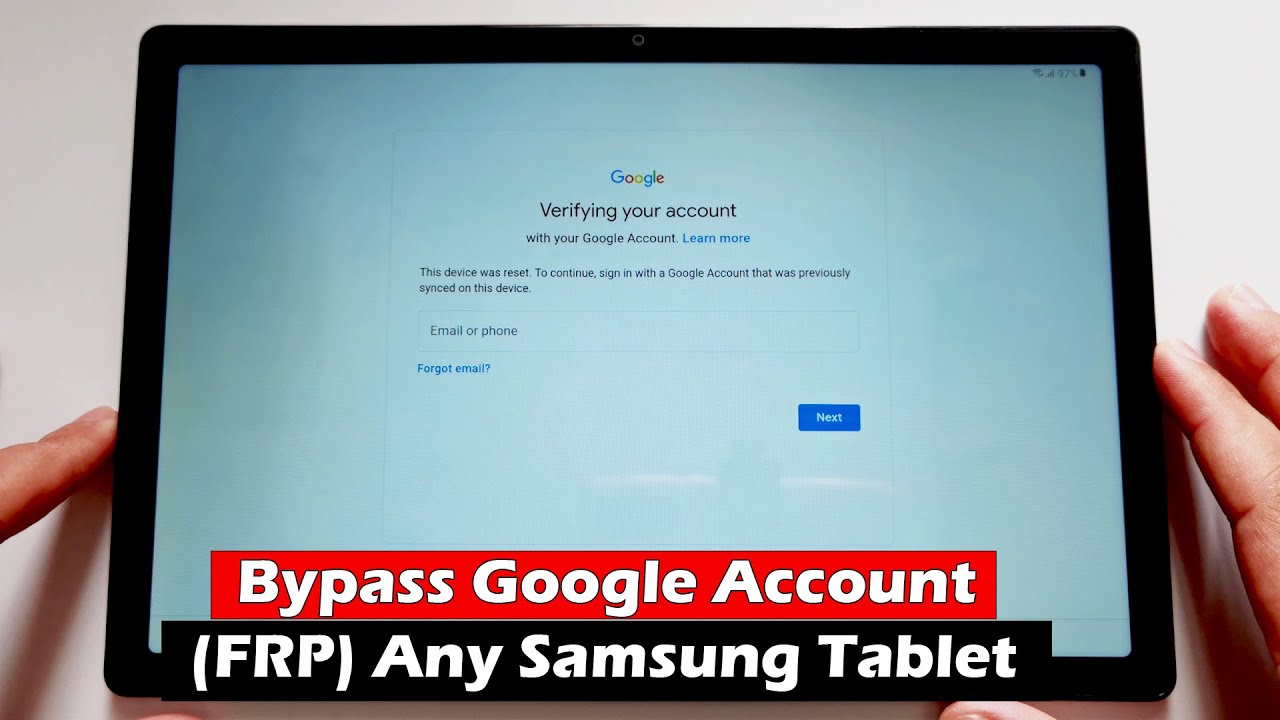
The only legitimate way to perform a Samsung tablet Google account recovery is to prove ownership of the associated Google account or the device itself through official Google or Samsung processes.
What the Samsung Tablet Google Account Recovery Lock Actually Is
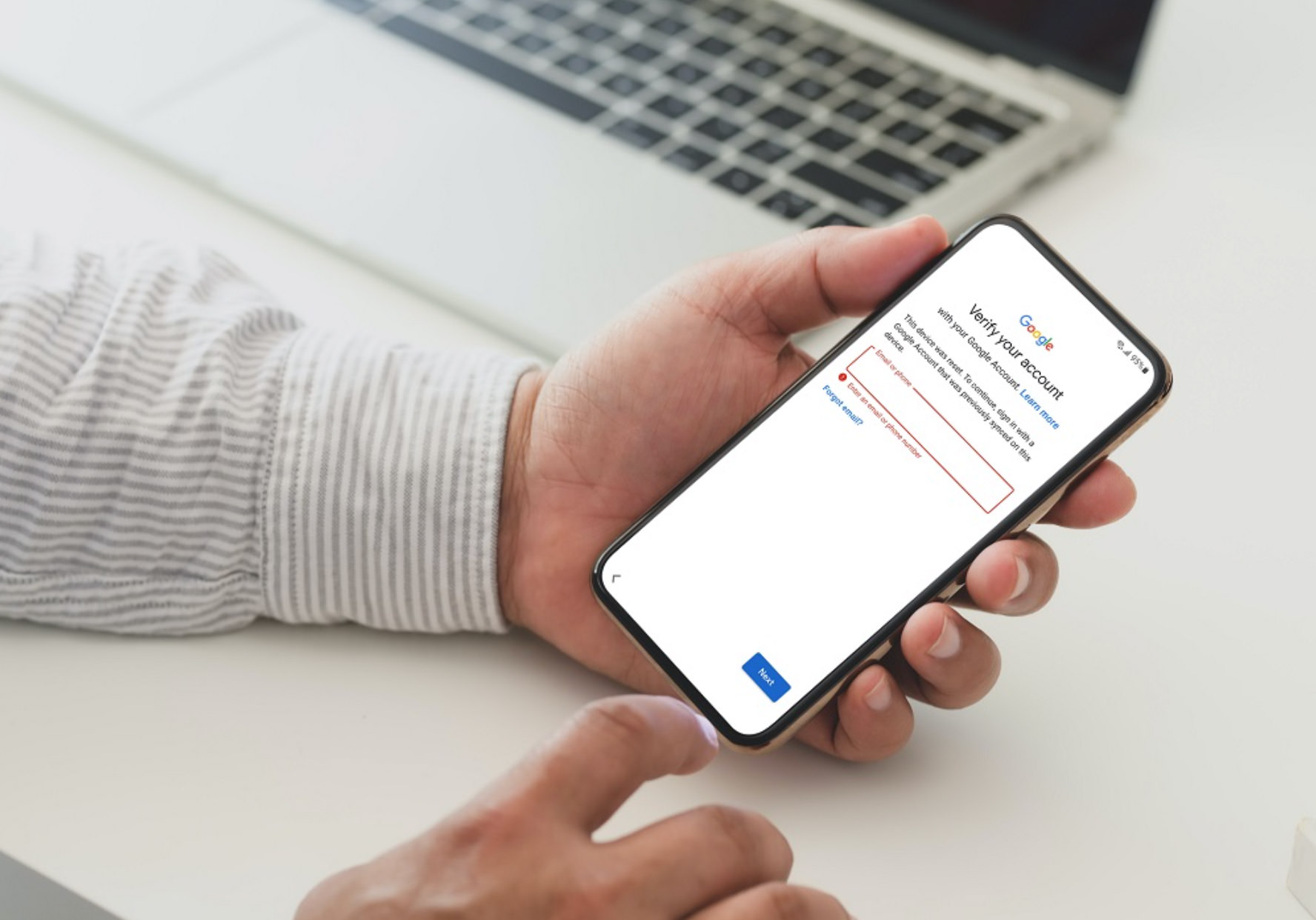
When you see a screen asking for a Google account password after a factory reset on a Samsung tablet, you are encountering Factory Reset Protection (FRP). This is a security feature built into Android devices running version 5.1 Lollipop or higher. FRP automatically activates when a Google account is added to the device and a screen lock (PIN, pattern, or password) is set. Its purpose is straightforward: if a tablet is stolen or lost, a thief cannot simply wipe the device and sell it or use it as new. Without the credentials of the last Google account synced to the device, the tablet remains locked and unusable.
This lock also serves a child-safety function. If a parent sets up a tablet for a child with a Google account and a screen lock, FRP prevents the child from bypassing parental controls or content restrictions by performing a factory reset from the Recovery menu. If the device is reset through Recovery (rather than through the device's Settings menu), FRP will trigger, and the setup process will demand the credentials of the last Google account that was synced. This is not a malfunction; it is a deliberate barrier against unauthorized access.
The Only Legitimate Paths for Samsung Tablet Google Account Recovery
There are exactly two legitimate ways to regain access to a Samsung tablet locked by FRP. The first is to sign in with the owner's Google account. If you are the original owner and remember the email and password, simply enter them on the lock screen. If you have forgotten the password, you must go through Google's official account recovery process. This is an automated, self-service system. Google does not offer live phone support for account recovery, and any website or individual claiming to provide such support is a scam.
To use Google's account recovery, you will be asked to answer questions that confirm you own the account. These questions may include providing a recovery phone number, a recovery email address, a previous password, your date of birth, or the date the account was created. The more accurate and complete your answers, the higher the chance of success. There is no limit to the number of attempts you can make, and incorrect guesses will not lock you out of the recovery process itself. However, if you successfully create a new password, Google may impose a 24-hour cool-down period before that new password can be used to unlock a device protected by FRP. This is a security measure to prevent a thief from rapidly guessing answers.
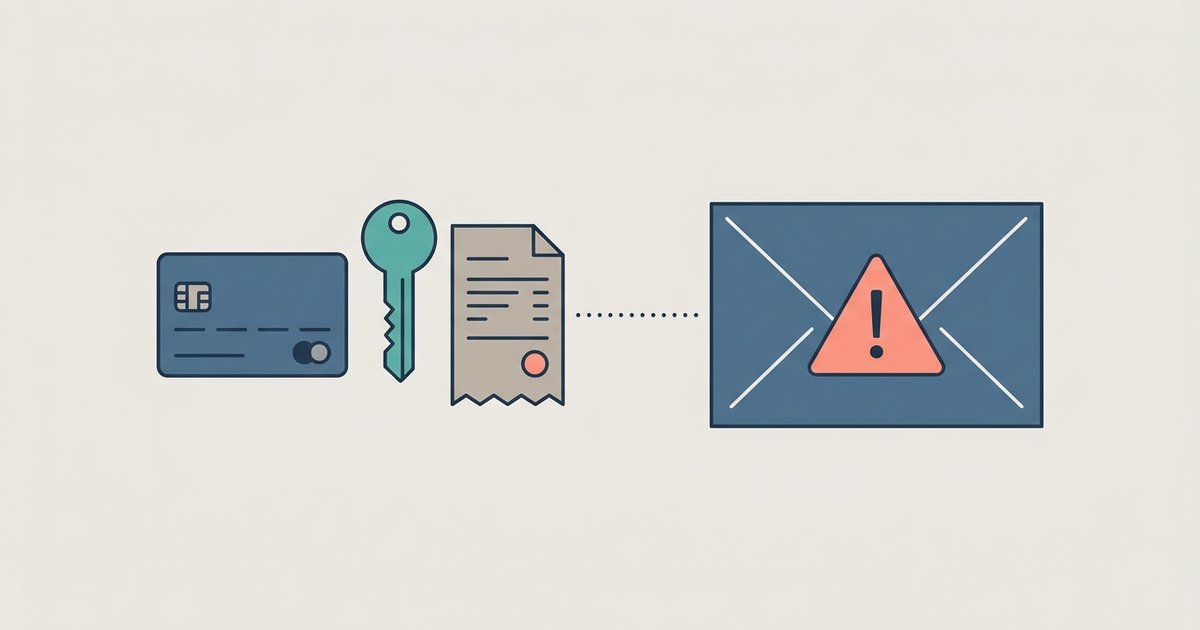
The second legitimate path is to contact the manufacturer or your carrier. If you cannot recall the Google account details, for example, if you bought a used tablet and the previous owner never removed their account, an authorized Samsung Service Center can assist. They will typically require proof of purchase, such as a receipt or invoice showing the device's serial number and your name. After verifying ownership, they can perform another factory reset and unlock the device. This process is not a bypass; it is an official service that requires documentation. If you do not have proof of purchase, the service center will not unlock the device, and no legitimate alternative exists.
How to Use Samsung's Official Find My Mobile for Unlocking
Samsung offers its own official tool for regaining access to a locked tablet, but only under specific conditions. If the tablet is linked to a Samsung account and you have previously enabled the "Find My Mobile" feature, you can unlock it remotely. Navigate to the SmartThings Find website at smartthingsfind.samsung.com, sign in with the Samsung account that is linked to the tablet, select the device from the list, and choose the "Unlock" option. This will remove the screen lock and may also reset FRP if the Google account is still the same. This method only works if you have access to the Samsung account credentials. If you have forgotten those, you will need to go through Samsung's own account recovery process, which similarly requires proof of account ownership.
It is important to note that this method does not bypass Google's FRP. It only works if the Google account on the device is the same one you are signed into on the SmartThings Find website. If you have changed Google accounts or if the tablet was reset with a different account, this option will not help.
How to Avoid Being Locked Out in the First Place
Prevention is far easier than recovery. Before you lose access to your Samsung tablet, set up recovery options for your Google account. This means adding a recovery phone number and a recovery email address to your Google account settings. You can do this at accounts.google.com under the "Security" section. These recovery options are the primary way Google verifies your identity during account recovery. Without them, your chances of regaining access drop significantly.
Additionally, use a familiar device and location when attempting recovery. Google's automated system looks at your login patterns. If you try to recover the account from the tablet itself or from a computer you frequently use at home, the success rate is higher than if you attempt from an unfamiliar device or a different country. Also, make sure you remember the date of birth and the approximate date the account was created, as these are common verification questions.
For the Samsung account, enable two-factor authentication and keep your recovery email up to date. If you ever sell or give away a tablet, remove your Google and Samsung accounts from the device before handing it over. Go to Settings > Accounts, remove each account, and then perform a factory reset from the Settings menu (not from Recovery). This will clear FRP so the next owner can set up the tablet with their own account.
Recognizing and Avoiding Scams in Samsung Tablet Google Account Recovery
Because FRP locks are frustrating, scammers prey on users who are desperate to unlock their devices. Be aware that Google does not offer phone support for account recovery. Any website, YouTube video, or individual that claims to offer "bypass" services, "unlock codes," or "FRP removal tools" is almost certainly a scam. These services often ask for payment upfront, then either disappear or attempt to steal your personal information. Some may ask you to download software that installs malware on your computer. Never provide your Google password, recovery codes, or any personal information to third-party services.
Also, be extremely cautious about phishing. Always ensure that you are entering your Google account password or verification codes only on official Google websites, specifically accounts.google.com. Look for the padlock icon in the browser address bar and verify the URL. If you receive an email or text message claiming to be from Google or Samsung that asks for your password or a verification code, do not click any links. Go directly to the official website by typing the address into your browser.
Samsung also warns against unofficial repair shops. Only an authorized Samsung Service Center can unlock a device with proof of purchase. Unauthorized shops may claim they can bypass FRP, but this often involves flashing unofficial firmware, which can void your warranty, damage the device, or introduce security vulnerabilities. The only safe and legal path is through official channels.
Why Security Locks Are Not a Punishment
It can be tempting to view FRP as an obstacle, especially if you are the legitimate owner who simply forgot a password. However, this lock is a critical deterrent against theft. Without it, a stolen tablet would be worth nearly as much as a legitimate one, creating a massive market for stolen devices. The lock also protects your personal data. If a thief cannot get past the lock, they cannot access your emails, photos, banking apps, or other sensitive information. The inconvenience of recovery is a small price to pay for the security of your identity and your data.
If you are locked out and cannot prove ownership, the tablet is effectively unusable. This is by design. No legitimate bypass exists, and any attempt to find one, through hacking tools, paid services, or unofficial firmware, is both illegal and a violation of Google's and Samsung's terms of service. In many jurisdictions, circumventing FRP is considered a violation of the Digital Millennium Copyright Act or similar anti-circumvention laws. Even if you own the device, using a bypass tool is against the law in some regions.
The responsible approach is to use the official recovery methods described above. Set up your recovery options today, keep your proof of purchase in a safe place, and never share your credentials. If you are locked out, be patient. The 24-hour cool-down period after a password reset is temporary. And if you truly cannot recover the account, contact an authorized Samsung Service Center with your receipt. That is the only legal, safe, and reliable way to regain access to your tablet.
\nRelated reading: How To Bypass Google Frp Lock On Any Android Tablet Without Computer, How to Unlock a Tablet You Are Locked Out Of, and How To Unlock Google Account On Android Phone After Factory Reset.


![[Full Guide] How to Bypass Google Account Verification After Reset](https://robots.net/wp-content/uploads/2023/11/How-to-Bypass-Google-Account-Verification-After-Reset.png)