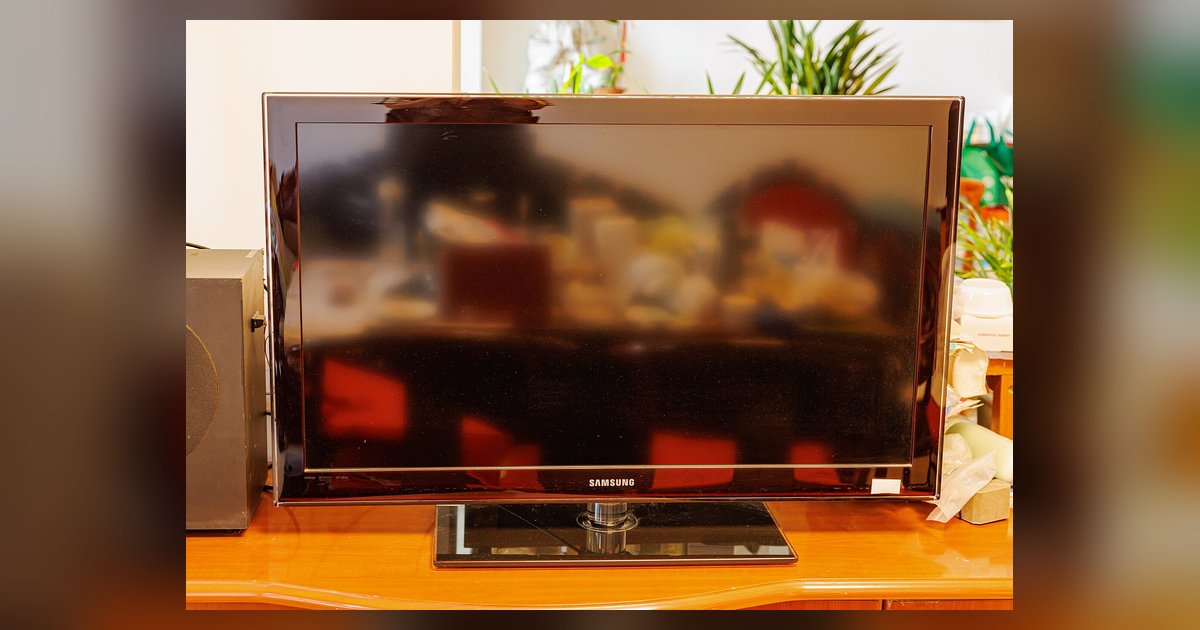
If your Samsung TV backlight has failed, you'll still hear sound but see only a black screen. If the TV won't turn on at all, clicks repeatedly, or shows a blinking standby light error, the power supply board could be the cause, but other components may also be responsible. This distinction matters because both faults produce a dark screen. The repair path is entirely different. You will either replace LED strips or swap a power board.
The one sentence no competitor can claim: We recommend you perform diagnostic tests before you spend a single dollar, because the main board can still send a video signal while the backlight is dead.
Perform the Samsung TV backlight flashlight test immediately
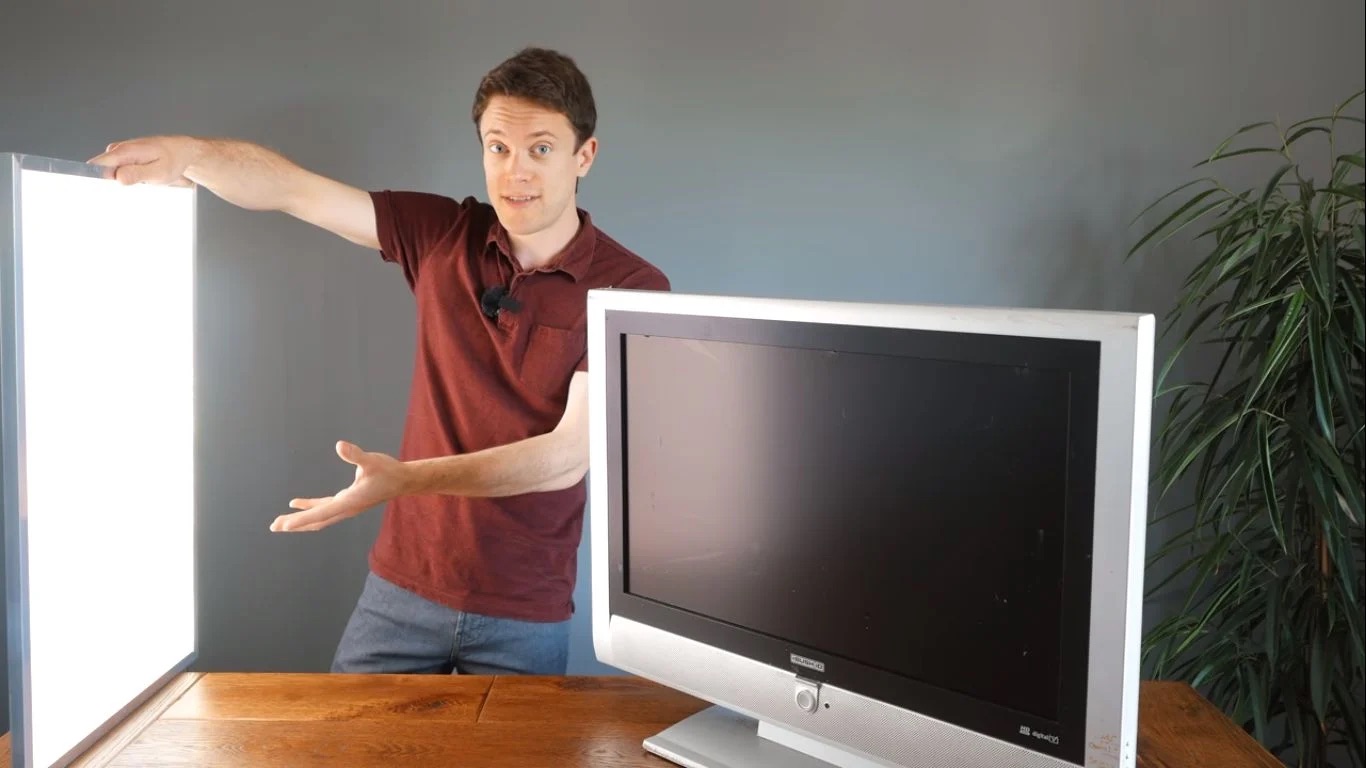
Grab a bright flashlight and turn on your Samsung TV. Check the screen carefully for any visible image. If you see an image, the main board, T-Con, and panel may be intact. Do not assume the power supply is also fine just because the TV turns on and makes sound. The power supply can still be healthy. It provides standby voltage and audio power while the backlight LED strips themselves have burned out. If you see no image at all, the main board or T-Con may have failed, not necessarily the power supply. This test only narrows the problem to the backlight chain, not to the power board.
Book a backlight repair when you see these signs
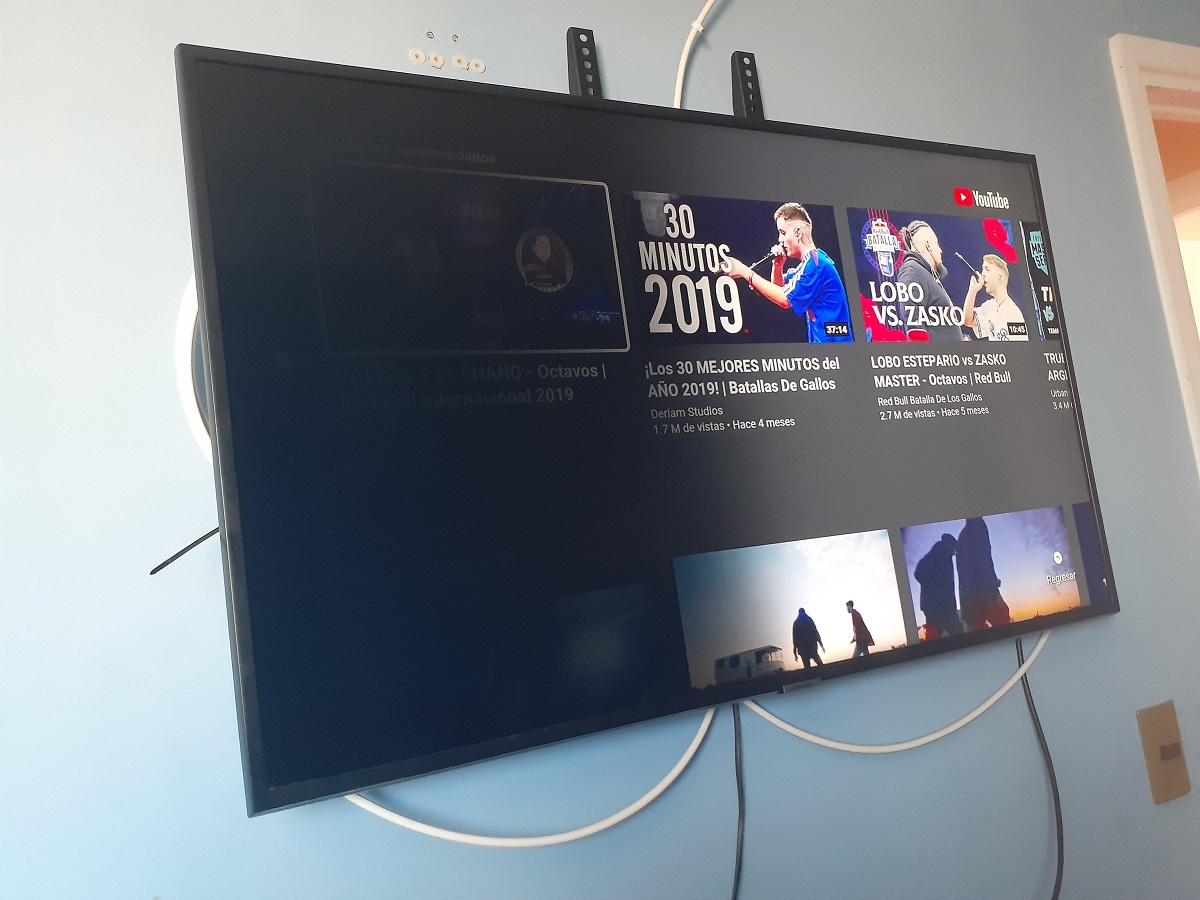
Watch for a brief, dim flash of the screen for a split second when you first power on the TV, which can indicate a backlight issue. After that flash, the screen goes completely dark. You might have noticed flickering or uneven brightness on the screen in the weeks before total failure. The TV itself remains fully responsive. You can hear menus, change volume, and navigate settings blindly, once your backlight is fixed, start adjusting smart TV picture settings to relieve strain on the new LEDs. If you search online for “my Samsung smart TV glitching,” you will find many owners describing these exact symptoms. The TV works perfectly except for the missing light. The standby light may stay solid or blink normally. The TV may not click or shut off. This pattern may indicate the LED strips on the edge or behind the panel have died. Book a backlight replacement service now.
Order a power supply board when you see these signs
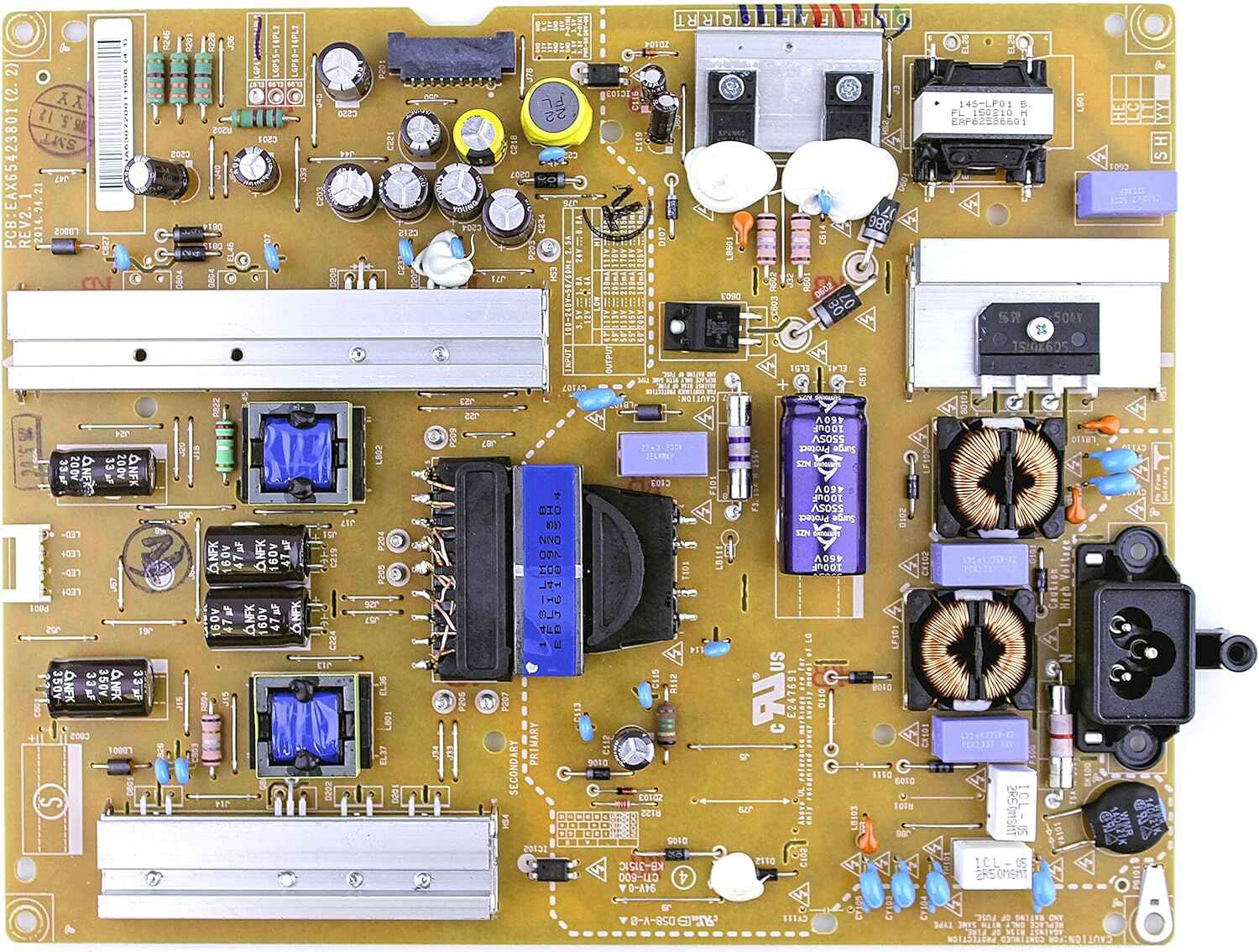
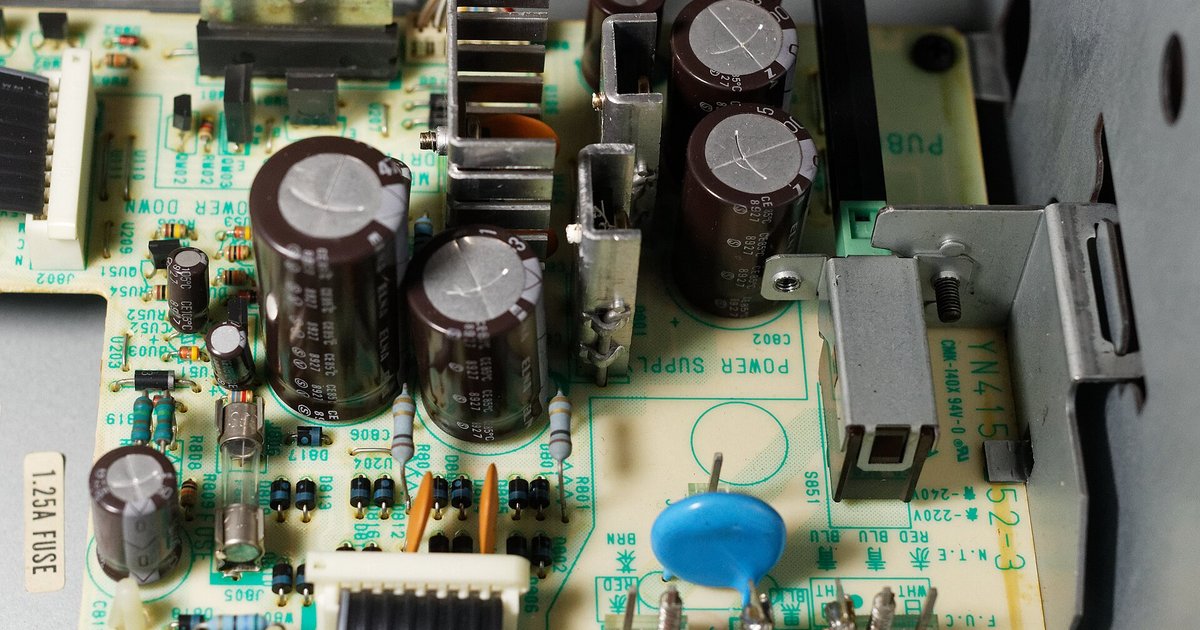
Look for no standby light at all when the TV is plugged in. Look for a standby light that blinks in a repeating error code, for example, two blinks, a pause, then two blinks again. Listen for a clicking relay sound from the back of the TV every few seconds. Watch for the TV powering on for two to five seconds and then shutting down completely. If you are comfortable opening the TV, look for bulging or leaking capacitors on the power supply board. You will see domed tops or brown residue. When the power supply is failing, you will never see any image, even with a flashlight. The board cannot provide the necessary voltages to the main board or the backlight driver. If you have ever wondered “why is my Samsung smart TV so dark,” the answer is often a failing power board when the flashlight test yields nothing. Order a replacement power supply board now.
Skip the main board and check these edge cases first
Do not order a main board yet. A single shorted LED on a strip can cause the entire backlight circuit to shut down as a safety measure. This mimics a power supply failure. Measure voltage at the LED connector with a multimeter. If voltage drops to zero after a second, one LED is likely shorted. Another edge case is a bad T-Con board or a loose ribbon cable between the main board and the panel. If you want to adjust color on your Samsung smart TV but cannot see the screen to do so, reseat the ribbon cables first. If the TV shows a boot logo briefly then goes dark, a faulty main board might be the culprit. Before ordering parts, search for a guide to change the startup screen on your Samsung smart TV to see if the boot logo is stuck. This can indicate a corrupted firmware that mimics a hardware failure, though it is rare. Skip the main board replacement and investigate these fixes first.