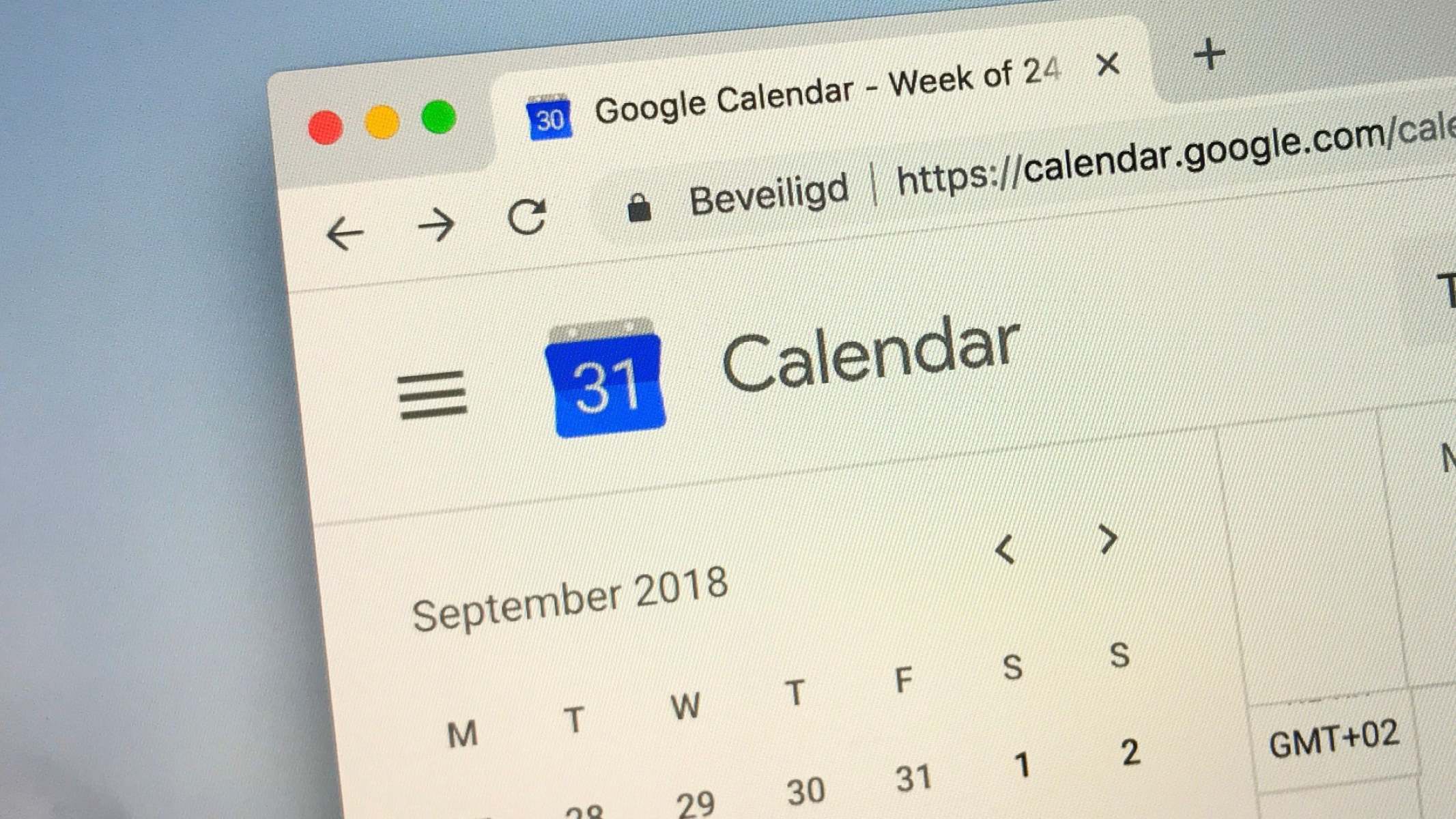
To set up a Google family calendar, create a Google Family Group at families.google.com, which automatically generates a shared "Family" calendar for everyone in the household. This gives your family a single, shared view of everyone's schedules, makes collaboration easy, and helps eliminate scheduling conflicts.
Why set up a Google family calendar?
A shared family calendar puts everyone on the same page. Instead of juggling separate schedules or relying on text messages and sticky notes, you get one central place where every family member can see and manage events. When anyone adds a soccer practice, a doctor's appointment, or a school play, it appears instantly for everyone. This reduces double-booking, keeps communication clear, and makes coordinating daily life far simpler.
Before you start: what you need to know
Before creating your family calendar, understand the key requirements. The person who creates the group becomes the "family manager" and must be at least 18 years old (or the applicable age of consent in your country). Every member you invite needs their own Google Account. A Google Family Group can include up to six people total, including the family manager. Also, each person can only belong to one family group at a time and can only switch to a different group once every 12 months. If you want to automatically populate your new calendar with scheduled tasks or events, you can link Google sheets to Google calendar to save time on manual entry.
Step 1: Create your Google family group
The family manager starts the process. Go to families.google.com and click "Get started" or "Create a family group." Follow the on-screen prompts to set up the group. This is the core setup that makes everything else possible.
Step 2: Invite family members to the group
Once the group is created, the family manager sends invitations to up to five other people. After each person accepts their invitation, a dedicated calendar named "Family" automatically appears in their Google Calendar app. No extra steps are needed to add the calendar itself, it shows up on its own.
Step 3: Create your first family event
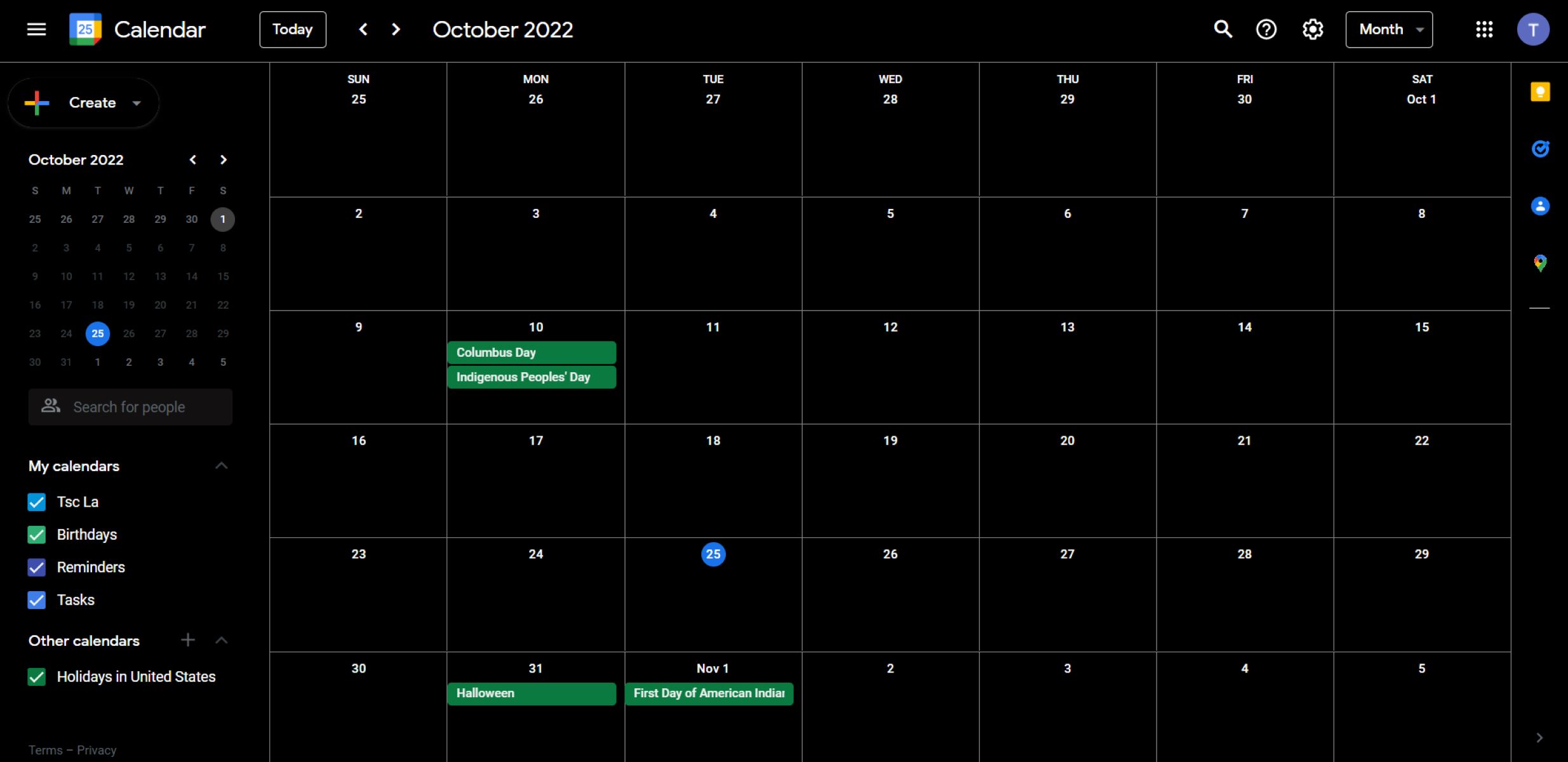
Any member of the family group can add events to the shared calendar. Open Google Calendar, click the plus sign (+) or "Create" button, then use the drop-down menu next to "Calendars" to select the "Family" calendar. Fill in the event details and save it. The event becomes visible to everyone in the group instantly. Any member can also make changes to events, manage sharing settings, or edit the calendar's name.
Managing notifications and sharing with non-family members
By default, you receive notifications for upcoming events on the family calendar similar to your primary calendar, but you do not get notified when a family member creates, edits, or deletes an event. To customize these settings, open Google Calendar, find the "My calendars" section, hover over the family calendar's name, click "Options" (three dots), then "Settings," and finally "Event notifications." There you can adjust how and when you are alerted, and if you set Google calendar as default on iPhone, these family alerts will open directly in the app instead of Apple Calendar.
To share the family calendar with someone outside the family group, like a babysitter or a grandparent, open Google Calendar on a computer. Go to "Settings" (gear icon), select the family calendar under "Settings for my calendars," and under "Shared with," click "Add people and groups." Enter their email addresses. By default, non-family members you invite can edit events on the calendar.
If someone accidentally adds or changes an event, knowing how to undo in Google Calendar can save time, the option is available right after an action, or you can check the event's change history to revert it.
Syncing your family calendar across all devices
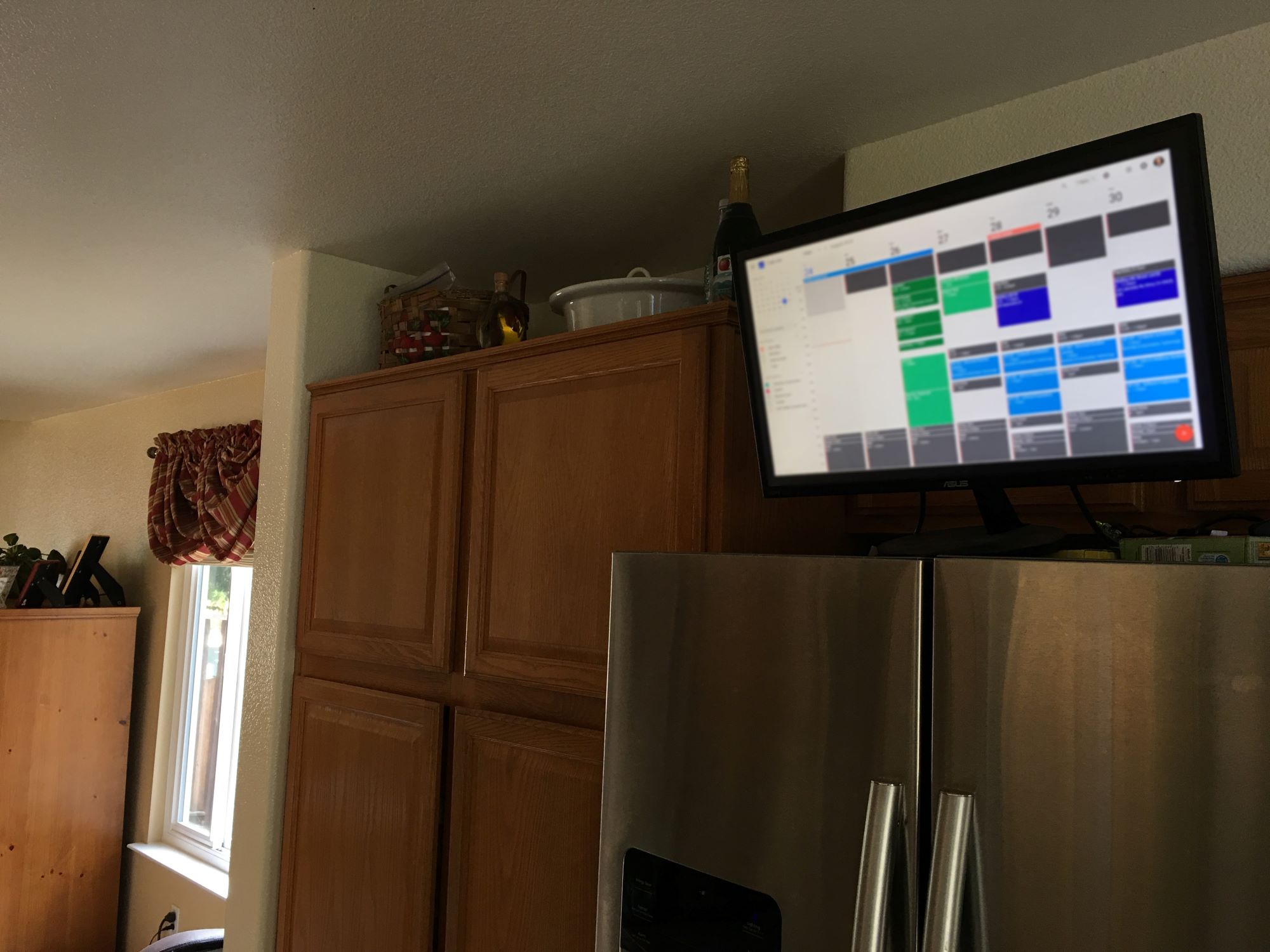
Because Google Calendar is cloud-based, the family calendar syncs automatically on all devices where members are signed in with their Google Account. When someone adds or edits an event on their phone, the change appears on everyone else's computer, tablet, or phone right away. No manual syncing is required, it happens in the background, keeping the whole family up to date.