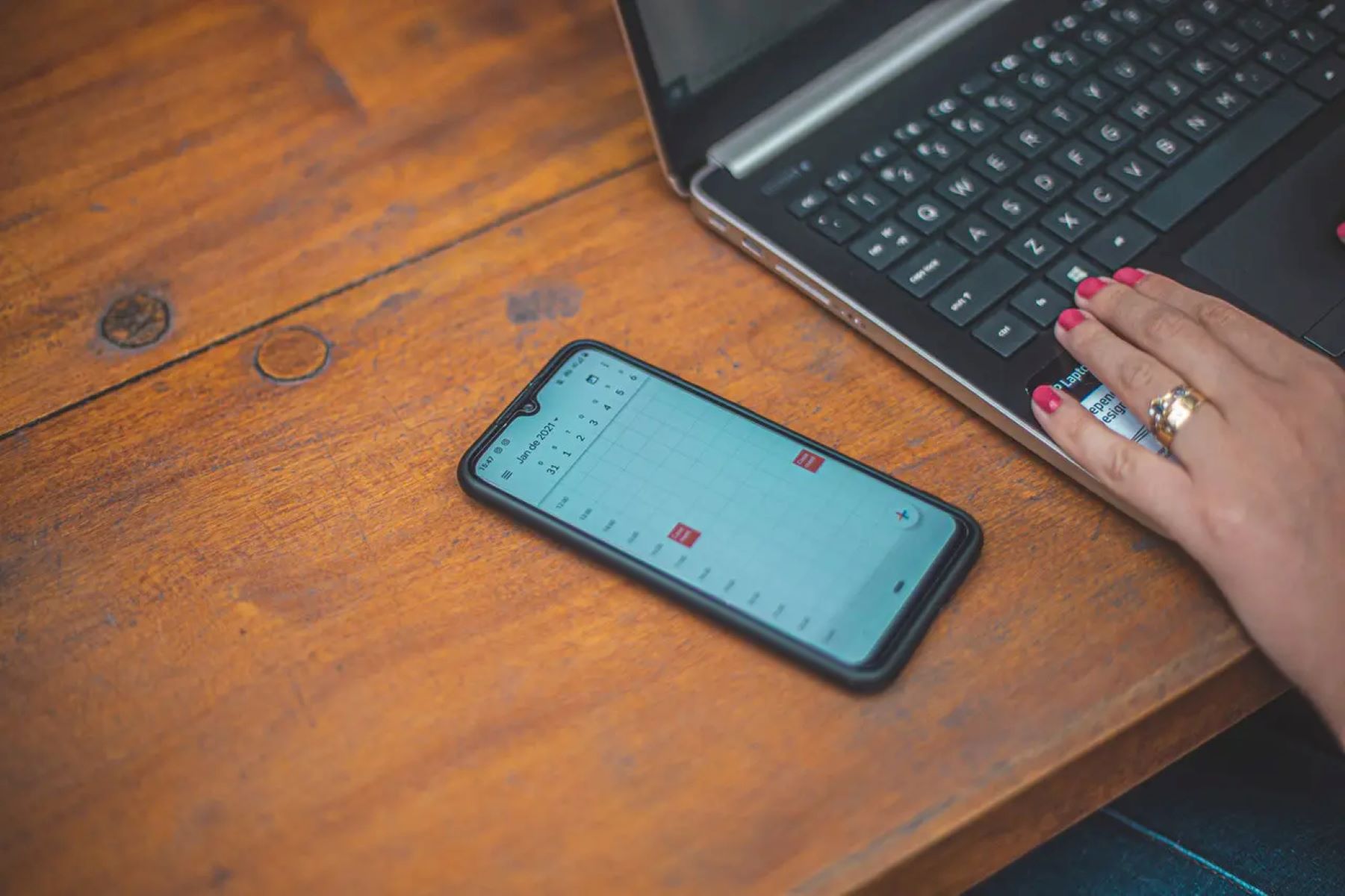
Syncing Google Calendar across your phone and computer is automatic once you sign into the same Google account on each device. This single sign-in ensures that any event you add, edit, or delete appears everywhere instantly, without any extra steps.
How to sync Google Calendar automatically
The core solution is simple: use one Google account on all your devices. When you sign into the same account on your Android phone, iPhone, Windows computer, or Mac, Google Calendar handles the syncing in the background. You do not need to manually transfer events or use third-party tools. This works because Google Calendar is cloud-based; your data lives on Google's servers, and each device pulls the latest version whenever it has an internet connection. For example, if you create an event on your computer, it will appear on your phone within seconds, and vice versa. This automatic sync is the primary reason users want to sync Google Calendar: they want their schedule to be consistent everywhere without repeated setup.
Sync Google Calendar on an Android phone
On Android, the Google Calendar app often comes pre-installed. If not, download it from Google Play. Opening the app will sync your events after you sign in. To ensure everything works correctly, verify that your Google account is added to the device. Go to Settings, then find "Passwords, passkeys & accounts" (or a similar option). Tap "Add account," choose Google, and sign in. After that, go to Settings again, tap your Google account, and select "Account sync." Make sure the toggle next to "Calendar" is enabled. This step is crucial because even if the app is installed, syncing can fail if the Calendar permission is off. Once enabled, all your events, including those from secondary calendars, will appear automatically.
Sync Google Calendar on an iPhone
There are two ways to sync Google Calendar on an iPhone. The easiest method is to download the official Google Calendar app from the App Store and sign into your Google account. This provides full Google Calendar functionality, including email notifications and the ability to create new calendars. The alternative method is to add your Google account to the built-in Apple Calendar app. To do this, open Settings, tap "Calendar," then "Accounts," and choose "Add Account." Select Google, sign in, and ensure "Calendars" is toggled on. However, this method has limitations: you will not receive email notifications for events, cannot create new Google calendars from Apple Calendar, and the Room Scheduler feature is unavailable. For most users, the dedicated Google Calendar app is the better choice because it avoids these restrictions.
Sync Google Calendar on a Windows computer
The modern way to sync Google Calendar on Windows is through the built-in Windows Calendar app or the new Outlook app on Windows 11. Open the app, go to Settings, then "Manage Accounts." Click "Add account," choose Google, and sign in. This method connects your Google Calendar directly, so events appear in the Windows interface without needing to copy URLs or use older tools. Avoid the outdated "Google Calendar Sync" tool, which only syncs your primary calendar and ignores secondary calendars. The direct account method handles all calendars within your Google account automatically.
Sync Google Calendar on a Mac computer
On a Mac, open the Apple Calendar app and go to Preferences (Calendar menu > Preferences). Click the "Accounts" tab, then the "+" button to add a new account. Choose Google, sign in, and ensure "Calendars" is checked. This reduces the delay between adding an event on your phone and seeing it on your Mac. If you have multiple Google calendars, you can show or hide them by checking or unchecking them in the left sidebar of the Calendar app.
Troubleshooting: What to do if Google Calendar is not syncing
If events are not appearing across devices, start by checking your internet connection. A stable Wi-Fi or data connection is required for syncing. Next, confirm you are signed into the same Google account on all devices. If you need to undo in Google Calendar, remember that changes sync instantly, so an accidental deletion on one device will affect all others. For users who want to sync Google Calendar with multiple accounts, note that Google does not natively support live two-way sync between separate Gmail addresses, this typically requires third-party tools. If you need to add another calendar to your Google calendar, you can create or subscribe to additional calendars within your account; these sync automatically without extra setup. If your Google calendar has disappeared, check that the specific calendar is visible in the app menu. On Android, go to the Google Calendar app, tap Menu > Settings, and ensure the calendar name has sync enabled. On iPhone, open the Google Calendar app, tap the hamburger menu, and verify the calendar is checked. For secondary calendars you created, you may need to manually turn on "Sync" within the app's settings. Finally, ensure the event was created under the correct Google account, if you have multiple accounts, events from one account will not appear on a device signed into a different account.