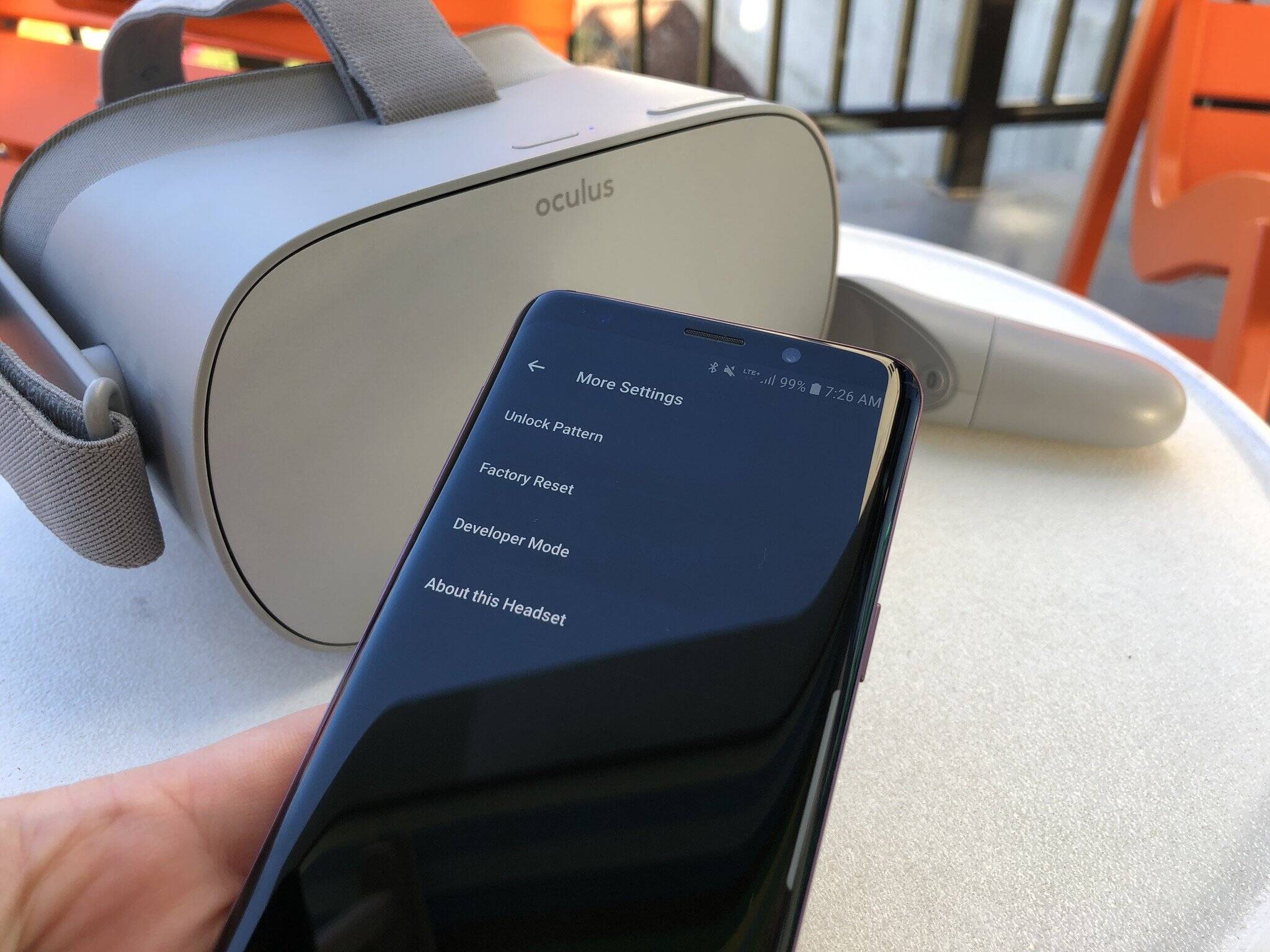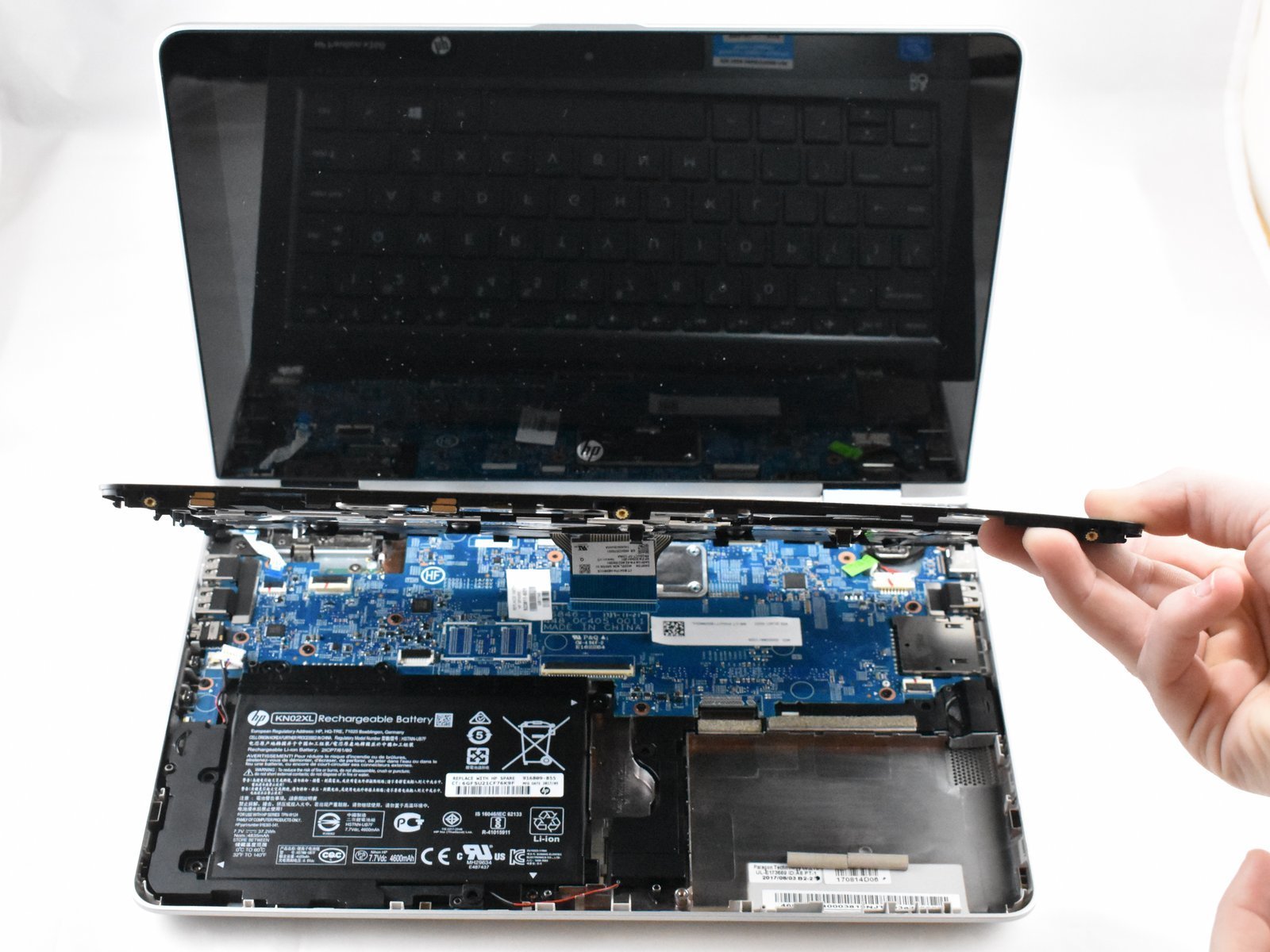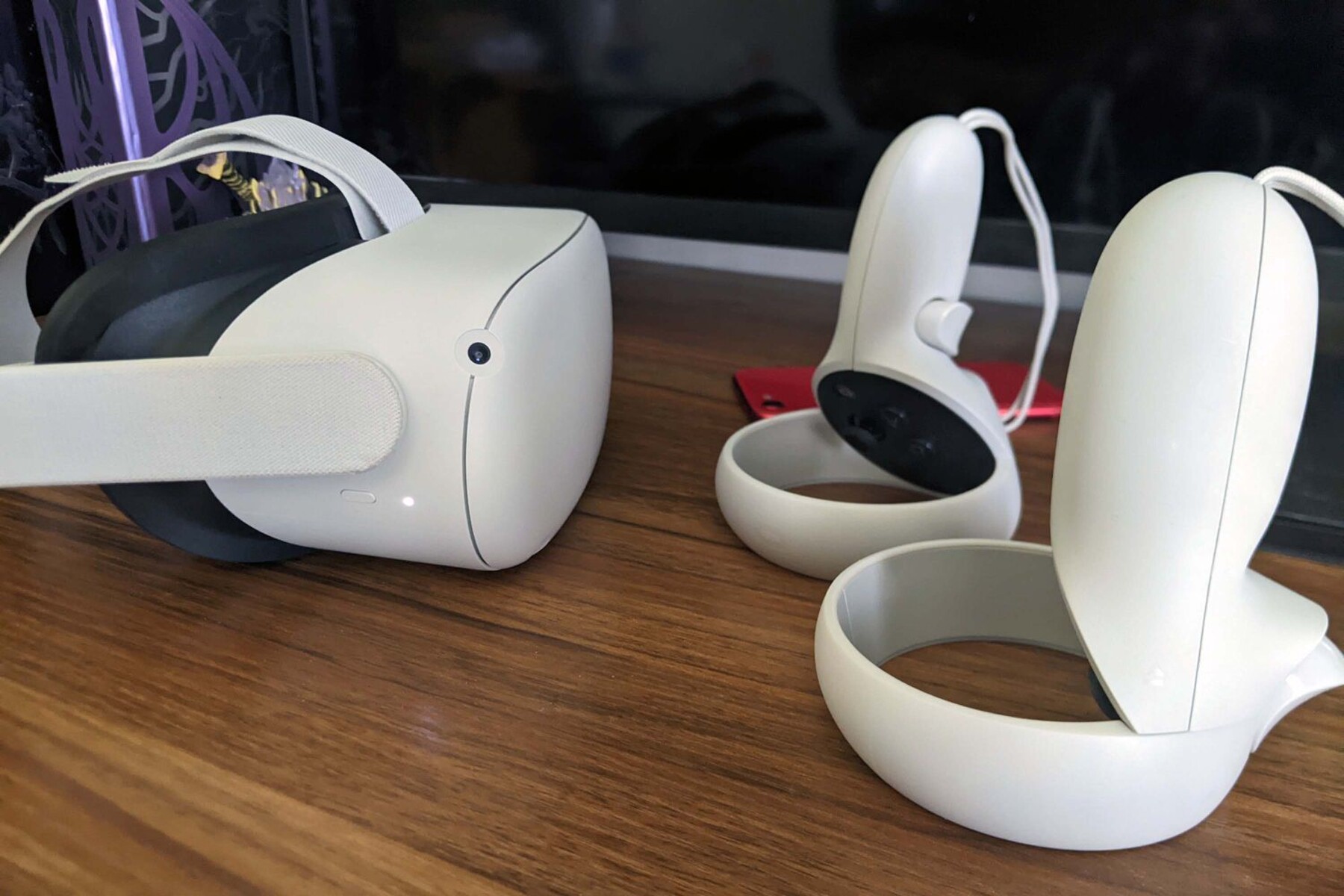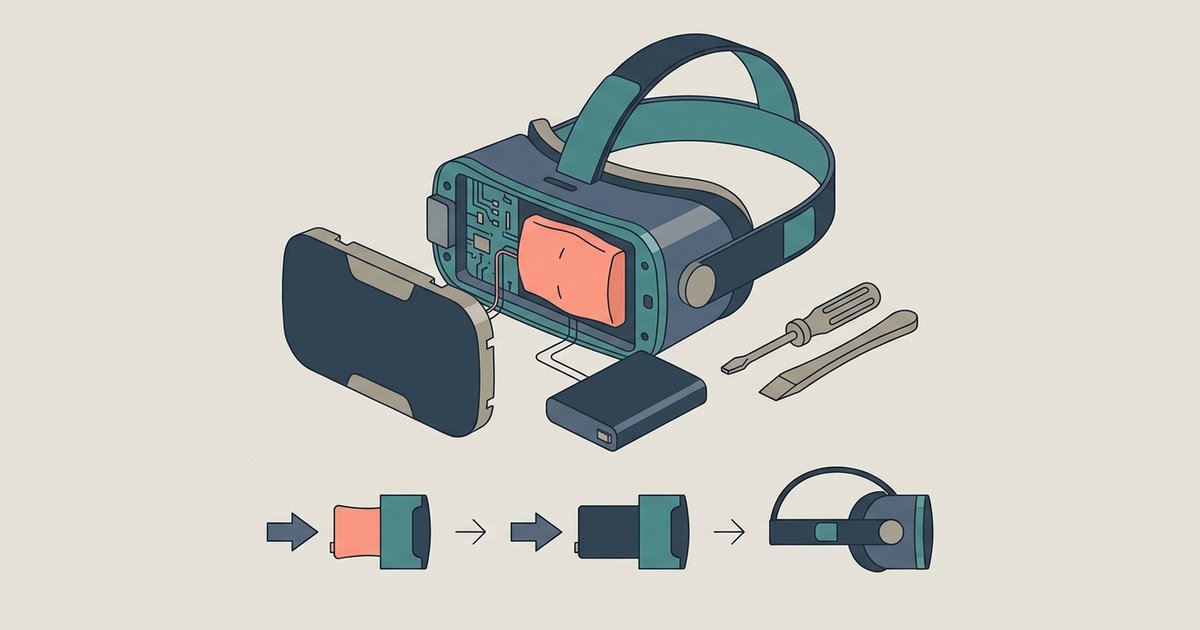
Most consumer VR headsets have sealed batteries that are not designed for user replacement, and opening the device will void your warranty. Your only safe options are an out-of-warranty battery service through the manufacturer or a trade-in program.
Why you cannot just replace a VR battery
Modern VR headsets are glued and soldered assemblies. The battery is typically buried under the front housing. It is adhered with permanent acrylic adhesive and soldered directly to the mainboard through a ribbon connector that snaps under tension. Attempting to pry it open often cracks the plastic chassis. It can also damage the proximity sensor that tells the headset when you are wearing it. Even if you successfully extract the old cell, the headset’s battery management system (BMS) stores calibration data tied to the original cell’s internal resistance and age. A raw cell swap without a matched BMS reprogramming will cause the headset to misreport charge percentage. It may shut down abruptly at 40% remaining or refuse to charge past 60%. This is why you cannot simply drop in a new 18650 or pouch cell. The software expects a specific chemical signature. The only way to properly reset a VR headset’s battery calibration is through manufacturer diagnostic tools that perform a full capacity-learning cycle. Those tools are not available to consumers.
After you have already factory reset your headset and ruled out charger issues, a battery that delivers under 30 minutes of playtime has chemically degraded to the point where software resets and cable swaps cannot restore capacity.
Official battery service costs and eligibility
Meta sets a flat-rate out-of-warranty battery replacement price for the Quest 2 and Quest 3. The fee varies depending on your region, plus shipping. HTC currently charges a flat fee for Vive XR Elite and Focus 3 battery service. Sony prices PlayStation VR2 battery service at a flat fee, but only if the headset is within a certain age window. Check each manufacturer’s official support portal for the exact price before you ship anything, because these fees change quarterly. To start the process, you will need to connect VR controller to VR headset to run the diagnostic tool that confirms the battery fails a discharge test. Skip this step and the manufacturer may reject the request as a non-battery issue. All three companies require you to ship the headset in its original packaging or a certified anti-static box. Know that any physical damage to the USB-C port or lens assembly voids the service eligibility.
When the answer is no
Manufacturers draw a hard line on battery service for older models. Meta refuses service for the original Quest (2019) and Quest Pro. They are simply deemed unserviceable due to discontinued battery part numbers. HTC will not replace the battery for the original Vive, Vive Pro, or Vive Cosmos. Those units are classified as end-of-life. Sony will not touch a PSVR1 or any PSVR2 unit manufactured before 2021. If your headset falls into one of these categories, the only path forward is a trade-in program. Go to Meta’s trade-in portal right now and check your offer. Meta currently offers $100 credit toward a Quest 3S for a working Quest 1, even with a degraded battery. Before you mail it in, you must know how to turn on a VR headset so you can factory reset it and remove all personal accounts. You also need to know how to set up VR headset on the trade-in partner’s website. The site will ask for the serial number and a photo of the lens condition. Once accepted, the credit is applied immediately. Ship the old unit in the same box the new one arrives in.
No other guide will tell you that a raw cell swap without a matched BMS reprogramming will cause your headset to shut down abruptly at 40% remaining because the software expects a specific chemical signature.