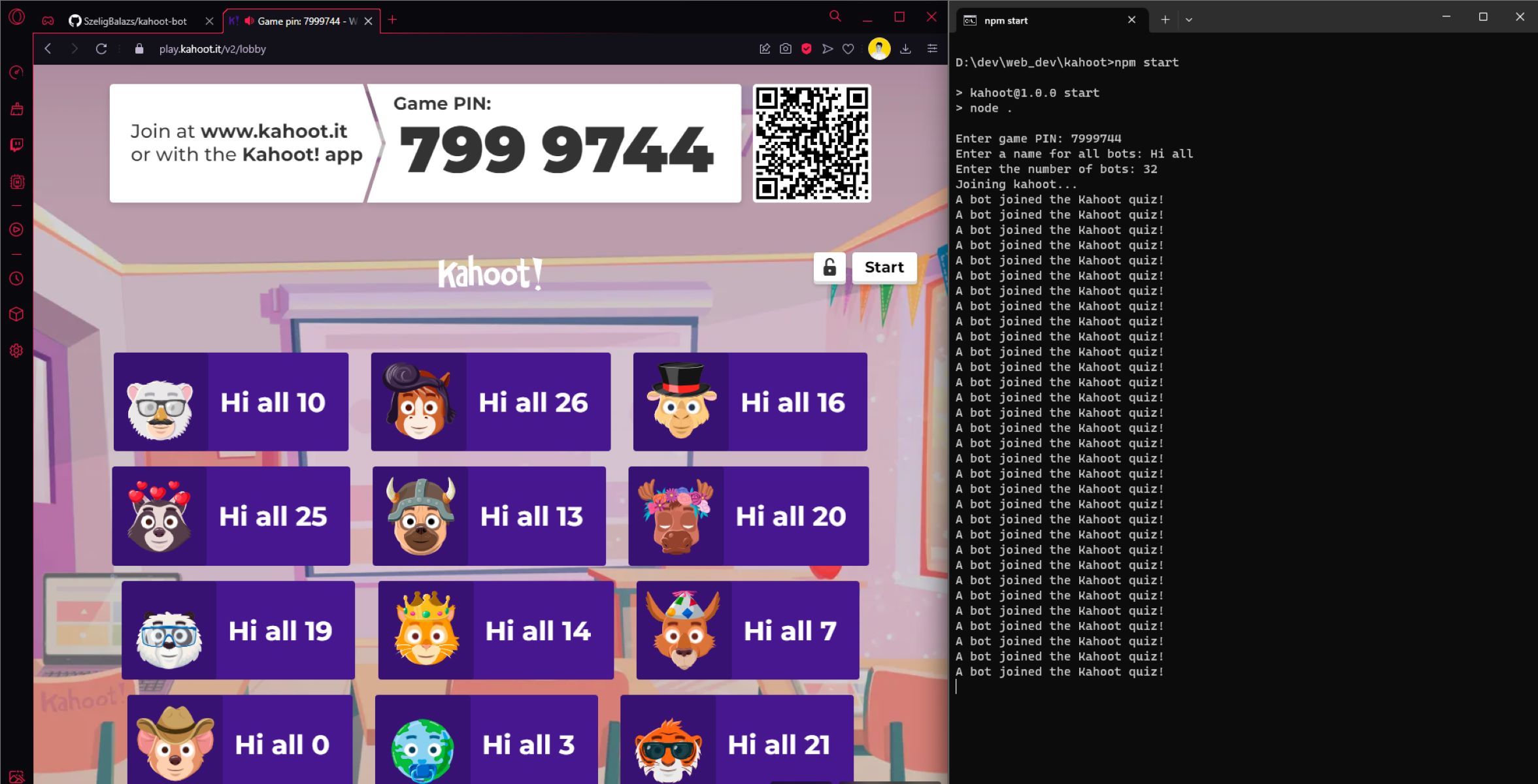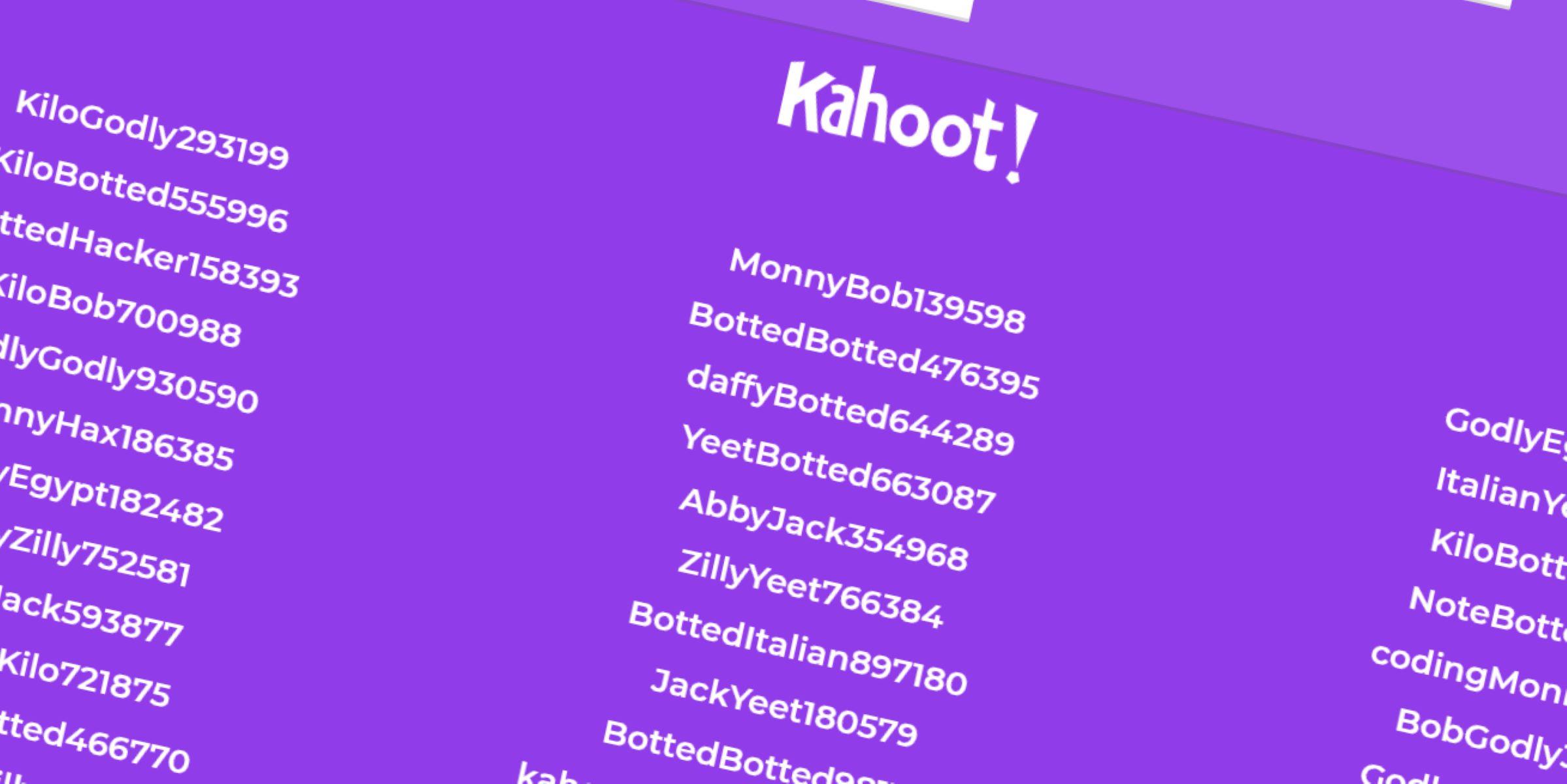
To get a Kahoot quiz ID, open your Kahoot library and click the three dots (⋮) next to the quiz you want to share. Select "Share" from the menu, and the direct link that appears will contain the unique Quiz ID, a permanent identifier you can copy and send to others. You can use this ID to get bots in Kahoot and automatically fill your lobby with players, but if you would rather simply get all the answers right on Kahoot yourself, that is also an option.
How to get a Kahoot quiz id
Every Kahoot quiz has a permanent Quiz ID embedded in its share link. Follow these steps to find it:
- Log in to your Kahoot account and go to your library of created kahoots.
- Locate the specific quiz you want to share. Click the three dots (⋮) icon next to its name or thumbnail.
- Select "Share" from the dropdown menu. A pop-up window will appear with a direct link to your kahoot.
- Copy the provided link. The Quiz ID is the string of numbers and letters at the end of the URL (for example, in kahoot.it/quiz/abc123, the Quiz ID is abc123).
- Paste the link wherever you need to share it, email, messaging apps, or your learning management system.
This Quiz ID works for any purpose: sending the quiz to students, embedding it in a website, or saving it for later use. Because it is part of the permanent URL, the ID never changes unless you duplicate or edit the quiz and save it as a new version.
The difference between a quiz id and a game pin
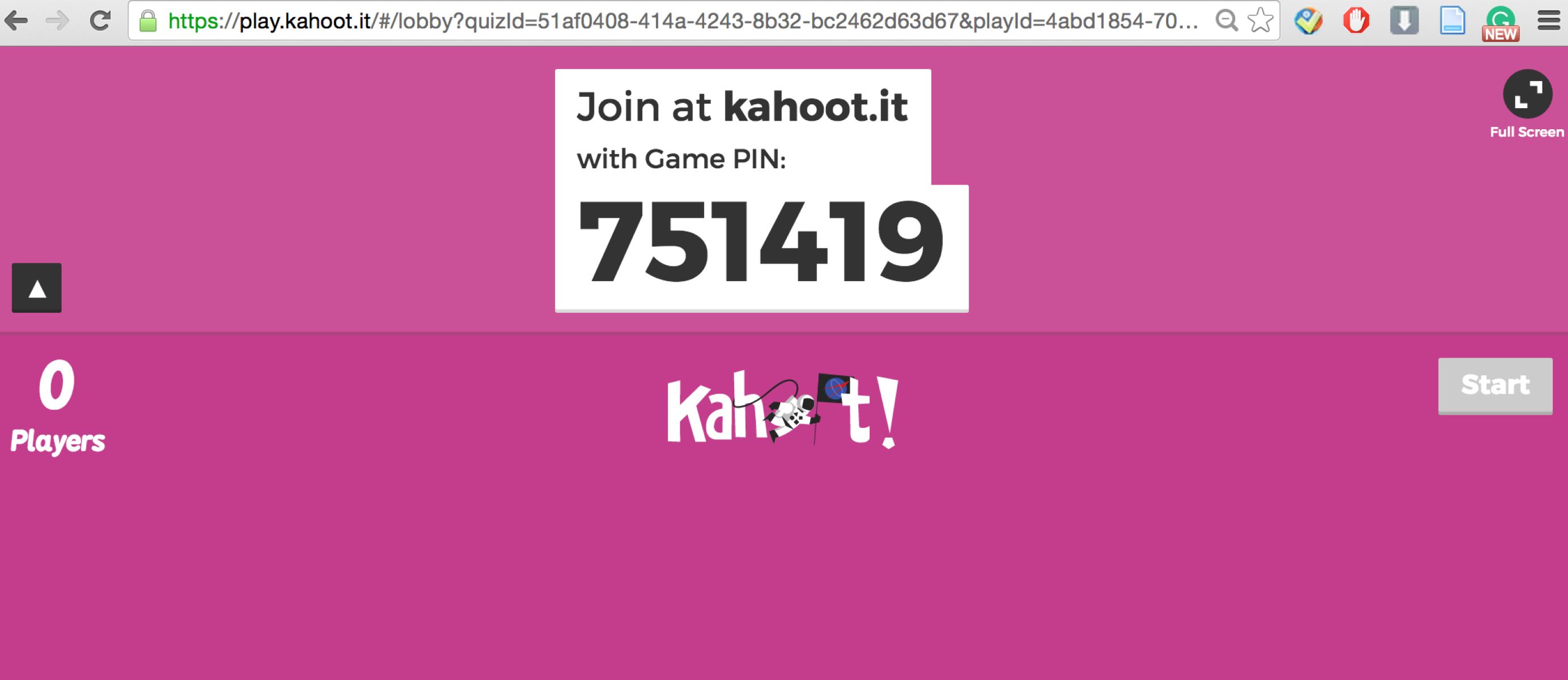
Many users confuse the Quiz ID with a Game PIN, but they serve completely different functions. The Quiz ID is a permanent identifier attached to the kahoot itself. You can use it to share the quiz with another educator who wants to edit it, assign it as a student-paced challenge, or bookmark it for future sessions. The Game PIN, by contrast, is a temporary six-digit code generated when you launch a live game. It expires as soon as the game session ends. If you want someone to join your live game right now, give them the Game PIN. If you want someone to access the quiz itself, to duplicate, edit, or assign it later, share the Quiz ID (via the link).
Why you might need a Kahoot quiz id
Knowing the Quiz ID unlocks several practical uses beyond live play. For example, if you want to make a Kahoot based on a colleague's existing quiz, you need the Quiz ID so you can duplicate it into your own library. Similarly, if you want to share a Kahoot to edit with a co-teacher, you send them the link containing the Quiz ID rather than a Game PIN. The Quiz ID also lets you publish Kahoot draft by sharing the final version's link with students as a self-paced challenge. Other common reasons include assigning a quiz for homework, embedding it in a course website, or saving a favorite quiz to revisit later without needing to search your library.
What to do if the share option is missing
If you do not see the "Share" option when you click the three dots, the quiz is likely a private kahoot stored in an organizational workspace. Private kahoots cannot be shared via a public link. This restriction applies to quizzes created under a school or company account where the workspace owner has set privacy controls. To share a private kahoot, you must use alternative methods: invite specific users by their Kahoot usernames or email addresses through the workspace sharing settings, or duplicate the quiz into your personal library (if your workspace allows it) and share from there. If you need to share the quiz widely, ask your workspace administrator to adjust the privacy settings or create a public version of the kahoot.
For the wider topic, see make a Kahoot.