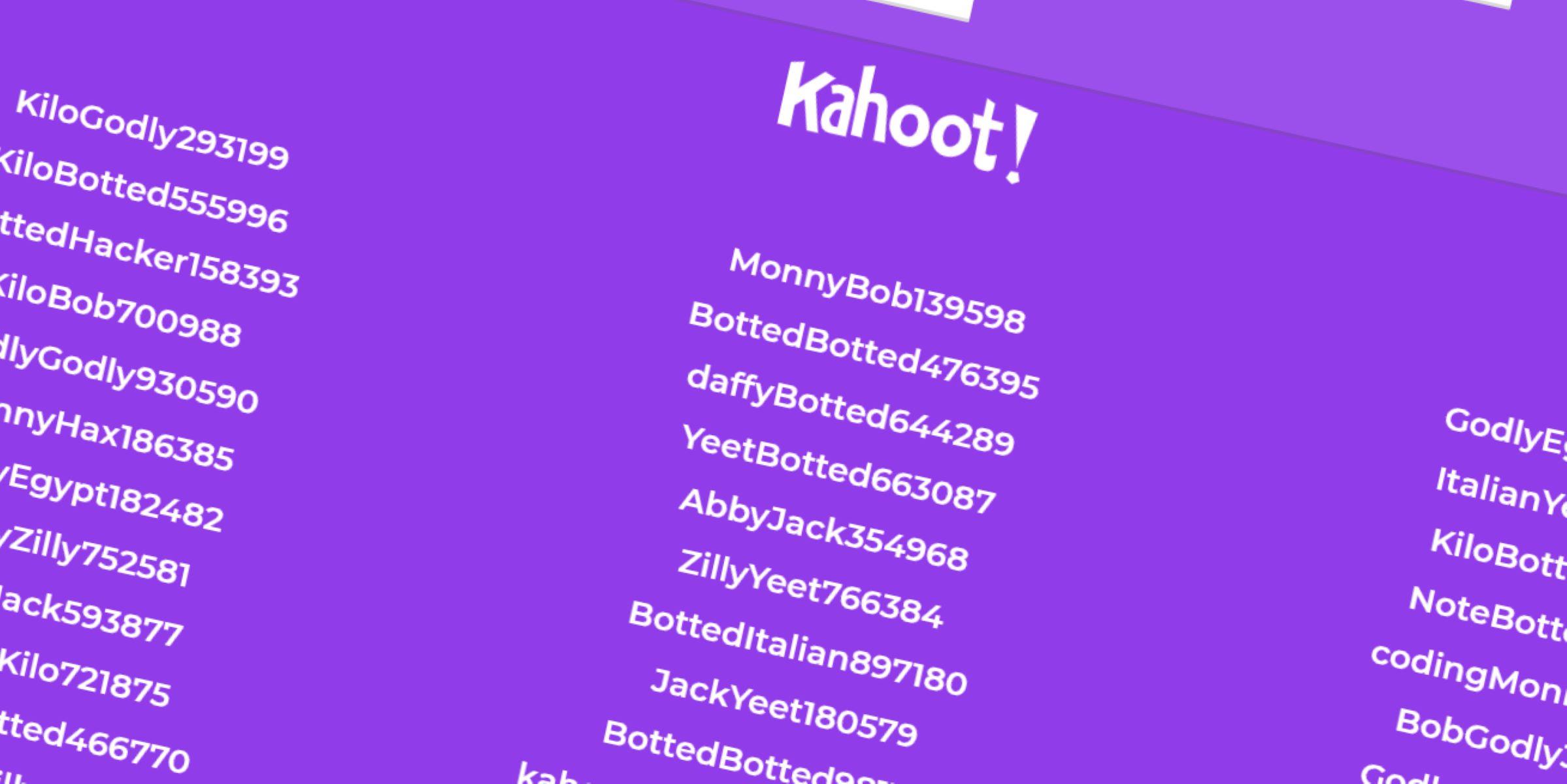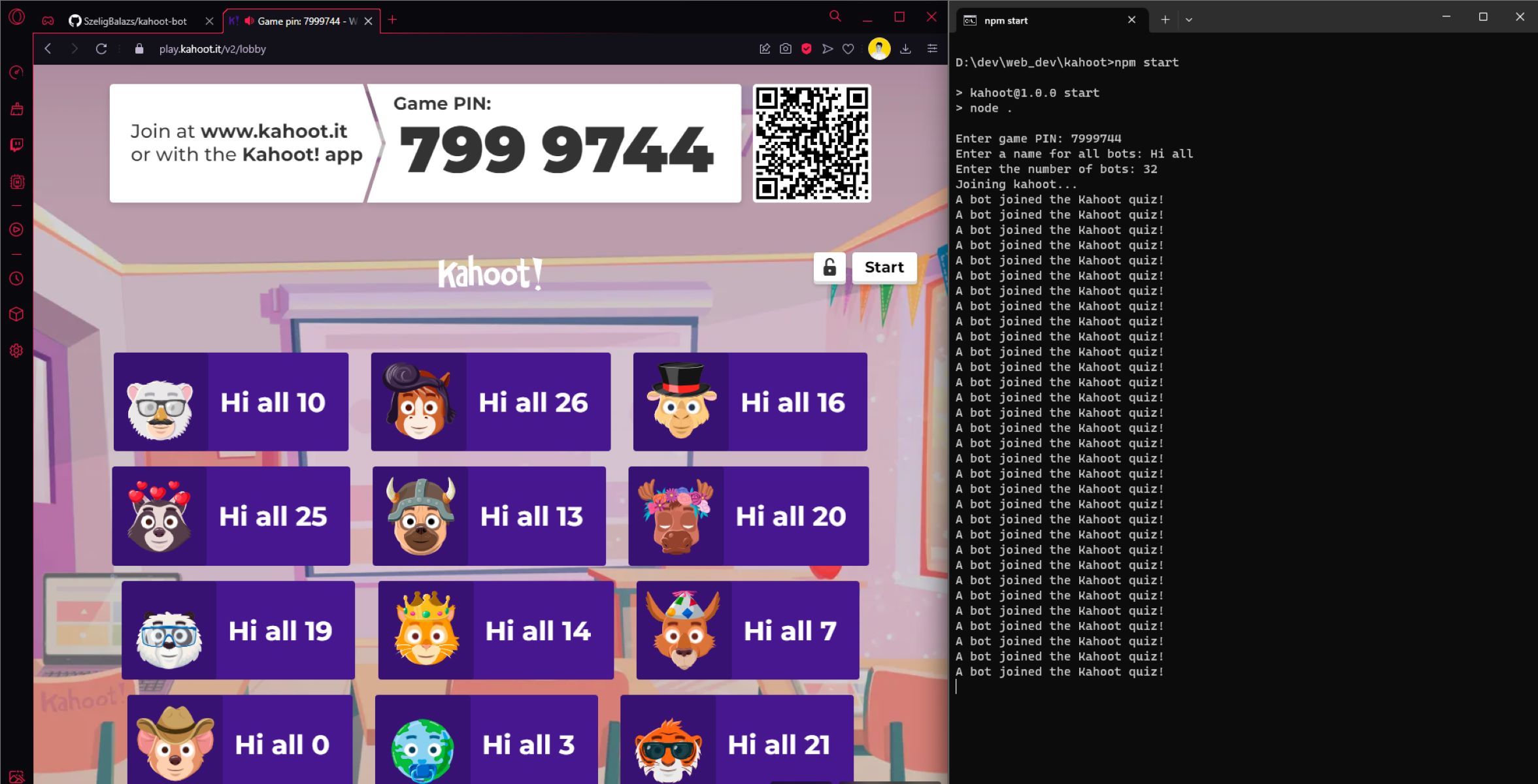
You can't reliably flood a modern Kahoot game with simple bots anymore because Kahoot now validates tokens and rate-limits joins; the only working method is to use real browser automation with unique, human-like session fingerprints, which is slow, resource-heavy, and still often fails.
Why you can't bypass Kahoot anti-bot with old flooding tools
Kahoot's shift to server-side game pin validation killed stateless HTTP request bots. Previously, a script could send a raw POST request with a game PIN and a fake nickname. The server would accept it without checking if the request came from a real browser. Now, when you enter a PIN, the server issues a unique WebSocket token signed with a session-specific key. Any bot that tries to join without first completing the full WebSocket handshake gets a "403 Forbidden" response. This includes receiving and echoing a challenge payload. Additionally, per-IP join limits now cap connections. From a single IP address, you can only join one game every 10 seconds. If you exceed three rapid joins, the server temporarily bans that IP for five minutes. Tools that once sent 50 bots in five seconds now fail because each request is rejected at the token-validation layer.
The browser automation workaround and its limits
Using tools like Puppeteer or Playwright with unique proxies and randomized fingerprints to simulate real students is the only approach that sometimes works, but it's extremely limited. You must launch a full Chromium instance for each bot. You must assign a unique residential proxy, because datacenter proxies get flagged instantly. You must spoof browser fingerprints including canvas hash, WebGL vendor, and audio context. Even then, Kahoot's rate limiter allows only about 15 joins per minute from a single proxy pool. To flood a lobby before the host starts the game, typically a 30-second waiting period, you'd need 20+ clean proxies and 20 separate browser instances running in parallel. This consumes over 4 GB of RAM. Most students don't have that hardware. Even if they do, Kahoot's WebSocket heartbeat detection will disconnect any bot that doesn't send a mouse-move event every 500 milliseconds. The automation is so slow that by the time you've launched five bots, the game has already started, and the host sees "1 player" and closes the lobby.
When it's simply not possible
There are specific failure cases where any automated joining is impossible regardless of method. If the host enables security features like 2-Step Join in the game settings, every join attempt requires completing a verification pattern, which bots cannot reliably do. Bots can't click that button for you. Similarly, school district networks using enterprise-grade bot detection like Cloudflare's Bot Management or Cisco Umbrella will block all browser automation tools at the DNS level. Puppeteer and Playwright traffic gets flagged as "automated browser" and the connection is dropped before it reaches Kahoot's servers. In those environments, even a single human-logged-in browser struggles to stay connected if it uses a VPN. The only way to make a Kahoot that works here is to disable all security features, but that's a host-side choice, not something a bot can force.
If you're trying to spam Kahoot with bots, remember that the old methods are dead, and the new ones cost more time and money than they're worth. To get bots into Kahoot today, you'd need to build a custom headless-fingerprint farm, which is beyond casual pranking. And if you try to use Kahoot rocks or any other public tool, you'll find they all serve the same error: "Connection rejected due to invalid session."