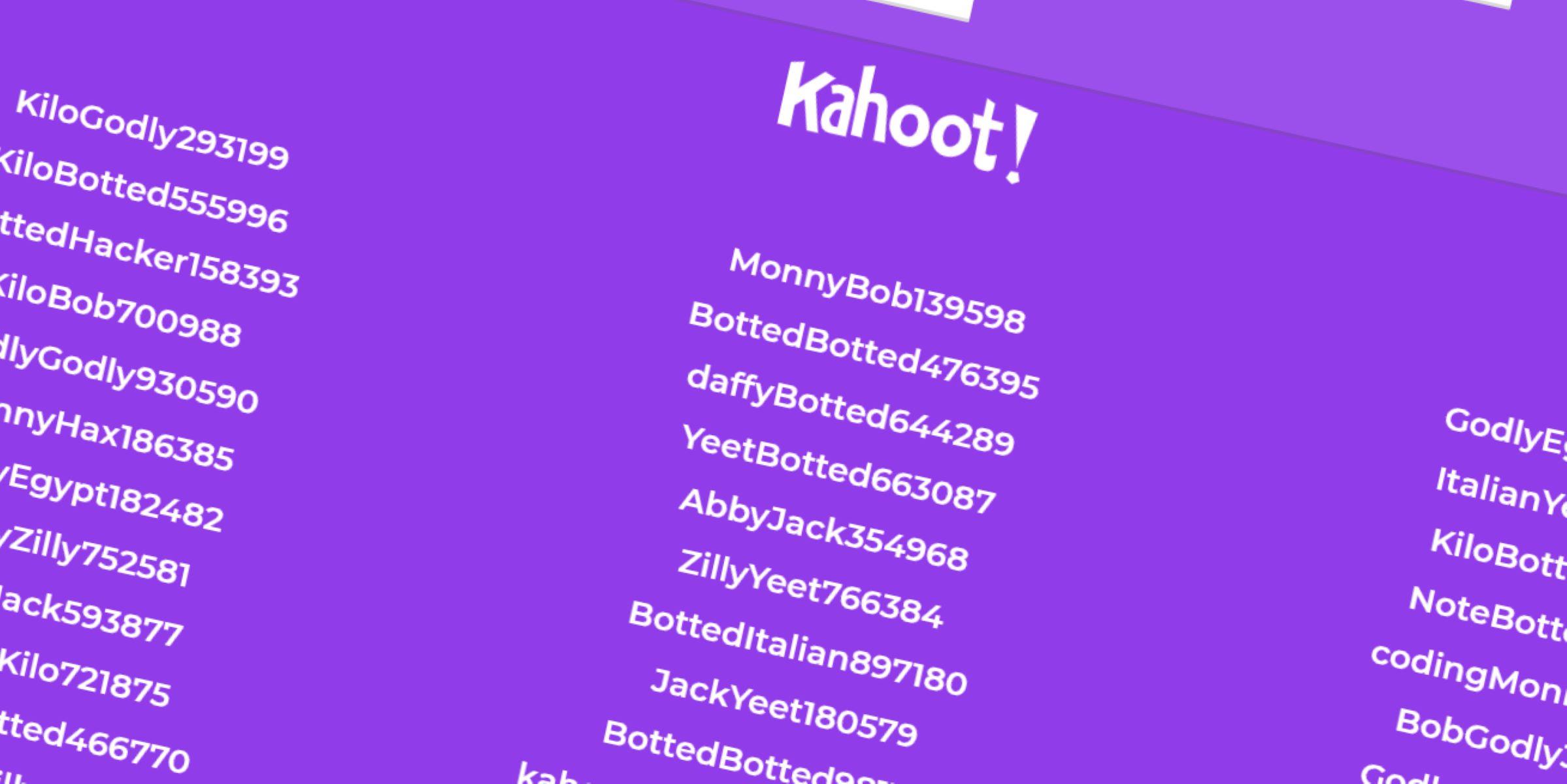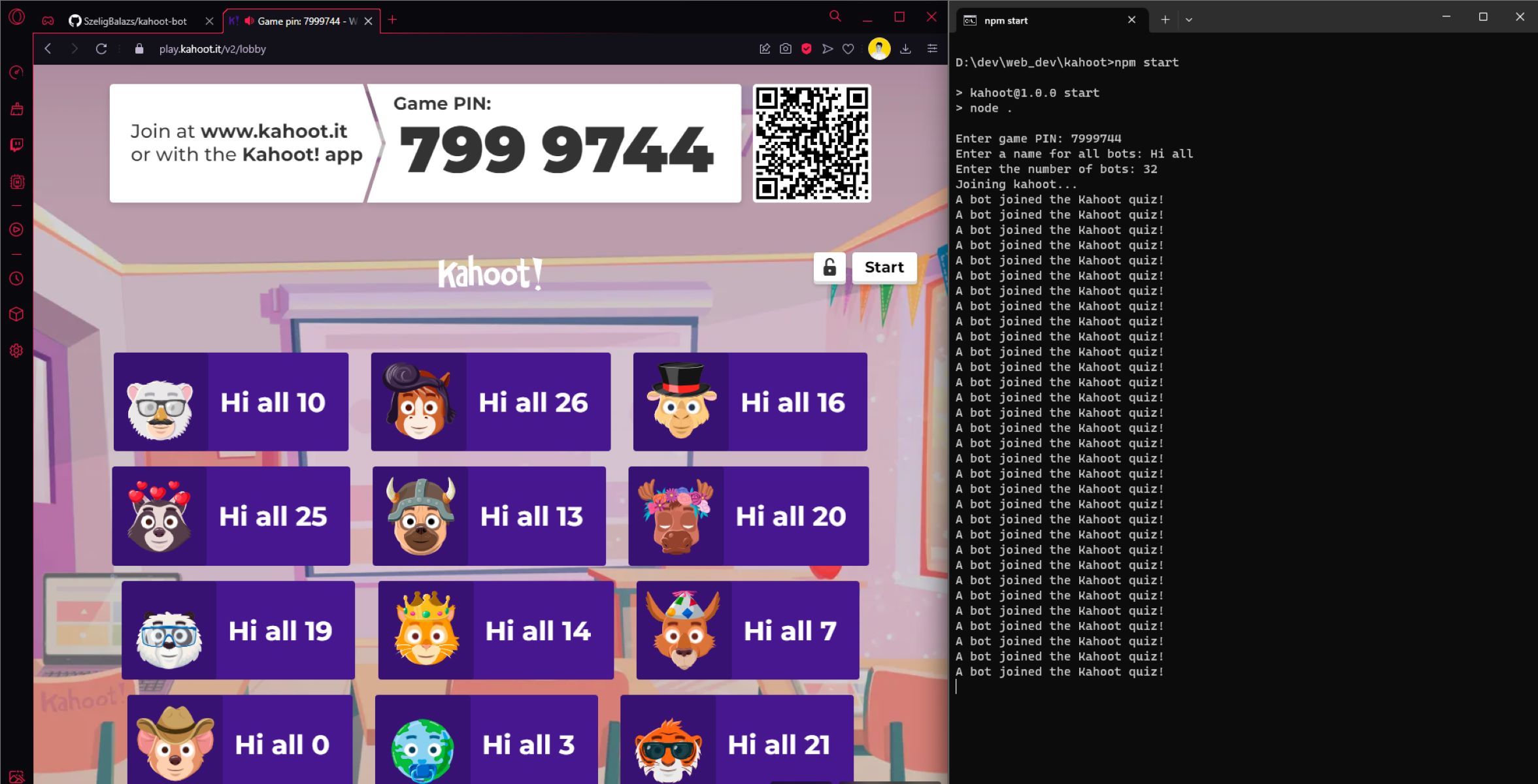
If you want to know how to spam Kahoot bots, the direct answer is that modern security measures have made traditional methods largely ineffective. While bot spamming was once a common prank, Kahoot's current defenses, especially the 2-Step Join feature, block most automated attempts to flood a live game.
What is Kahoot?
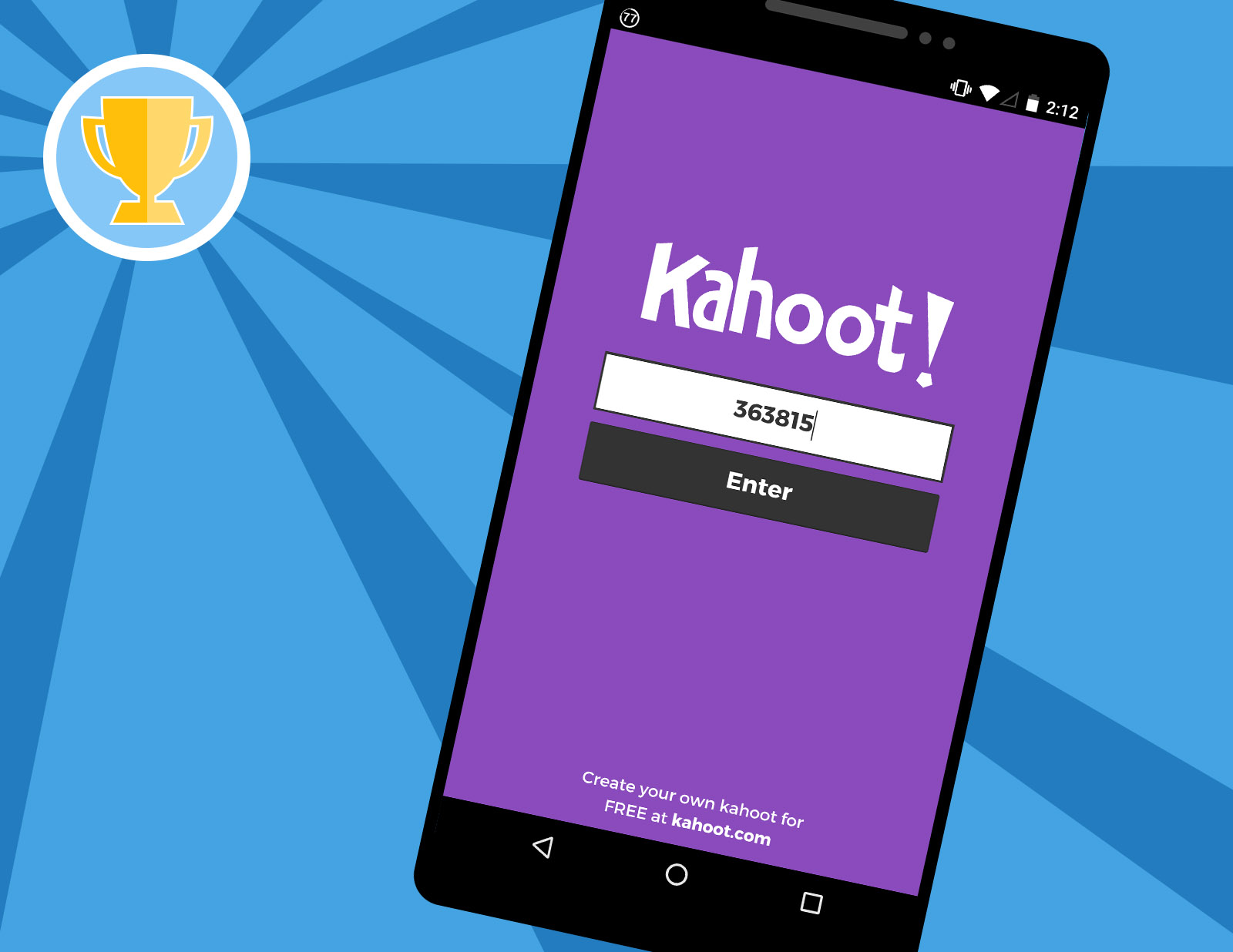
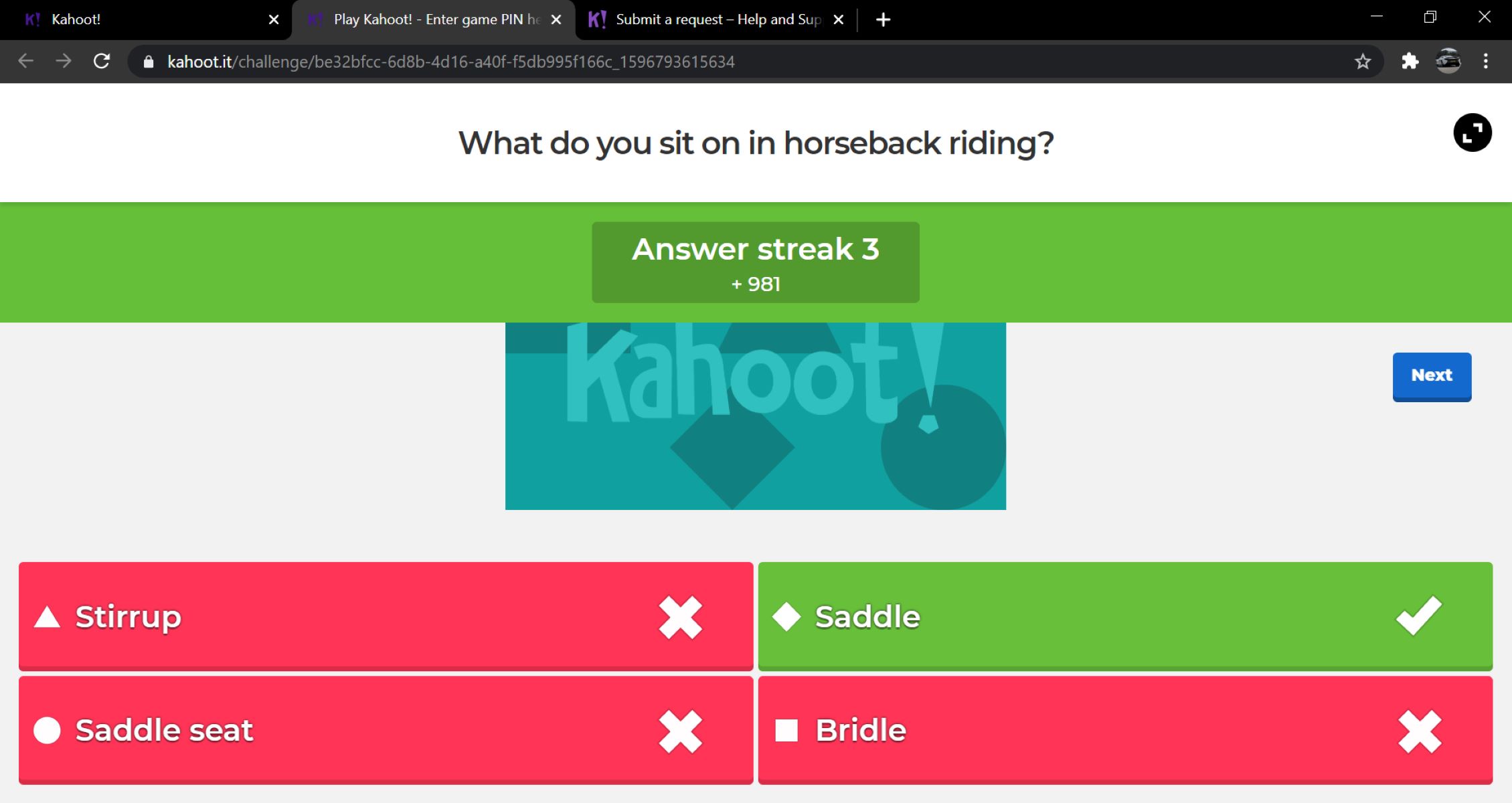
Kahoot is an online game-based learning platform widely used in schools, universities, and other educational settings. It allows educators to create interactive quizzes, surveys, and discussions that students play in real-time using their own devices. The platform turns traditional learning materials into competitive games where players answer multiple-choice questions and earn points based on speed and accuracy. If you want to practice or just play for fun without a class, you can join random Kahoot games hosted by others. Kahoot's leaderboard and detailed reports make it a popular tool for engaging students and assessing their understanding.
Can you still spam Kahoot bots?
Spamming Kahoot bots is no longer a reliable tactic because Kahoot has implemented robust anti-bot security features. The most effective of these is the 2-Step Join system, which requires every participant to interact with a pattern displayed on the host's screen after entering the game PIN. This step is designed to be difficult for automated scripts to complete, effectively blocking the vast majority of bot services. If you still want to experiment with automated joining, you can first get bots in Kahoot to test their limitations against these new defenses. While no single setting guarantees a completely bot-free experience, as determined attackers may develop new methods, the 2-Step Join has made traditional bot spamming largely a thing of the past.
Why traditional Kahoot bot spam fails
Kahoot's security measures have evolved specifically to counter the automated tools that once flooded games. Understanding these defenses explains why old methods no longer work.
The 2-Step Join feature
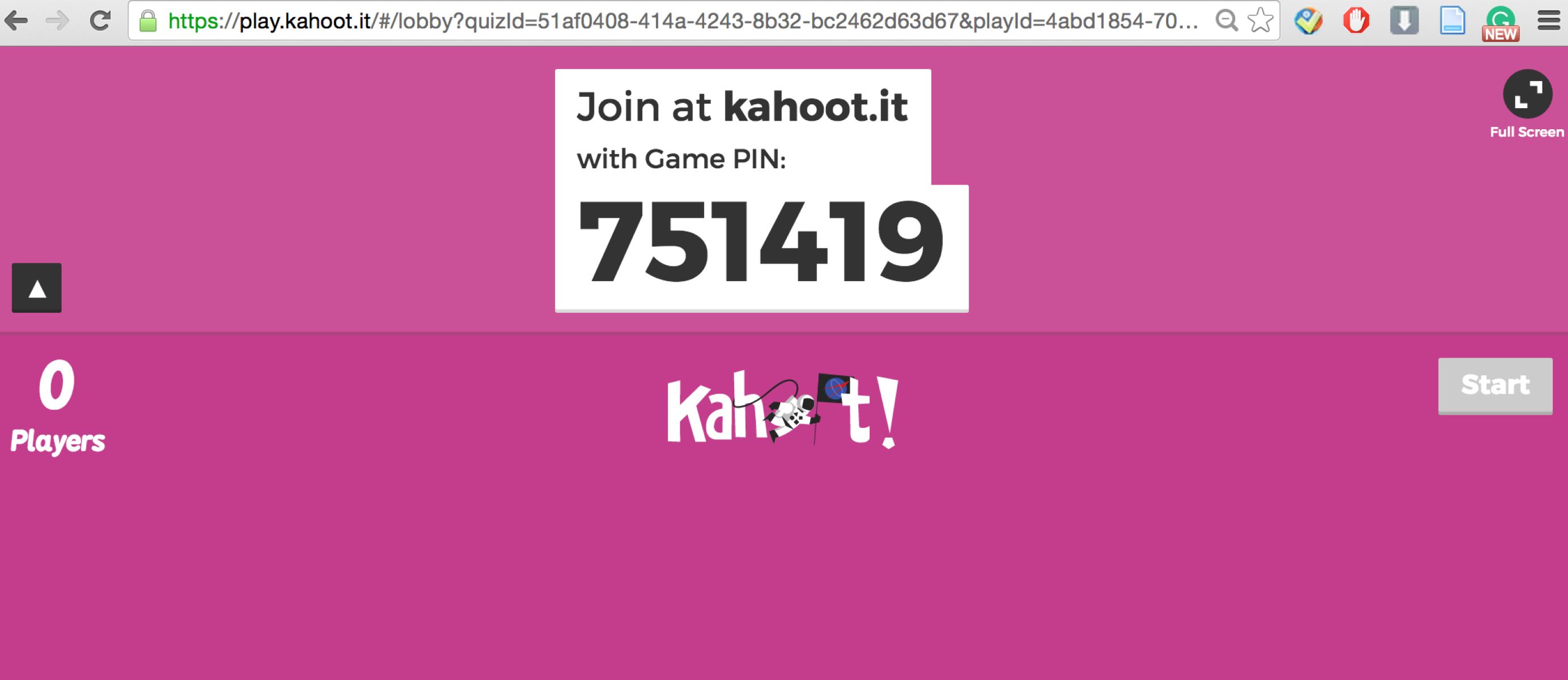
The 2-Step Join is the primary barrier. After entering the game PIN, a participant must look at the host's screen and interact with a specific pattern, such as clicking on a particular shape or entering a short code. Automated bots cannot easily interpret or respond to this visual challenge, so they are denied entry. This single feature has stopped the most common bot scripts in their tracks.
The nickname generator
Kahoot also uses a nickname generator that assigns pre-approved names to participants. This prevents bots from using the custom, often absurd names that were a hallmark of past spam attacks. By controlling the pool of available nicknames, Kahoot makes it harder for bots to blend in or cause disruption through name-based trolling.
The game-locking mechanism
Hosts have the ability to lock game joining after all legitimate participants have entered. Once the game is locked, no new players, including bots, can join the session. This gives hosts complete control over who participates, effectively ending any attempt to spam bots after the game has started.
The risks of trying to spam Kahoot bots
Attempting to spam Kahoot bots carries significant risks, both in terms of platform policy and real-world consequences. Using automation to disrupt another person's Kahoot session is inconsistent with Kahoot's Acceptable Use Policy, which prohibits unauthorized automated access and activity that disrupts its services. Violating this policy can result in account suspension or other penalties.
Beyond the policy violation, there are ethical implications. Disrupting a class or quiz interferes with the learning experience for other students and undermines the teacher's efforts. What may seem like a harmless prank can cause frustration, waste instructional time, and damage relationships. Additionally, hosts can manually remove suspicious participants from the lobby by hovering over the nickname and clicking to remove it. This means even if a bot slips through, it can be quickly ejected.
How hosts protect their games from bots
Understanding how hosts defend their games can satisfy the curiosity behind wanting to spam bots. Hosts have several effective strategies at their disposal, and knowing them reveals why bot spamming is so difficult today.
Keeping the game PIN private
The simplest and most effective defense is to keep the game PIN private. Hosts are advised to avoid publishing the PIN on public websites or social media platforms. By sharing it only with intended participants, such as students in a classroom or colleagues in a meeting, hosts drastically reduce the chance that someone with malicious intent can join the game. This is the first line of defense and the hardest for an attacker to bypass.
Enabling security settings
Hosts can enable the 2-Step Join feature for their games, which, as explained, blocks most automated bots. They can also use the nickname generator to prevent custom names and lock the game once all legitimate players have joined. These settings are built into the platform and require no extra software or technical knowledge to activate. By combining these tools, hosts can create a secure environment that is resistant to bot spam.
For hosts who want to take additional precautions, manually monitoring the lobby and removing suspicious participants is always an option. The combination of private PINs, security features, and active moderation makes it extremely difficult for anyone to successfully spam Kahoot bots in a live game.
For the wider topic, see make a Kahoot.