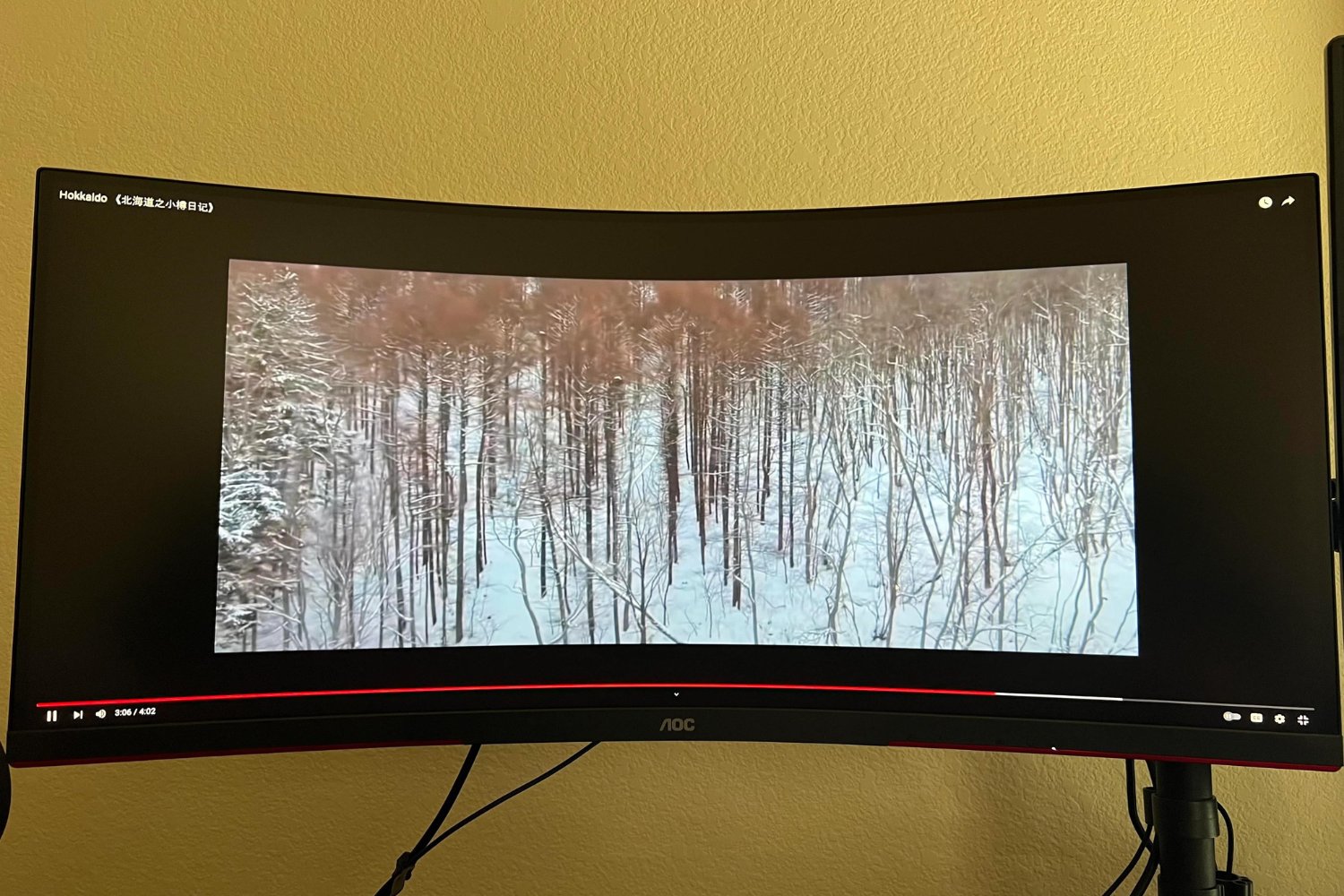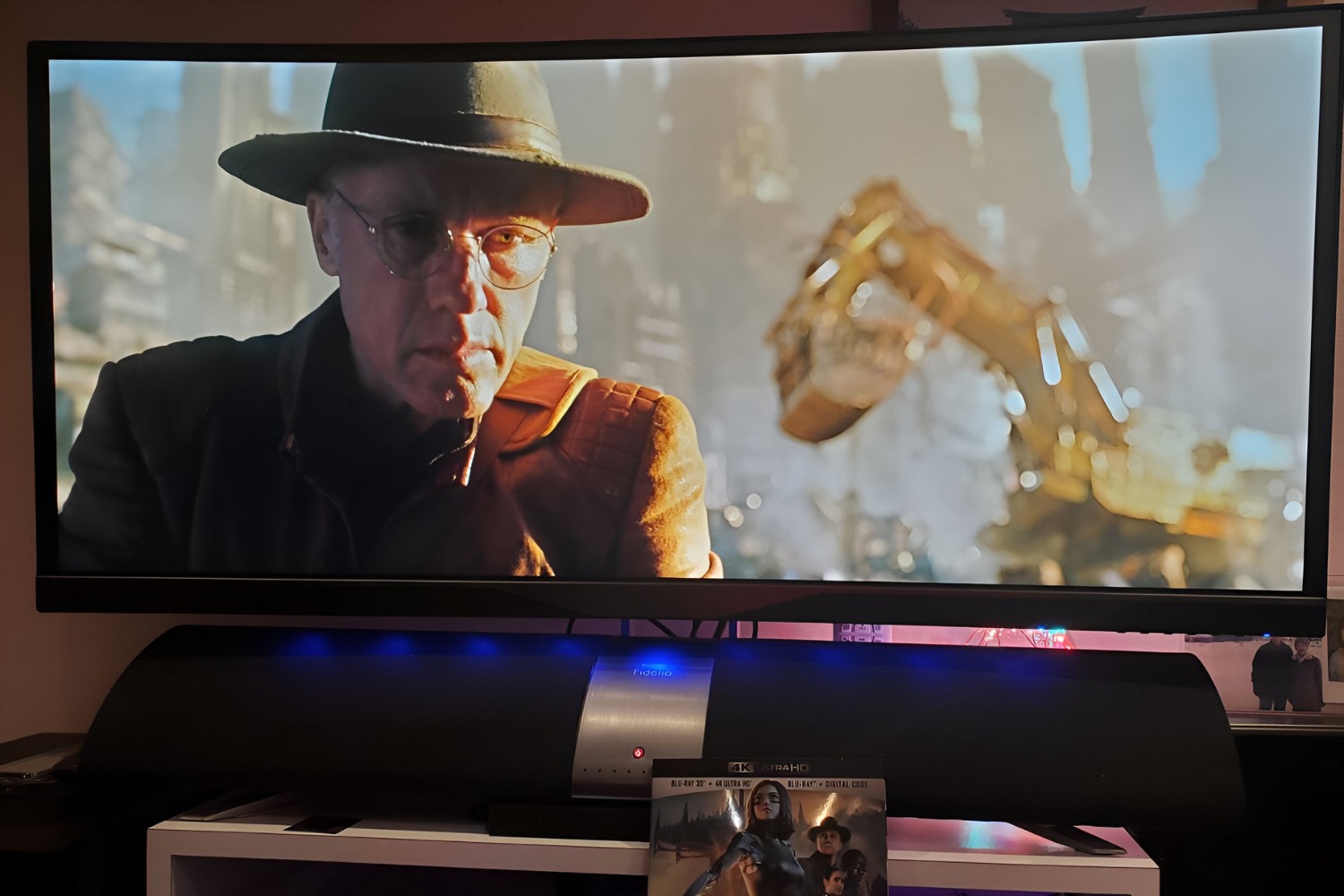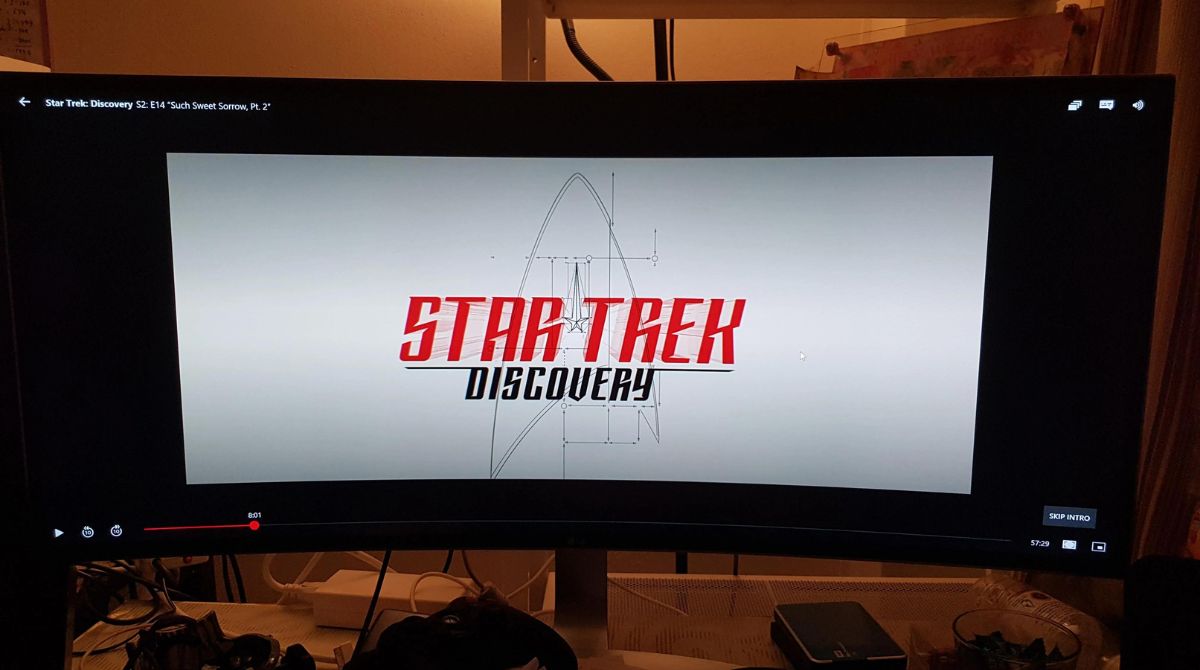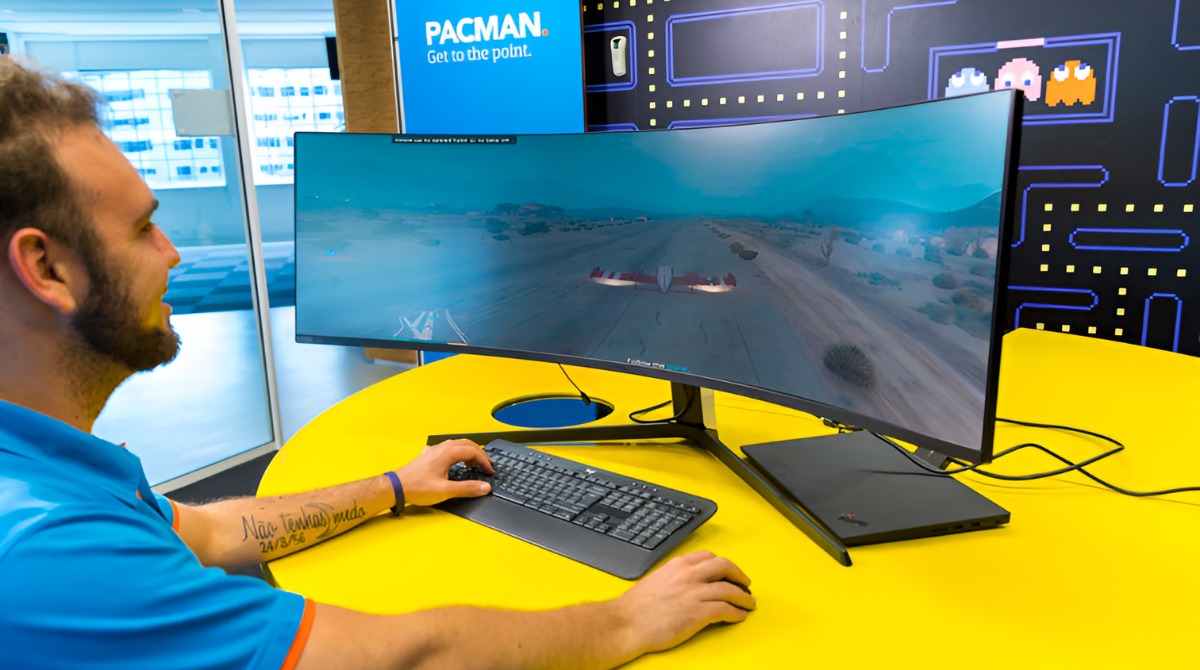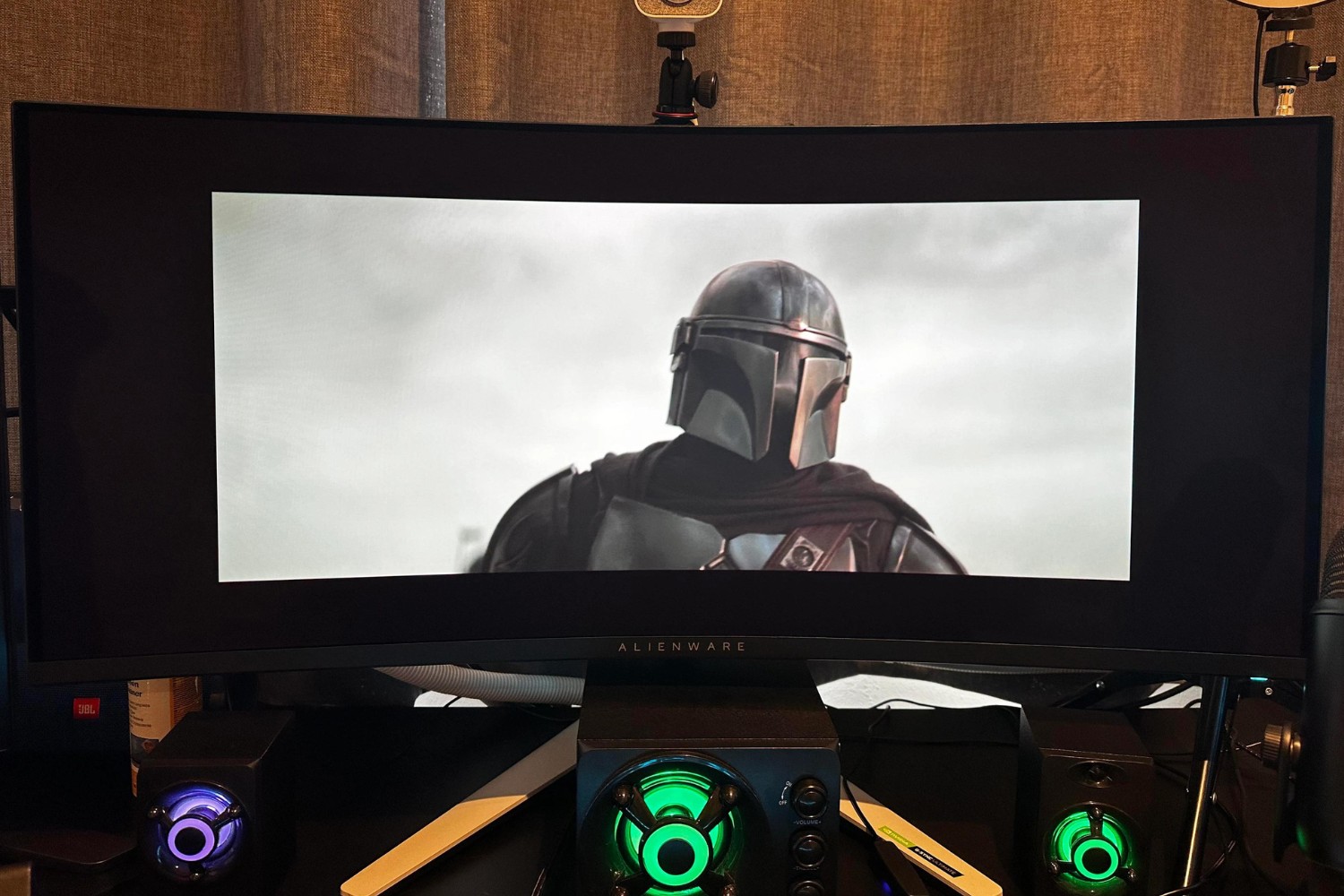
To get Disney Plus to play in fullscreen on your ultrawide monitor, you must force the video to fill your 21:9 screen because the platform streams most content in the standard 16:9 aspect ratio, which creates black bars on the sides. The fastest fix is to use the IMAX Enhanced version of a title when available, then adjust your browser zoom or use a dedicated ultrawide extension to stretch the picture. A similar approach can get YouTube videos to play on an ultrawide monitor by cropping or stretching the standard player. For a permanent system-level solution, you can change your Windows display scaling to a 21:9 resolution and use GPU scaling to crop the image, though this will cut off the top and bottom of the frame.
Why Disney Plus doesn't fill your ultrawide monitor screen
The hard technical limitation is that Disney Plus delivers nearly all its library in a 16:9 aspect ratio, while your monitor is 21:9. This means the video's width is shorter than your screen's width, so the player leaves empty space on both sides, those black bars are mathematically unavoidable for most shows because the source content simply has fewer horizontal pixels than your display can show. Even if you force the player to stretch the image, you'll get distortion unless you crop the top and bottom, which loses part of the picture. The only exception is IMAX Enhanced content, which uses a taller 1.90:1 frame that reduces the side bars but still doesn't match true 21:9.
Step 1: Use the official Disney Plus IMAX Enhanced setting
Open the movie or show you want to watch and look for the "Versions" tab next to the play button, this is where you can switch between the standard Widescreen and the IMAX Enhanced version. Selecting IMAX Enhanced expands the image to a 1.90:1 aspect ratio, which fills more of your ultrawide monitor's height and significantly shrinks the side black bars, though it won't cover the full 21:9 width. You can also find IMAX Enhanced titles by using the "IMAX Enhanced filter" on the Movies page, or check the "Details" tab for a specific title to see if that version is available. This is the only official way to get a larger picture without any third-party tricks, and it works automatically for the entire movie if the whole film is formatted for IMAX.
Step 2: Force a wider crop with Windows display scaling
If you want to eliminate all black bars, you can change your Windows resolution to a 21:9 setting (like 2560x1080 or 3440x1440) and then enable GPU scaling with "aspect ratio correction" in your graphics card control panel (NVIDIA or AMD). This will stretch the 16:9 video horizontally to fill the full width, but it will also crop the top and bottom of the frame because the GPU is scaling the image to fit the wider display. To do this, right-click your desktop, select "Display settings," choose the 21:9 resolution, then open your GPU control panel and set scaling to "Full Screen" or "Aspect Ratio" with the "Override" option enabled.
Step 3: Use browser zoom or extensions to fill the screen
The quickest workaround is to zoom in on the Disney Plus player in your browser: press Ctrl and + (or Cmd and + on a Mac) until the video fills the entire width of your ultrawide monitor, which effectively crops the top and bottom of the image. Alternatively, install a browser extension like UltraWide Video for Chrome or Ultrawide Display Enabler for Firefox, which automatically overrides the player's aspect ratio to match your monitor's 21:9 dimensions. Just note that extensions may break if Disney Plus changes its player code, and you'll need to toggle them off for other websites that don't support ultrawide formatting.
Step 4: Optimize third-party video player settings for 21:9
If the browser methods fail or you prefer a dedicated player, you can use VLC Media Player or MPC-HC to watch Disney Plus content by downloading the video (if allowed) and then adjusting the aspect ratio manually. In VLC, press A to cycle through aspect ratios until you find "21:9" or use the "Crop" function (under Video > Crop) to remove the black bars from the top and bottom. For MPC-HC, go to View > Video Frame > Aspect Ratio and select "21:9" or use the "Zoom" feature to fill the screen.
What about Mac users?
If you use an ultrawide monitor with a Mac, the browser zoom and extension methods work exactly the same way, but you won't have the Windows GPU scaling option. Instead, you can use the built-in "Display" settings in macOS to set a scaled resolution that matches your monitor's native 21:9 ratio, then use the browser zoom trick to fill the screen. For a more permanent fix, you can use a third-party tool like BetterDisplay to force a custom resolution, but the simplest path is still the UltraWide Video extension or manual zoom.
How to check if your computer can handle this
Before you try any of these methods, you should check if your computer can run an ultrawide monitor by looking at your graphics card's maximum resolution and your monitor's native specs. Most modern GPUs (even integrated ones) support 3440x1440 at 60Hz, but if you have an older card, you might need to lower the refresh rate or use a lower ultrawide resolution like 2560x1080.
While Disney Plus doesn't natively support 21:9, you can still get a fullscreen experience by combining the IMAX Enhanced setting with a browser extension or manual zoom. The black bars are a mathematical result of the aspect ratio mismatch, but the methods above let you either expand the image to fill more space (IMAX) or crop it to cover the full width (zoom/extensions). For the best balance, use IMAX Enhanced content when available, and fall back to the UltraWide Video extension for everything else, just accept that you'll lose a small portion of the top and bottom of the frame. As streaming platforms evolve, Disney Plus may eventually add native ultrawide support, but until then, these workarounds are the only way to make the most of your monitor.