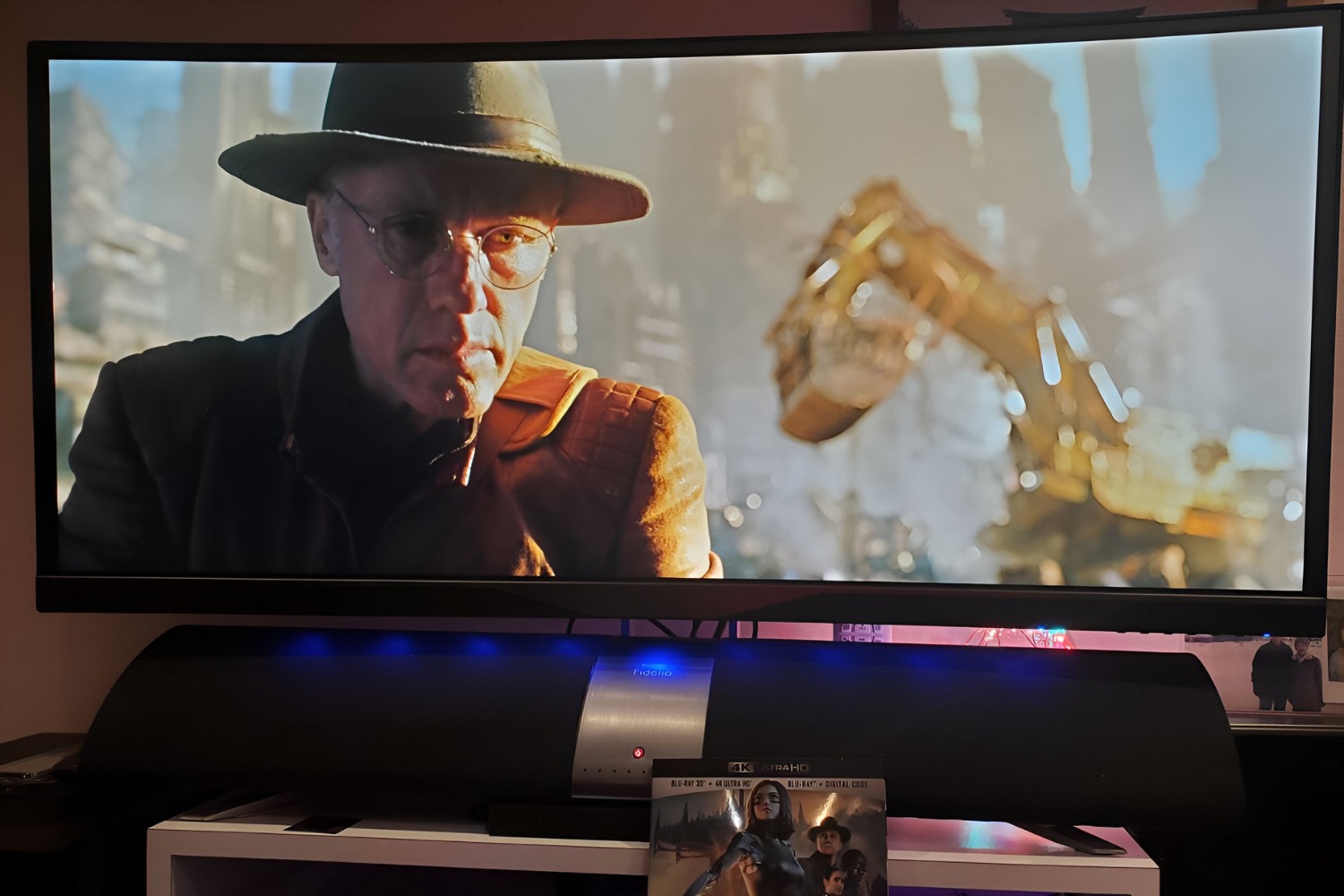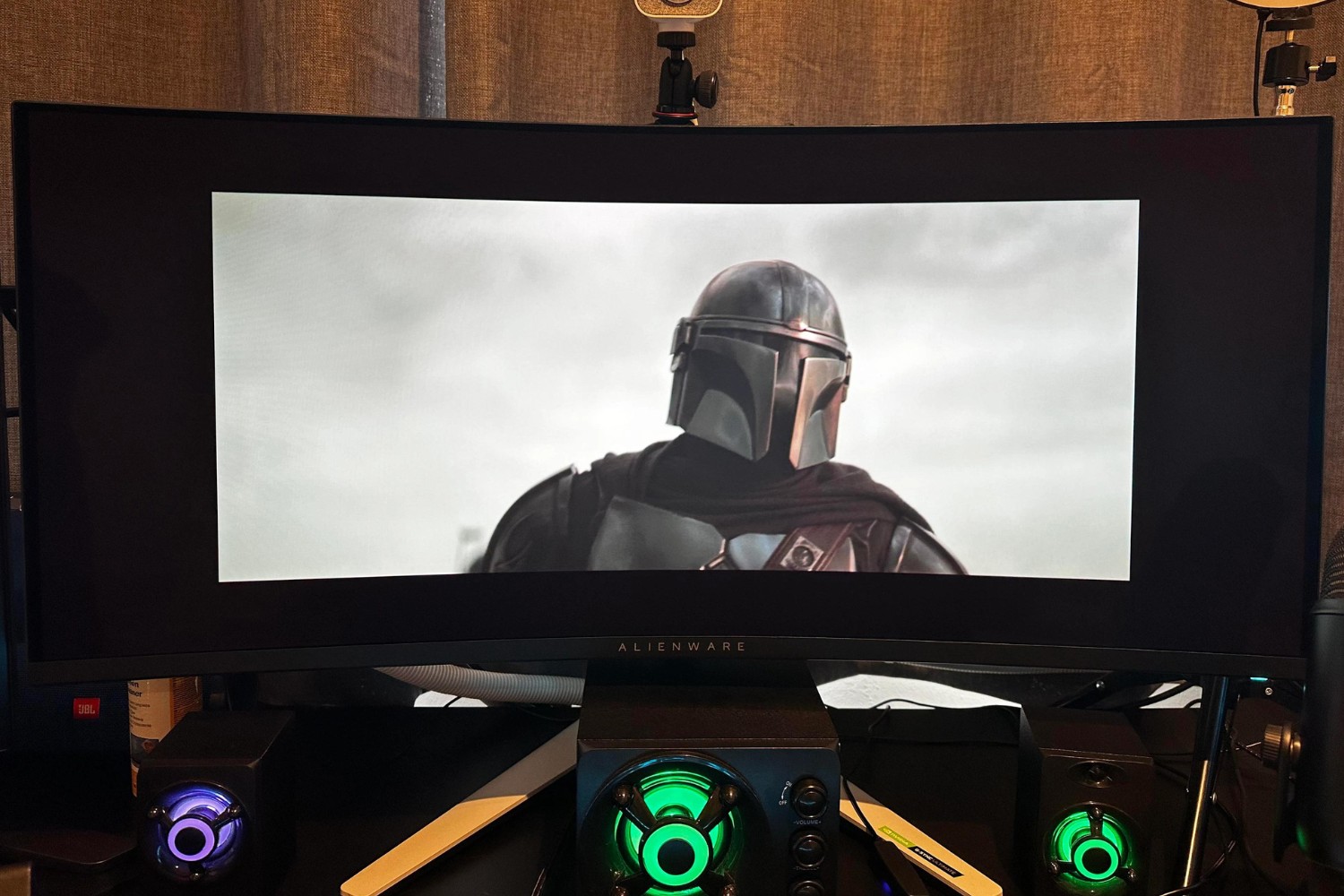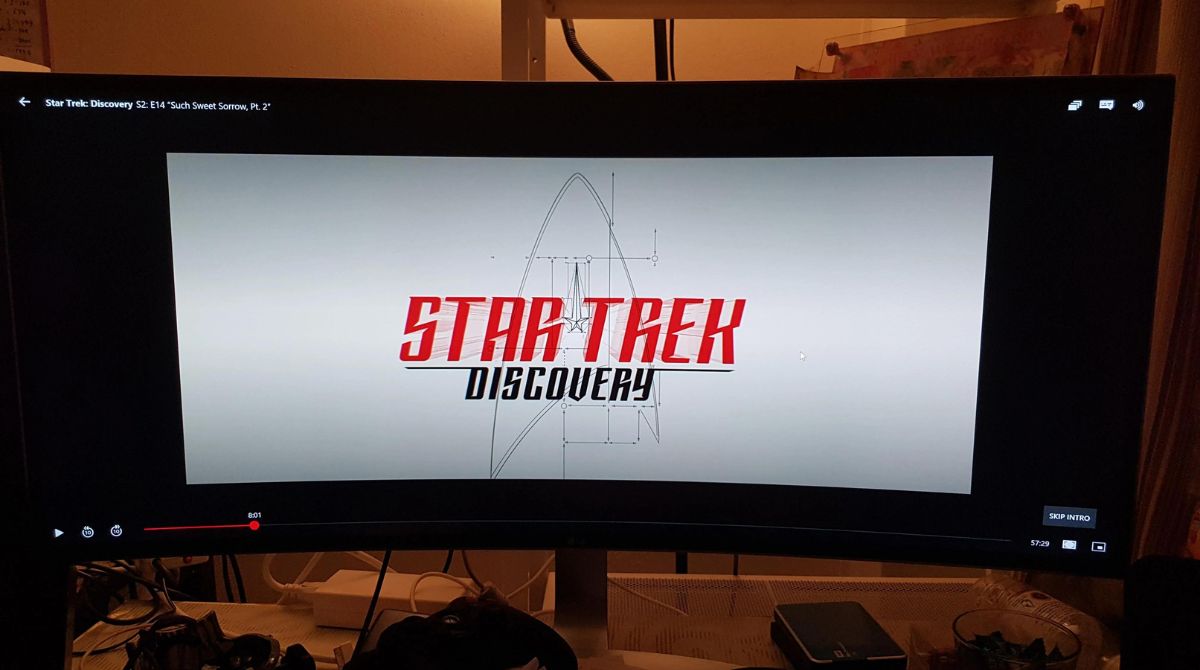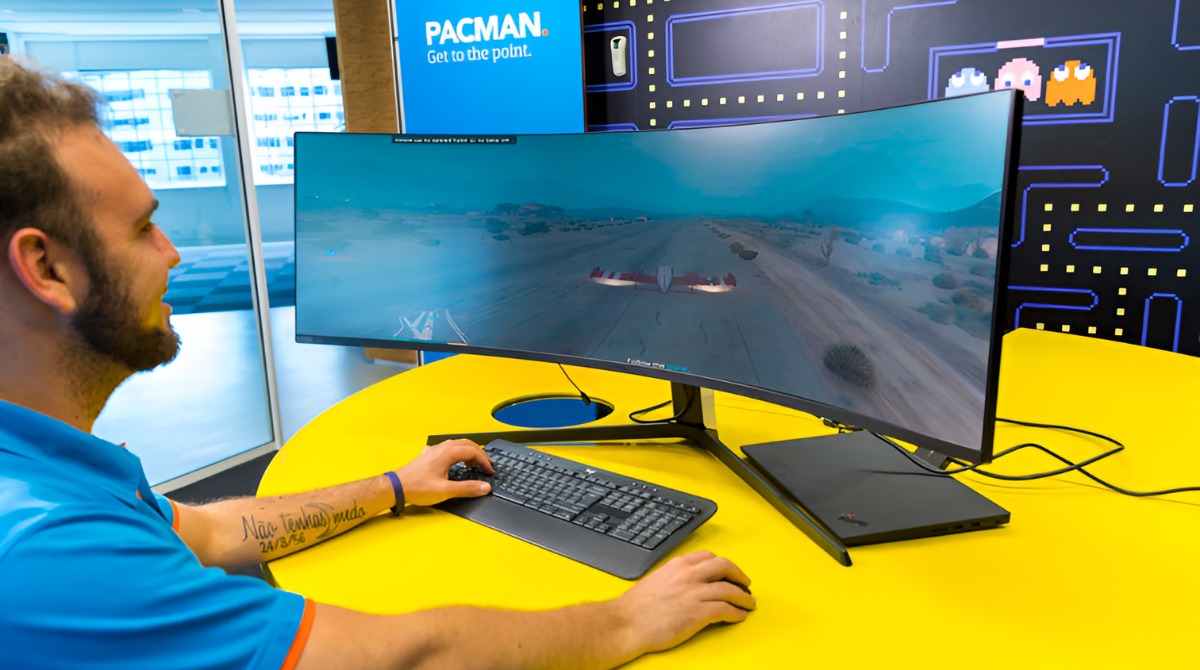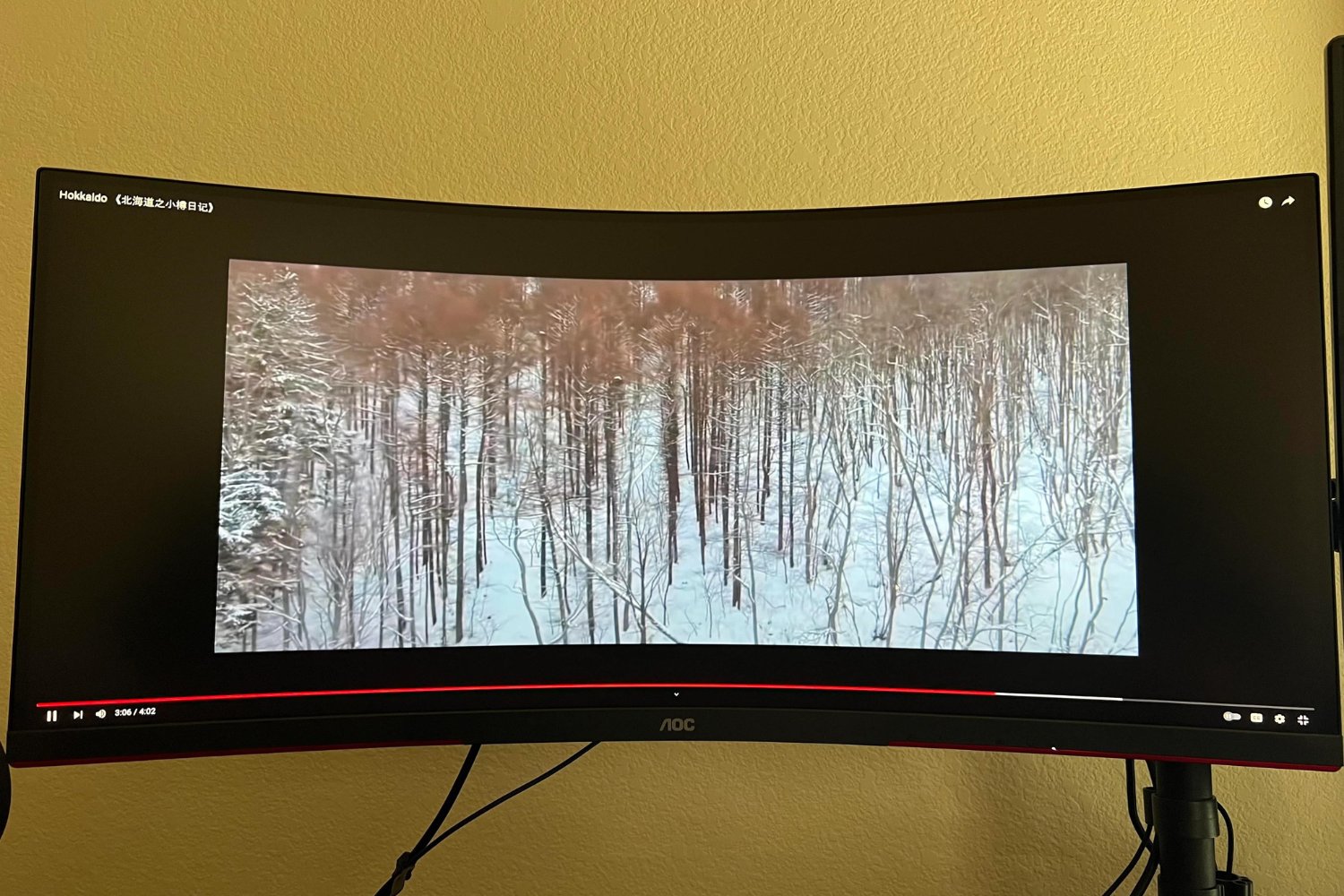
To get YouTube videos to play on an ultrawide monitor without black bars, you need a browser extension because YouTube has no native setting to crop or stretch 16:9 content to fit a 21:9 or 32:9 screen. The black bars appear because YouTube fits the video by height on a standard 16:9 aspect ratio, leaving unused space on the sides of your wider display.
The real fix for YouTube on ultrawide monitor black bars
The problem is simple: YouTube videos are designed for a 16:9 aspect ratio, while ultrawide monitors use 21:9 or even 32:9. When you play a standard video in fullscreen, YouTube's player adds pillarbox bars to the left and right to fill the extra width. No button or setting inside YouTube can force the video to expand, the platform simply does not offer that control. The direct answer is a browser extension, which overrides the player and lets you choose how the video fills your screen.
How to install and use a browser extension
- Choose a verified extension from the Chrome Web Store or Microsoft Edge Add-ons. Popular options include Ultrawidify, UltraWide for YouTube, Aspect Ratio Changer for YouTube™, UltraWide Video, and Zoom to Fill. All are free and work similarly.
- Click "Add to Chrome" (or "Get" for Edge) to install the extension. No account or payment is required.
- After installation, reload any open YouTube tabs. The extension needs to load its code into the page to work.
- Play a video and look for the extension's icon in your browser's toolbar, or a new aspect ratio icon inside the YouTube player's control bar. Click it to open the settings.
- Select your monitor's aspect ratio (e.g., 21:9 or 32:9) from the preset list, or use a custom slider to fine-tune the fit. The black bars should disappear immediately.
Many extensions also offer keyboard shortcuts, such as Ctrl+Alt+C on Windows or Ctrl+Cmd+C on macOS, to toggle between modes without clicking the toolbar icon.
Zoom vs. stretch: choosing the right fill mode
Extensions typically provide two main ways to remove black bars. Zoom scales the video proportionally so it fills the width, which crops the top and bottom of the frame. This gives a cinematic look without distorting people or objects, but you lose some picture at the edges. Stretch widens the video horizontally to cover the entire screen, which eliminates all cropping but can make faces and text look squashed or elongated. For most YouTube content, especially vlogs, tutorials, and talking-head videos, Zoom is the better choice because it preserves natural proportions. For action scenes or landscape shots where distortion is less noticeable, Stretch can work.
What to do about videos with baked-in black bars
Some videos are uploaded with black bars already encoded into the 16:9 frame. This is common when a creator films in a wider aspect ratio (like 21:9) but exports the video with black bars on top and bottom to fit YouTube's standard. On an ultrawide monitor, this creates a "windowbox" effect: black bars on all four sides. A good extension can handle this too. Look for a setting that crops all four edges, or use the custom slider to zoom in until the inner black bars are gone. The video will be larger but may lose a small amount of content from the edges, a fair trade for a full-screen experience. If the cropping feels imprecise, first get your computer screen to fit on an ultrawide monitor to ensure your system resolution isn't compounding the scaling issues.
When you don't need a fix at all
Not every YouTube video will show black bars. If a video was originally uploaded in a true ultrawide aspect ratio, for example, a movie trailer shot in 21:9 or a gaming clip recorded in 32:9, it will play edge-to-edge in fullscreen without any extension. YouTube preserves the upload's native dimensions, so those videos naturally fill your monitor. You can tell by looking at the player in windowed mode: if the video already appears wider than a typical 16:9 box, it will go fullscreen cleanly. Similarly, if you use an ultrawide monitor with a mac, the same browser extensions work in Safari or Chrome, and the same rules apply: only true ultrawide content will fill the screen without help. This same extension approach can also get Disney plus to play in fullscreen on my ultrawide monitor, where streaming compression often adds stubborn black bars. For everything else, the extension is your only reliable solution.