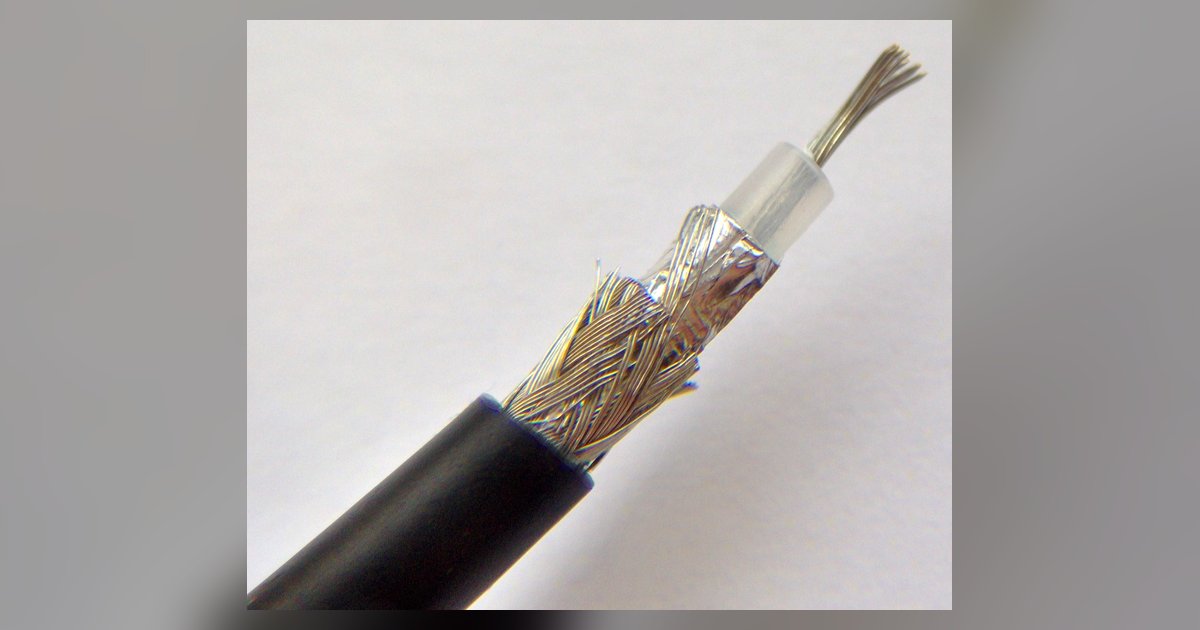
Yes, the physical RG-6 coaxial cable is perfectly compatible and reusable for an over-the-air antenna, but you must completely disconnect it from the satellite dish and remove any inline satellite-specific components like splitters, amplifiers, or power inserters, as those block TV frequencies.
Why satellite coax works for a TV antenna
The coaxial cable running from your old satellite dish is almost certainly RG-6. It is the same 75-ohm standard used for over-the-air TV antennas. This type of cable handles the same frequency range that broadcast television uses. That range runs from about 54 MHz up to 608 MHz for UHF and VHF channels. The physical wire in your wall is not the problem. It is a perfectly good conduit for antenna signals. The only difference between satellite and antenna use is what is attached to the ends of that wire. Satellite systems send power up the line to the dish. They use a different frequency block for the LNB. The cable itself does not care what signal you push through it. So, if you are wondering which way to point a TV antenna, that question is about alignment. It is not about the cable’s capability. The RG-6 run is ready to carry the signal once you clear out the satellite gear.
The hidden satellite parts that block your signal
When you plug your TV directly into the wall plate that used to serve the satellite dish, you are likely still connected to a satellite-specific splitter, a power inserter, or a multiswitch. These components pass only the high-frequency satellite signals. They block the lower-frequency over-the-air broadcast signals. A typical satellite multiswitch uses a high-pass filter that cuts off lower broadcast frequencies. This instantly kills all UHF and VHF TV channels. A power inserter sends DC voltage up the line to power the LNB on the dish. That DC voltage can damage your TV’s tuner or simply prevent any antenna signal from passing through. Even a standard satellite splitter often includes internal filtering that blocks antenna frequencies. That is why you see zero channels. The signal never reaches your TV. If you want to know how to connect TV antenna to TV wirelessly, that is a separate method using a transmitter. For a wired connection, you must eliminate these hidden parts entirely.
How to safely repurpose the run
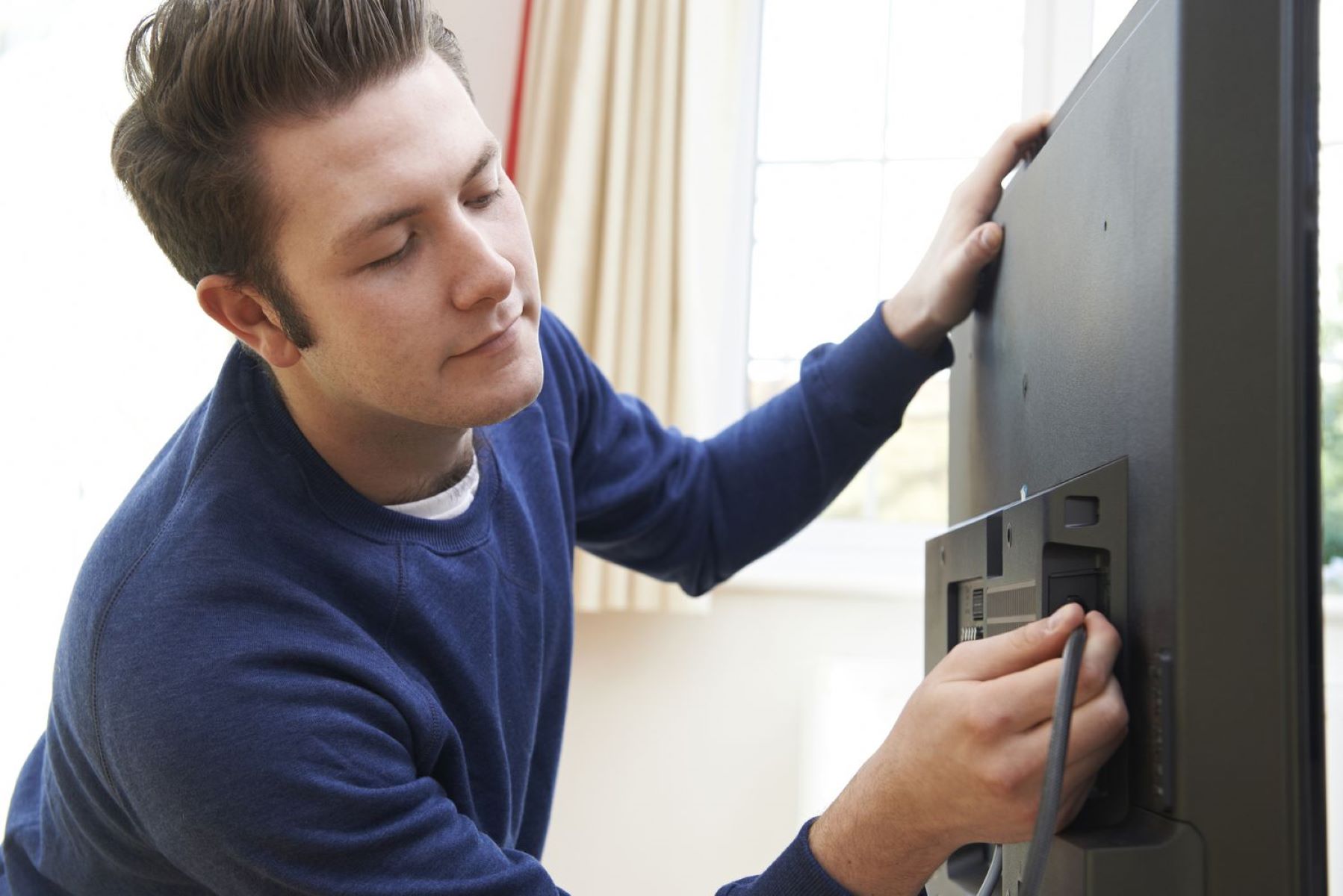
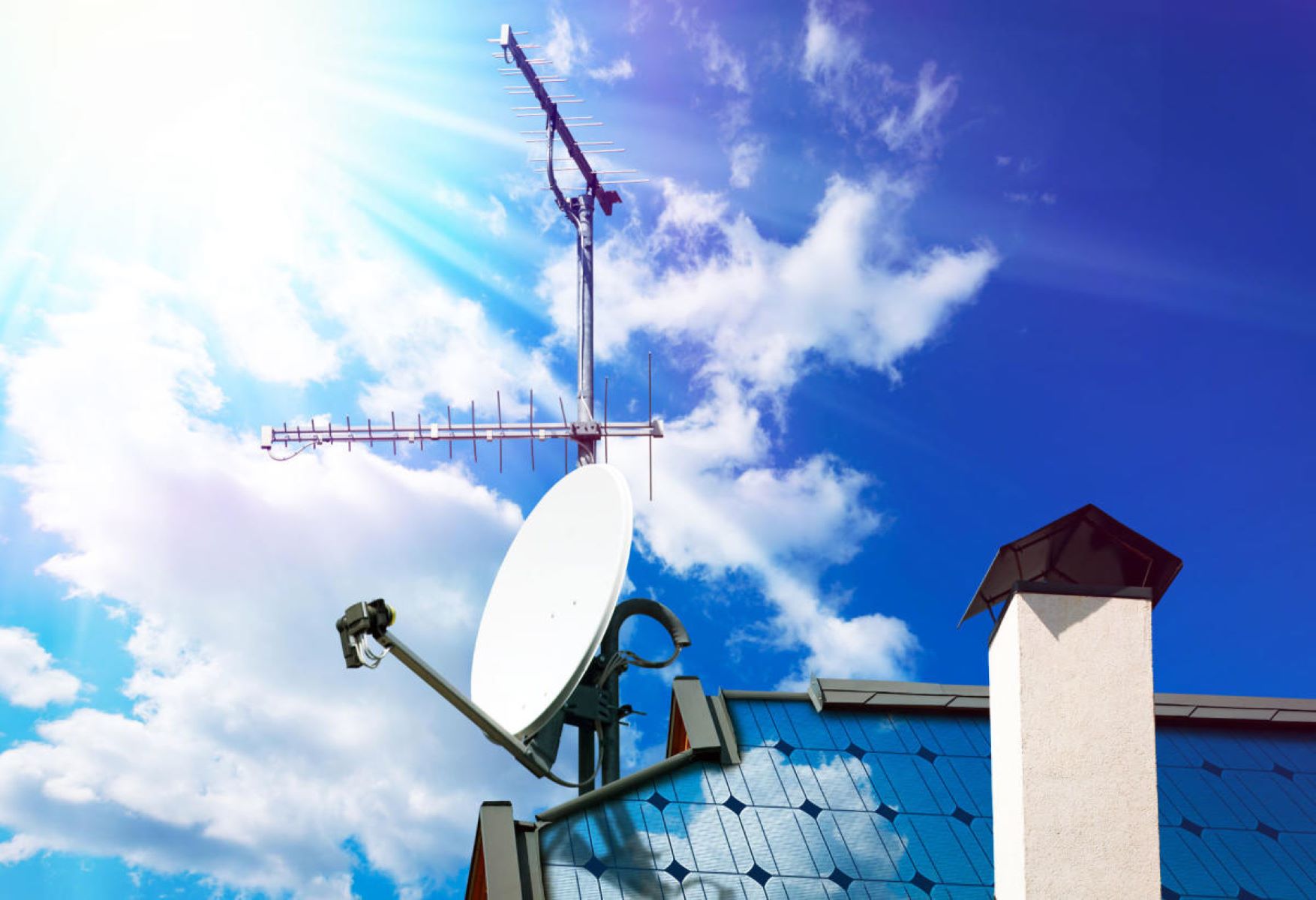
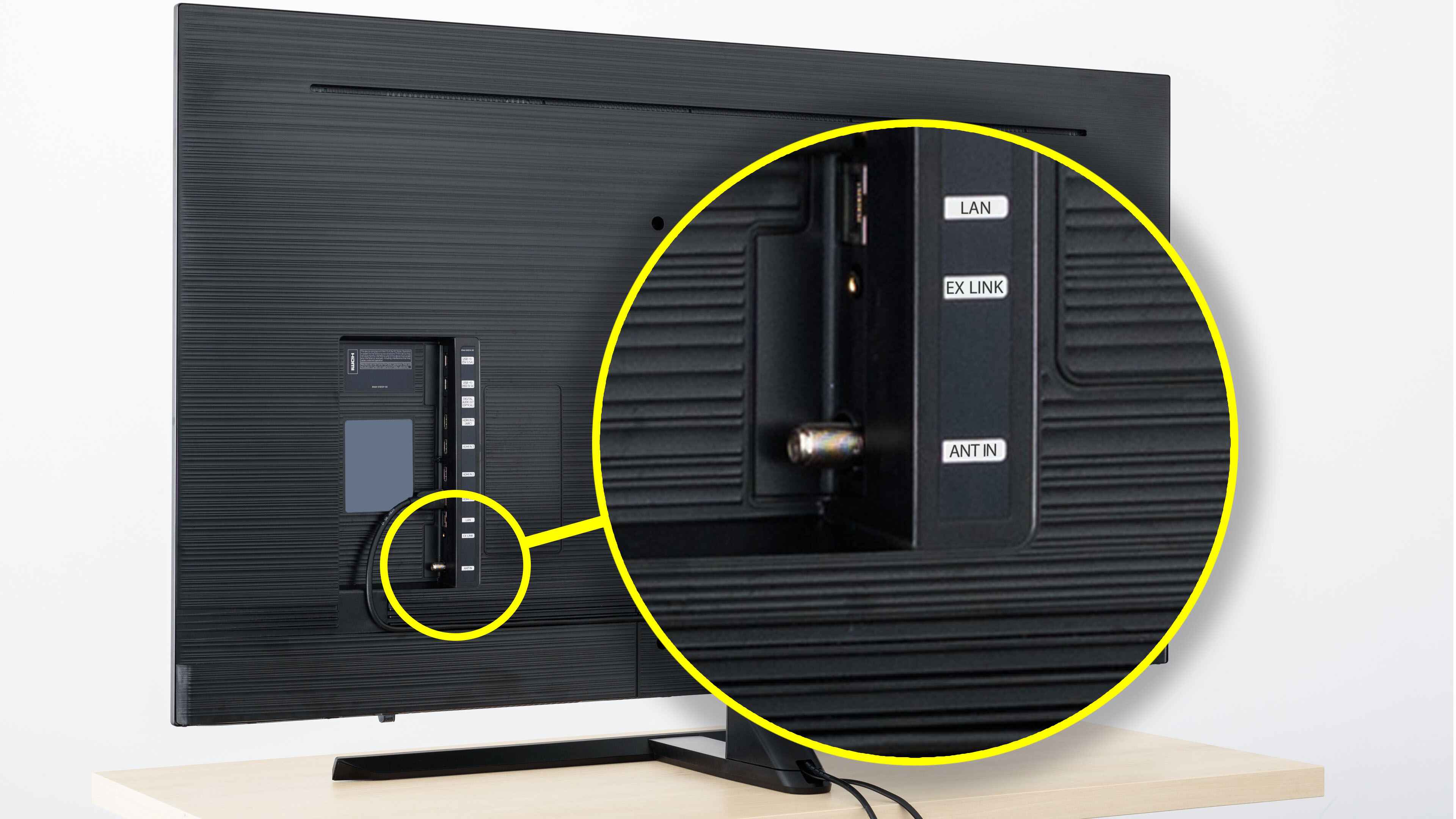
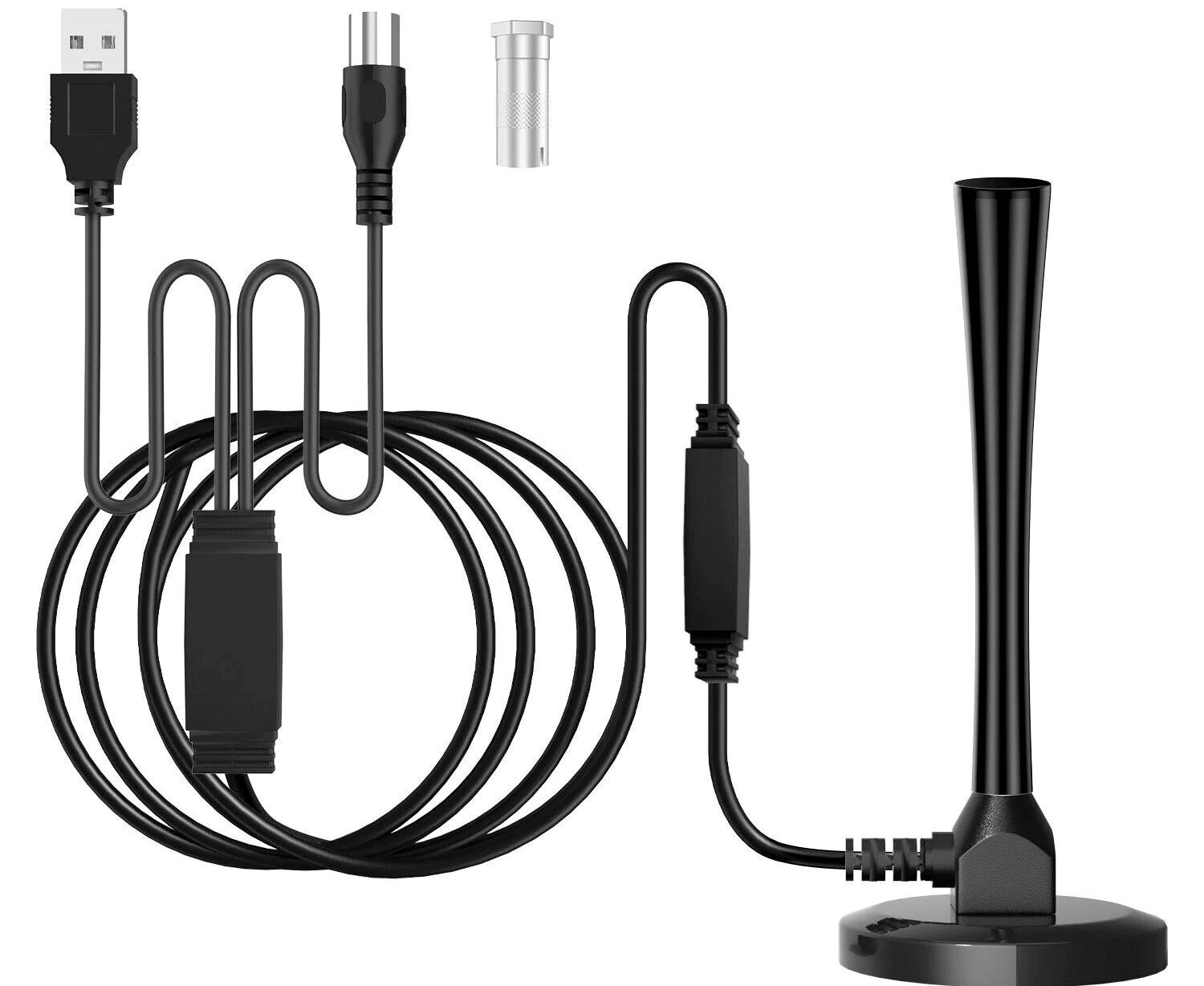
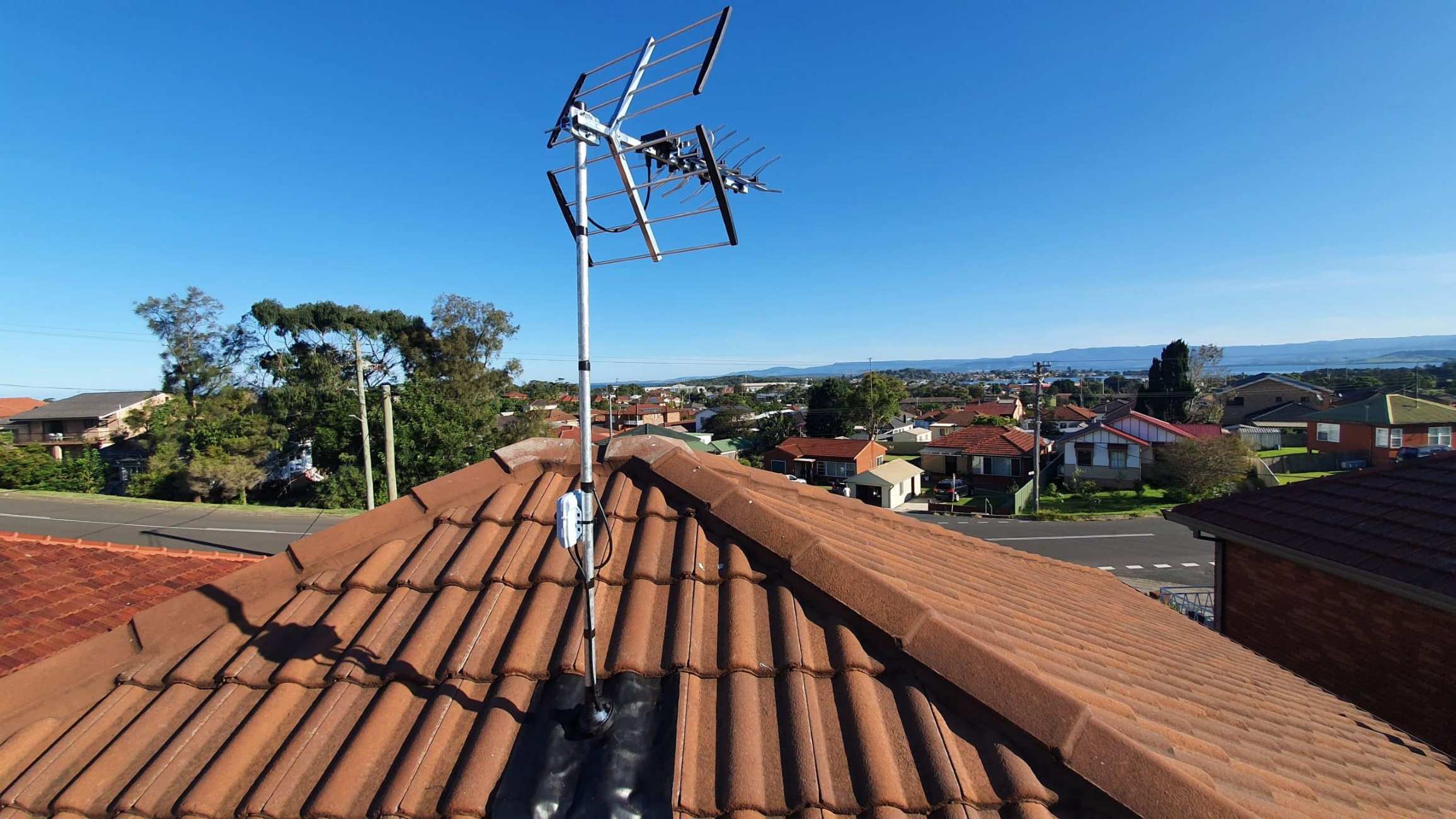
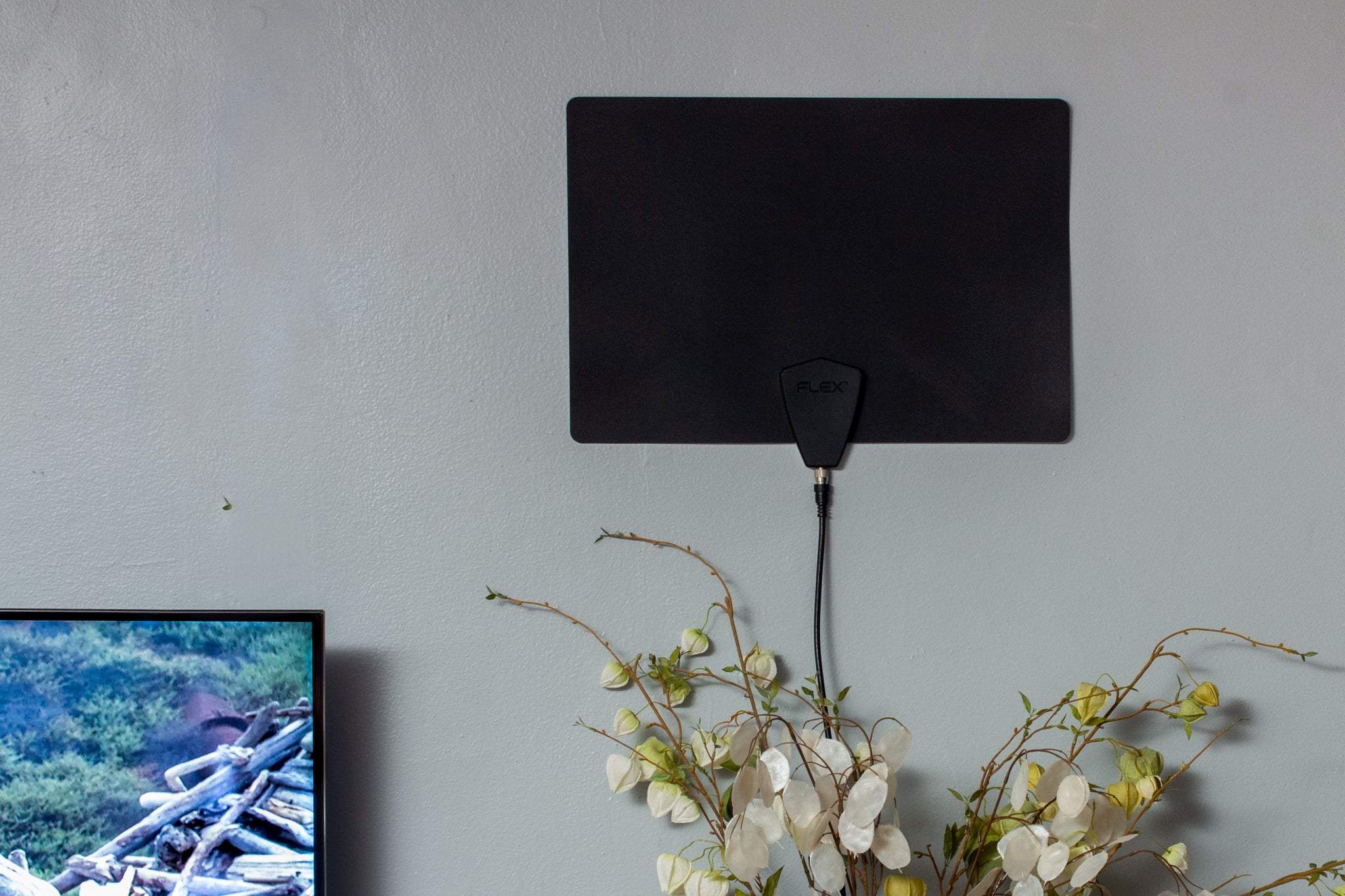
To reuse the cable, start at the dish end. Locate the coaxial cable that enters the satellite dish’s LNB. Unscrew the cable connector from the LNB. Do not cut the cable unless it is damaged. Then, remove any inline components between that dish end and your TV. Common culprits are a power inserter box, a multiswitch mounted near the dish or in an attic, and any satellite-specific splitters. Once those are gone, you have a continuous run of RG-6 from the dish location to your wall plate. Connect that cable directly to your new over-the-air antenna. If your antenna needs power, use a separate power inserter designed for TV antennas. Do not use the satellite one. Finally, at the TV end, connect the wall plate to your TV’s antenna input. If you need to convert a TV antenna to HDMI, that requires an external tuner box because most modern TVs have a built-in ATSC tuner. Just select “Antenna” or “Air” in the source menu. For specific TV models, such as how to connect an antenna to a Samsung QLED TV, consult your TV's manual for the correct menu path to run the auto-program scan after you have cleared the satellite components. The process requires only a wrench or screwdriver to disconnect the dish hardware.