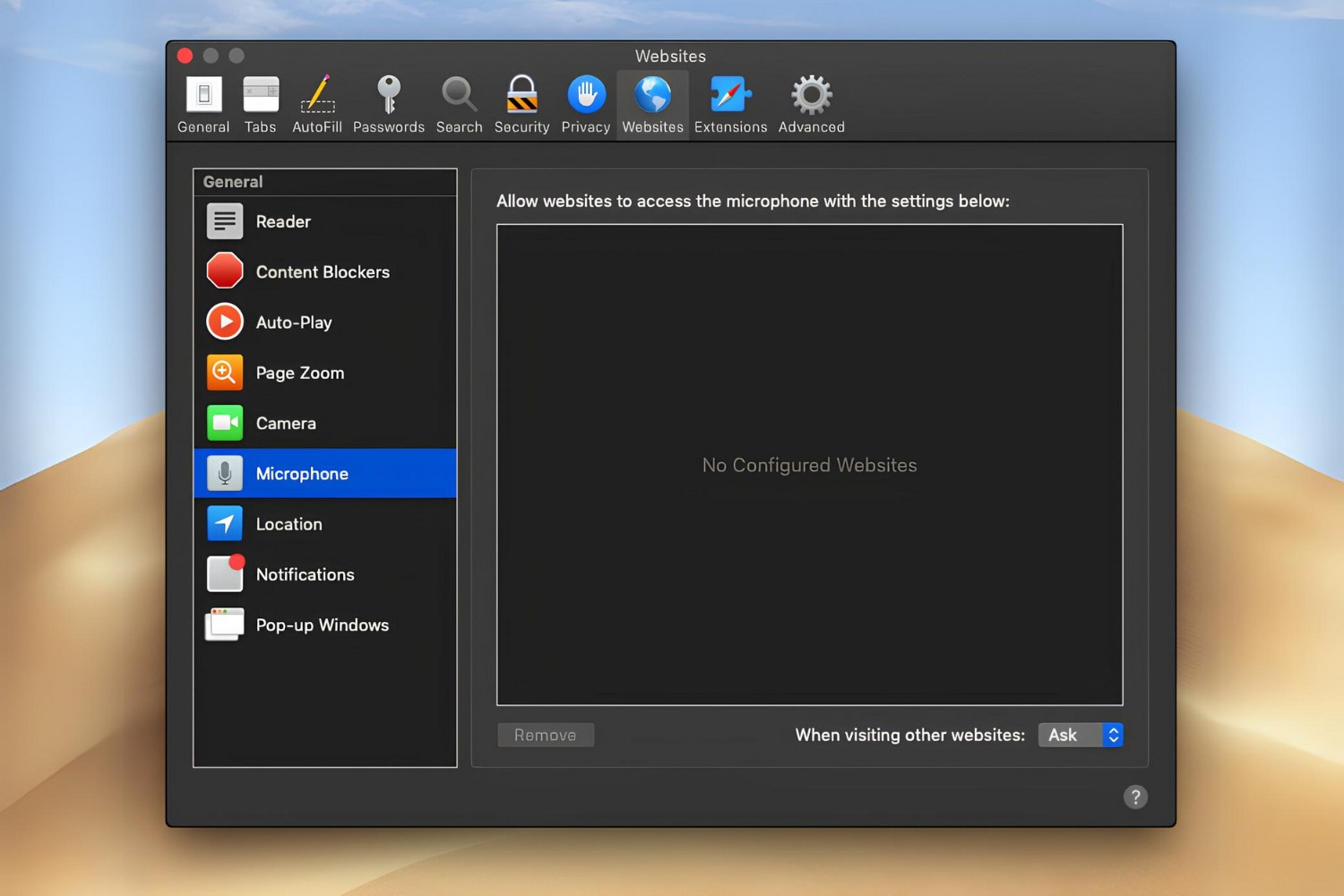
To allow Safari to access your microphone, open Safari and go to the Websites tab in its settings, then select Microphone and choose Allow for the sites you trust. This works for both Mac and iOS, though the exact steps differ slightly between them.
How to allow Safari to access your microphone on Mac
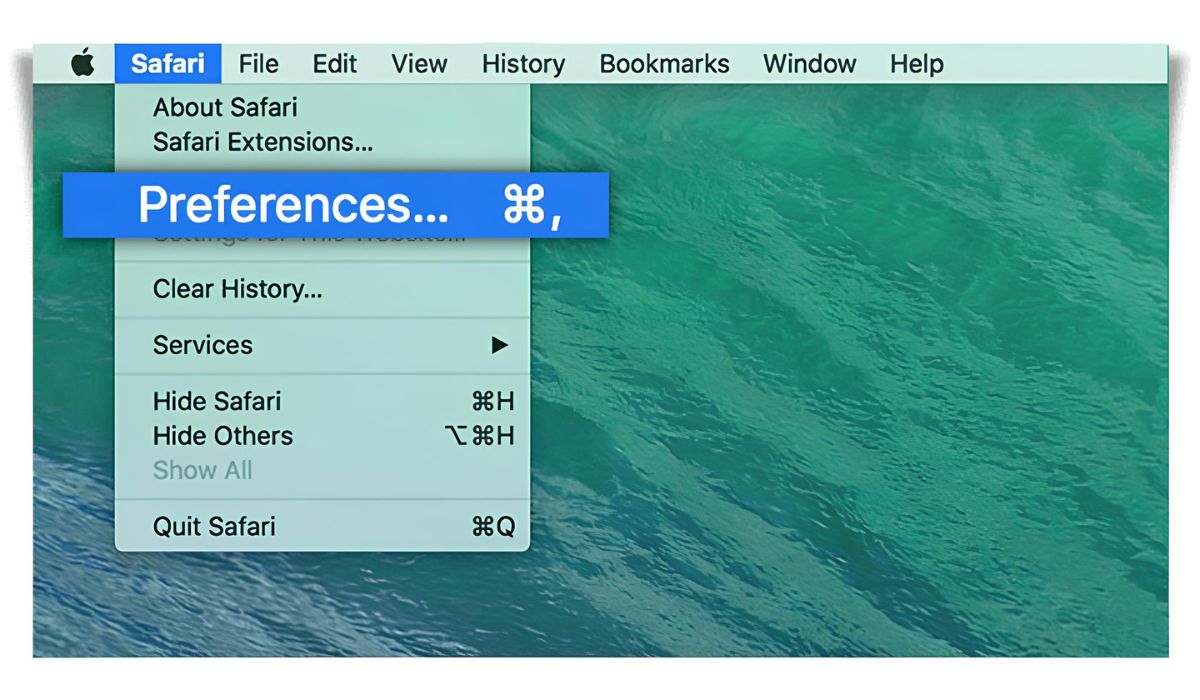
On macOS, you manage Safari's microphone permissions directly inside the browser. Start by opening Safari, then click "Safari" in the top menu bar and select "Settings" (or "Preferences" on older macOS versions). This opens the Safari settings window.
- Click the "Websites" tab at the top of the settings window.
- In the left sidebar, click "Microphone".
- Find the website you want to grant access to in the list on the right.
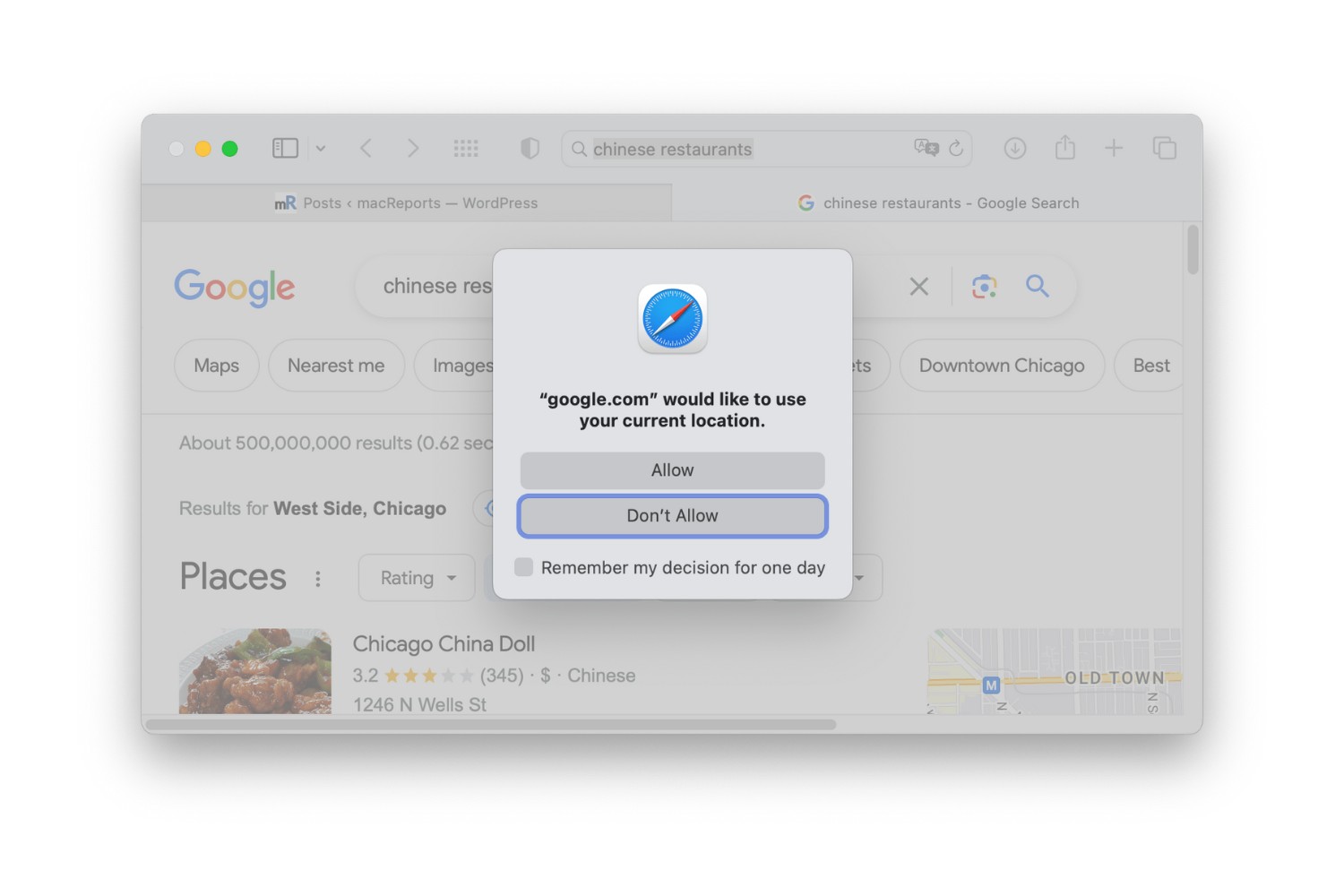
- Click the dropdown menu next to that website and select "Allow" to let it use your microphone, or "Ask" if you prefer to be prompted each time.
You can also set a default for all other websites at the bottom of the same screen. Choosing "Ask" is a safe middle ground, it lets you decide in the moment, while "Deny" blocks all sites from using your microphone unless you explicitly change it per site.
How to allow microphone access for Safari on iPhone and iPad
On iOS and iPadOS, the process moves to the system Settings app rather than the browser itself. This is where Safari's global microphone permission lives, so you'll want to adjust it there before visiting a site that needs your mic.
- Open the Settings app on your iPhone or iPad.
- Scroll down and tap "Safari" in the list of apps.
- Under the "SETTINGS FOR WEBSITES" section, tap "Microphone" (or "Camera & Microphone Access" on older iOS versions).
- Choose "Ask", "Deny", or "Allow" as the default setting for websites.
Selecting "Ask" means Safari will prompt you each time a site wants your microphone, which is a good default for privacy. "Allow" grants access automatically to every site, while "Deny" blocks all requests until you change it back.
How to manage microphone permissions for a specific website on iPhone
If you want to give one particular site different treatment from your default setting, you can set a per-site exception right from the address bar. This is handy when, for example, you set a global "Deny" but want to allow your favorite video conferencing site.
- Open the website in the Safari app on your iPhone or iPad.
- Tap the "AA" icon (Page Menu button) in the address bar.
- Tap "Website Settings" from the dropdown menu.
- Under the Microphone section, choose "Ask", "Deny", or "Allow" for that specific site.
This overrides the default you set in the main Safari settings for that site only. The change applies immediately, and you can revisit this menu anytime to adjust it again.
Safari still can't access your microphone? Check your Mac system settings
If you've set Safari to allow microphone access but it still isn't working, the issue may be at the operating system level. macOS has its own privacy guard that can block Safari even if the browser settings are correct, so you'll need to check that next.
- Open "System Settings" (or "System Preferences" on older macOS versions).
- Go to "Privacy & Security", then click "Microphone".
- Ensure that "Safari" is toggled ON (checked) in the list of applications allowed to access the microphone.
If the toggle is already on, try turning it off and on again to refresh the permission. After making changes, refresh the webpage or quit and reopen Safari for the changes to take effect. On iOS, you can also check the same privacy section in Settings > Privacy & Security > Microphone to confirm Safari is listed there, though the main Safari settings usually cover it.