On a Mac, Safari Preferences live in the Safari menu as “Settings” (formerly “Preferences”), and on an iPhone or iPad they are inside the system Settings app under “Safari.” To find Safari Preferences on any Apple device, open Safari on a Mac and go to Safari > Settings, or on an iPhone/iPad open the Settings app and tap Safari. You can also stop Google from asking to sign in on Safari by adjusting site-specific permissions here, or turn off safe search on Safari if you need unrestricted search results.
How to access Safari preferences on a Mac
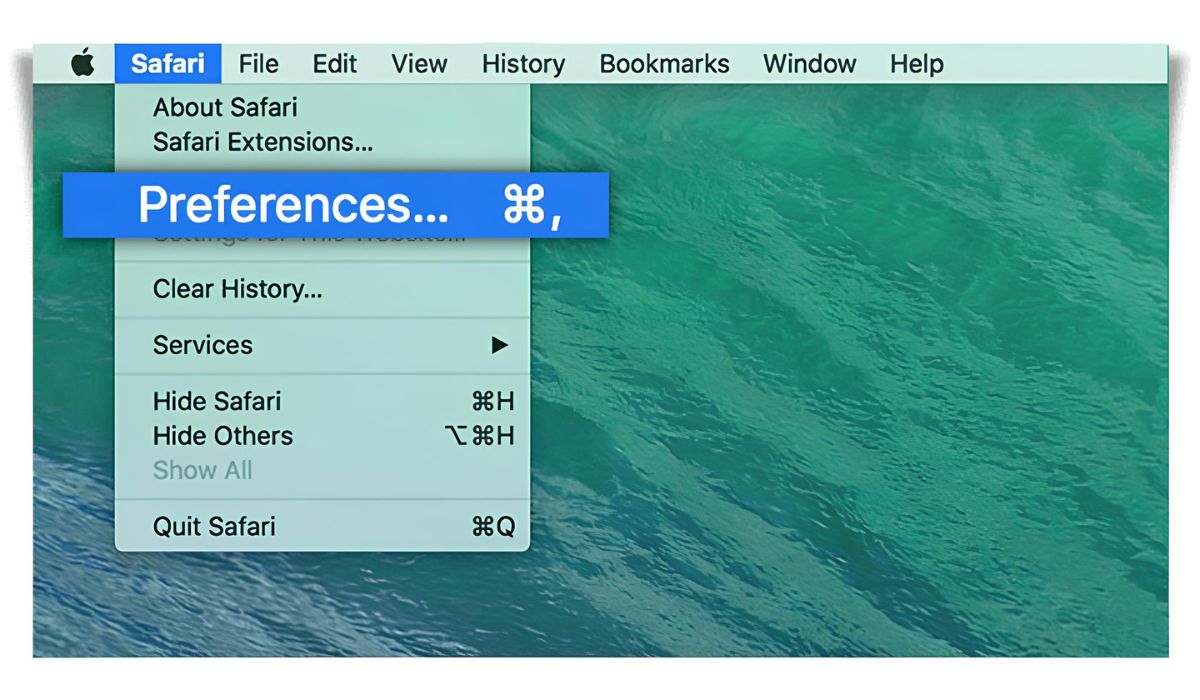
Open the Safari app on your Mac. Look at the top of your screen for the menu bar, which appears as a thin strip with the Apple logo and app names. Click the word “Safari” next to the Apple logo. A dropdown menu will appear; select “Settings.” This opens a window with all the Safari controls.
You can also press Command + Comma (,) while Safari is open to jump straight to the Settings window. This keyboard shortcut works in most Mac apps and is the fastest way to reach Safari Preferences once the browser is running.
Note that in recent macOS versions, Apple renamed the menu item from “Preferences” to “Settings.” If you are on an older macOS release, you will see “Preferences” instead, the steps are identical, and the window that opens is the same.
Accessing Safari settings on iPhone or iPad
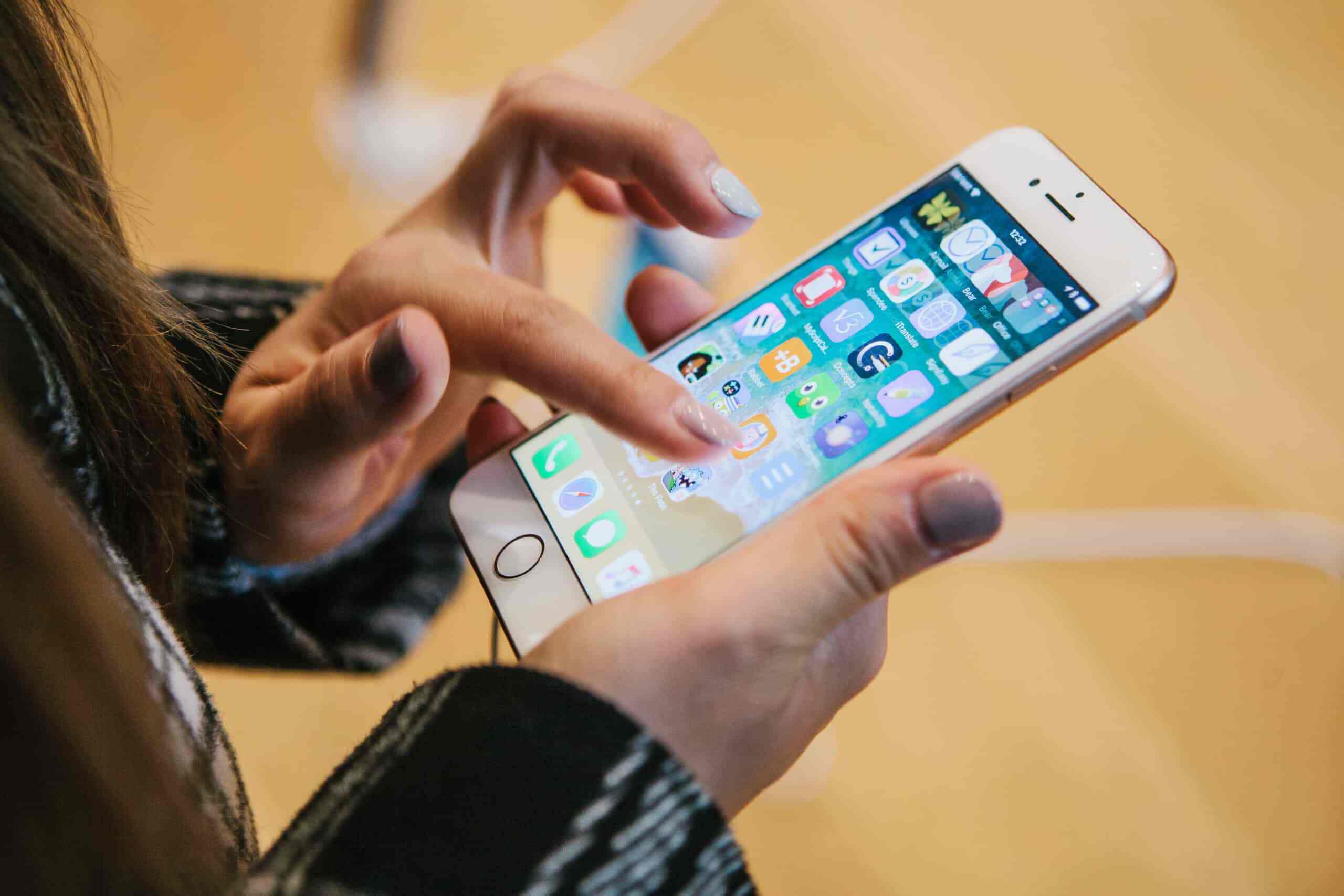
On an iPhone or iPad, Safari Preferences are not found inside the Safari browser itself. Instead, you must go to the system Settings app. Tap the gray gear icon on your home screen to open Settings. Scroll down the list of apps until you see “Safari,” then tap it. This opens a dedicated page with all the Safari controls for your device.
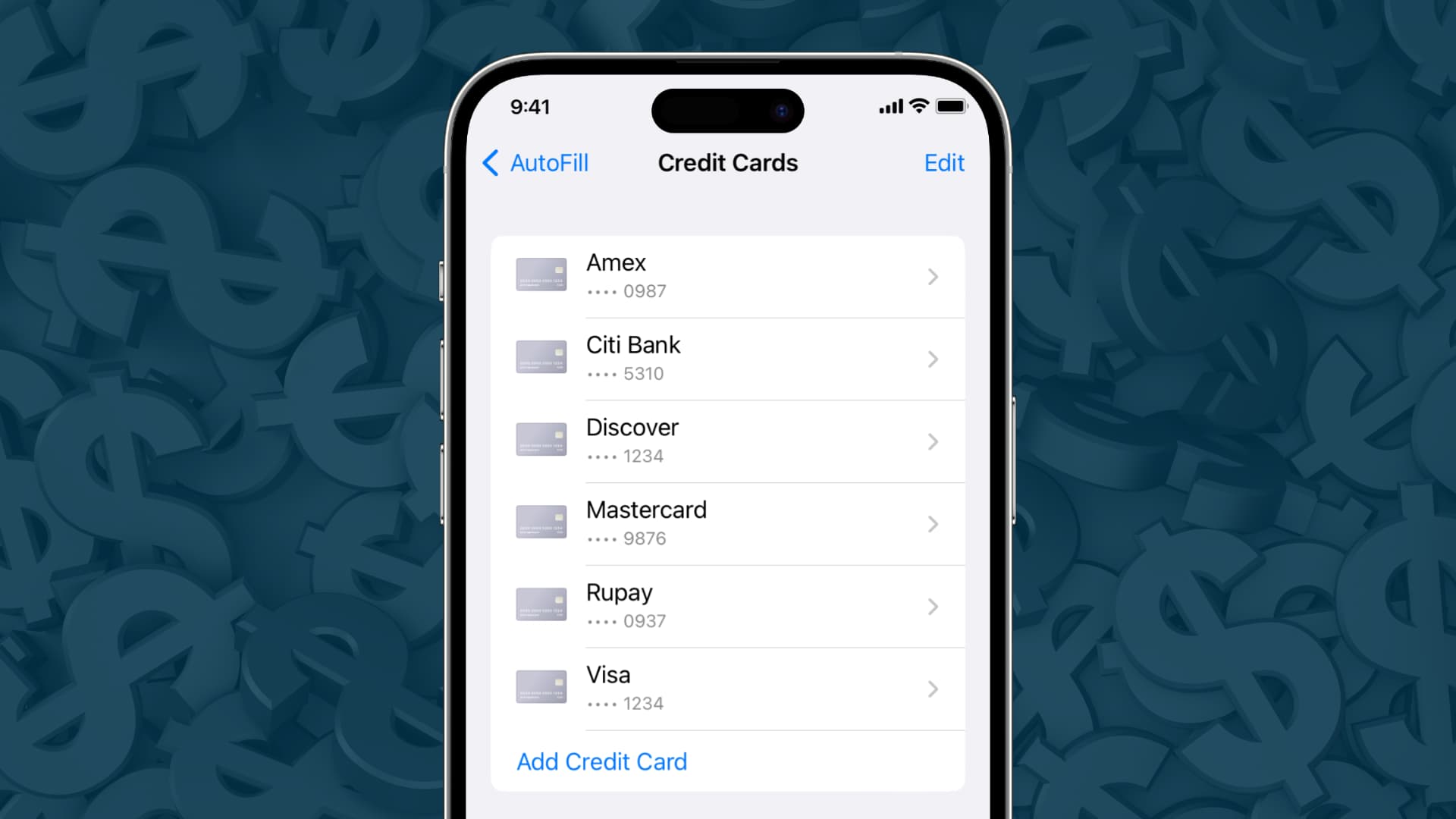
This page includes options for search engine, autofill, privacy, camera and microphone permissions, content blockers, and more. Because it lives in the system Settings, you can change these preferences without launching Safari, just open Settings, tap Safari, and adjust what you need.
A note for Windows and older Mac users
Apple no longer supports Safari on Windows, so if you are on a PC, there is no Safari Preferences location to find, you will need to use a different web browser. On older macOS versions, the menu item is still labeled “Preferences” rather than “Settings,” but the process is exactly the same: open Safari, click Safari in the menu bar, and choose Preferences (or press Command + Comma).
Customizing your Safari experience
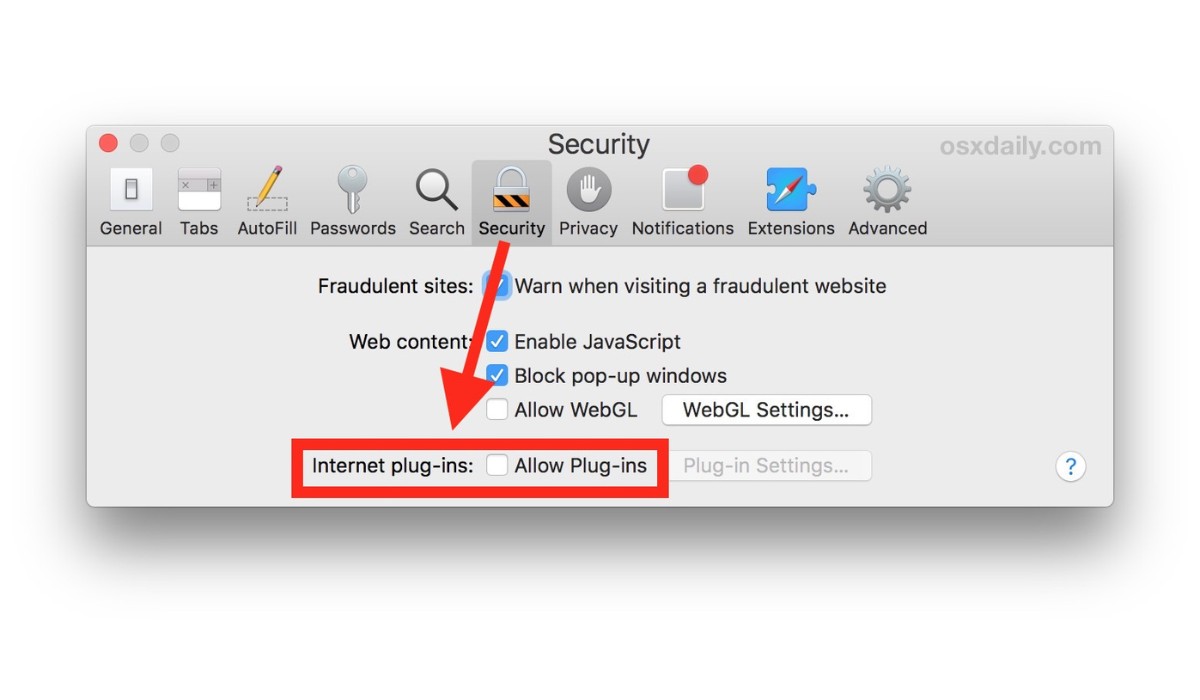
Once you open Safari Settings on a Mac, you will see several panes at the top of the window. The “General” pane lets you set your homepage, choose what appears when opening new windows or tabs, manage browsing history, and pick a download location. The “Tabs” pane controls how tabs behave, for example, whether links open in new tabs or in the background.
The “Security” and “Privacy” panes handle anti-tracking, pop-up blocking, and fraud protection. The “Websites” pane is where you manage per-site permissions, such as blocking ads, preventing videos from auto-playing, or blocking pop-ups on specific sites. Here you can also control access to your camera, microphone, and location on a site-by-site basis.
“Extensions” lets you install and manage add-ons that change how Safari works, while “Advanced” offers deeper options like showing the Develop menu, displaying the full website address, and setting a default zoom level. On iPhone and iPad, the Safari settings page includes similar categories, privacy, security, content blockers, and website permissions, though they are arranged as a single scrolling list rather than separate panes.
Syncing Safari settings across your Apple devices
If you are signed into iCloud with the same Apple Account and have iCloud enabled for Safari, some of your Safari Preferences will sync between your Mac, iPhone, and iPad. For example, Reader view settings and Content Blockers can be shared across devices. Page Zoom settings sync only between a Mac and an iPad. However, privacy-sensitive permissions, like camera and microphone access, do not sync between devices, so you will need to grant those separately on each device.
This syncing is automatic and requires no extra steps beyond signing in with the same Apple Account and turning on iCloud for Safari in each device’s settings. If you ever want to use Safari on Android, you cannot, Apple has not made Safari available for Android, and the browser is exclusive to Apple operating systems.