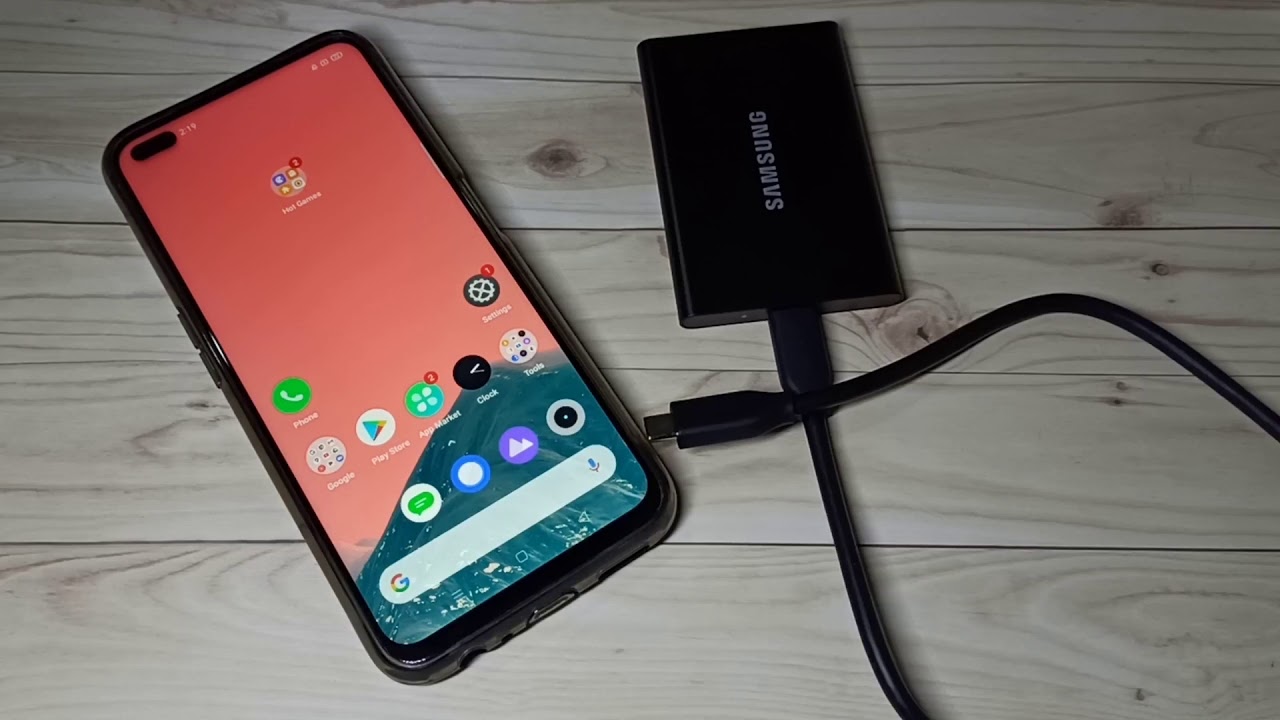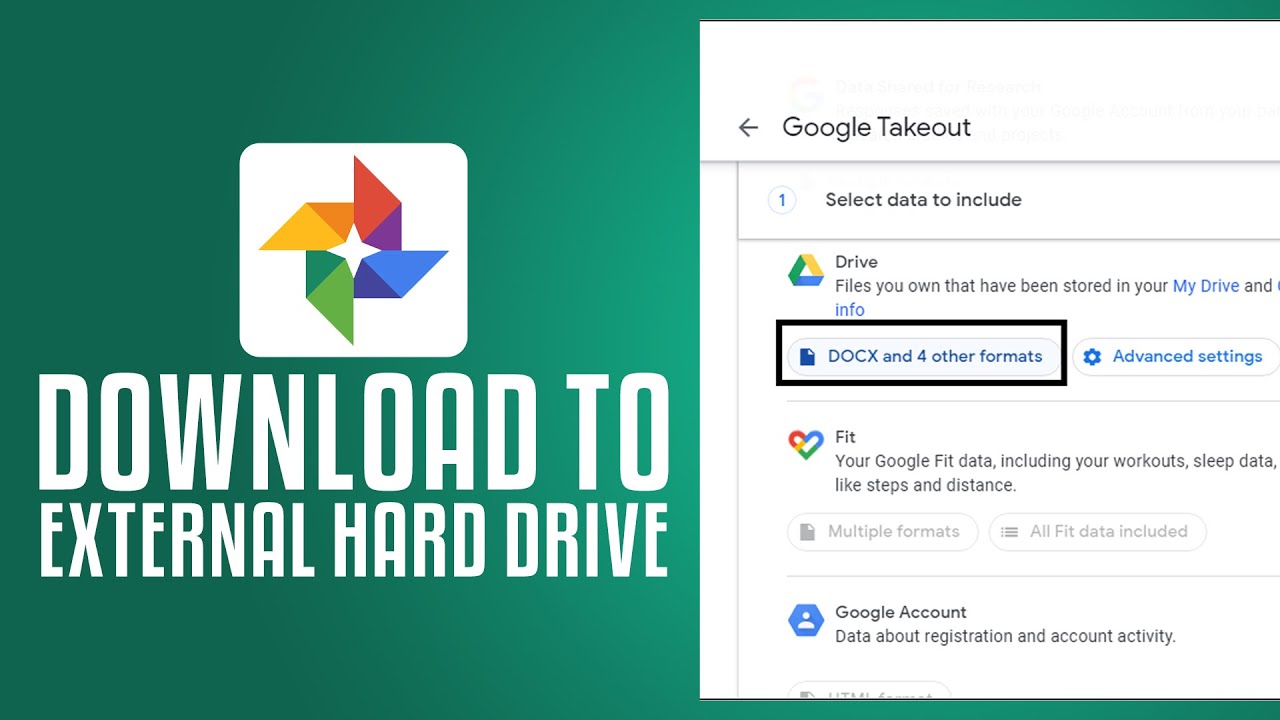
The only built-in method to download all photos from Google Photos to an external hard drive in one bulk operation is Google Takeout, which lets you export your entire library or a large custom selection.
Why download all photos from Google Photos to an external hard drive?
You want a complete, local backup that isn’t tied to cloud storage, so your memories survive account issues, service changes, or accidental deletions. Downloading everything to an external hard drive also frees up your Google account storage quota, especially if you’ve hit the cap with high-resolution or original-quality files. And once the files are on a physical drive, you have offline access anywhere, without needing an internet connection or a Google account.
The catch is that Google Photos has no single “download all” button in its interface. For a full library or a large multi-album export, Google Takeout is the required tool. It packages your photos into downloadable zip files, which you then move to your external hard drive.
Start your bulk export with Google Takeout
Open your browser and go to takeout.google.com, then sign in with the Google account that holds the photos you want to back up. Once you’re in, you’ll see a long list of Google services, each with a checkbox. Click “Deselect all” at the top to clear every service, then scroll down and check only the box next to Google Photos. This step is essential, if you leave other services selected, Takeout will waste time and storage packing your Gmail, Drive, or Calendar data into the same export.
After you’ve selected only Google Photos, scroll to the bottom and click “Next step.” You’re now on the export configuration screen, where you’ll make the choices that determine how your photos are packaged and where they’ll be delivered.
Select the albums you want (or export everything)
By default, Takeout includes every photo and video in your Google Photos library. But if you only want a subset, say, a few specific albums or a date range, you can narrow it down. Look for the button labeled “All photo albums included.” Click it to open a list of every album in your account. From there, you can deselect individual albums by unchecking the boxes next to their names. If you want the entire library, leave the button as is and don’t touch anything.
Takeout has no such cap, it will process your entire collection, or every album you’ve chosen, in one pass. Just be aware that if you deselect albums, any photos that live outside those albums (like items in “From conversations” or “Archive”) won’t be included unless you explicitly select them.
Choose your export format, frequency, and destination
On the same configuration screen, you’ll set three key options. First, choose the file format: .zip is the standard choice, and it works on both Windows and Mac without extra software. (The .tgz option is for Unix-like systems and offers no advantage for a typical external drive backup.) Second, set the export frequency to “Once” unless you want Google to automatically create new exports on a recurring schedule, a one-time export is what you need for a single backup session.
Third, and most critically, set the destination. You’ll see a field labeled “Delivery method” or “Destination.” Click it and select “Send download link via email” or “Add to Drive,” depending on what’s available. If you choose “Add to Drive,” the export will be saved to your Google Drive, and you’ll need to download it from there to your computer. The better option for this task is to select your external hard drive directly as the destination. If your drive is connected and recognized by your computer, it will appear in the list of available locations. Click it to set it as the target, then click “Create export.”
Make sure your external drive has enough free space before you start. The export size depends on how many photos you have and whether they’re stored in original quality or “storage saver” quality. A full library can easily run into tens of gigabytes, so check the drive’s capacity and clear space if needed.
Understand what actually gets exported
Your export won’t be a simple folder of photo files. Takeout separates metadata, like capture date, GPS location, and descriptions, into individual .json files, one for each photo. These .json files sit alongside the image files in the export, and they’re essential if you ever want to restore the photos to another service with their original timestamps and locations. Don’t delete them.
Also, be aware that edited photos are exported twice: once as the edited version you see in Google Photos, and once as the original, unedited file. This doubles the storage footprint for any photo you’ve edited, so factor that into your drive’s capacity. Finally, photos that were shared with you and added to your library will not be included in the export unless you explicitly save them to your own library before starting the Takeout process. To do that, open the shared album in Google Photos, select the photos, and choose “Save to library” before you begin the export.
Download and move the zip files to your external hard drive
Google will email you when your export is ready, and the time it takes depends on the size of your library, it can range from minutes to several hours. When the email arrives, click the download link and save the zip files to your computer. Takeout often splits large exports into multiple zip files, each a few gigabytes, so you may receive several download links. Download them all.
Once the zips are on your computer, extract them directly onto your external hard drive. On Windows, right-click each zip and choose “Extract all,” then select your external drive as the destination. On Mac, double-click the zip to unzip it, then drag the resulting folder to your external drive. After extraction, you can delete the zip files from your computer to reclaim space, the extracted folders are your actual backup. Verify that the folders contain both the image files and the .json metadata files before you delete the zips.
If your library is large and you’re short on internal storage, you can also download the zips directly to the external drive by changing your browser’s download location to the drive itself, then extract them in place. Just ensure the drive has enough room for both the zips and the extracted folders during the process.
Keep your photos organized after the backup
Once the extraction is complete and you’ve confirmed the files are on your external drive, safely eject the drive from your computer. On Windows, click the “Safely Remove Hardware” icon in the system tray; on Mac, drag the drive icon to the Trash. This prevents data corruption. If you want to sort your library before or after export, use the steps in the guide on how to organize Google photos to create albums, add descriptions, or clean up duplicates, doing this before you export means your Takeout files will arrive already structured. Your external drive now holds a complete, offline copy of your Google Photos library, ready for safekeeping or migration to another service.