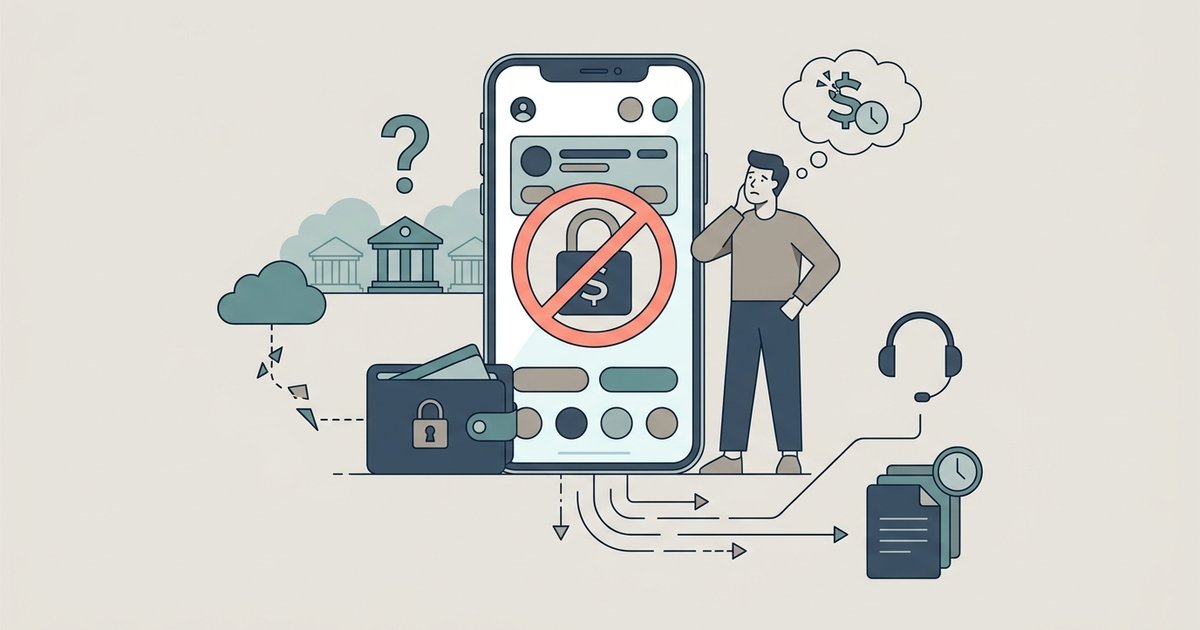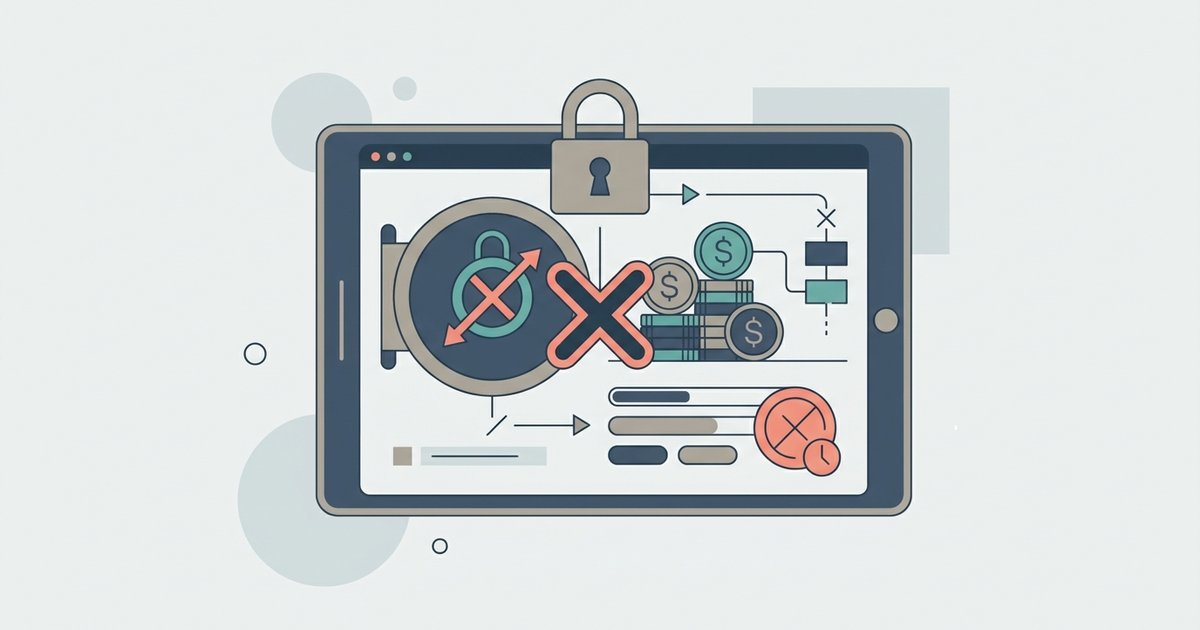
Your stablecoins immediately become illiquid and are no longer in your control; they are reclassified as unsecured claims in a bankruptcy estate, meaning you become a creditor who likely waits years for a partial, dollarized payout rather than receiving your original tokens back.
Your assets become a bankruptcy claim after a stablecoin withdrawal freeze
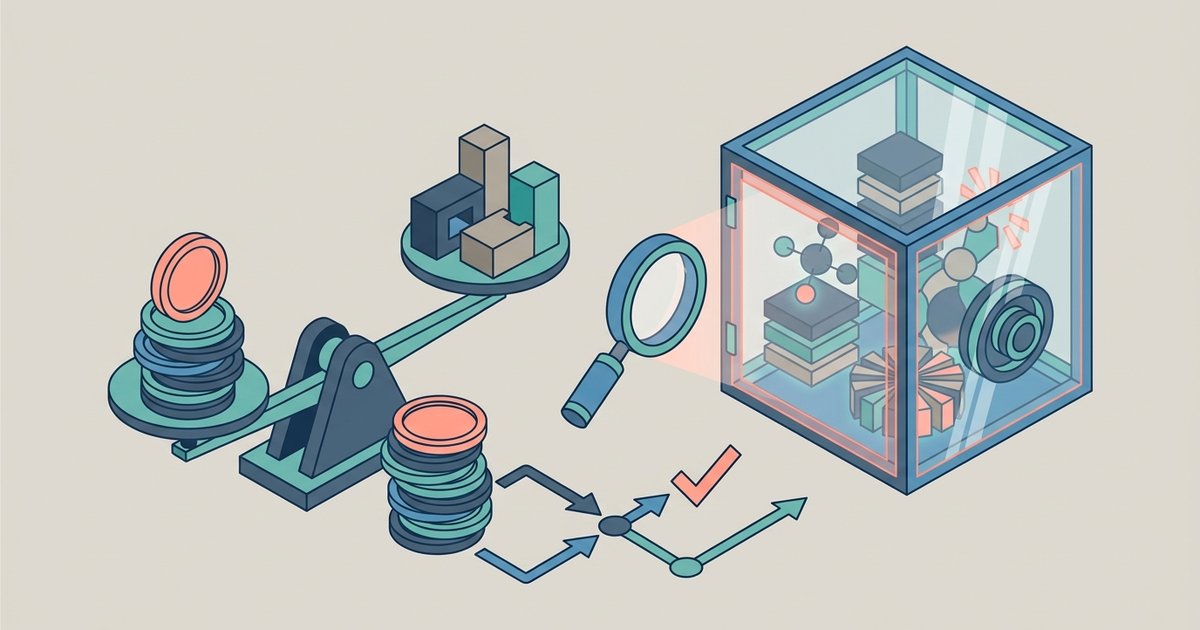
Do not assume your USDC sits in a segregated vault waiting for you. When a platform like Celsius or BlockFi freezes withdrawals, its terms of service almost always grant it the right to rehypothecate, lend, or stake your coins. In bankruptcy, those tokens are treated as property of the estate. They are not your property. The court appoints a trustee who lists every user’s balance as a general unsecured claim. You stand behind secured creditors like institutional lenders and administrative claimants such as lawyers and accountants. FDIC insurance does not apply to stablecoins held on these platforms. Stablecoins are not deposits in a federally insured bank. They are digital assets held by a private company, and the FDIC explicitly excludes crypto custodians from its coverage. You cannot demand your original USDC back. You can only file a proof of claim for the dollar value of your balance on the petition date.
This is the distinctive risk of custodial yield platforms: your stablecoins are reclassified from property you control into an unsecured IOU the moment a bankruptcy petition is filed, a transformation no bank depositor faces.
The painful reality of recovery timelines and haircuts
Expect to wait 2-5 years for any distribution. The bankruptcy process requires months of claims adjudication, asset tracing, and litigation against third parties who borrowed or misused the stablecoins. Legal fees, often tens of millions of dollars, are paid from the estate before any creditor receives a penny. That shrinks the pool further. When a payout finally arrives, it is almost never your full balance. In the Celsius case, retail users received roughly 60-70% of their claim in a mix of cash and new company stock, not USDC. The dollar value of your claim is frozen at the petition date. Any yield you earned after the freeze or any appreciation in the stablecoin’s value is erased. If you had 10,000 USDC on the day withdrawals stopped, you get a claim for $10,000, no more. This haircut is standard. BlockFi creditors received a partial recovery that varied by creditor class and plan terms. Voyager users received a partial recovery that varied based on claim type and plan structure. To avoid platforms with the riskiest rehypothecation models, compare stablecoin yield rates across platforms safely before depositing.
When you might get nothing at all
Plan for the possibility of total loss. In the worst case, the platform rehypothecated your stablecoins into worthless DeFi protocols or outright fraud, leaving no distributable assets. For example, the platform may have used your USDC to bet on "stablecoin staking" strategies that collapsed, such as depositing into Terra’s Anchor Protocol. The crash of that ecosystem can vaporize the principal. If a platform like FTX’s sister firm Alameda Research misappropriated stablecoins for margin trading, the bankruptcy estate may show a massive shortfall with recovery rates near zero. The term "stable" in stablecoin refers to the token’s peg, not the solvency of the counterparty holding it. Even if USDC never loses its peg, the platform can still go bankrupt. A scenario like "a stablecoin losing its peg" is a separate risk. Here the token remains at $1, but the platform simply has no money to return to you. Some platforms attempt to "create stablecoin" as internal IOUs or yield-bearing tokens like Celsius’s CEL or BlockFi’s BIA. These are not redeemable for USDC once the freeze hits. If you need to "move btc to stablecoin on coinbase" and then deposit into a yield platform, you are swapping a volatile but self-custodied asset for a supposedly stable but custodial liability. When the platform fails, that liability may be worth zero. You can proactively check if a stablecoin yield platform is solvent to spot the kind of rehypothecation risks that lead to total loss. The only recovery in such cases is a tax write-off for a worthless security, not a cash distribution.