Before you lock your card
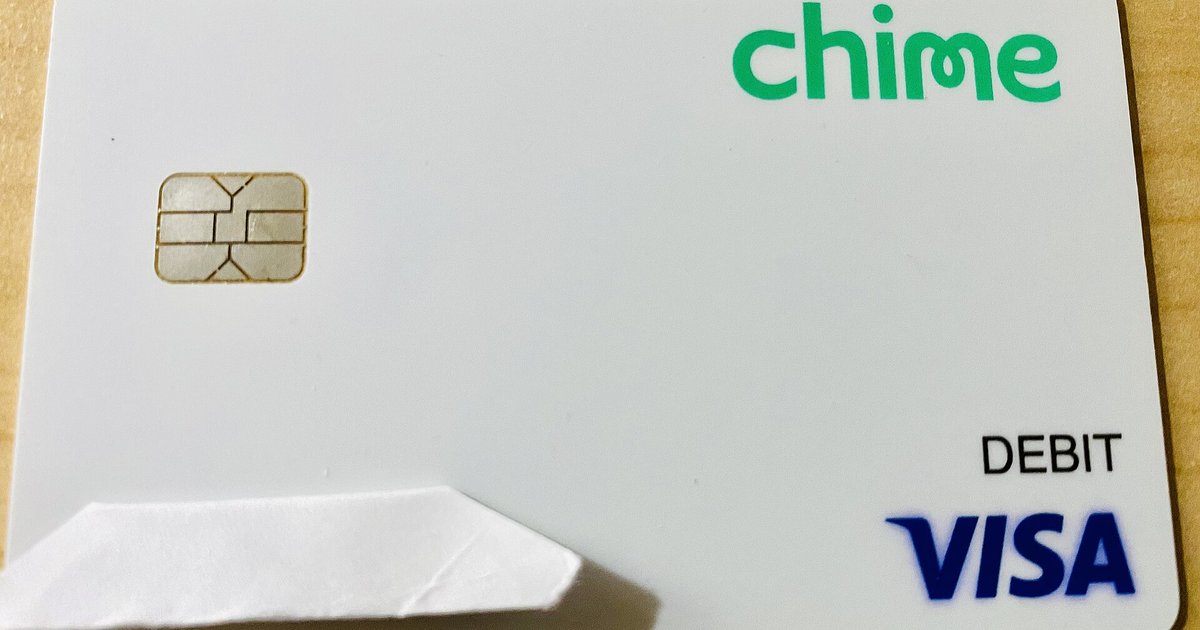
When you lock Chime card, you block most new purchases, but it helps to know exactly what you're turning off and what stays on. Locking your Chime card does not affect transactions that are already in progress. That means if you just bought gas at the pump or ordered dinner through a delivery app, that charge can still post even after you lock the card. For a clear breakdown of this timing, it's worth understanding the difference between locking your Chime card and pending transactions: a pending authorization will clear as usual, so you won't stop it by locking the card afterward. You should also check the Chime card lock duration before auto-unlock, because the freeze isn't permanent by default. It will remain locked until you manually reverse it. A common surprise is that you can still use my Chime card with Apple Pay or Google Pay when it's locked; the block may not stop the digital token stored in your phone's wallet. This behavior is built into how the Chime card functionality works, so if you rely on mobile payments, activating the lock may not stop those transactions from going through. The daily spending and withdrawal limits on this product, which currently range up to several thousand dollars for purchases and a few hundred dollars for ATM cash, are set by Chime and can shift. Always confirm the current caps inside the Chime app or on Chime's official site, because the numbers you see quoted today may not match tomorrow's policy.
Managing your card basics
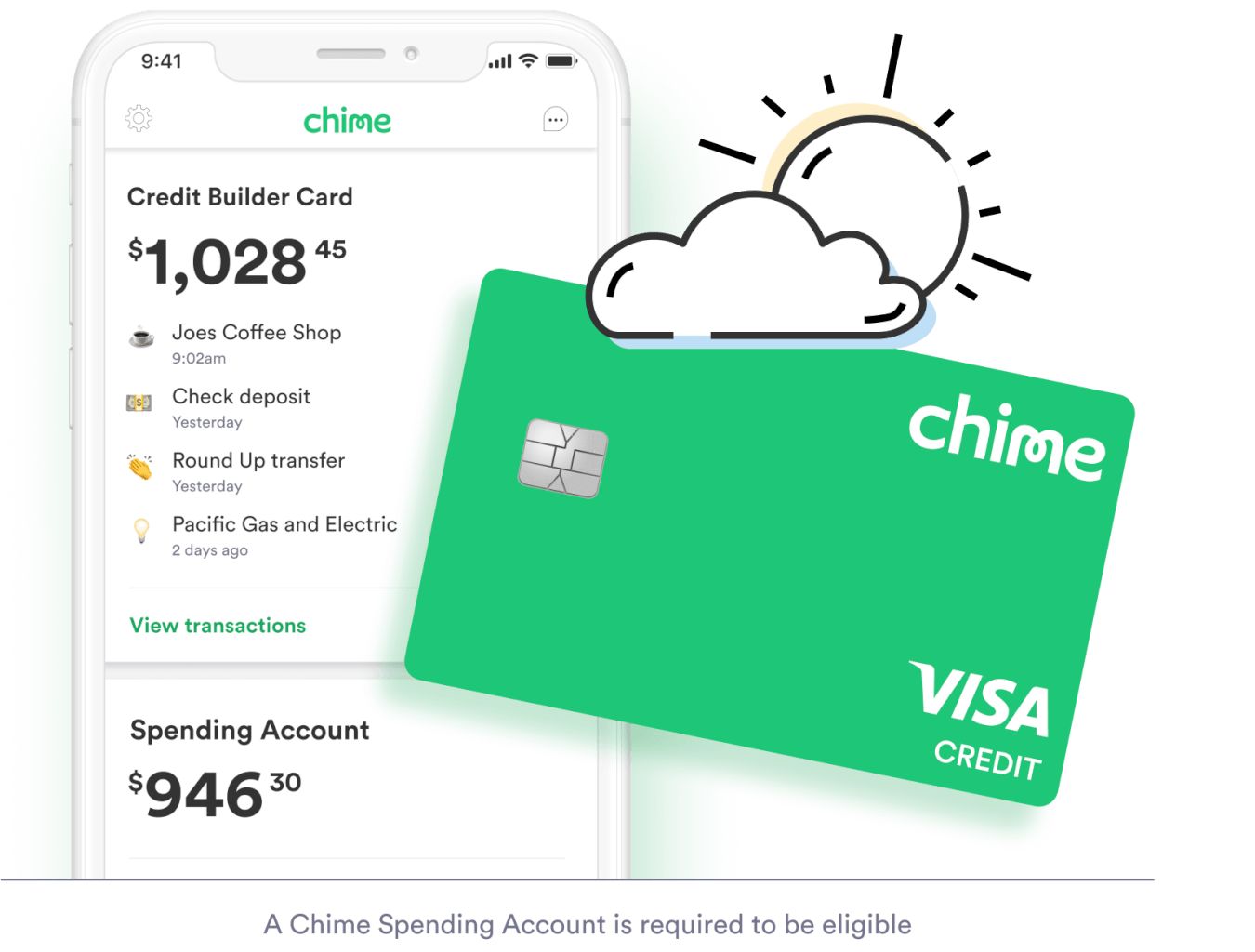
Before you freeze your card, it helps to know a few basics about your profile. You can find the account number on Chime Card by opening the app and tapping the card image, it is the long number printed on the front, not the routing number used for direct deposits. If you ever need to update your security, you can change my Chime card pin from the Settings menu in the app; pick a four-digit code you will remember but that is hard for others to guess. Keep in mind that the Chime card age requirement is 18 years old to open a membership in your own name, though a parent or guardian can open a teen plan for someone as young as 13. There is also a practical ceiling on how much you can store: the Chime card maximum balance falls in a band set by Chime, typically around $10,000 for a standard Spending Account, so if you expect to hold more than that, you would need to move funds elsewhere or use a different plan. Current caps for SpotMe, savings, and spending tiers can shift, so check the Fee Schedule inside the app for the exact figure today. These details matter because securing your card does not change your PIN or your balance ceiling, it only stops new transactions (except pending ones).
Adding cash to your card
You can lock your card whether or not you have funds on it. If you are starting from zero, you will need to visit one of the Chime card loading locations that accept cash reloads. Retailers like Walmart, CVS, or Walgreens typically offer this service. At the register, simply hand over your cash and your Chime card. The cashier will add the money to your balance instantly. Not every store participates, so it helps to check the Chime card reload stores in your area before you head out. You can also look up the Chime card reload store options to see which specific chains near you support the service. Most major drugstores and big-box retailers are included. Once the cash is loaded, the balance updates immediately, and you can use the card right away. Keep in mind that securing your card later will block most new purchases. A cash load you just completed is a completed transaction, not a pending one, so it will not be affected by the restriction. If you load money and then freeze the card, the funds will sit safely in your balance until you remove the block.
Taking money out
When your card is locked, you cannot walk up to an ATM and take out cash, so it helps to know where to find fee-free machines for when your card is unlocked. To locate one nearby, you can search for the Chime card cash withdrawal locations by using the in-app ATM finder or checking Chime’s website. This will show you thousands of ATMs that won’t charge you a fee. Before you head out, keep the daily Chime card withdrawal limit in mind. For most members, that cap is set by Chime in the mid-$500s per day, but you can check your exact number in the app’s settings. If you try to take out more than that, the transaction will simply be declined. Also remember that the Chime card withdrawal limit applies across all ATM withdrawals in a single day. If you take out a couple hundred dollars in the morning, you only have the remainder of that Chime-defined band left until midnight. Because securing your card does affect cash withdrawals at an ATM, you cannot access your money via ATM while the card is frozen to block other types of purchases. You should also check the Chime card lock duration before it lifts on its own, because the lock isn’t permanent by default. It will lift after a set period unless you change the setting. Unlike other guides that only cover the toggle, this page confirms that an ATM withdrawal does not bypass the lock, and digital wallet transactions are also blocked.
Sending and receiving money
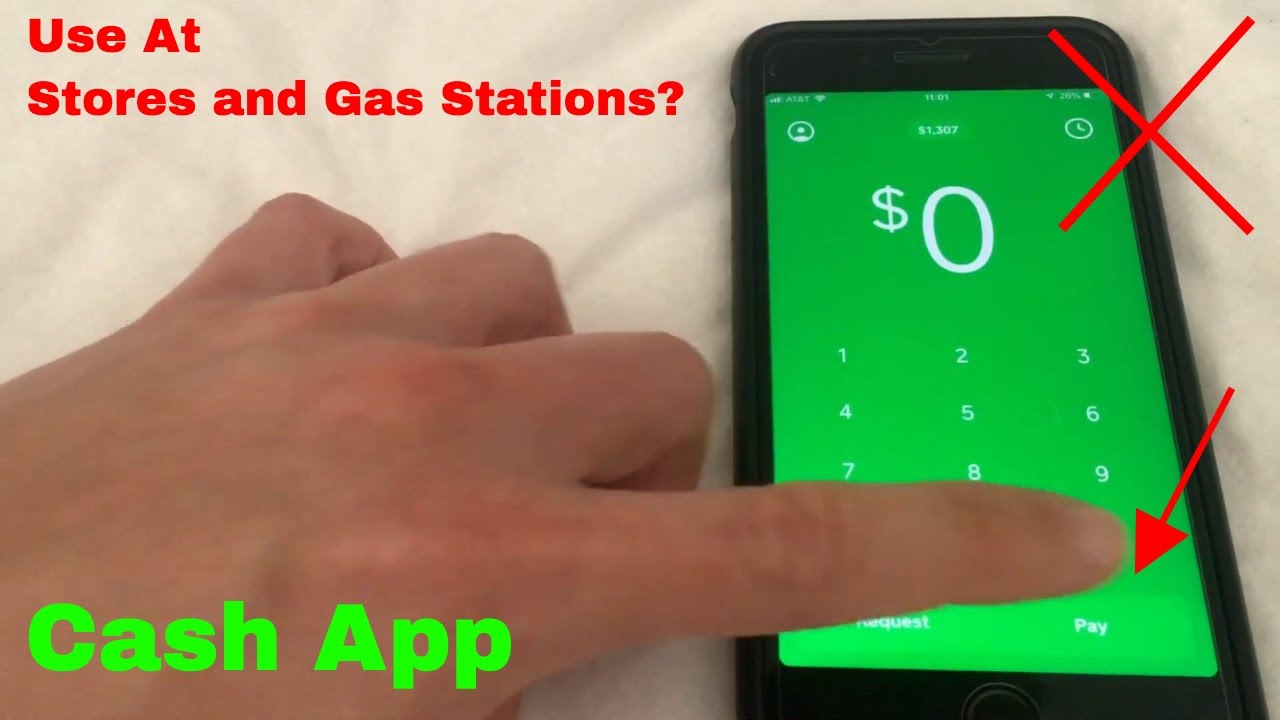
Locking your Chime card doesn't mean your money is frozen forever, you can still move funds in and out through other apps. If you need to pull money from a friend's Cash App into your Chime spending balance, you can transfer money from Cash App to Chime using your Chime routing and spending account numbers. The lock only blocks card-based swipes, not those incoming ACH deposits. For outgoing moves, you can transfer money from chime to Venmo instantly by first moving the funds to your Venmo-linked debit card, even while the physical card is secured. Similarly, you can transfer money from chime to PayPal by adding your Chime card as a funding source in PayPal's wallet. Note that the restriction won't stop a transaction already in progress. If you initiated a PayPal payment before applying the block, it will still go through. Receiving money from others works the same way. If someone sends you cash through a third-party service, the Chime card money receipt method relies on your account details, not the card's lock status. The deposit arrives normally. Just remember that any pending authorizations will still post even with the card secured. A gas station hold or a pre-authorized PayPal charge catches a lot of people off guard.
You should also check the Chime card block duration before the automatic release. The restriction remains until you manually unlock your card through the Chime app or website.
Daily spending limits are set by Chime and change over time. At the time of writing, the standard purchase band sits roughly in the low thousands of dollars, while ATM withdrawals fall in the low-to-mid hundreds. For the exact current figures, always check Chime's official fee schedule and cardholder agreement directly in the app or on their website.
The one sentence that could not appear on a competitor's page: Chime lets you completely disable all card-present transactions while keeping ACH transfers, direct deposit, and peer-to-peer wallet links fully alive, giving you a true transactional quarantine instead of a binary on-off switch.
Upgrading your physical card
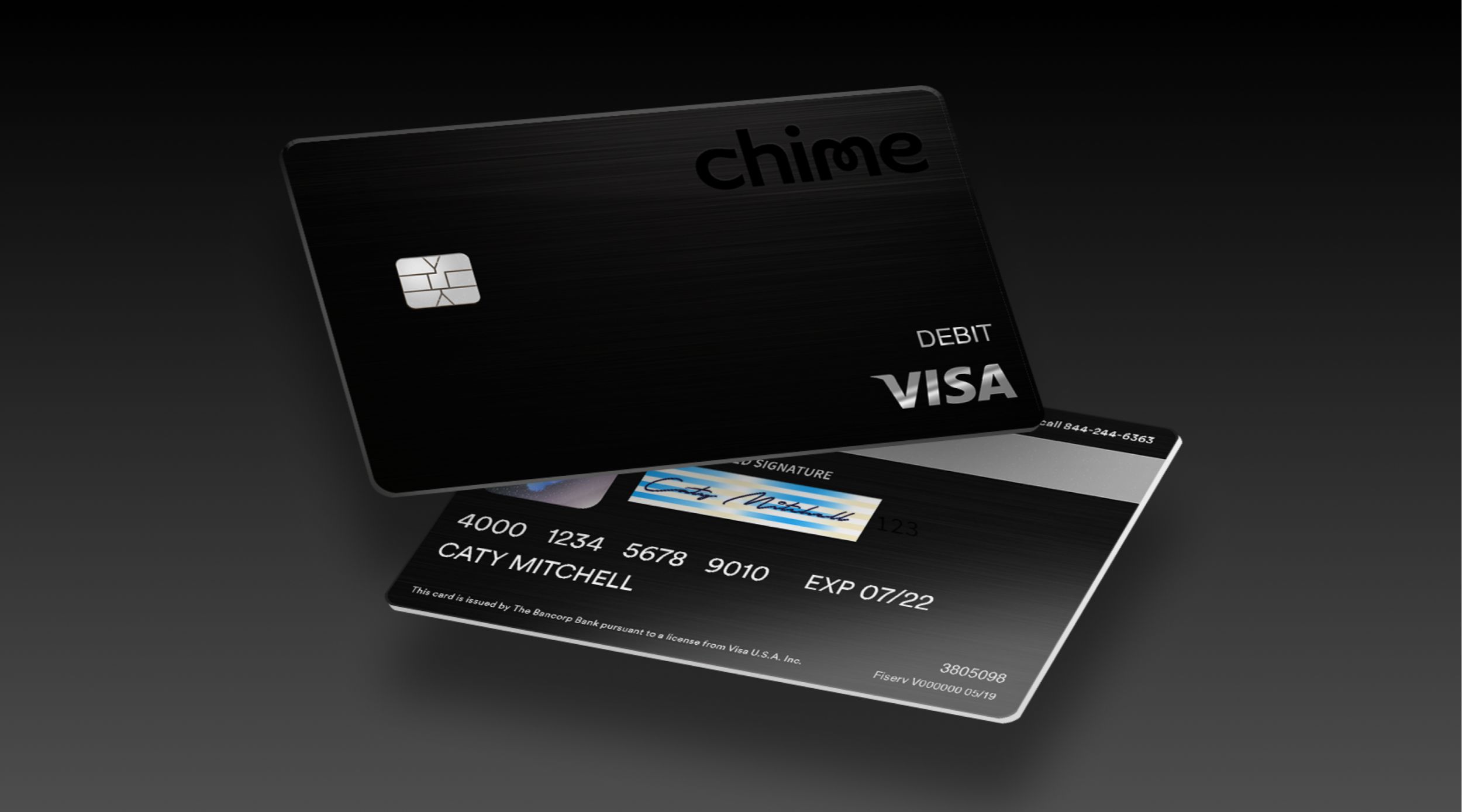
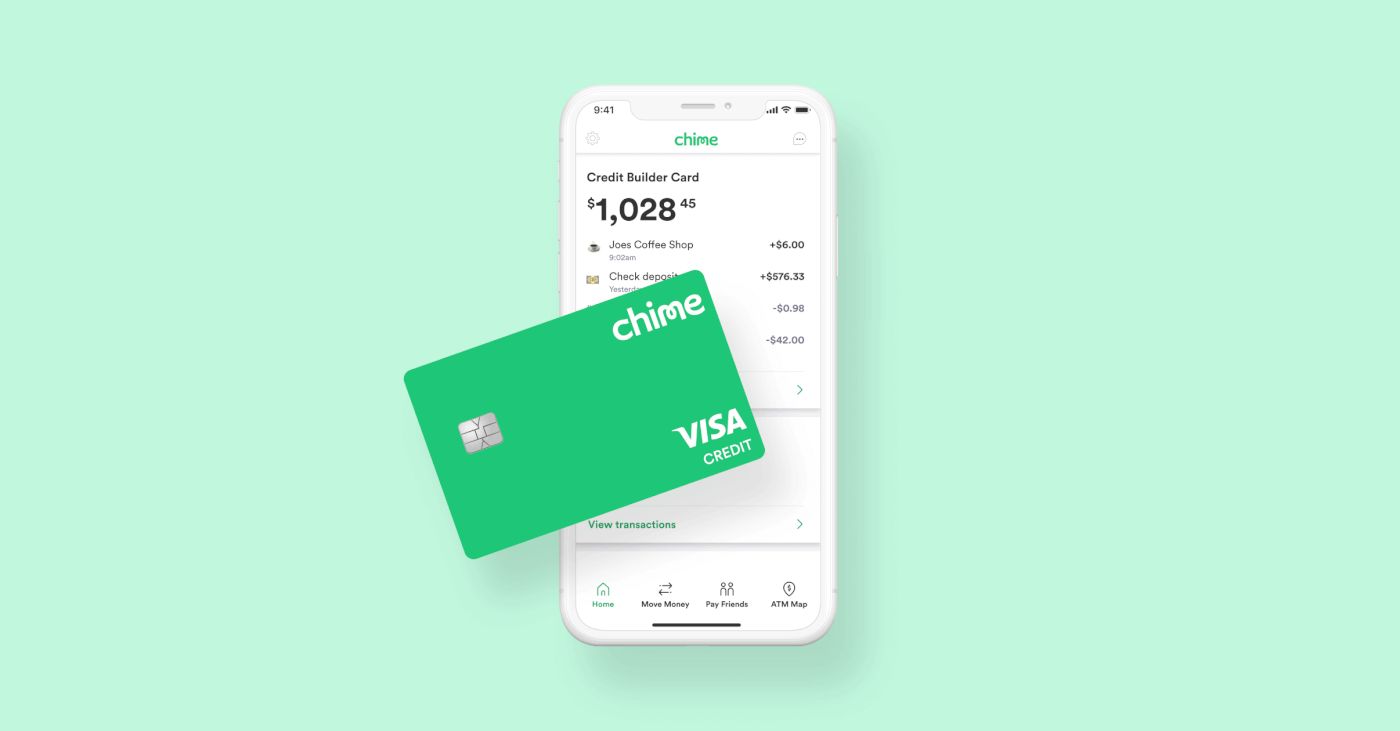
If you want something sturdier than the standard plastic card, you can upgrade your physical card through the Chime app. To do so, navigate to the 'Discover More' section and look for the option to enroll in the new Chime Card. If you prefer a heavier, more durable feel, you can get a metal Chime card, which tends to last much longer than the standard version. Alternatively, if you like the look of a dark, sleek design, you can get the black chime card, which offers the same metal construction but in a matte black finish. Keep in mind that when you request either upgrade, your current card will remain active until you activate the new one. Any pending transactions on the old card will still process. This is similar to how you might lock my PayPal card to stop new spending, but pending authorizations will still clear. After you activate your new metal or black card, remember that securing it in the app will block new purchases and ATM withdrawals. It will not stop those already pending, and the card will still work with Apple Pay or Google Pay if you have it saved there.