Why your Google Calendar opens on the wrong month
Your Google Calendar opens on the wrong month because of one of two things: an outdated bookmark or browser autofill that contains a specific past date in its URL, or an incorrect default view setting that forces the calendar to load a previous period. You’ll learn exactly how to fix both causes so your calendar always opens to today’s date.
Quick fix: Use the Today button
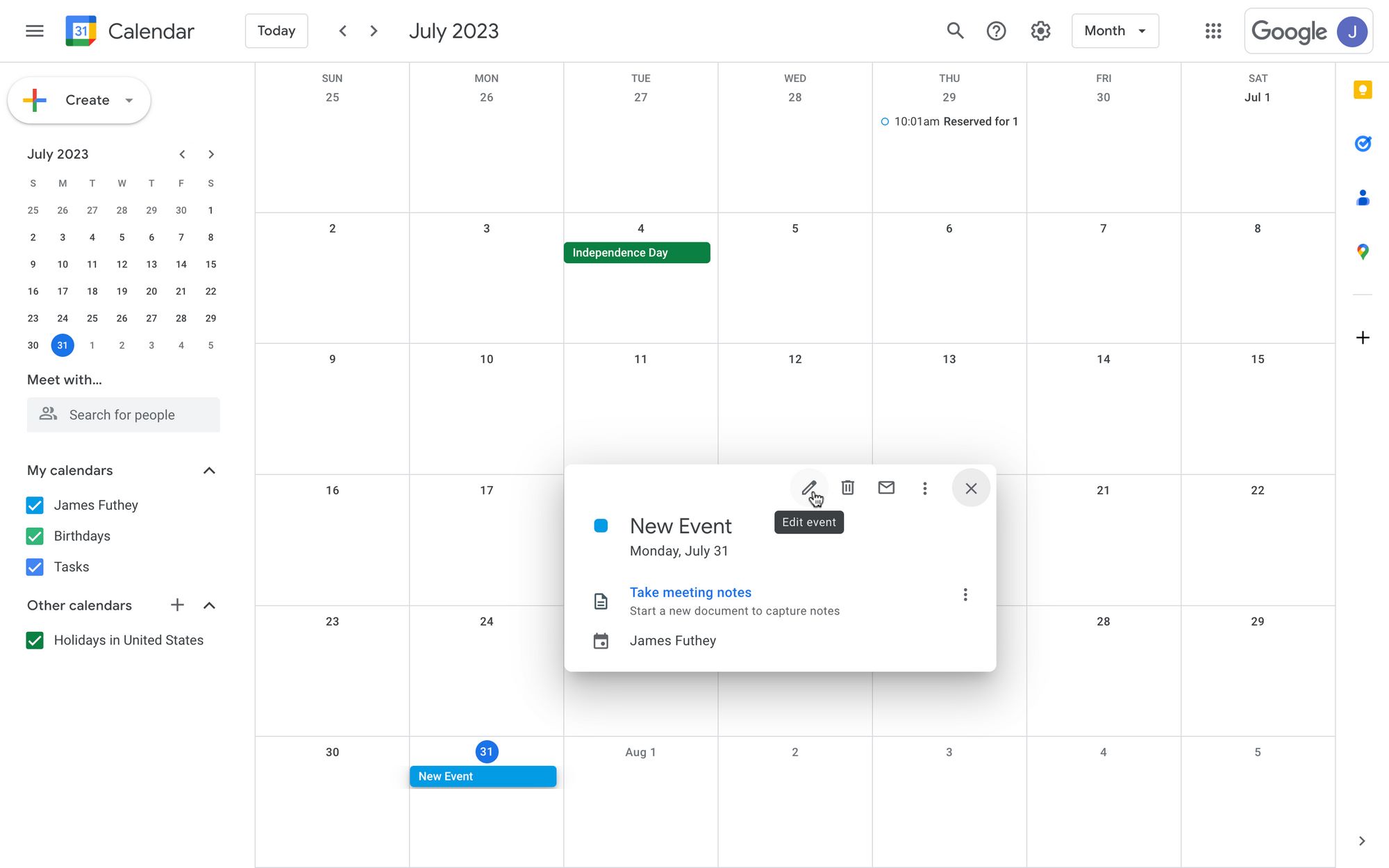
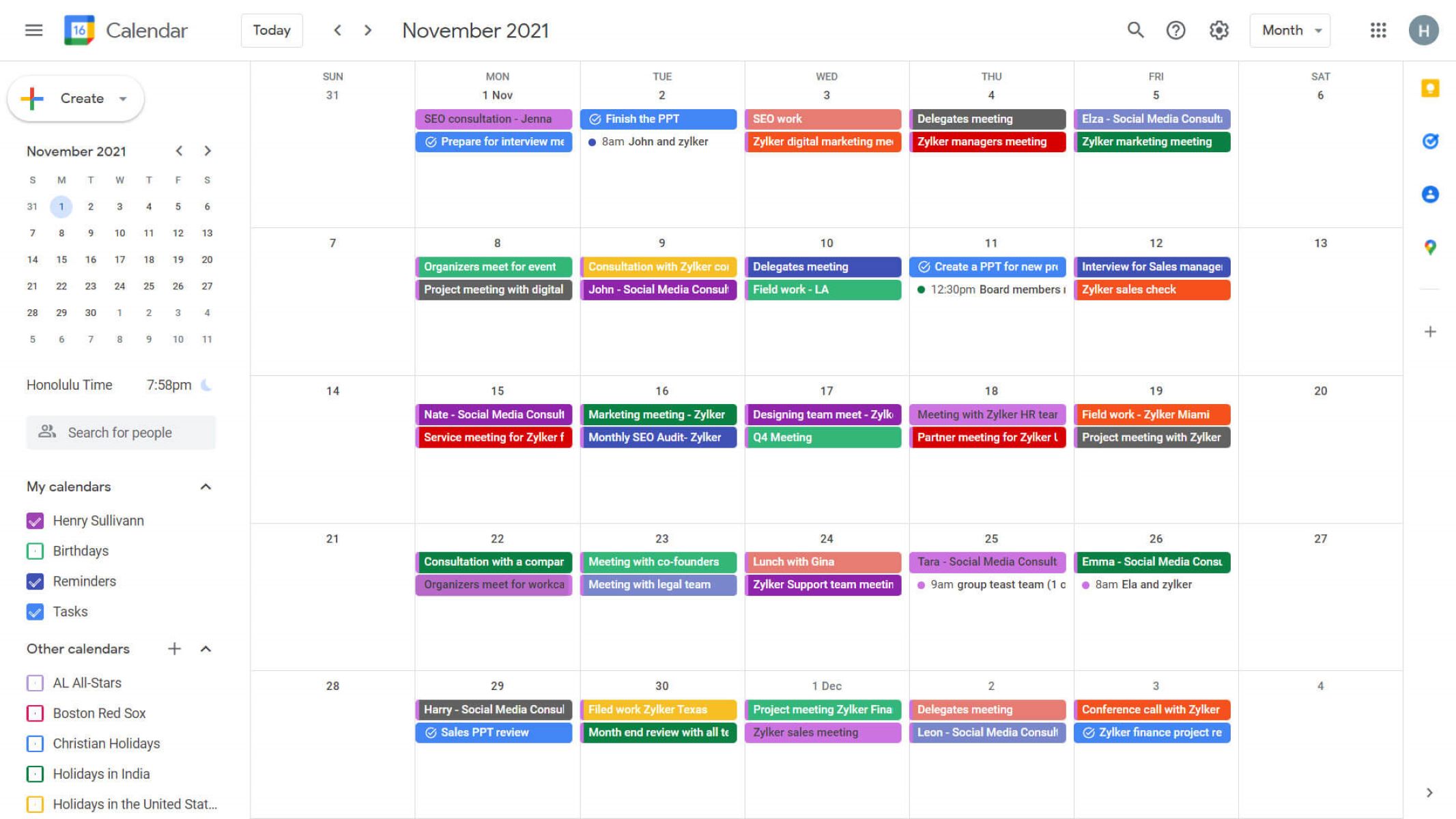
The fastest way to return to the current date is to click the Today button in the top-left corner of the Google Calendar toolbar. On a desktop, you can also press the T key on your keyboard if keyboard shortcuts are enabled (go to Settings → General → Keyboard shortcuts and toggle them on). This instantly jumps your view back to today’s month, day, or week, regardless of where the calendar loaded. It’s a temporary fix, but it confirms the issue is a stale date reference rather than a deeper settings problem.
Fix 1: Delete and recreate your bookmark
An outdated bookmark or desktop shortcut that contains a specific past date in its web address is the most common reason your Google Calendar opens on the wrong month. When you bookmark the calendar while viewing a past date, the URL stores that date (e.g., calendar.google.com/calendar/month/2023/04/01), and every time you click that bookmark, it reloads that old month.
- Open your browser’s bookmark manager (press Ctrl+Shift+O on Windows or Cmd+Option+O on Mac).
- Find any bookmark or shortcut labeled “Google Calendar” or similar.
- Right-click it and select Delete or Remove.
- Also clear your browser’s autofill suggestions for calendar URLs: go to Settings → Autofill → Addresses and more, and remove any saved calendar.google.com entries that contain a date.
- Manually type
calendar.google.cominto a new tab and press Enter. - Once the calendar loads to today’s date, bookmark it again by clicking the star icon in the address bar.
This ensures your bookmark points to the clean base URL without any embedded date parameters.
Fix 2: Set your default calendar view on desktop
If your calendar consistently opens to a specific past month even with a clean bookmark, you may have an incorrect default view setting. On the desktop web version, you can permanently set the default view so it always opens to today’s date in your preferred layout.
- Open Google Calendar in your browser.
- Click the Settings gear icon in the top-right corner, then select Settings.
- In the left sidebar, click View options (or find “Default view” under the “General” tab).
- From the Default view drop-down menu, select your preferred option: Day, Week, Month, Custom View, or Agenda.
- Changes are typically saved automatically, but if you see a Save button at the bottom, click it.
After this, Google Calendar will always open to the current date in the view you selected, eliminating the wrong-month problem entirely.
Fix 3: Check your time zone settings
Incorrect time zone settings can cause the calendar to display a different date or month than your actual location. If your calendar thinks you’re in a time zone several hours ahead or behind, the date boundary shifts, making it appear as if you’re on the wrong month.
- On desktop, go to Google Calendar → Settings gear icon → Settings.
- In the left sidebar, click General, then select Time zone.
- Choose your current location from the drop-down menu (e.g., “United States, Los Angeles”).
- On the mobile app, open the menu (three lines) → Settings → General.
- Ensure Use device time zone is enabled. If it’s off, toggle it on or manually select your time zone.
This prevents date misalignment that can make the calendar appear to open on a previous or future month.
Fix 4: Clear your browser cache and data
Your browser may be storing corrupted cached files from a previous Google Calendar session, forcing an old view to load. Clearing cached images and files removes that stale data and forces the calendar to fetch the current date from Google’s servers.
- Open your browser’s settings (e.g., Chrome: three dots → Settings → Privacy and security → Clear browsing data).
- Choose a time range of All time.
- Check the boxes for Cached images and files and Cookies and other site data.
- Click Clear data.
- Restart your browser, then navigate to
calendar.google.com.
After clearing, the calendar should load fresh and display today’s month. If you use multiple browsers, repeat this process in each one where the issue occurs.
Fix 5: Disable conflicting browser extensions
Third-party browser extensions, especially ad-blockers, script blockers, or privacy tools, can interfere with Google Calendar’s JavaScript and prevent it from properly loading the current date. Disabling them temporarily lets you test if one is the culprit.
- Open your browser’s extension manager (e.g., Chrome: three dots → Extensions → Manage extensions).
- Toggle off all extensions to disable them.
- Open Google Calendar and check if it now loads to today’s date.
- If the issue is resolved, re-enable extensions one by one, testing the calendar after each until you identify the offender.
- Once found, either remove that extension or add an exception for
calendar.google.comin its settings.
This method isolates the extension causing the wrong-month display, so you can keep the ones you need without sacrificing calendar accuracy.
What about the mobile app?
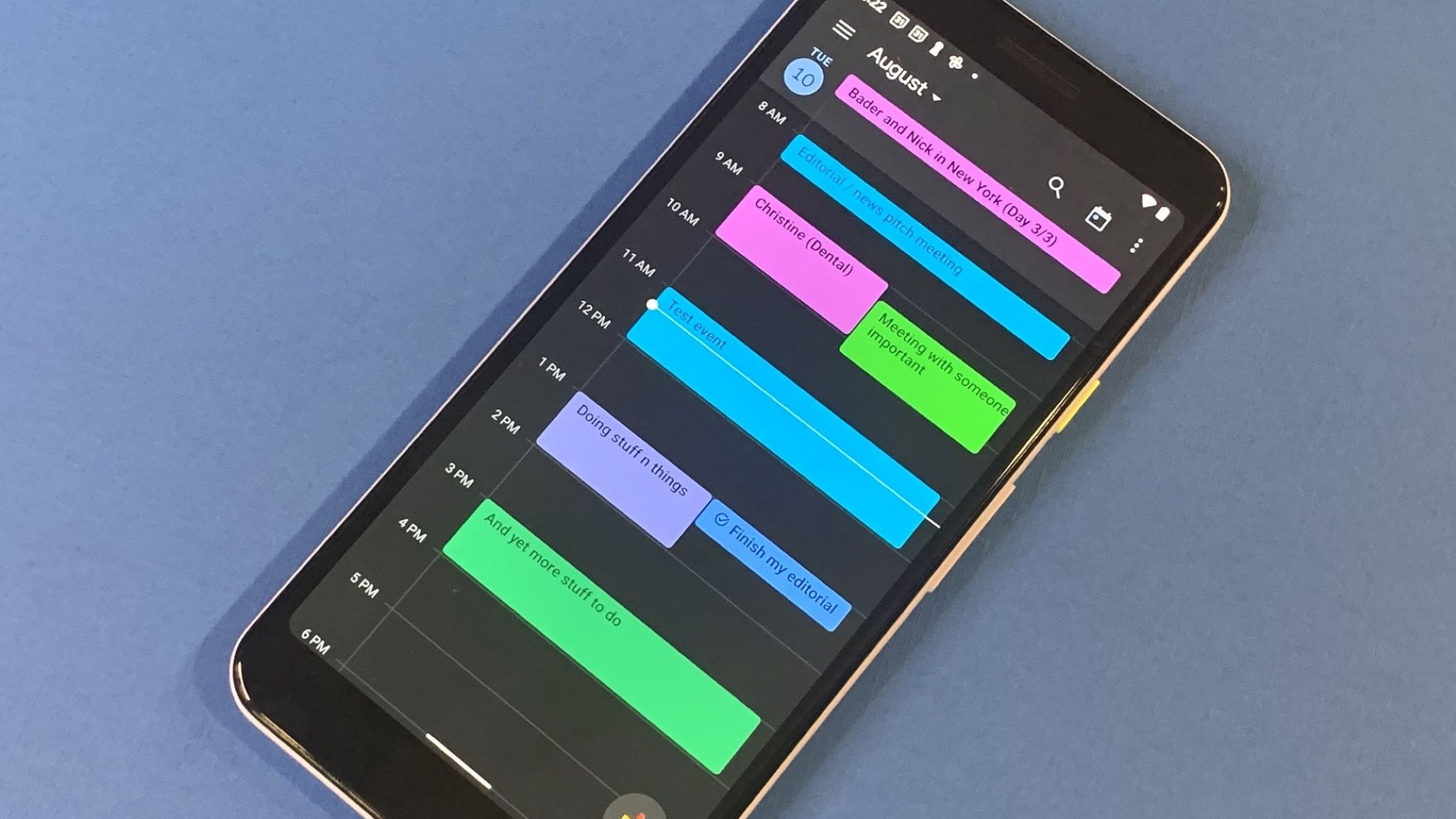
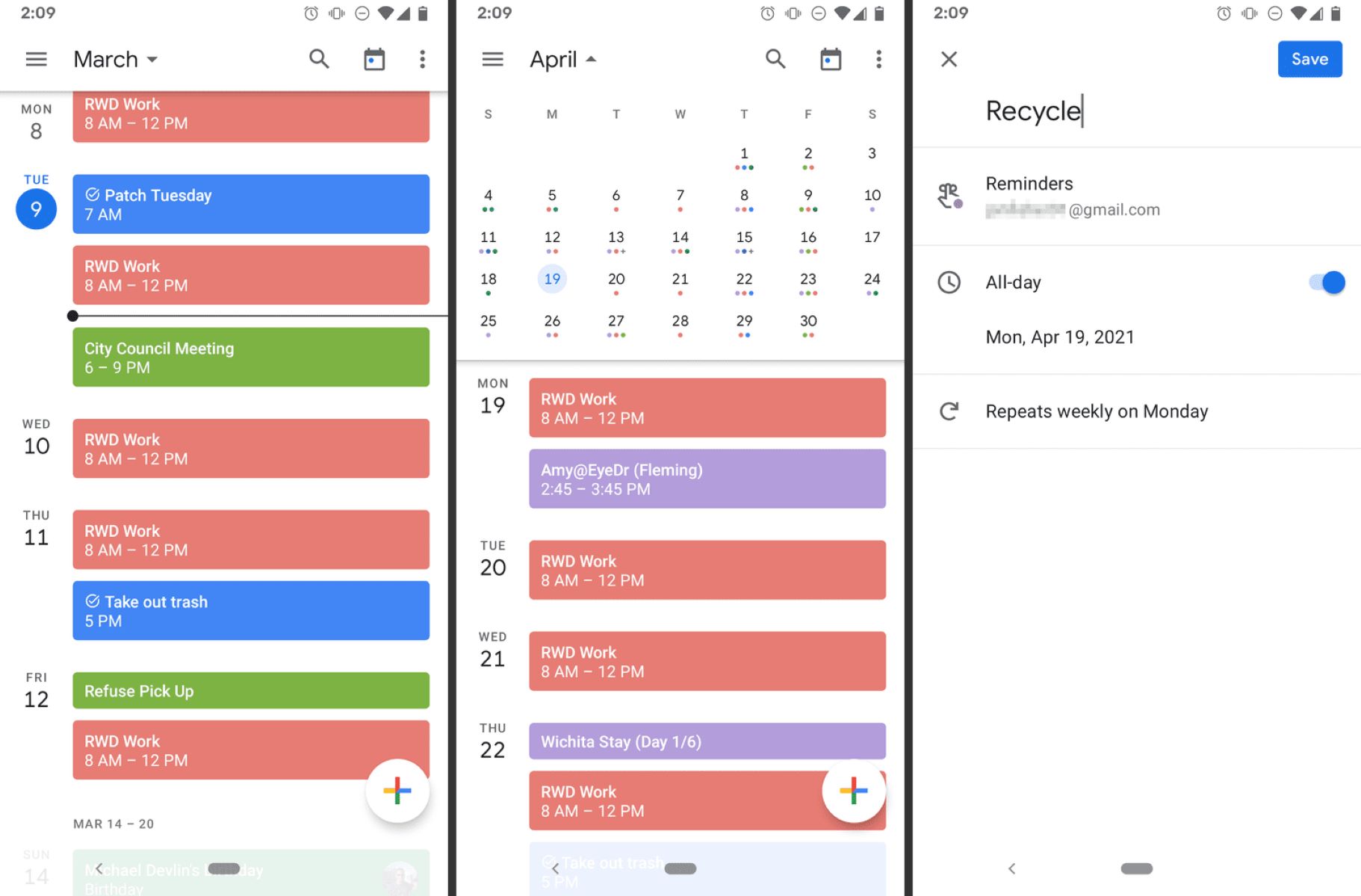
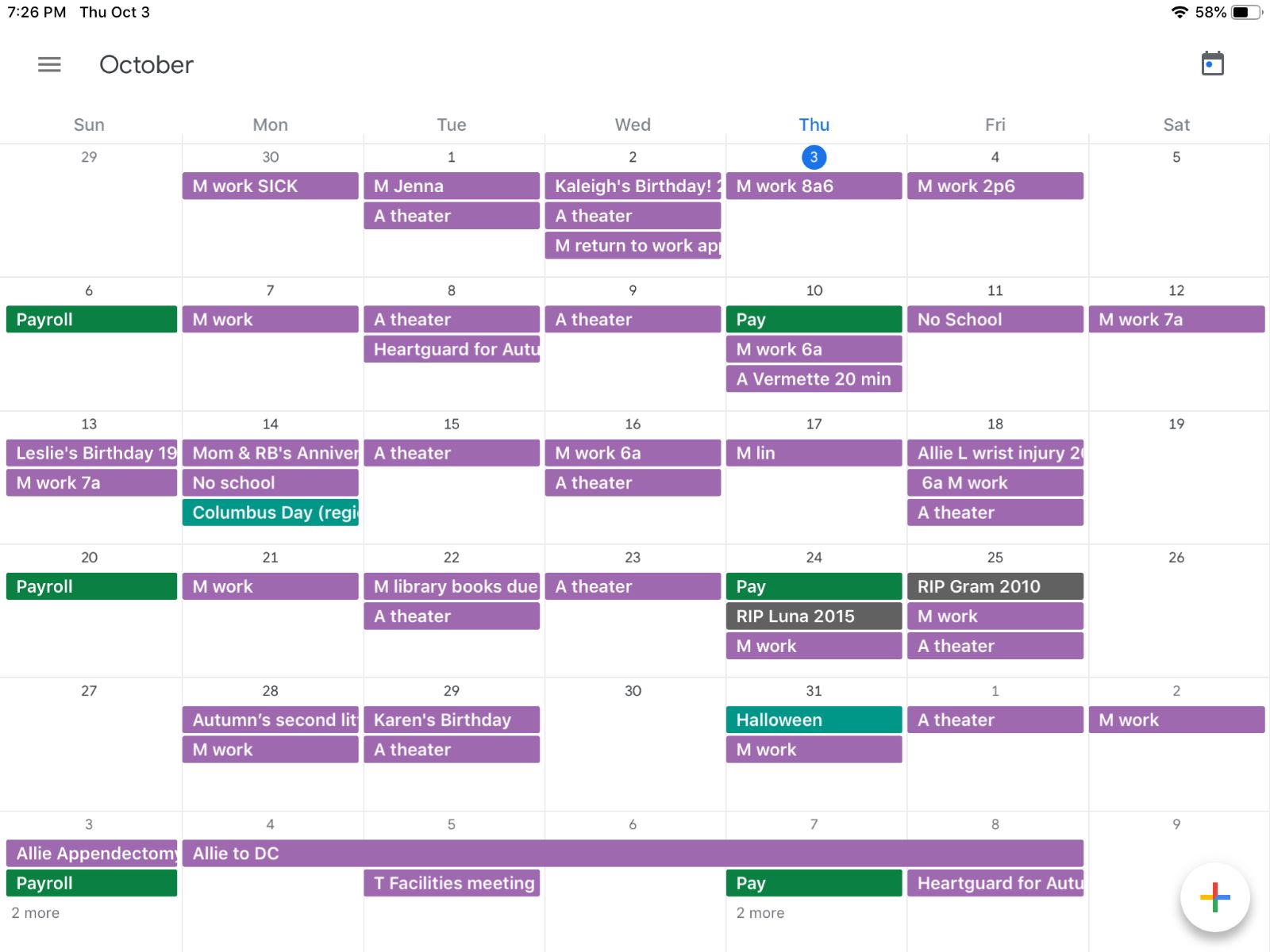
The Google Calendar mobile app (Android/iOS) does not have a dedicated setting to lock in a default view, it generally opens to the last view you selected, so if you were browsing a past month, it will reopen there. To get back to today, simply tap the Today button (a small calendar icon with a dot) in the top-right corner of the app. Additionally, make sure your app is updated to the latest version by visiting the Google Play Store or Apple App Store, since updates often include bug fixes for date display issues. If the problem persists after updating, reinstall the app to clear any corrupted local data.
\nRelated reading: How To Add Someone On Google Calendar, How To Change Ownership Of A Google Calendar, and How To Undo In Google Calendar.