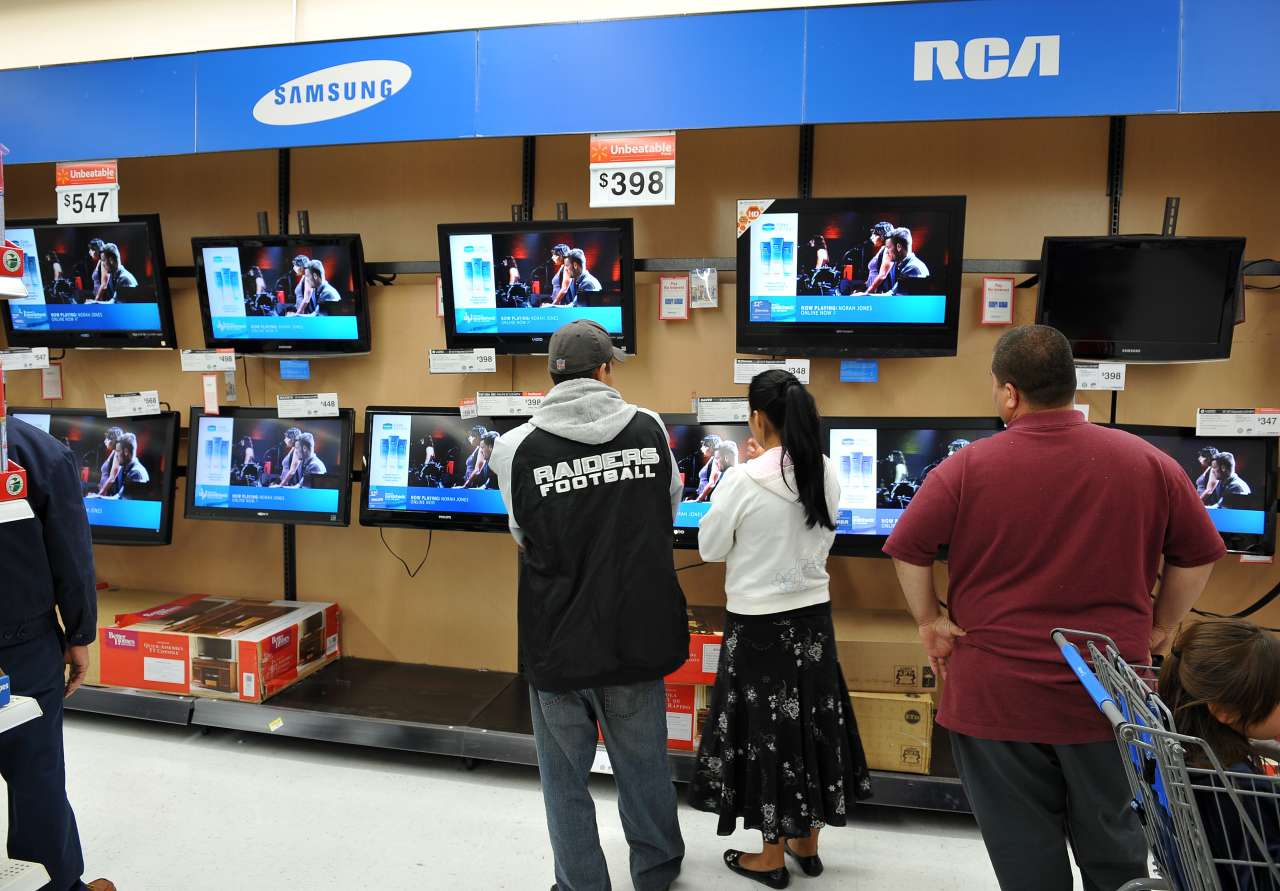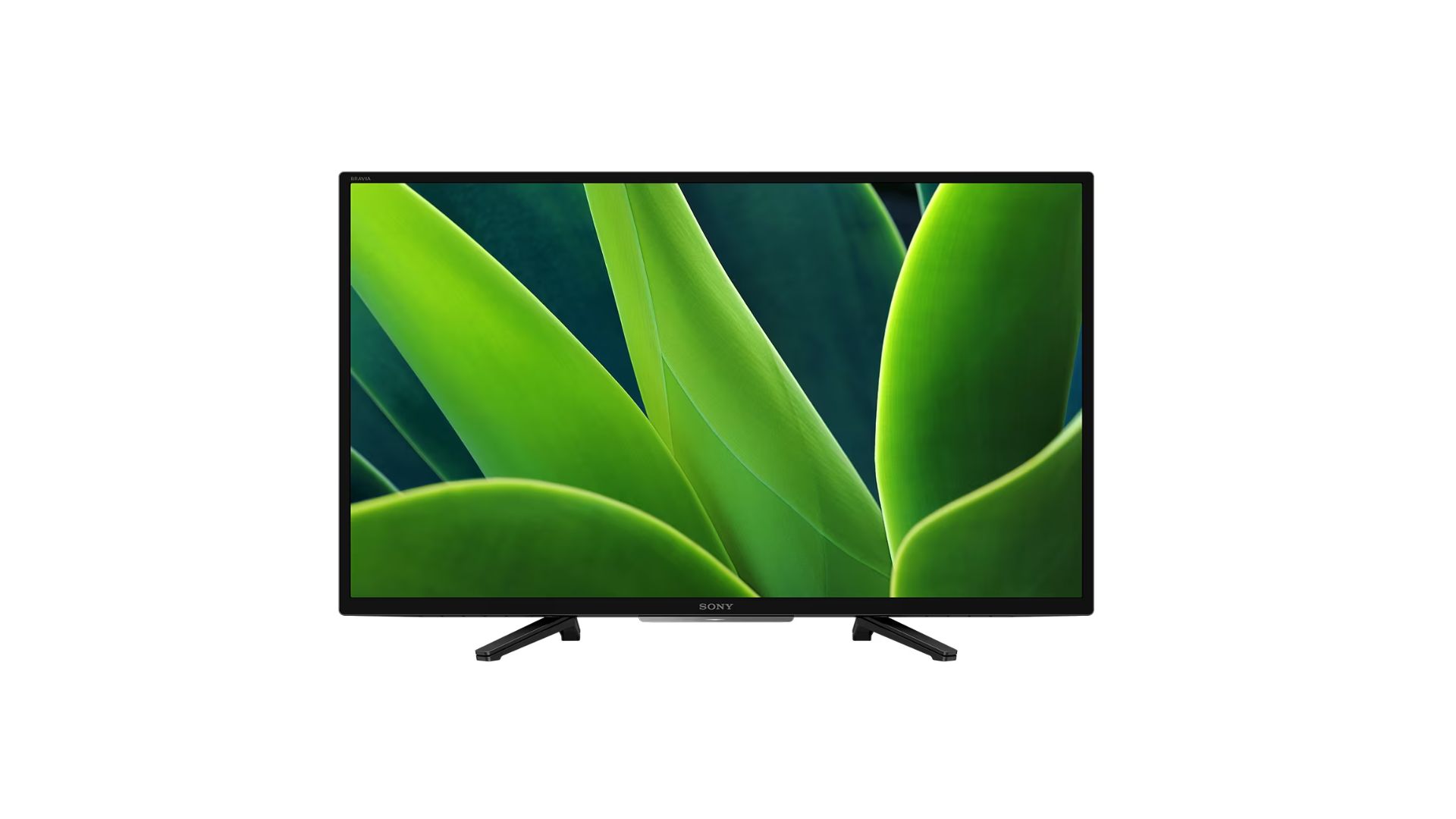
If you're wondering how much is a 32 inch smart TV, the direct answer is that you'll typically pay anywhere from under $100 to around $250 for most models, with premium versions like Samsung's The Frame pushing past $400. Your exact cost depends on resolution, display technology, and brand, but the sweet spot for most shoppers sits between $70 and $200, where you'll find reliable 1080p models from TCL, Hisense, and LG.
Entry-level 32 inch smart TVs: $70 to $120
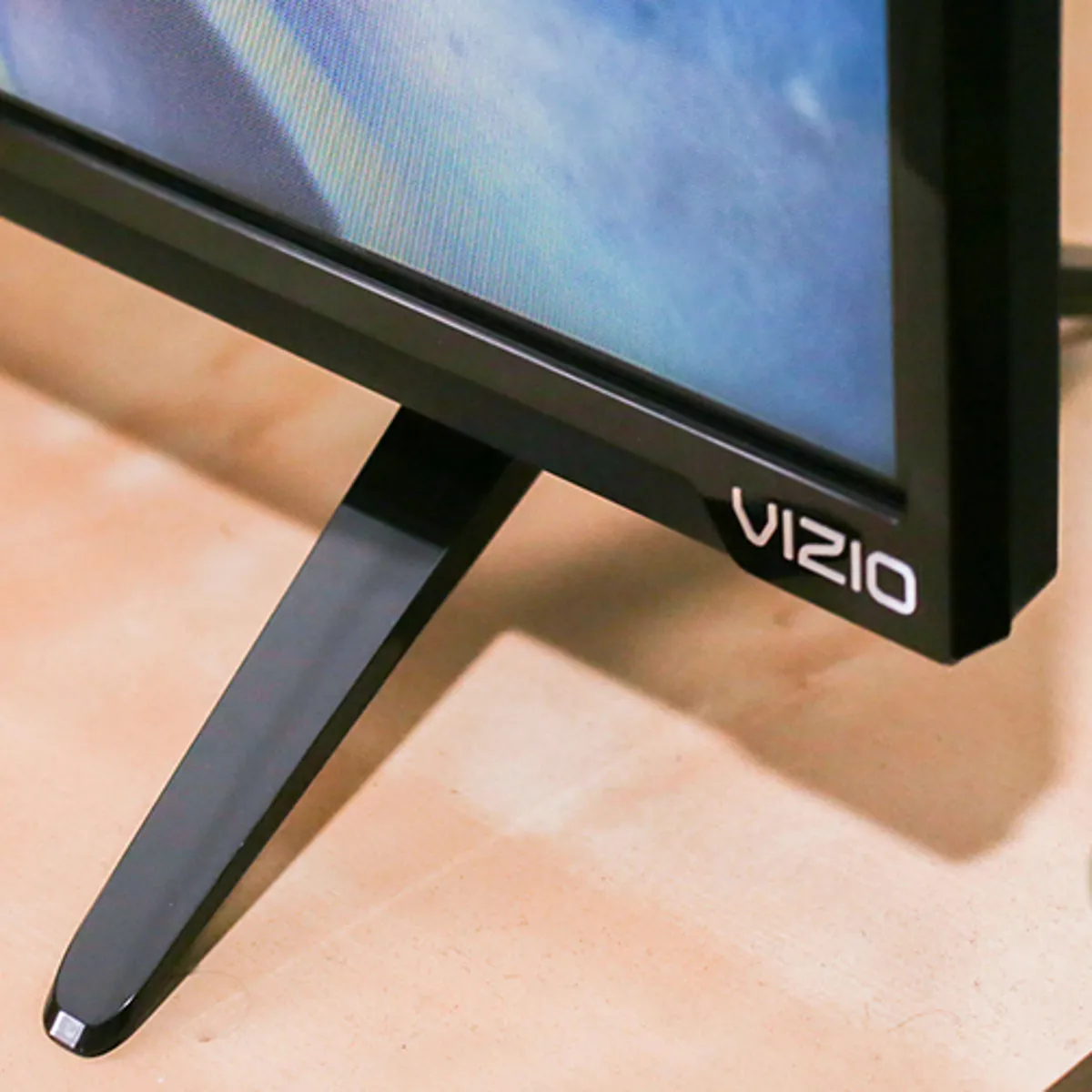
Budget-conscious shoppers can find solid 32 inch smart TVs from brands like Insignia, Onn, and Amazon Fire TV for as little as $70 to $120, especially during sales events like Black Friday or Prime Day. These entry-level models typically feature 720p HD or 1080p Full HD resolution, a standard 60Hz refresh rate, and a basic smart platform like Roku TV or Fire TV, perfect for a bedroom, dorm, or kitchen where you won't miss premium picture quality. The trade-off for this low price is simpler design, fewer HDMI ports, and less advanced processing, but for casual streaming and everyday viewing, they get the job done without breaking the bank. If the image doesn't quite fill the screen, you can adjust the picture size on my Vizio smart TV to eliminate black bars or cropping.
Mid-range 32 inch smart TVs: $130 to $200
Stepping up to the $130 to $200 range unlocks noticeably better performance from established brands like TCL, Hisense, LG, and Samsung, with 1080p Full HD resolution becoming the standard across the board. Many of these mid-range models also include HDR (High Dynamic Range) support for improved contrast and richer colors, and some even incorporate QLED technology, like TCL's Q3 series, which boosts brightness and color accuracy without a massive price jump. If you want a TV that looks good in a living room or main bedroom and offers a more polished smart experience (whether that's webOS, Tizen, or Google TV), this is the sweet spot where value meets quality.
Premium 32 inch smart TVs: $400 and above
At the top end, specialized 32 inch smart TVs like Samsung's The Frame command prices of $400 to $500 or more, and you're paying for design and display innovation rather than just size. The Frame doubles as a piece of art when not in use, with a matte finish and interchangeable bezels that blend into your decor, plus advanced QLED technology that delivers exceptional color vibrancy and anti-reflection properties. While these premium models rarely offer 4K resolution at this screen size (that's reserved for larger TVs), they compensate with superior build quality, ambient mode features, and a level of aesthetic refinement that budget and mid-range options simply can't match.
What affects the price of a 32 inch smart TV?
Several key factors determine how much you'll pay for a 32 inch smart TV, and understanding them helps you avoid overpaying for features you don't need. Resolution is the biggest driver, 720p models are cheaper, while 1080p Full HD versions typically cost $20 to $50 more, and you'll rarely find 4K at this size. Display technology also matters: standard LED panels keep costs down, but QLED screens from TCL and Hisense add a premium for enhanced color and brightness. Brand reputation plays a role too, with Samsung and LG charging a slight premium over budget brands like Onn or Insignia for comparable specs, while HDR support and voice assistant integration (Alexa or Google Assistant) can nudge the price up slightly. Interestingly, the smart TV platform itself, whether it's Roku, Fire TV, Google TV, or webOS, has minimal impact on price, since it's essentially a standard feature across all models. If you later need to adjust the display to better fit your space, you can change the picture size on my Hisense smart TV through its aspect ratio settings.
Future price trends for 32 inch smart TVs
If you're considering a purchase, it's worth noting that market analysts project potential price increases for 32 inch smart TVs in 2026 due to global shortages of memory chips and LCD panels. These component constraints have already affected manufacturing costs across the electronics industry, and smaller TVs are not immune to the ripple effect. While current prices remain competitive, especially during promotional periods, shoppers who wait too long might see entry-level models creep above the $120 mark or mid-range options push closer to $250. For now, the market still offers excellent value, but locking in a price sooner rather than later could save you money if supply chain pressures intensify.
For the wider topic, see zoom on smart TV.