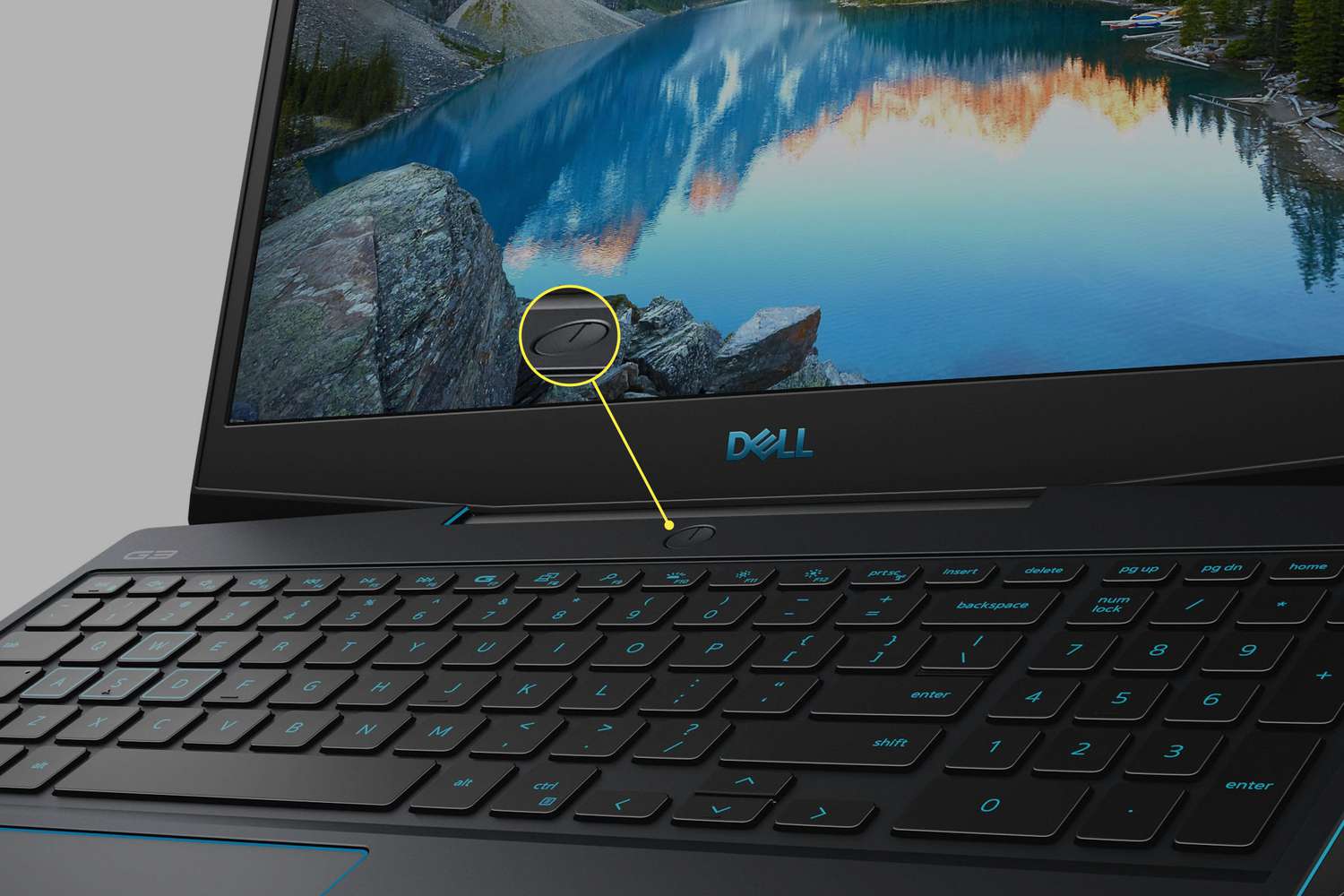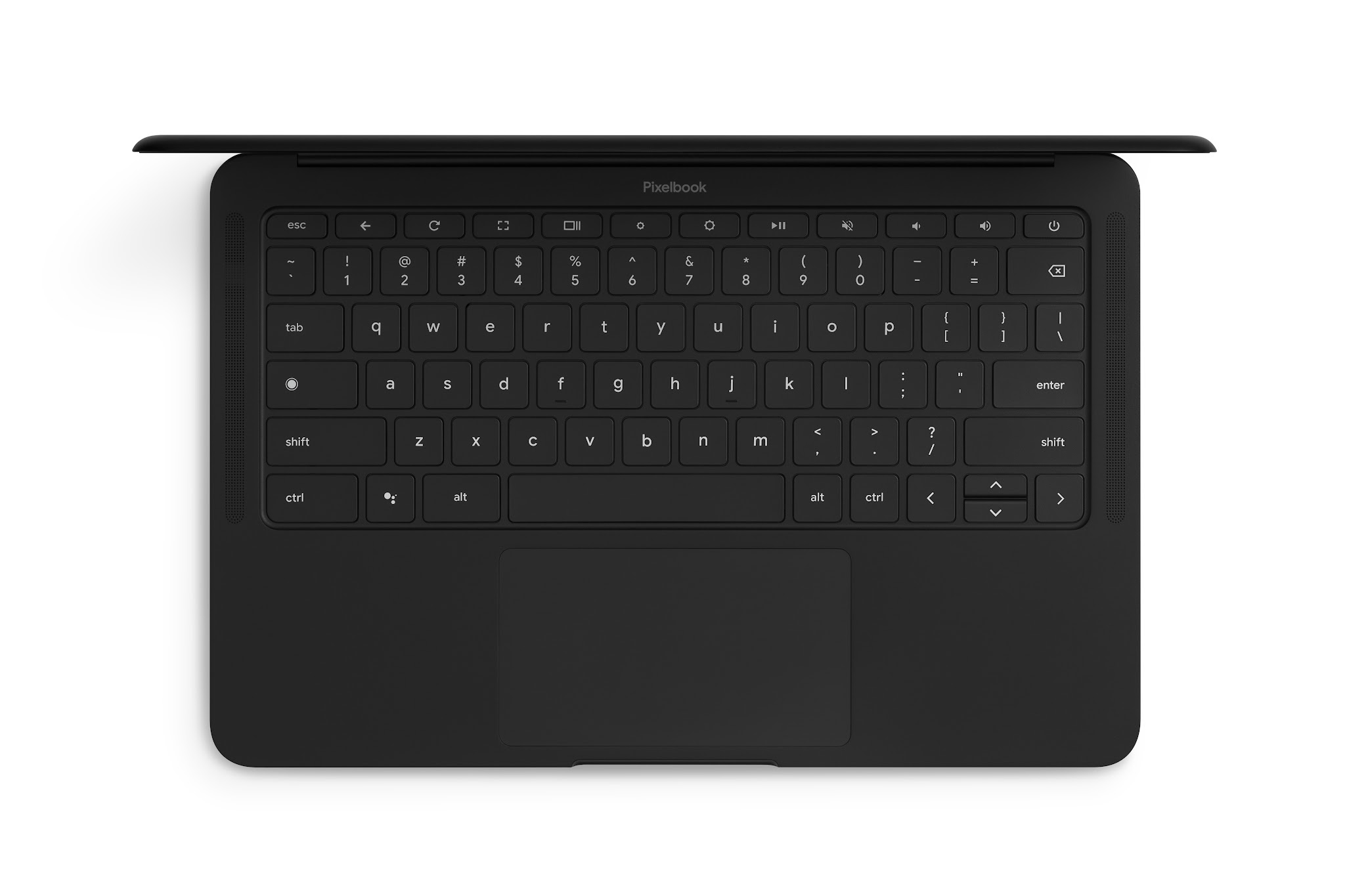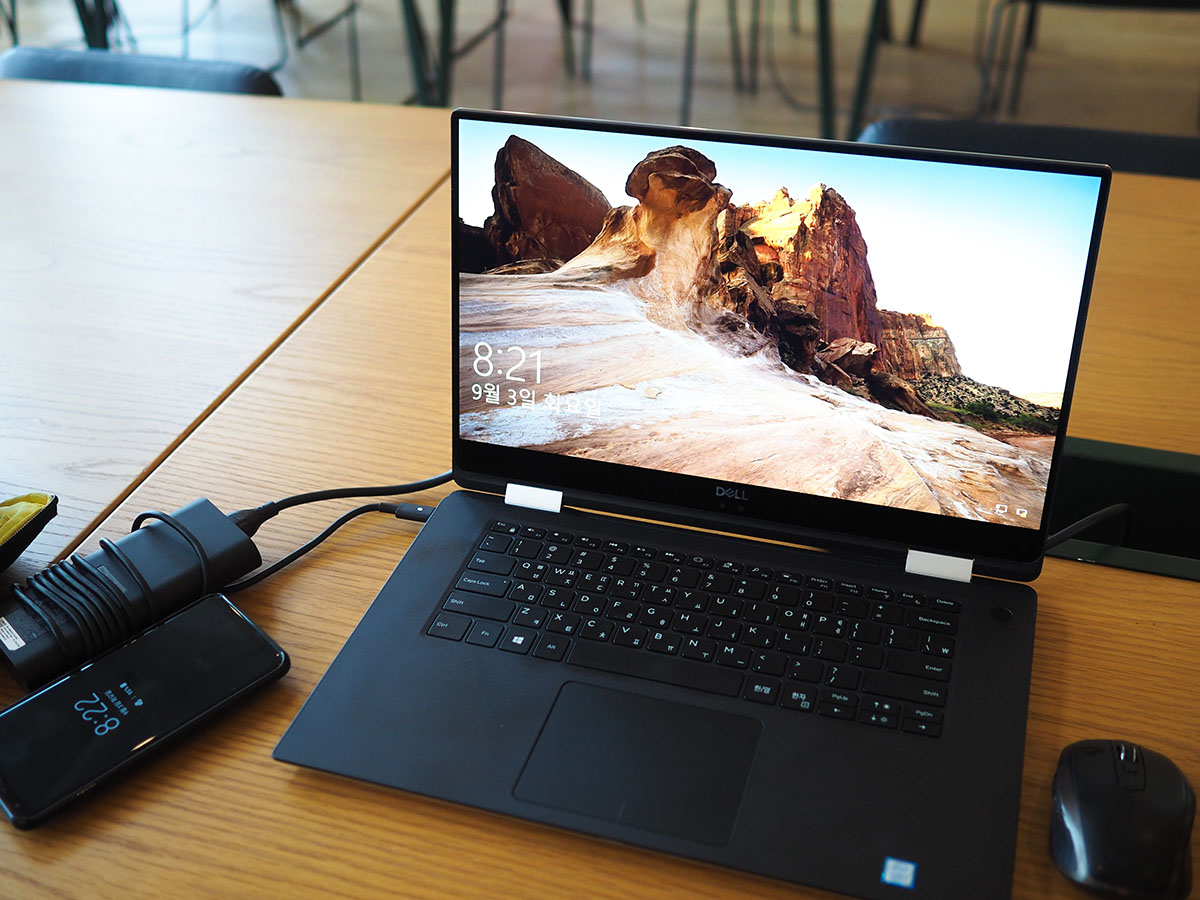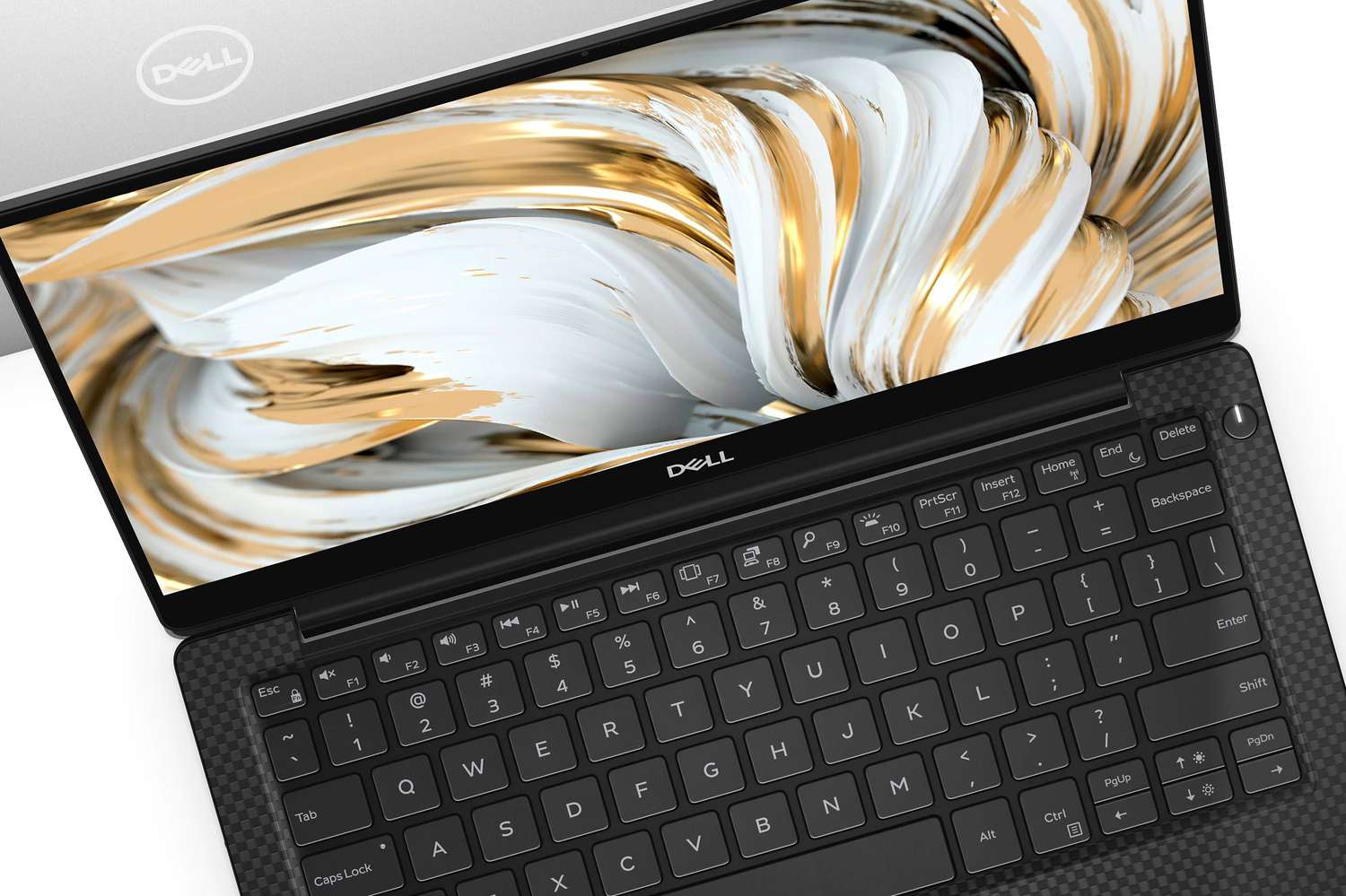
You can turn on a Dell laptop without the power button by using built-in BIOS settings that bypass the physical switch entirely. A broken power button doesn't mean a dead laptop, the BIOS (Basic Input/Output System) holds the key to reliable alternative power-on methods that can get you back up and running in minutes. If the system becomes unresponsive during these attempts, you may need to force shut down dell laptop before trying again.
Access the BIOS setup on your Dell laptop
Before any of the following methods will work, you need to enter the BIOS setup utility. This is a crucial prerequisite step because all the alternative power-on features are configured there. To access the BIOS, restart your computer (if it is currently on) and repeatedly press the F2 key when the Dell logo appears on the screen. You will enter the Setup Menu, where you can navigate using the arrow keys.
Method 1: Enable Power on Lid Open
This method automatically powers on the laptop when the lid is opened, which is a convenient workaround if your power button is broken. To enable or disable "Power On Lid Open," restart the computer, press F2 to enter the Setup Menu (BIOS), navigate to "Power Management," and then select "Power on Lid Open." Note that the "Power On Lid Open" feature is introduced on some newer Dell computers; if the option does not appear in the BIOS, the computer does not support this feature. This feature lets you simply open the lid to start your laptop, saving you from needing to press any button at all.
Method 2: Configure Wake-on-LAN (WOL)
Another method is "Wake-on-LAN" (WOL), which allows the computer to be powered on remotely over the network by a special LAN signal. To enable Wake-on-LAN, restart the computer, press F2 to enter the BIOS, go to the "System Management" tab, and then the "Wake-on-LAN" section, selecting an option like "LanWlan" or "LanOnly." For Wake-on-LAN to function, "Deep Sleep Control" should be disabled in the BIOS under Power Management, though this setting is not applicable to all Dell systems. Windows settings also need to be configured for Wake-on-LAN: in Device Manager, under "Network adapters," right-click your LAN Controller, go to the "Power Management" tab, and ensure "Allow this device to wake the computer" and "Only allow a magic packet to wake the computer" are checked. Additionally, for Wake-on-LAN, "Energy-Efficient Ethernet" should be set to "disabled" in the network adapter's "Advanced" tab, and Windows "Fast Startup" must be disabled. This method is ideal if you want to start your laptop from another device on the same network.
Method 3: Set an Auto-On Time
Dell laptops can be set to turn on automatically at a specified time using the "Auto-On" BIOS option. The "Auto-On" setting allows users to choose to disable, power on every day, on weekdays, or on specific days, with a single option to set the auto-on hour and minute across all selected days. To configure "Auto-On Time," enter the BIOS (F2), navigate to "Power Management," and locate "Auto-On" or "Auto On Time." This feature lets you schedule your laptop to power on at a consistent time, so you never have to worry about a broken button again. If your model has a 360-degree hinge, you can also turn on a dell convertible laptop by simply opening the lid or switching to tablet mode, and if you need a display for your newly powered system, you can quickly turn on acer monitor.
Method 4: Use Wake on AC Power
The "Wake on AC Power" feature in BIOS automatically powers on the laptop when the AC adapter is connected. By default, the "Wake on AC Power" option is often disabled and can be enabled in the BIOS under "System Management" or "AC Behavior." Be aware that using an undersized AC adapter with "Wake on AC Power" enabled can cause warning messages and prevent the system from booting or properly charging. This method is perfect if you want your laptop to start the moment you plug it into power, eliminating the need to press any button.
Method 5: Use a docking station power button
A final hardware-based workaround is using a docking station or port replicator. If the laptop is docked, pressing the power button on the docking station or port replicator will turn on the laptop. Ensure the docking station is connected to power and your laptop is properly docked, then press the power button on the dock. This method is particularly useful if you already use a docking station regularly and your laptop's built-in power button is unresponsive.
What to do if these methods don't work
If none of the BIOS-based methods work for your specific Dell model, the physical power button likely needs professional repair. These methods cover the most reliable built-in workarounds, but a broken button ultimately requires hardware service. For persistent issues, contact Dell support for further assistance or to arrange a repair for the physical power button. You can still access your data or use your laptop in the meantime by keeping it plugged in or using the lid-open feature if supported.