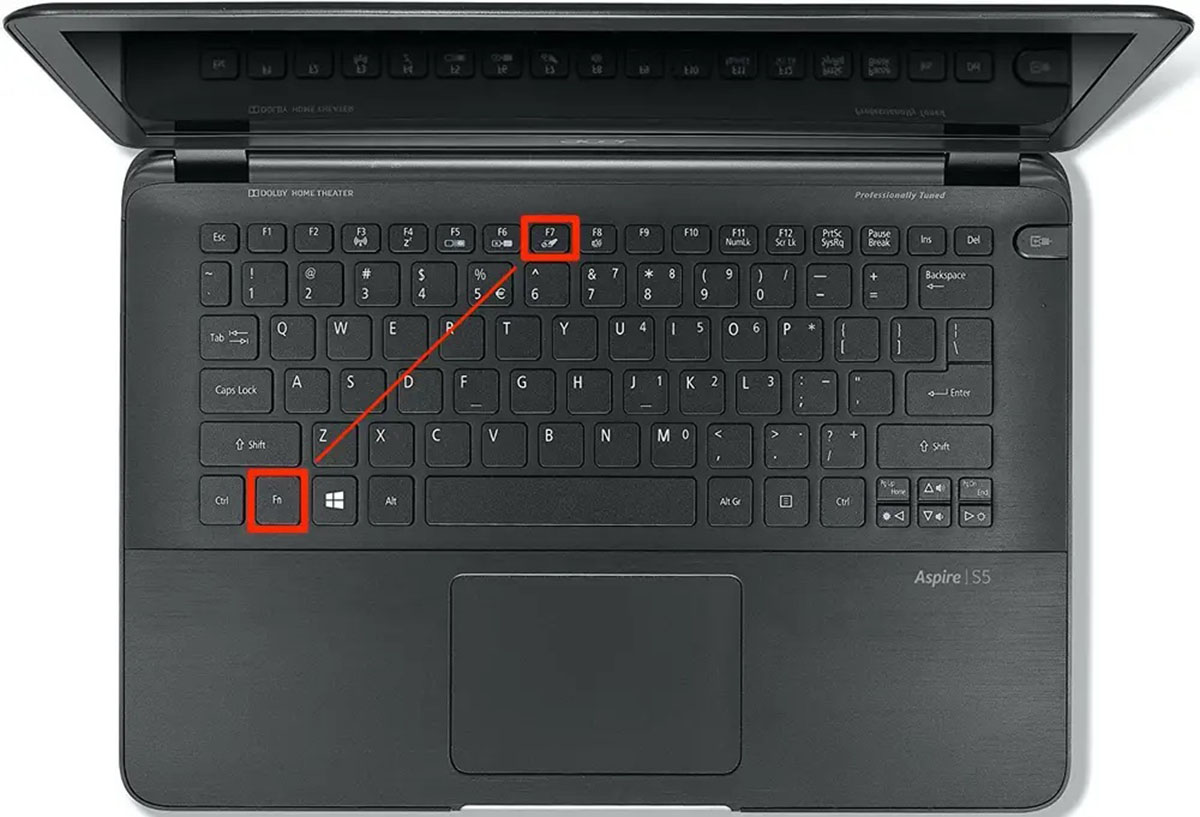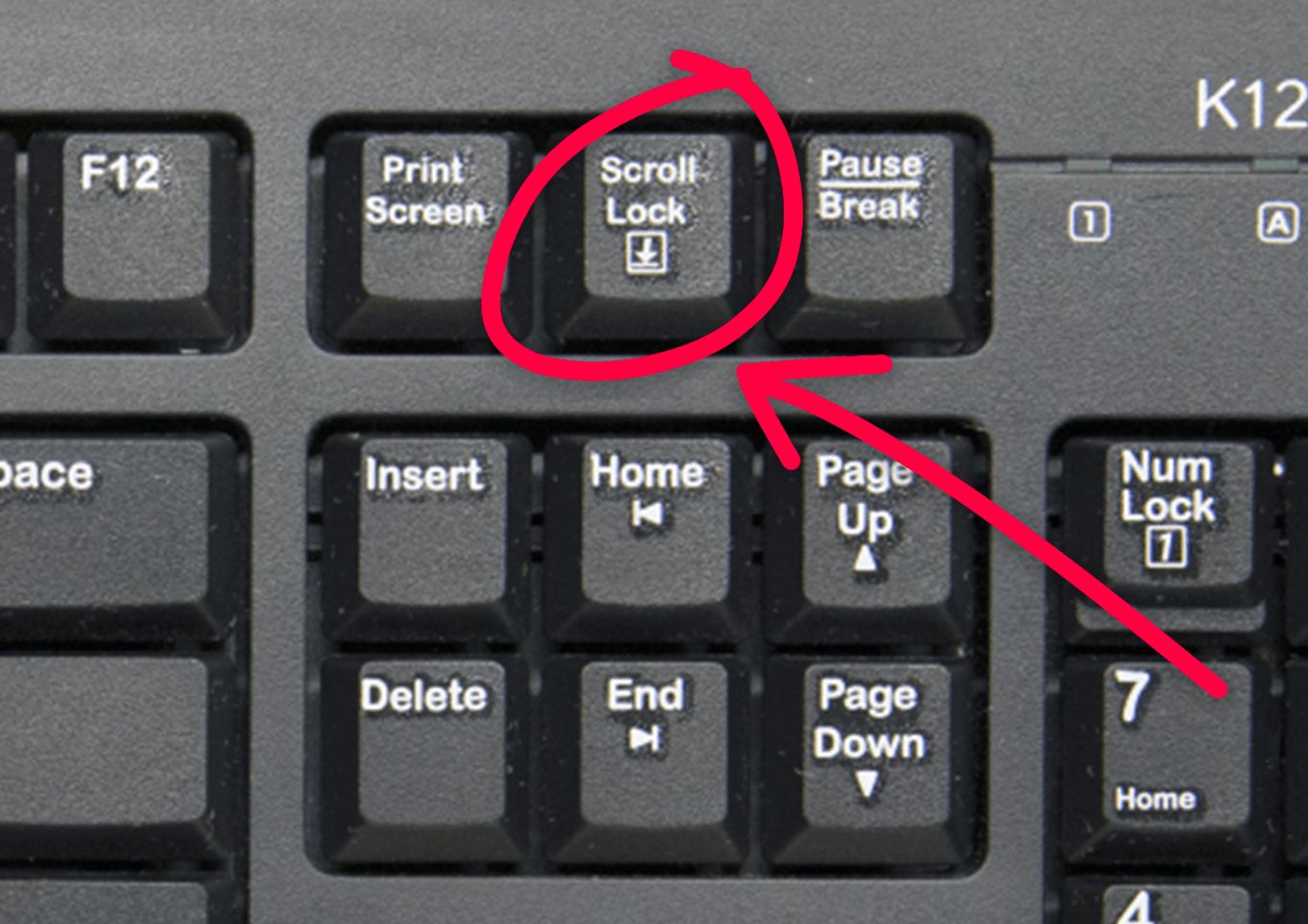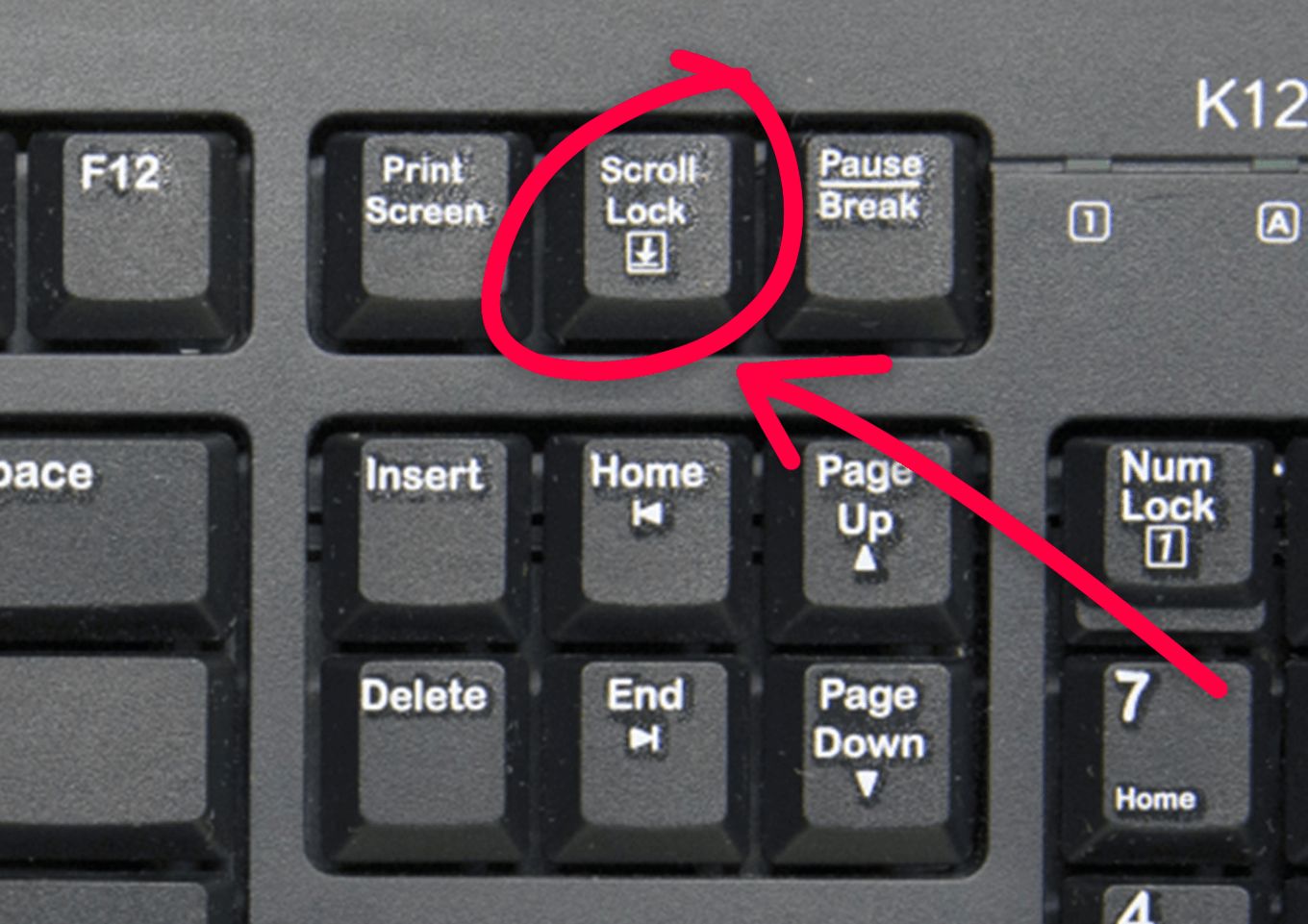
On a Dell laptop, there is no physical Scroll Lock key, so you’ll need to use a keyboard shortcut or a built-in Windows tool to toggle it. The quickest way to find and use the dell laptop scroll lock function is to press the Fn key together with one of several possible keys, depending on your specific model.
Where is the scroll lock key on a Dell laptop?
The Scroll Lock key is not present as a standalone key on any modern Dell laptop. Instead, Dell assigns the Scroll Lock function to a secondary action on another key, activated by holding the Fn (Function) key. To locate it, look for a small label or icon (often a padlock with an arrow, or the letters “ScrLk”) printed in a contrasting color on one of the top-row function keys (F1 through F12) or on the S, R, C, or F6 keys. Because the exact key varies by model, you may need to test a few combinations. The most common shortcuts are Fn+S, Fn+R, Fn+F3, Fn+C, and Fn+F6. For example, on many Dell Latitude models, Fn+S toggles Scroll Lock, while on the Inspiron 16 5640, the shortcut is Fn+R. Dell E3 series keyboards use Fn+F3.
How to toggle scroll lock with the Fn key
This is the primary method for most Dell laptops, and it works without any additional software. Press and hold the Fn key, then press one of the candidate keys listed above, S, R, F3, C, or F6, one at a time, releasing Fn after each attempt. After each press, test whether Scroll Lock is active by opening a spreadsheet like Excel and pressing an arrow key: if the cell selection moves instead of the page scrolling, Scroll Lock is on. If the first combination doesn’t work, try the next one. This trial-and-error approach is necessary because Dell does not standardize the shortcut across all models. Once you find the correct pair, you can use the same combination to toggle the function on and off at any time.
How to toggle scroll lock with the on-screen keyboard
If the Fn key method fails or you prefer a visual, fail-safe approach, the Windows On-Screen Keyboard works on every Dell laptop regardless of model. To open it, press the Windows key, type “On-Screen Keyboard,” and select the app from the search results. A virtual keyboard will appear on your screen, displaying all the keys including a button labeled “ScrLk” (usually in the bottom row or near the function keys). Click that ScrLk button to enable Scroll Lock; click it again to disable it. This method is particularly useful when you need to confirm the current state of Scroll Lock, because the button appears highlighted or depressed when the function is active. The On-Screen Keyboard is a built-in Windows accessibility tool, so there is no need to install anything, and it provides a reliable way to control Scroll Lock on any Dell laptop, even those with unusual keyboard layouts.
How to turn off scroll lock on a Dell laptop
Disabling Scroll Lock uses exactly the same methods as enabling it, there is no separate “off” switch. If you turned it on with a Fn key combination, press that same combination again to turn it off. If you used the On-Screen Keyboard, click the ScrLk button once more to deactivate it. To confirm that Scroll Lock is off, open Excel or another spreadsheet program and press an arrow key: the page should scroll normally, and the cell highlight should stay in place. Some applications, including Excel, display a “Scroll Lock” indicator in the status bar at the bottom of the window; when that indicator is visible, the function is active, and when it disappears, Scroll Lock is off. On Dell laptops that lack a physical indicator light, this on-screen status is the most reliable way to check. Remember that the toggle is instantaneous, there is no delay or confirmation dialog, so if you press the wrong key combination, simply repeat the process with a different candidate key until the behavior of your arrow keys matches what you expect.
\nRelated reading: How To Disable Touchpad On Dell Laptop, How To Zoom Out On Dell Laptop, and How To Copy And Paste On A Dell Laptop.