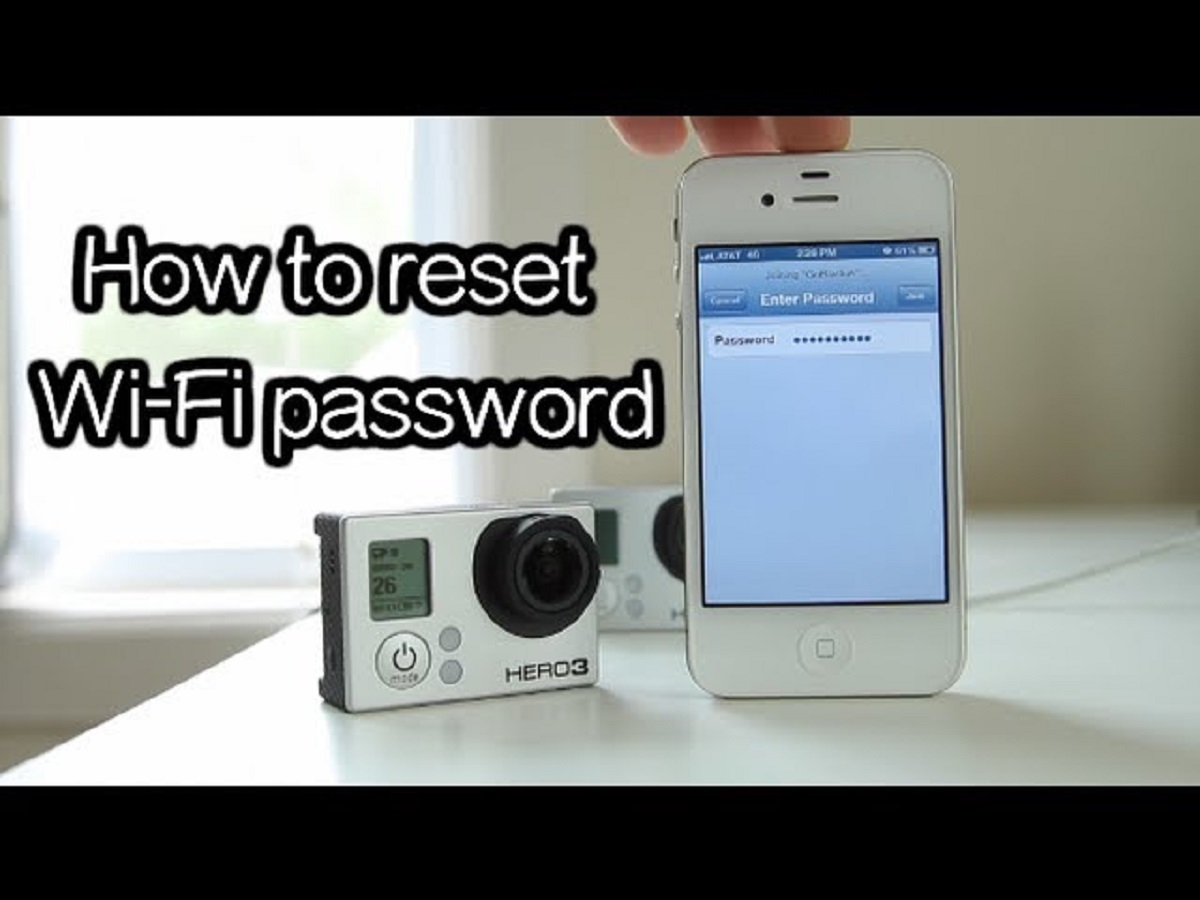
To reset GoPro Hero 3 WiFi password, you have two reliable paths: change it directly through the camera’s menu if you can still navigate it, or edit a `settings.in` file on the SD card if you’re locked out. The second method works specifically for the HERO3 (non-plus) model and lets you set a fresh SSID and password without needing the old one.
Why you might need to reset your GoPro Hero 3 wifi password
Forgetting the current password is the most common reason you’d want to reset it, especially if you set a complex one and haven’t connected in a while. Security is another driver: if you suspect someone unauthorized accessed your camera’s network, changing the password cuts off that access. You might also be pairing with a new smartphone or tablet, and a reset clears the way for a clean connection. Troubleshooting connectivity issues often starts with a password reset too, since a stale or mistyped credential can block the link. Finally, you may simply prefer a password that’s easier to remember or matches your other devices.
Method 1: Change the wifi password using the camera menu
If you can still operate the camera’s buttons and see the screen, this is the quickest route. Power on the GoPro Hero 3 and make sure the battery has enough charge to avoid interruptions mid-process.
- Press the settings button on the front of the camera to enter the menu.
- Use the navigation buttons to scroll until you find the Wi-Fi option, then press the settings button to open it.
- Look for the password field within the Wi-Fi settings. Select it and enter your desired new password using the camera’s controls.
- Confirm the password when prompted, then save the change.
- Restart the camera by powering it off and on again so the new password takes effect.
Once the camera reboots, the new password is active. You’ll need to update it on any device that was previously connected, or they won’t be able to join the network.
Method 2: Reset the wifi password using the SD card (settings.in file)
For the HERO3 (non-plus), there’s a workaround that doesn’t require navigating the camera menu at all. This is ideal if you’ve forgotten the password and can’t get into the settings, or if the camera is unresponsive to button presses. The process involves editing a configuration file on the SD card.
- Download a WiFi update zip file for the HERO3 and extract its contents to your computer.
- Place the `settings.in` and `update.11.txt` files directly in the root folder of your SD card. Do not put them in any subfolder.
- Open the `settings.in` file using a text editor like Notepad.
- Edit the `SSID` field to your desired camera name and the `password` field to your new password.
- Save the `settings.in` file without adding any extra characters or lines. A stray space or carriage return can break the update.
- Insert the SD card back into the camera, and the update with your new settings will proceed automatically when you power it on.
After the camera boots, it should apply the new SSID and password from the file. This method bypasses the menu entirely, so it’s a solid fallback when the standard approach isn’t available.
Reconnect your smartphone or tablet to the GoPro
After a reset, your device won’t automatically reconnect. Open the Wi-Fi settings on your smartphone or tablet and scan for available networks. Look for the GoPro’s network name, either the default one or the new SSID you set in the `settings.in` file. Select it, then enter the password (the default if you used the camera menu reset, or your custom one from the SD card method). Wait for the connection to establish; you should see a checkmark or connected status next to the network name. Once connected, you can open the GoPro app to control the camera, transfer files, or adjust settings remotely.
Tips for keeping your GoPro wifi secure
Choose a password that’s at least eight characters long and mixes letters, numbers, and symbols, avoid obvious choices like “12345678” or your name. Since the HERO3’s Wi-Fi is WPA2-protected, a strong password is your main defense against nearby strangers hijacking the connection. Write the password down somewhere safe, like a note in your phone or a sticker on the camera’s battery door, so you don’t get locked out again. If you share the camera with others, make sure they know the password too, or they’ll need to go through the reset process themselves. Periodically changing the password, say, every few months, adds an extra layer of protection, especially if you use the camera in public spaces where others might see you enter it.
\nRelated reading: How To Find My Wifi Password Xfinity, How To Check Wifi Strength, and How To Connect Kindle To Wifi.