Quick fixes for a stuck or unresponsive robot
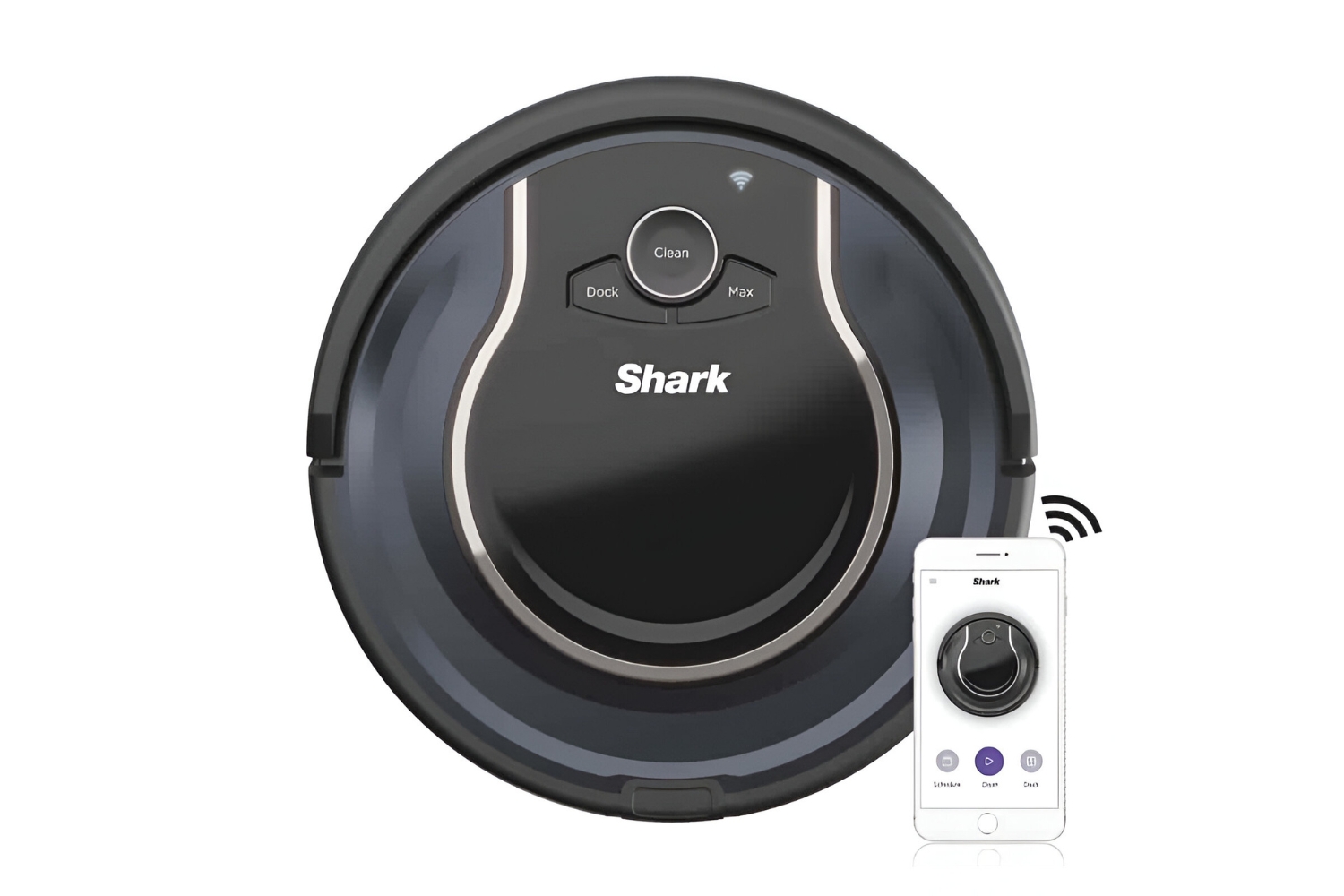
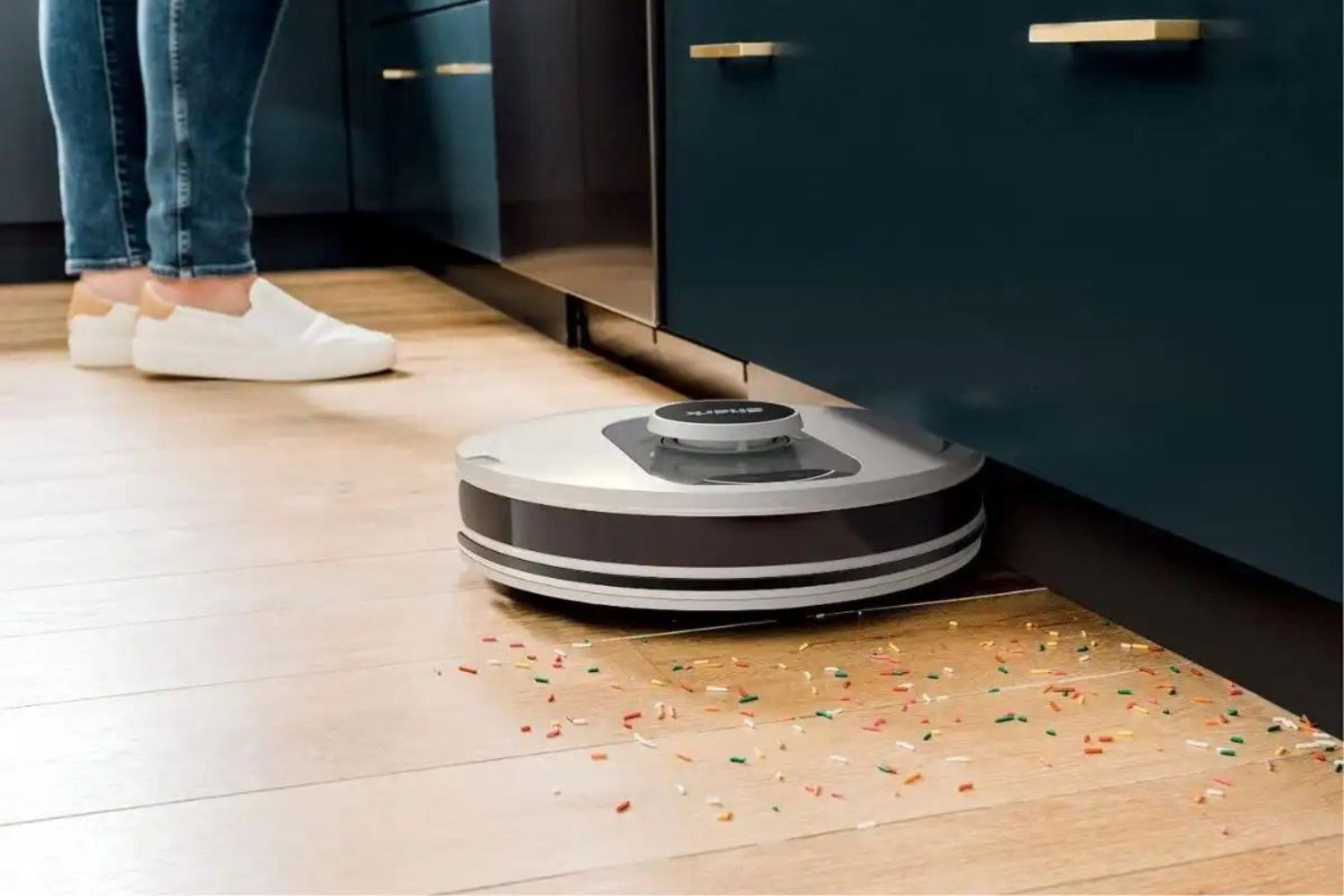
To fix my shark robot vacuum when it has frozen mid-cycle or refuses to respond to the app or remote, the first thing to do is a simple power cycle. Press and hold the main power button for about ten seconds until all lights go dark. If the button does nothing, lift the robot off the charging dock and flip it over. The physical power switch on the underside is your emergency kill. For models that still show a blinking light after that, you may need to perform a hard reset shark robot vacuum by following the reset procedure for your specific model. This clears a stuck state without touching the battery.
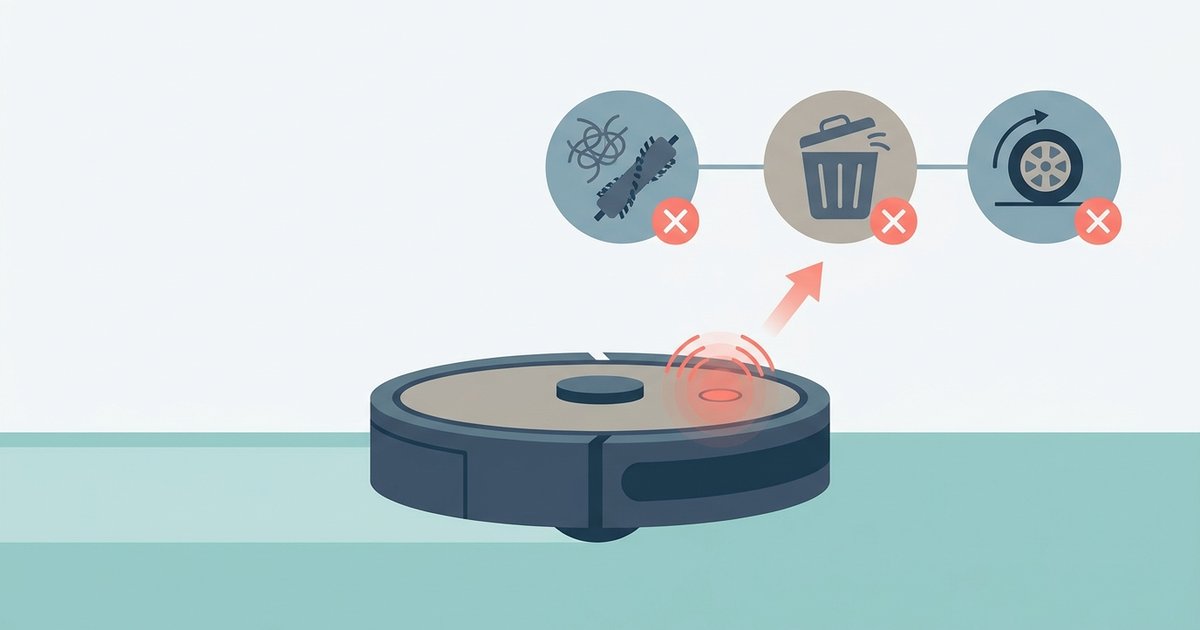
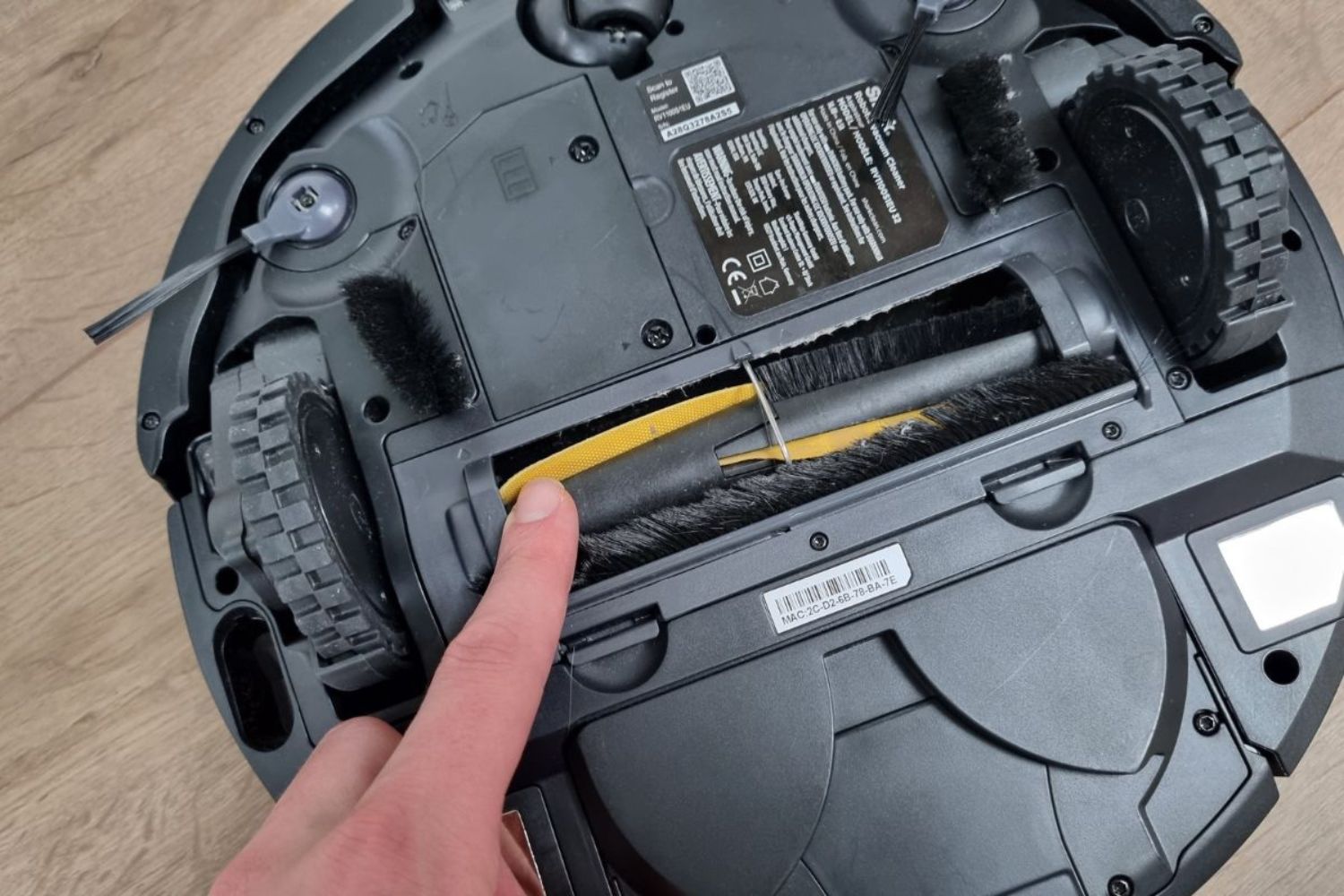
Before you try that, though, check the error code on the display or the light ring. A solid red ring often means the dustbin is full, not a dead motor. If the robot is beeping but not moving, first empty the bin and clean the filter. A blocked airflow can trick the sensors into thinking the wheels are jammed. Only after confirming the bin and filter are clean should you attempt a full power-down. To turn off shark AI robot vacuum completely for a deeper reboot, slide the main power switch to OFF, usually on the bottom near the brush roll. Wait thirty seconds, then flip it back on. This is more effective than just pressing Clean, because it cuts all power to the logic board and resets the internal sensors. Unlike other brands that require a screwdriver to reach the battery connector, Shark puts this master switch right on the exterior for a true cold boot.
If the unit still refuses to wake after that, you can try a factory-level procedure to reset robot vacuum cleaner by following the reset instructions in your model's user manual. This forces the firmware to reload its startup routine. Do not skip the dustbin check first, though. Many blinking-light problems that look like hardware failures are actually just a dirty filter or an overfilled dustbin. Skipping that step can turn a 30-second fix into an unnecessary battery pull.
Routine care that prevents most problems
Most blinking-light emergencies on a Shark robot vacuum are actually just a clogged airway or a full bin. Before you pull any screws or reset the motherboard, make it a habit to empty the Shark robot vacuum every time you finish a cleaning cycle. This is especially important if you have pets or long hair. A dustbin that is only half-full can still block airflow when the debris is packed tight. That blockage tricks the motor into thinking it is overheating. Once the bin is empty, the next step is to clean filter on Shark robot vacuum by tapping it gently over a trash can. Never use water on the foam pre-filter unless the manual says so. Let it dry fully before reinstalling. A damp filter can stall suction for an entire charge cycle. If the robot still refuses to start or docks poorly, check the charge time of a Shark robot vacuum against your outlet’s output. A depleted battery typically needs three to four hours on the base, but a dirty charging contact or a cold room can double that time. Wipe the metal strips on both the dock and the bot with a dry cloth every two weeks. Oxidation there causes the dreaded “not charging” light that looks like a board failure but is just grime. Spend five minutes on these steps, and you will avoid nine out of ten error codes. A Shark robot vacuum will never tell you to clean its charging contacts, but a dead dock always does.
Fixing recurring faults and power issues
When your Shark robot vacuum stops mid‑clean or refuses to start, the first thing to do is read the lights on the bumper or the top panel. Check the indicator lights on your model; a full dustbin or clogged filter may trigger a specific error code or light pattern. A repeating pattern of flashes may point to a wheel or bumper sensor that got stuck; check your model's error code list to confirm. Before you pull the battery, check the full list of Shark robot vacuum error codes and what they mean so you can diagnose the exact problem without guessing. Most of these signals resolve with a quick filter rinse or a dustbin empty. If the robot runs for only a few minutes before dying, even after you have cleaned everything, the battery itself is likely worn out. A lithium‑ion pack that no longer holds a charge will trigger a steady red light or a flashing blue‑red sequence that mimics a sensor fault. In that case, the Shark robot vacuum battery replacement guide provides step‑by‑step instructions to get your robot running again safely. Never open the battery compartment first: a dirty sensor that looks like a dead battery is far more common than an actual power failure, and skipping the error‑code check turns a thirty‑second fix into an unnecessary teardown.
- Shark robot vacuum error codes and what they mean — Shark robot vacuum error codes and what they mean
- Shark robot vacuum battery replacement guide — Shark robot vacuum battery replacement guide