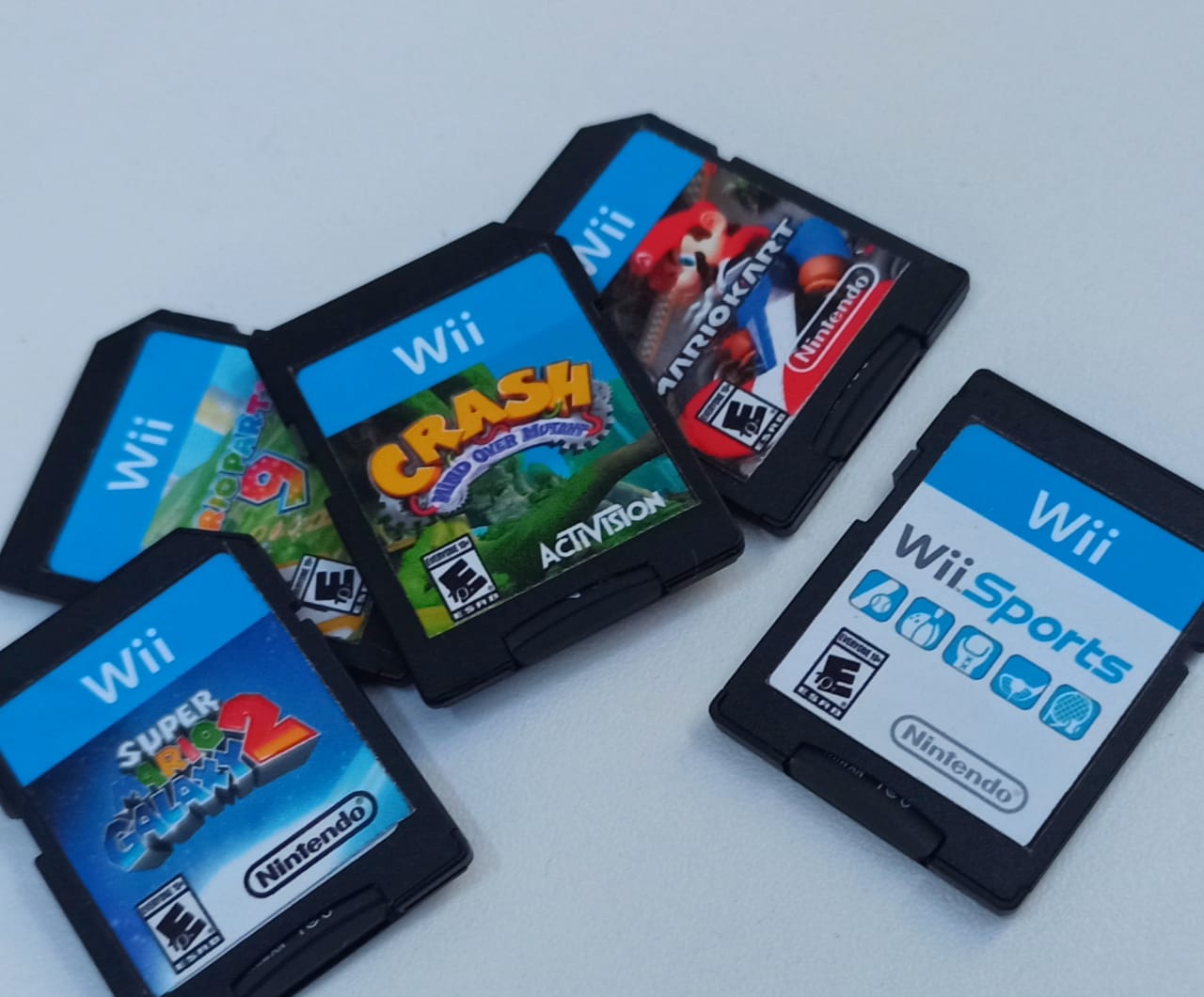
Understanding the Legal Ways to Play Wii Games from an SD Card
The only legal ways to play Wii games from an SD card involve content you already own, content that is explicitly licensed for SD card storage, or homebrew software running only your own legally acquired game backups, and even then, you must follow Nintendo’s terms of service and regional laws. This article explains exactly what an SD card can do with a Wii, what content is lawful to store, and where to find legitimate games without resorting to piracy.
What the Wii SD Card Slot Actually Does
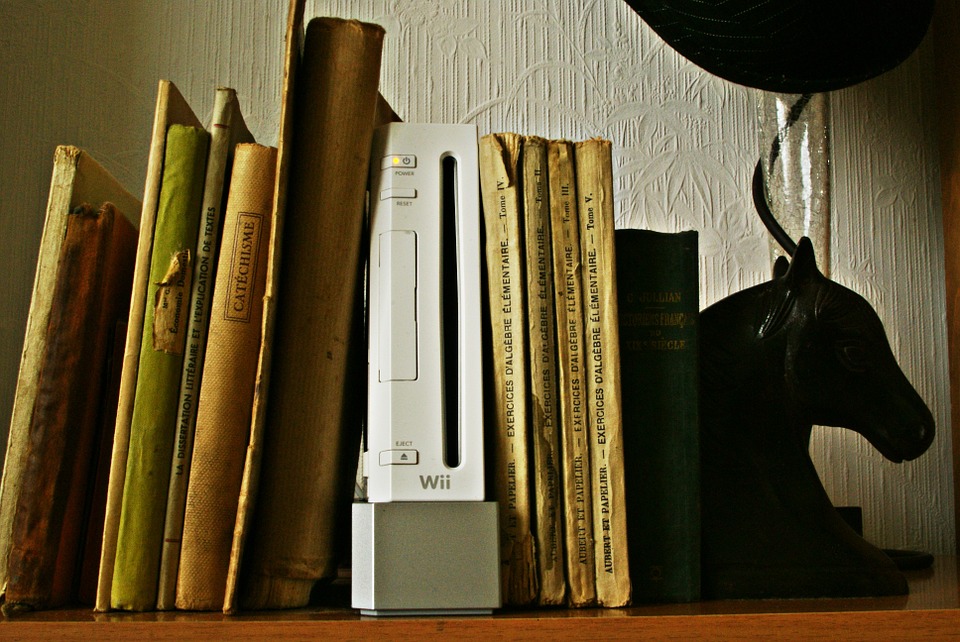
The Nintendo Wii has an SD card slot located behind the front panel, beneath the disc slot. This slot is designed for specific, Nintendo-sanctioned uses. The most documented feature is the Photo Channel, which allows you to view digital photos and videos from SD Cards. This is a built-in application that reads standard JPEG images and AVI (Motion JPEG) video files stored on the card. No game data is loaded from the SD card through this channel; it is strictly a media viewer.
Beyond the Photo Channel, the SD card slot works with the Wii System Menu for limited data storage. You can save game save files, downloaded channels (like Virtual Console titles or WiiWare), and screenshots from certain games onto an SD card. This is a legitimate, supported feature, it does not allow you to play full Wii disc games directly from the card. The Wii console reads game data from the optical disc drive or from the internal NAND flash memory for downloaded titles. The SD card is not a substitute for the disc drive.
What You Can Legally Store on an SD Card
Legally, you may store the following on your Wii’s SD card:
1. Game save files. Many Wii games allow you to copy your save data to an SD card. This is useful for backing up progress or transferring saves between consoles. This is fully supported by Nintendo and does not involve copying the game itself.
2. Downloaded WiiWare and Virtual Console titles. If you purchase a game from the Wii Shop Channel (while it was active) or from the Nintendo eShop on Wii U (for Wii-mode content), you can move those titles to an SD card. The Wii system treats the SD card as an extension of its internal memory for these purchased titles. This is legal because you paid for the license to play that software.
3. Screenshots and photos. The Photo Channel allows you to view digital photos and videos from SD Cards. You can also take in-game screenshots in certain titles and save them to the SD card. These are user-generated files, not copyrighted game code.
4. Homebrew software that you have the legal right to run. The Wii has a homebrew scene that runs unsigned code. However, running homebrew is not illegal by itself, what matters is what you do with it. You may legally run homebrew applications that you wrote yourself, or that are open-source and freely licensed, provided they do not circumvent copy protection or enable piracy. You may also run your own legally purchased game backups, but only if you own the original disc and you are not distributing copies. This is a gray area in many jurisdictions, and Nintendo’s terms of service explicitly prohibit modifying the console or using unauthorized software. Even if you own the disc, copying it to an SD card and playing it via homebrew violates Nintendo’s End User License Agreement (EULA) and may violate the Digital Millennium Copyright Act (DMCA) in the United States or similar laws elsewhere.
Why “Downloading Wii Games” Is Illegal and Risky
When people search for “how to download Wii games on SD card,” they are usually looking for ROMs or ISO files of copyrighted commercial games. Downloading these files from the internet is illegal in virtually every country, regardless of whether you own the original disc. The act of downloading a copyrighted game without paying for it is copyright infringement. Distributing those files, even for free, is also illegal and can lead to civil lawsuits.
Beyond the legal exposure, there are serious practical risks. Piracy websites that host Wii game files are often riddled with malware. A single download could potentially infect your computer with malware. Transferring malicious files to an SD card and using it in your Wii could potentially cause system instability or data loss. Many “Wii game download” sites also require you to install custom firmware or use unofficial tools that can damage the hardware.
Additionally, Nintendo actively monitors online activity related to its consoles. If you attempt to connect a modified Wii to the internet, your console can be flagged. Nintendo has issued bans on consoles that use unauthorized software or modified firmware, which may block access to online services and system updates. This means you lose access to any legally purchased content you own.
Legal Alternatives: Where to Get Wii Games Without Piracy
If you want to play Wii games from an SD card, the only fully legal and safe path is to use content you have purchased through official channels. Here are the legitimate options:
1. Official Nintendo eShop (Wii U backward compatibility). The Wii U has a “Wii Mode” that allows you to play Wii games. You can purchase Wii titles directly from the Nintendo eShop on Wii U, and some of those titles are playable on the Wii U’s virtual Wii environment. You can then move those purchased titles to an SD card for storage and play them on the Wii U’s Wii Mode. This is entirely legal and supported. The eShop for Wii U closed in March 2023, but if you already purchased titles, you may still be able to re-download them for a limited time. For new purchases, check the Nintendo Switch Online library, which includes some Wii classics via the Expansion Pack subscription.
2. Physical discs. The simplest legal way to play Wii games is to buy the original disc. You can find used Wii discs at game stores, online marketplaces, or garage sales. Insert the disc into your Wii and play directly. No SD card is needed, and no downloading is involved. This is 100% legal, and you own the physical copy forever.
3. Nintendo Selects and sales. Nintendo periodically re-releases popular Wii titles as “Nintendo Selects” at a lower price. These are official, legitimate copies sold at retail. You can also find sales on digital versions through the Wii U eShop (when it was active) or through the Nintendo Switch Online service, which offers a rotating selection of classic games as part of a subscription.
4. Free-to-play and demos. Some Wii games had official free demos available through the Wii Shop Channel. While the channel is now closed, you can still find legitimate free homebrew games and public-domain titles on sites like the Homebrew Channel’s official repository (only for software that is explicitly free and open-source). These are not copyrighted commercial games, so they are safe to download and run, provided you use a legal homebrew setup, which, again, may violate Nintendo’s terms of service even if the software itself is legal.
5. Library lending. Many public libraries lend Wii games for free. You can check out a disc, play it, and return it. This is a legal, cost-free way to experience Wii games without downloading anything.
What About Homebrew and Backups of Games You Own?
Some users argue that making a personal backup of a Wii disc you own and playing it from an SD card is “fair use.” This is not true under most legal systems. The DMCA (in the U.S.) prohibits circumventing copy protection, and Wii discs use copy protection measures. Even if you own the disc, cracking that encryption to copy the game to an SD card is a violation of the DMCA. In the European Union, similar anti-circumvention provisions exist under the Information Society Directive, though specific legal interpretations may vary by member state. Nintendo’s terms of service also explicitly forbid reverse engineering, copying, or modifying their software. Therefore, even “personal backups” played via homebrew are illegal in most jurisdictions and always violate Nintendo’s terms of service.
Furthermore, the act of downloading a Wii game from a website, even if you own the original disc, is still illegal because you are making an unauthorized copy of copyrighted material. The source of the download is almost always a pirate server, and you have no way to verify that the file is clean. The risk of malware is real, and the legal risk is not hypothetical. Nintendo has taken legal action against individuals and websites for facilitating Wii piracy.
A Safe, Legal Way to Use an SD Card for Wii Games
If you want to use an SD card with your Wii for gaming, the only fully legal method is to purchase WiiWare or Virtual Console titles from the official Nintendo eShop (on Wii U) and then move them to your SD card. You can also use the SD card to store save files and screenshots. That is the extent of what Nintendo supports. For physical disc games, the SD card is not used for game data at all.
If you are interested in homebrew, understand that even legal homebrew (e.g., open-source emulators for games you own) requires modifying your Wii, which voids your warranty and violates Nintendo’s terms of service. While the act of running open-source software is not inherently illegal, the modification process often involves exploiting security vulnerabilities, which may be illegal under anti-circumvention laws. The safest course is to avoid homebrew entirely unless you are a developer who fully understands the legal landscape in your country.
Final Word: Stick to Official Channels
To summarize, the only legal ways to play Wii games from an SD card are: (1) purchasing and downloading WiiWare or Virtual Console titles from the official Nintendo eShop and moving them to the SD card; (2) using the SD card for save data, screenshots, and photos via the Photo Channel; and (3) if you own a physical disc, playing it directly from the disc drive, not from an SD card. Downloading commercial Wii games from the internet is illegal, risky, and can lead to malware infections, console bans, and legal action. Always choose official stores, physical discs, library lending, or free-to-play titles. Your Wii will thank you, and so will your bank account and your legal record.
\nRelated reading: How To Download Wii Games On Homebrew, How To Download Gamecube Games On Wii Homebrew, and How To Download Wii Games For Dolphin.