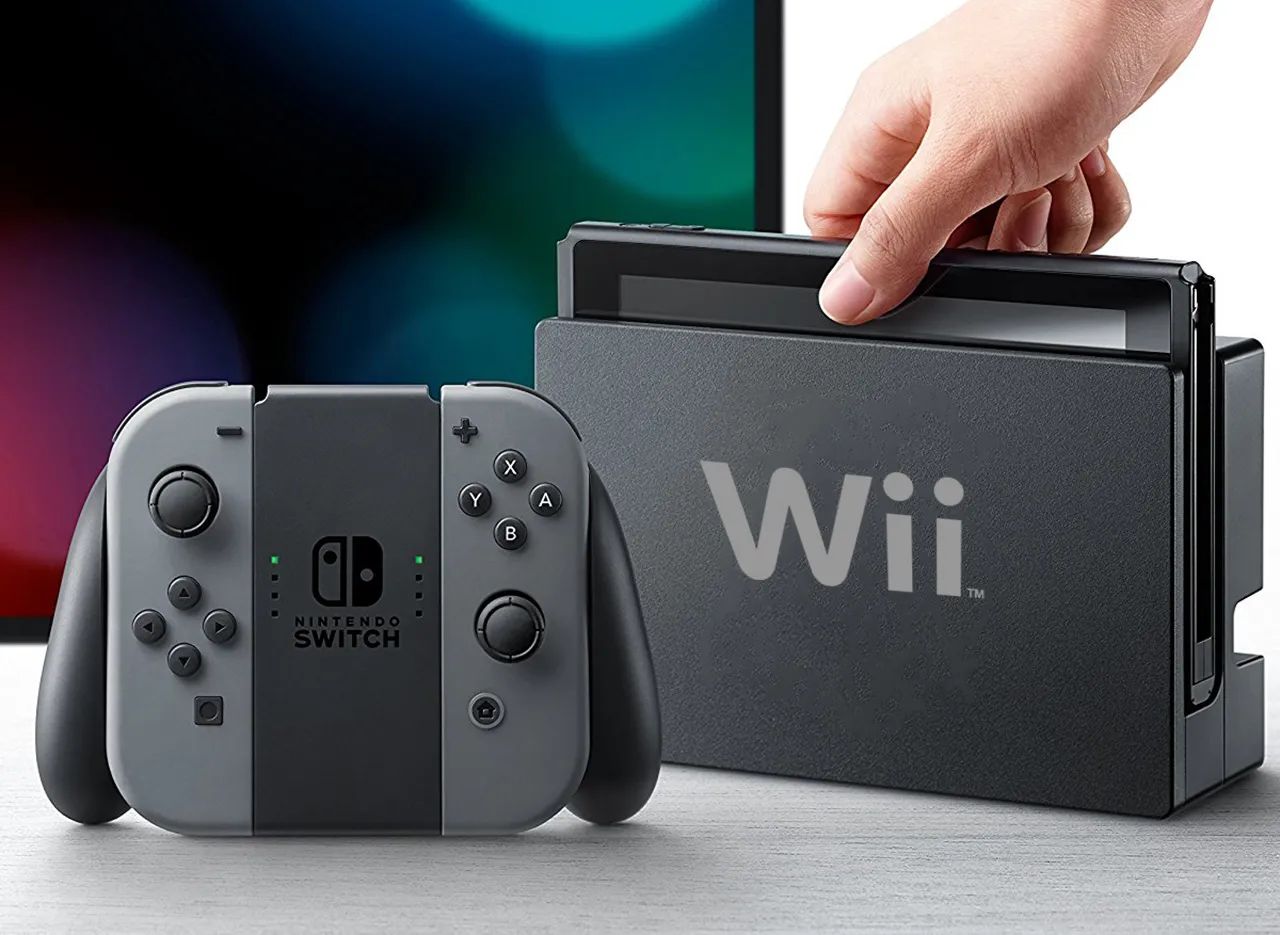
Wii homebrew legal uses exist, but they are strictly limited to running your own custom software, backing up your own games, and using utilities you have the rights to, not downloading or sharing copyrighted Nintendo content.
What Wii Homebrew Actually Is
Homebrew refers to unofficial software created by hobbyists for proprietary video game consoles not intended for user-programming. For the Wii, the Homebrew Channel is an application loader that allows users to run unofficial software from an SD card or USB device. This software is not approved by Nintendo and operates outside the company’s official ecosystem. The Homebrew Channel itself has ceased development due to allegations that its core dependency, libogc, contains stolen code from Nintendo's Software Development Kits (SDKs) and the open-source RTEMS project, raising ethical and legal concerns. That means even the primary tool for running homebrew has a contested legal history.
Homebrew can extend the functionality of the Wii beyond its original design, allowing for personalized user experiences and access to a broader range of entertainment options. Examples of homebrew applications include custom games, emulators, and utilities not officially available through Nintendo's ecosystem. Some of these are legitimate, for instance, a media player you wrote yourself, a game you coded from scratch, or a save-file manager for your own saves. But the platform itself is a gray area because installing it requires bypassing Nintendo’s system protections.
Why Downloading Wii Games via Homebrew Is Illegal and Risky
Downloading Wii games, whether full retail titles, ROMs, or ISOs, through homebrew is illegal in most jurisdictions and violates Nintendo’s terms of service. Nintendo’s updated End User License Agreement (EULA) states that modifying hardware to operate in any manner not in line with its intended use, or copying/reverse engineering Nintendo software, can result in Nintendo rendering the device "permanently unusable in whole or in part." This EULA applies broadly to "Nintendo devices," indicating that it covers older consoles like the Wii, not just newer ones. Nintendo views bypassing system protections, including through homebrew applications, as a violation of their terms.
The act of downloading a Wii game you do not own is copyright infringement. Under the Digital Millennium Copyright Act (DMCA), bypassing digital rights management (DRM), even for personal game backups, can expose you to civil liability. Nintendo’s EULA prohibits copying or reverse engineering Nintendo software, and the company has the right to block access to their online services if they detect modifications. System updates, such as Wii Menu version 4.2 and 4.3, were designed to check for and automatically remove unauthorized modifications to save data or program files. Nintendo warns that unauthorized channels or firmware may impair gameplay or the Wii console, and updating to Wii Menu version 4.3 will remove such unauthorized files. An "Error:004" indicates the system is attempting to load unauthorized software, which Nintendo states should be removed.
The risks go beyond legal exposure. Downloading Wii games from unofficial sources is a well-known vector for malware. Files labeled as ROMs or ISOs can contain trojans, ransomware, or code that bricks your console. A bricked Wii is not a minor inconvenience, it can render the device permanently unusable. Even if you avoid malware, Nintendo’s EULA allows the company to terminate the agreement or any portion of it at any time, for any reason, which would void any granted licenses and could prevent use of the Wii Network Service. Unauthorized use of a Digital Product may result in the Digital Product becoming unusable. In practice, this means your console could be remotely disabled or refused service.
Nintendo has also taken legal action against those who made modchips for its hardware and frequently issues DMCA notices against emulators, mods, ROM hacks, and fan-made games. Hosting, intercepting, emulating, or redirecting the communication protocols used by Nintendo as part of the Wii Network Services is explicitly prohibited. Prohibited methods include, but are not limited to, protocol emulation, reverse engineering, modifying, adding components to, or using a utility program to host the Wii Network Services, the Wii console, Nintendo Intellectual Property, or any portion of these. You may not create works based on Nintendo Intellectual Property, or adapt, distribute, or make Nintendo Intellectual Property transmittable to the public. Downloading a Wii game from a third-party site is exactly the kind of activity this language targets.
Legitimate Uses for Homebrew on a Wii
There are legal, ethical ways to use homebrew on a Wii, but they do not involve downloading copyrighted games. The primary legitimate use is running custom software you have created or that is explicitly distributed by its authors under a free or open-source license. For example, you could write a simple puzzle game in C and run it through the Homebrew Channel, that is your code, your creation, and you are not infringing on anyone’s copyright. Similarly, emulators for systems you own the games for can be legal if the emulator itself does not contain Nintendo code and you only use ROMs you have dumped from your own cartridges. However, note that Nintendo’s EULA prohibits copying or reverse engineering Nintendo software, and even personal backups exist in a legal gray area under the DMCA. The safest path is to only run homebrew that does not involve any Nintendo intellectual property.
Another legitimate use is system backup and recovery. Installing BootMii allows for backing up and restoring a Wii's NAND storage (internal memory) to an SD card, serving as a safety precaution against "bricking" the console. A NAND backup creates `nand.bin` (console's internal memory) and `keys.bin` (console's keys) files, which should ideally be stored in at least two secure locations. This is not about downloading games, it is about protecting your own hardware and data. If you have saved game progress, custom settings, or purchased downloadable content, a NAND backup can help you restore them if something goes wrong. This is a responsible use of homebrew, provided you do not share those files or use them to circumvent any protections.
You can also use homebrew to run homebrew-only utilities, such as a text editor, a music player for your own audio files, or a file manager for your SD card. These are not Nintendo products and do not require copying Nintendo software. The key rule is: if the software is not yours and not explicitly licensed for free distribution, do not download it. Legal content for homebrew primarily includes custom software developed and distributed by its creators without infringing on existing copyrights; obtaining unauthorized copies of Nintendo software (ROMs) is illegal.
Legal Ways to Get Wii-Compatible Content
If you want to play Wii games without legal risk, use official channels. Nintendo’s Wii Shop Channel was the original digital storefront, but it has since closed. However, many Wii titles have been re-released on newer platforms. You can purchase Wii games physically from retailers, second-hand stores, or online marketplaces, buying a used disc is legal, and you own that copy. For digital options, Nintendo has re-released select Wii titles on the Wii U eShop (which also closed in 2023) and on the Nintendo Switch via the "Nintendo Classics" or "Virtual Console" style offerings. Check the current Nintendo eShop on Switch for titles like *Super Mario Galaxy*, *Donkey Kong Country Returns*, or *Metroid Prime*, these are official, legal ways to play Wii-era games on modern hardware.
Subscription services are another legitimate avenue. Nintendo Switch Online + Expansion Pack includes a library of classic titles, some of which originated on the Wii or GameCube. This is a paid subscription, but it is fully legal and supports the developers. Free-to-play games on the Wii, such as *Wii Sports* (bundled with the console) or *Wii Channels* like the Internet Channel (when it was available), are also legal options. If you already own a Wii game disc, you can play it directly on your Wii without any modification, no homebrew needed. For homebrew-specific content, look for software released under open-source licenses, such as *WiiMC* (a media player) or *WiiSX* (a PlayStation emulator) that explicitly permit free distribution. Always read the license terms before downloading.
Finally, if you are concerned about your Wii’s system version, you can check it by navigating to "Wii Options" and then "Wii Settings"; the version number appears in the top right corner of the screen, except for version 1.0. The last Wii System Menu version was 4.3. Installing homebrew will void the Wii's warranty, and Nintendo may refuse to perform repairs on modified consoles. The Wii End User License Agreement states that the Wii Console and Wii Network Services are not designed for use with unauthorized software, services, devices, or non-licensed accessories. Nintendo’s EULA also states that the company may change the terms and conditions at any time to enhance the service or adapt to technical or legal requirements. In short, the only fully safe way to play Wii games is through official, purchased, or licensed means.
Final Word on Wii Homebrew Legal Uses
Wii homebrew legal uses are real but narrow: they involve your own code, your own backups, and openly licensed utilities. Downloading Wii games from unofficial sources is illegal, violates Nintendo’s terms, and exposes you to malware, account bans, and legal action. Nintendo has consistently enforced its rights through DMCA notices, lawsuits against modchip makers, and system updates that remove unauthorized software. The responsible choice is to buy games through official channels, use subscription services, or play free-to-play titles. If you choose to explore homebrew, do so only with software you have the right to use, and never download copyrighted Nintendo content. Your console, your wallet, and your legal record will thank you.