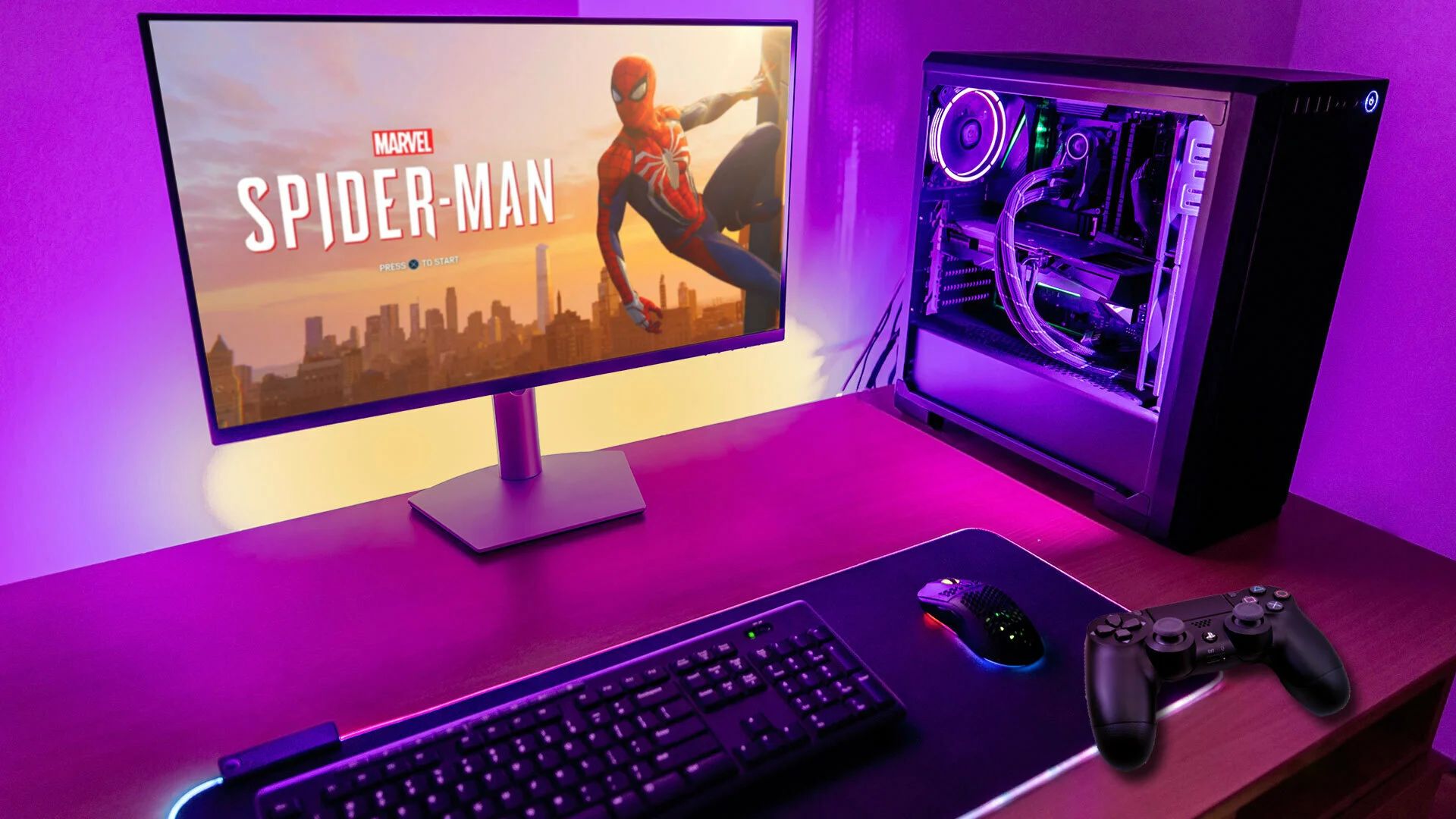
You can access Nintendo Switch titles on PC only through legal channels like official PC ports, Nintendo Switch Online cloud streaming, or emulation of games you have lawfully purchased, but downloading unauthorized copies of Switch games is illegal, violates Nintendo's terms, and carries serious security and account risks.
Understanding Nintendo Switch Game Preservation and Legal PC Alternatives
The desire to play Nintendo Switch games on a PC is understandable, PCs offer convenience, potential performance enhancements, and the ability to consolidate your gaming library. However, the phrase "nintendo switch game preservation and legal PC alternatives" points to a critical distinction: preserving games you own is different from obtaining them through piracy. Preservation of legally owned software is a legitimate interest, but it must be done within the boundaries of copyright law and Nintendo’s licensing terms. This article explains the legal landscape, the risks of illegal downloads, and the safe, lawful ways to enjoy Switch titles on a PC.
How Unauthorized Switch Game Downloading Works (In General Terms)
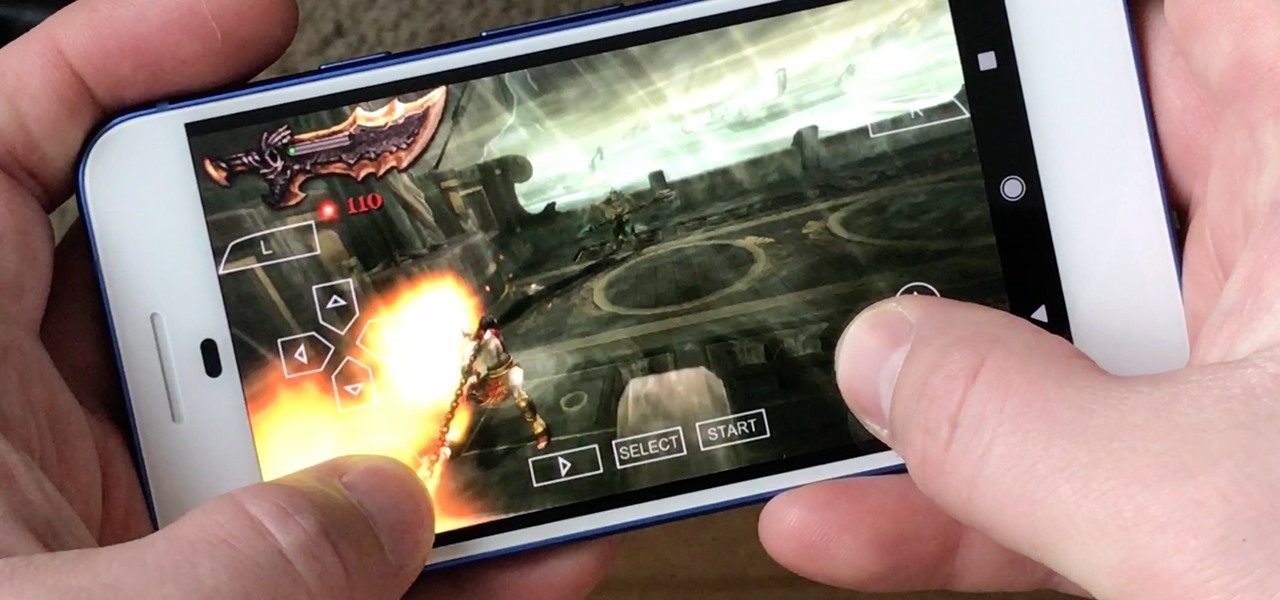
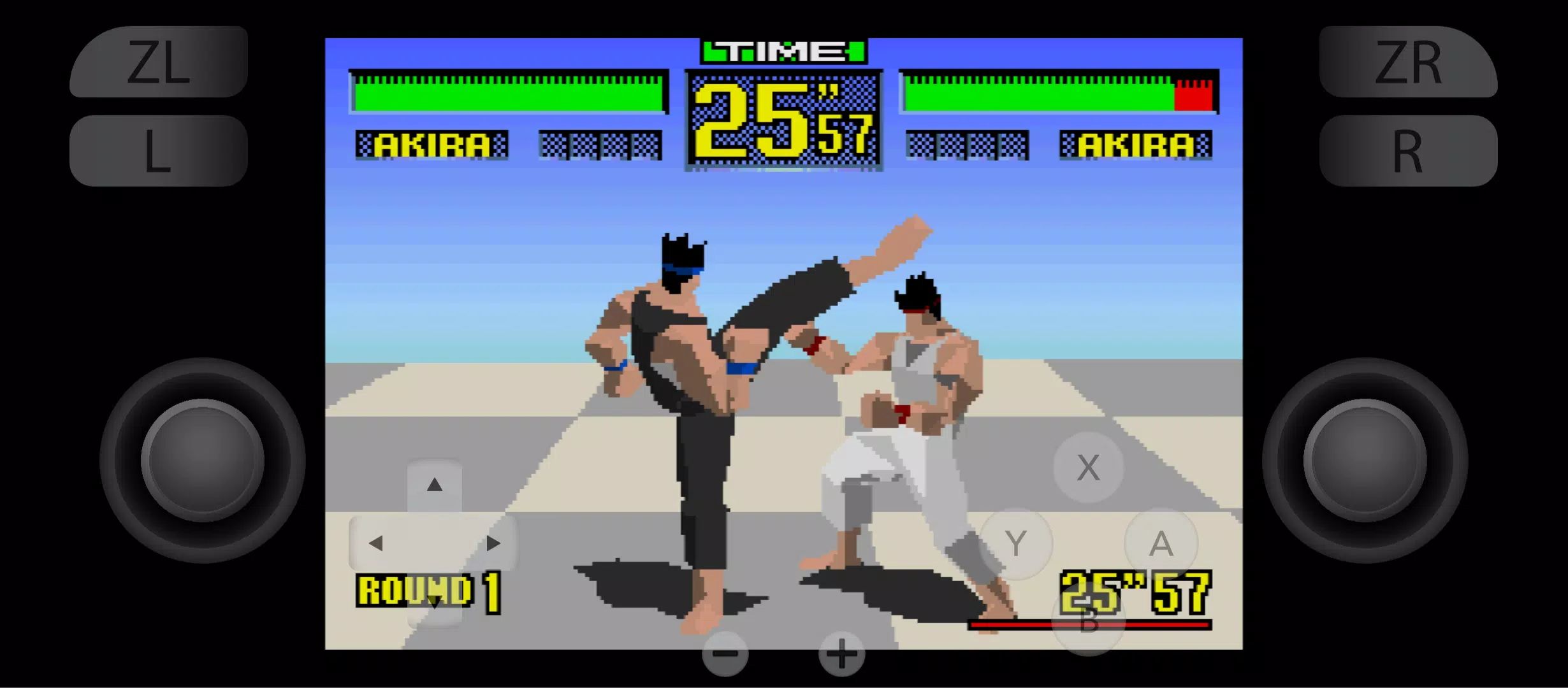
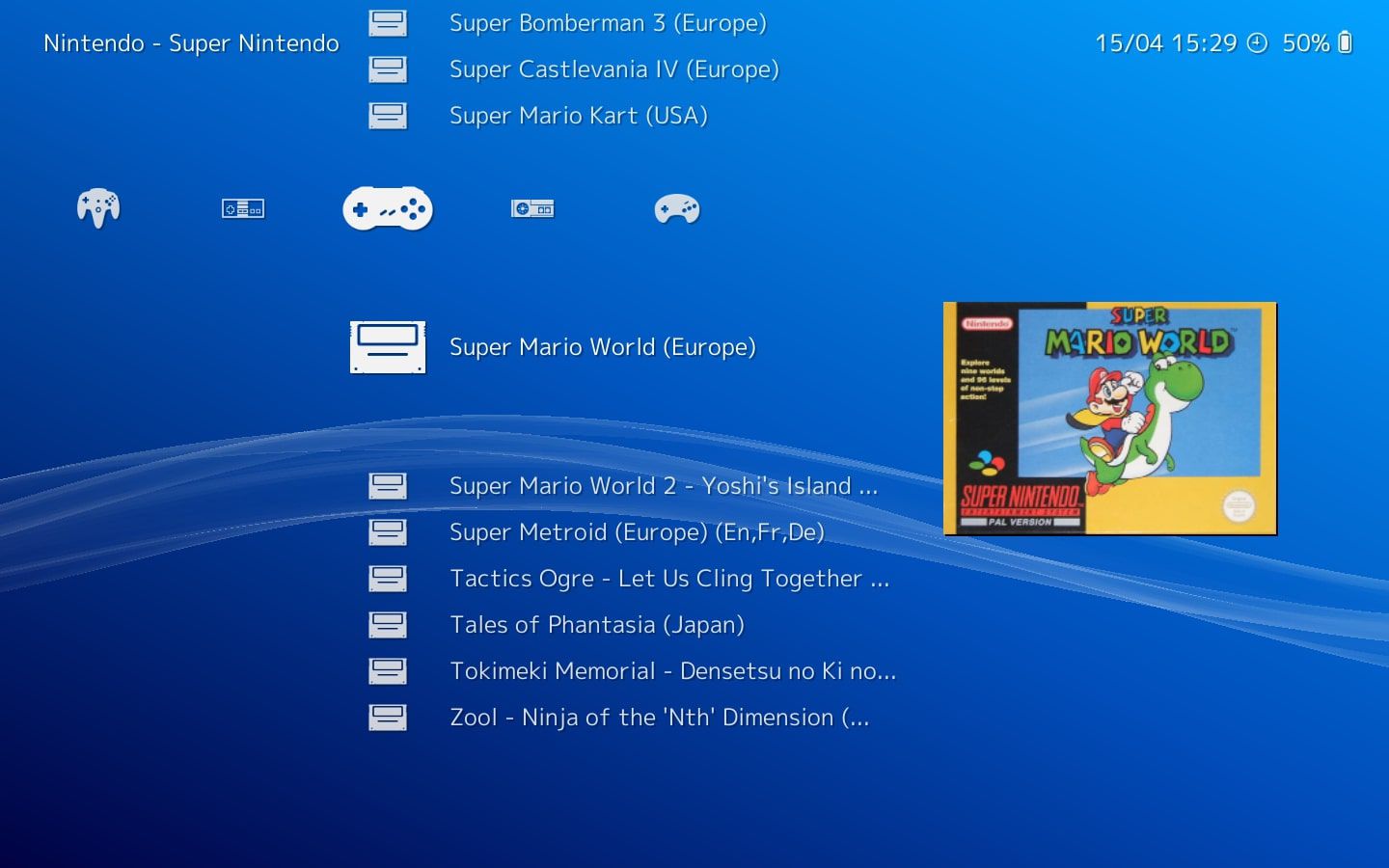
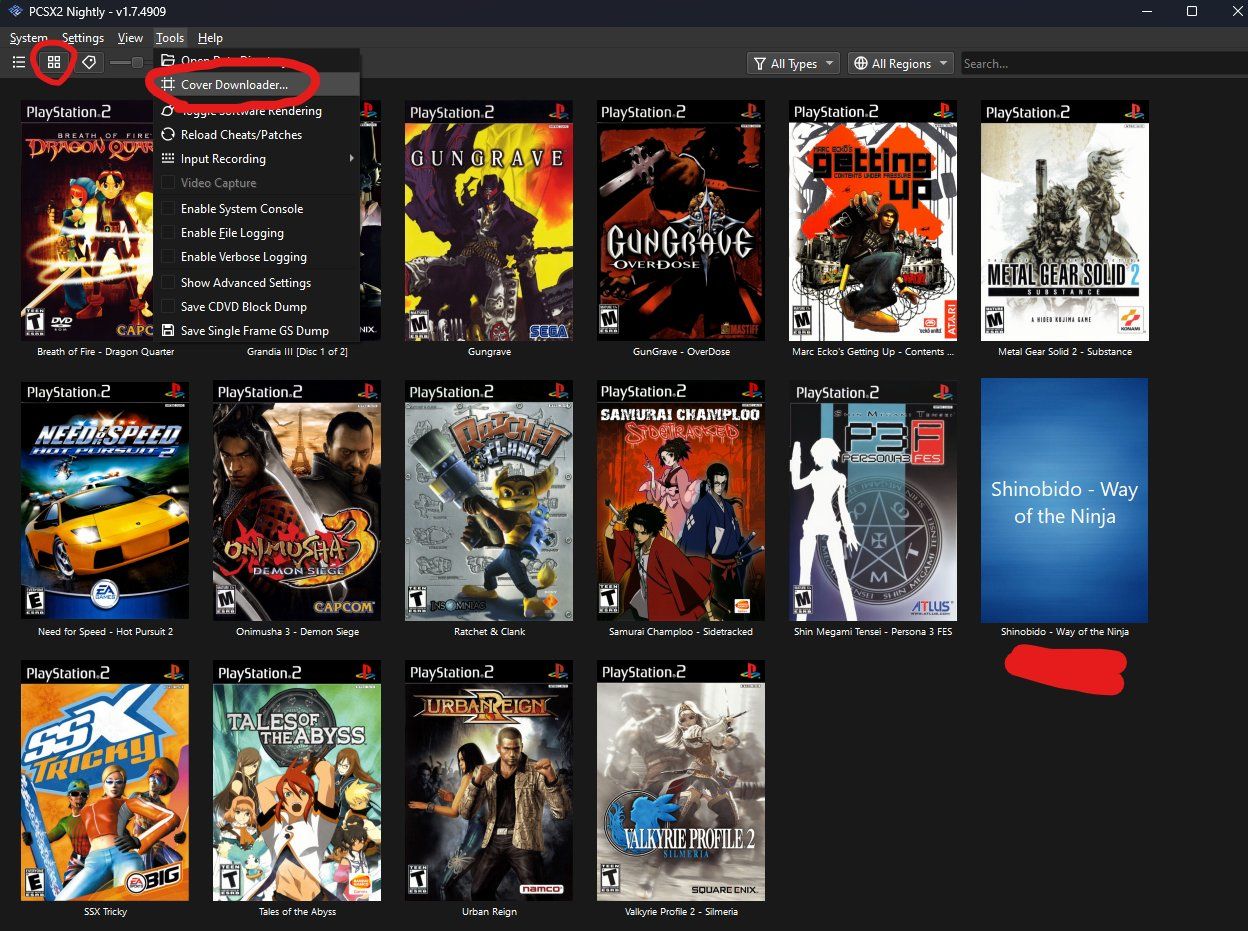
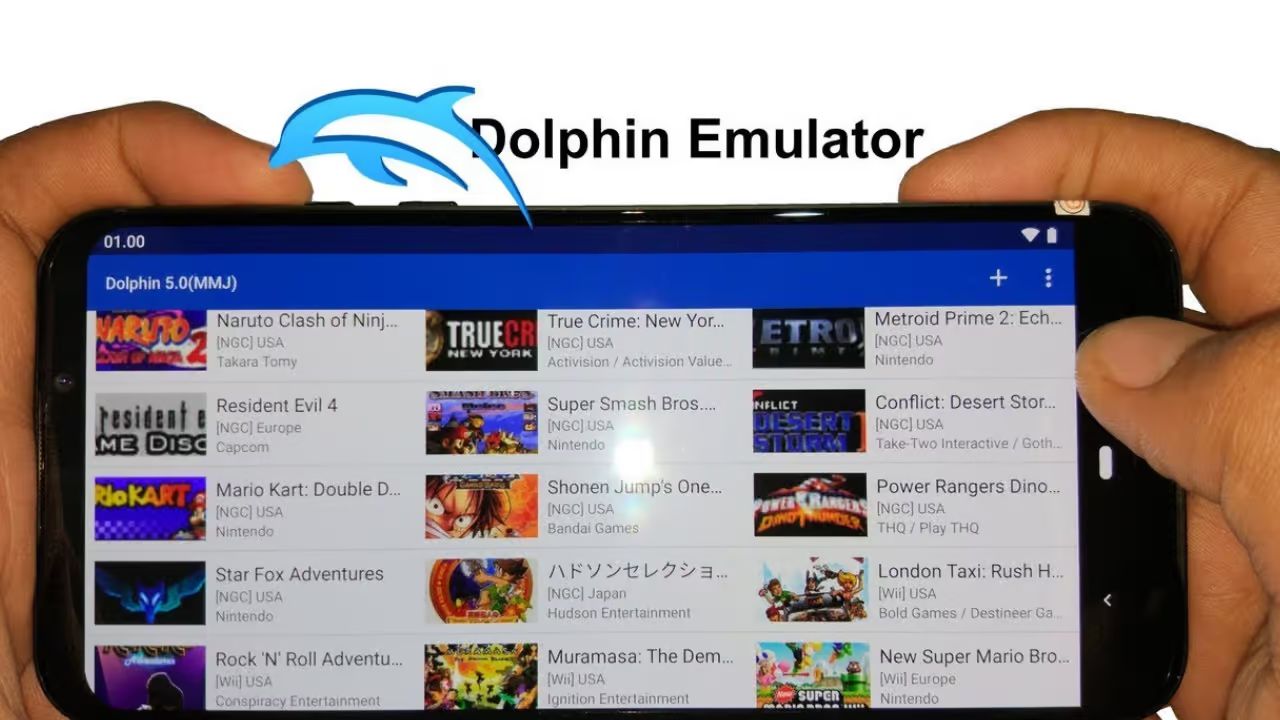
In broad technical terms, unauthorized downloading of Switch games typically involves obtaining a digital copy of the game’s ROM (read-only memory) file from a third-party source, often a peer-to-peer network, a file-hosting website, or a dedicated server. These files are extracted from physical game cartridges or downloaded from Nintendo’s own servers without permission. Once a user has the ROM file, they may attempt to run it on a PC using an emulator, which is a program designed to mimic the Switch’s hardware environment. Some users also modify their Nintendo Switch consoles to run homebrew software or unauthorized copies directly, but that is a separate and equally problematic path.
It is important to note that the act of downloading a ROM is not a neutral technical process. Every Switch game is protected by copyright, and Nintendo holds the exclusive right to reproduce, distribute, and publicly transmit its software. Downloading a copy from an unofficial source is a direct infringement of those rights, regardless of whether you already own a physical cartridge or a digital license. The only exception would be a situation where you have created a personal backup of a game you legally own, and even then, Nintendo’s End User License Agreement (EULA) imposes strict limits on how that backup can be used, as explained below.
The Legal Framework: Nintendo’s EULA and Intellectual Property Policy
Nintendo’s End User License Agreement for the Nintendo Switch is the foundational document that governs how you may use the software on your device. The EULA explicitly prohibits "copying, duplicating, publishing, transmitting publicly, leasing, modifying, or reverse engineering" the software. This means that even if you own a physical game cartridge, making a digital copy for use on a PC, unless it is a permitted backup and used solely on your own Switch, is a violation of the license. The EULA further states that digital products are "licensed only for personal and non-commercial use on a User Device," which is defined as the Nintendo Switch console itself. Running that software on a PC, even through an emulator, is not authorized because the PC is not a "User Device" under the license.
Nintendo’s intellectual property policy is equally strict. The company states that it takes "appropriate action against any behavior that undermines its IP," which includes patents, trademarks, copyrights, and trade secrets. This is not a vague threat; Nintendo has a long history of issuing cease-and-desist letters, filing lawsuits, and pursuing legal action against individuals and websites that facilitate unauthorized copying or distribution of its games. The EULA also specifies that "unauthorized use of a digital product may result in the digital product becoming unusable." In practice, this means that if Nintendo detects that you have used an unauthorized copy or modified your console, it can remotely disable the software or even the entire device.
Furthermore, Nintendo reserves the right to render a Nintendo device "unusable in whole or in part" if it detects unauthorized modifications, hacking, or the running of emulators. This is a key point: even if you only use an emulator on your PC and never touch your Switch, Nintendo’s servers can flag your account if you connect to its online services from a modified console or if you attempt to link a pirated game to your account. The risk of a permanent account ban is real and has been documented in numerous user reports over the years.
The Real-World Risks: Malware, Account Bans, and Legal Exposure
Beyond the legal violations, downloading Switch games from unofficial sources is fraught with practical dangers. First, ROM files are often distributed through peer-to-peer networks or shady websites that are notorious for bundling malware. A single download can install keyloggers, ransomware, or cryptocurrency miners on your PC, compromising your personal data and system security. Even if you use a virtual machine or a separate device, the risk of accidental infection is high because these files are rarely scanned or verified.
Second, the threat of account bans is not hypothetical. Nintendo actively monitors its online services for signs of unauthorized activity. If you attempt to use a pirated game online, even in a single-player mode that requires a network connection, your Nintendo account may be flagged. The EULA explicitly permits Nintendo to disable your digital products or your entire console if it detects unauthorized modifications or emulator usage. A ban can result in the loss of all your legally purchased digital games, your subscription to Nintendo Switch Online, and any in-game purchases you have made.
Third, legal exposure is a genuine concern. While individual downloaders are rarely prosecuted for a single game, copyright holders do file civil lawsuits against people who distribute or download large numbers of titles. In the United States, statutory damages for copyright infringement can range from $750 to $30,000 per work, and up to $150,000 for willful infringement. In other countries, the penalties can be even harsher. Additionally, your internet service provider may forward copyright infringement notices to you, which can lead to throttled service or termination of your account.
Legitimate Ways to Play Switch Games on PC
Fortunately, there are several fully legal ways to enjoy Nintendo Switch titles on a PC, without violating any laws or risking your hardware. The most straightforward option is to purchase official PC ports of games that were originally released on the Switch. Many popular titles, such as *Celeste*, *Hades*, *Ori and the Blind Forest*, and *The Witcher 3*, have been ported to PC by their publishers. These versions are optimized for mouse and keyboard or controller support, often include enhanced graphics and performance, and are sold through legitimate digital storefronts like Steam, GOG, or the Epic Games Store. Buying these ports supports the developers and ensures you are playing a version that is fully licensed.
Another legal avenue is Nintendo Switch Online, the company’s subscription service. While it does not allow you to download Switch games to a PC, it does provide access to a growing library of classic NES, SNES, and Game Boy titles that you can stream or download to your Switch console. However, for PC users, Nintendo has not offered a native emulation service for Switch games. Instead, the only official way to play Switch games on a PC is through cloud streaming, which is currently available in select regions via Nintendo’s partnership with cloud gaming providers. This service allows you to stream certain Switch games to a PC browser, but it requires a stable high-speed internet connection and a paid subscription. It is important to note that this is a streaming service, not a download, so you never possess a copy of the game file.
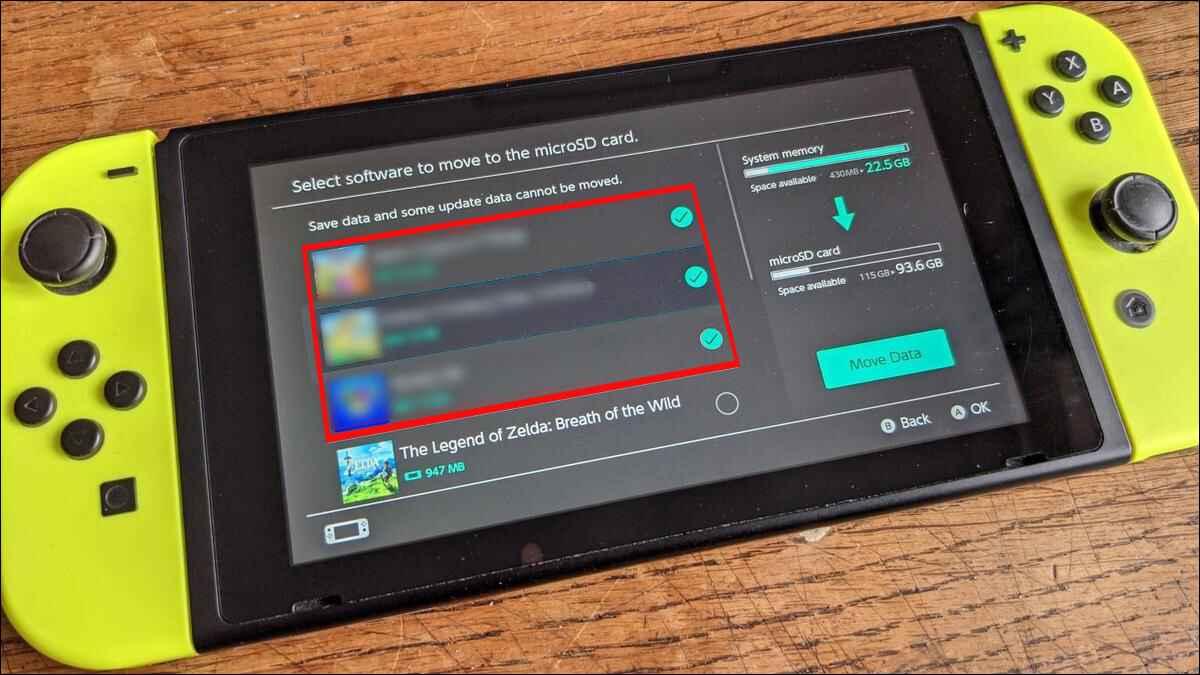
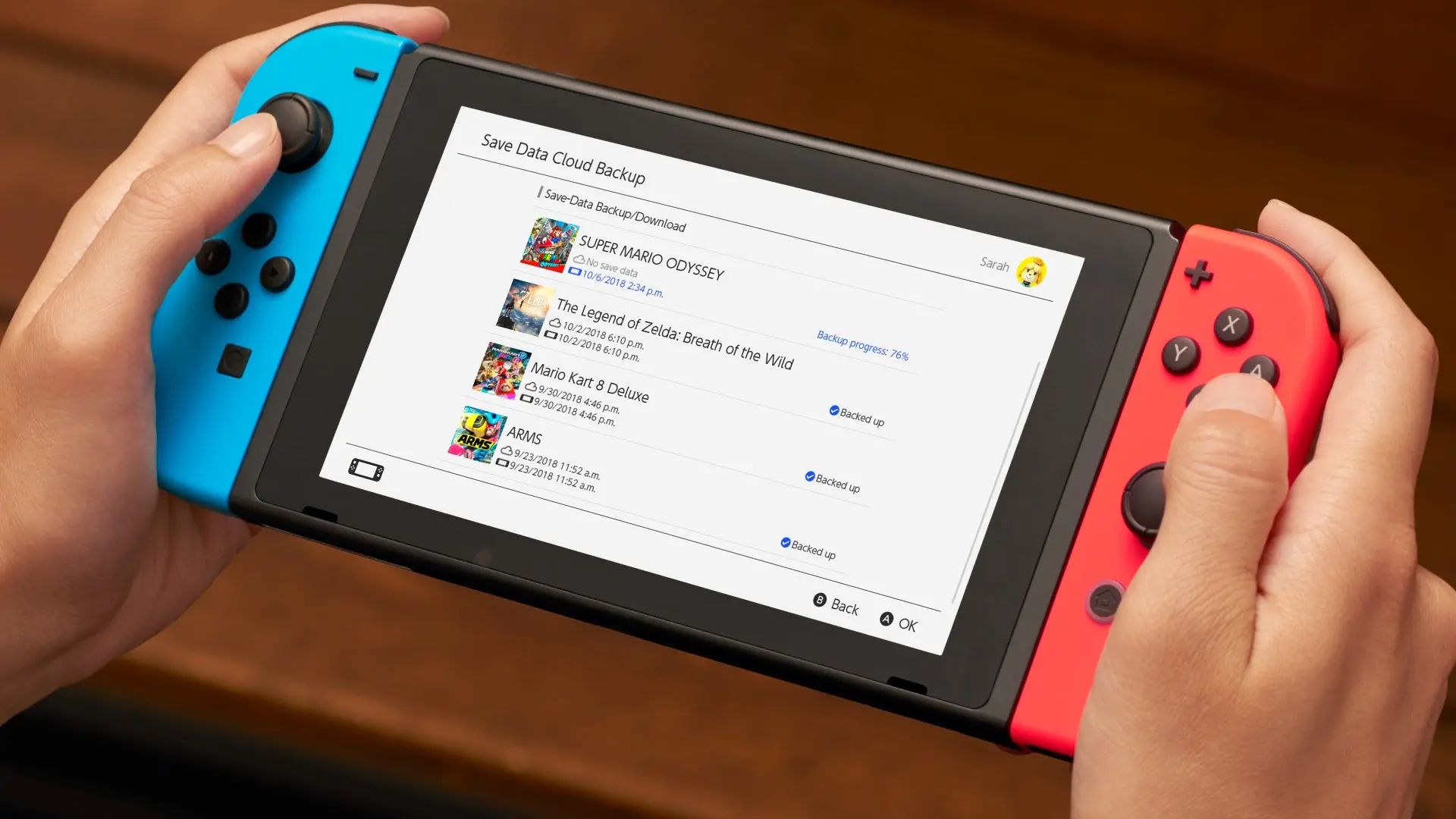
For those interested in preservation, the legal path is to create backups of games you own, but only for personal use on your own Switch console. Nintendo’s EULA does not explicitly grant a right to make backup copies, but in many jurisdictions, private copying for personal use is allowed under copyright law. However, this right does not extend to using those backups on a PC or sharing them with others. If you want to preserve your physical game cartridges, you can keep them in good condition and use the Switch’s built-in save data backup features, which are legal and supported by Nintendo.
Finally, there is a vibrant ecosystem of homebrew software and indie games that are legally distributed for free or for a nominal price. These are not Nintendo-published titles, but they are designed to run on the Switch’s hardware (with the user’s consent to enable homebrew mode, which typically requires a modification to the console, a practice that violates the EULA). For PC users, the safest approach is to support independent developers who release their games on PC directly, without any need for emulation or unauthorized copying.
Why Emulation of Owned Games Is Still a Gray Area
Even if you own a physical copy of a Switch game and have created a personal backup, running that backup on a PC emulator is not clearly legal. The EULA restricts software use to "a User Device" (the Switch), and emulators are not authorized by Nintendo. Courts have generally held that emulators themselves are not illegal, but using them to run copyrighted software without permission is infringement. In the landmark case *Sony Computer Entertainment v. Connectix* (2000), the court ruled that reverse-engineering a console for interoperability purposes could be fair use, but that decision was specific to the PlayStation and did not involve Nintendo’s EULA. Nintendo has never granted a license for emulation of its current-generation hardware, and its EULA explicitly prohibits reverse engineering and unauthorized copying.
Therefore, while emulation of older, out-of-print systems may have some legal support in certain jurisdictions, the same cannot be said for the Switch. Nintendo actively pursues legal action against emulator developers and ROM distributors, and it has successfully shut down several major projects. For the average user, the safest legal stance is to avoid emulation of Switch games altogether, even if you own the cartridge, because the EULA and Nintendo’s enforcement policies make it a high-risk activity.
Final Recommendations for PC Gamers
If you want to play Switch games on your PC, your only truly safe options are official PC ports, cloud streaming through Nintendo’s authorized services, or purchasing a Nintendo Switch console and playing the games on that device. The phrase "nintendo switch game preservation and legal PC alternatives" should guide you toward these legitimate channels. Preservation does not require piracy; it requires supporting the creators and respecting their licensing terms. By choosing legal methods, you protect your PC from malware, your Nintendo account from bans, and yourself from legal liability. There is no shortcut that is both safe and legal, so make the responsible choice.
\nRelated reading: How To Download PSP Games On PC and Do You Need A Hacked Switch To Dump Games For Ryujinx.