To legally download 3ds roms for citra, you must dump games for citra from a Nintendo 3DS console you own. This is the only legal method, as downloading ROMs from the internet is piracy.
What is Citra?
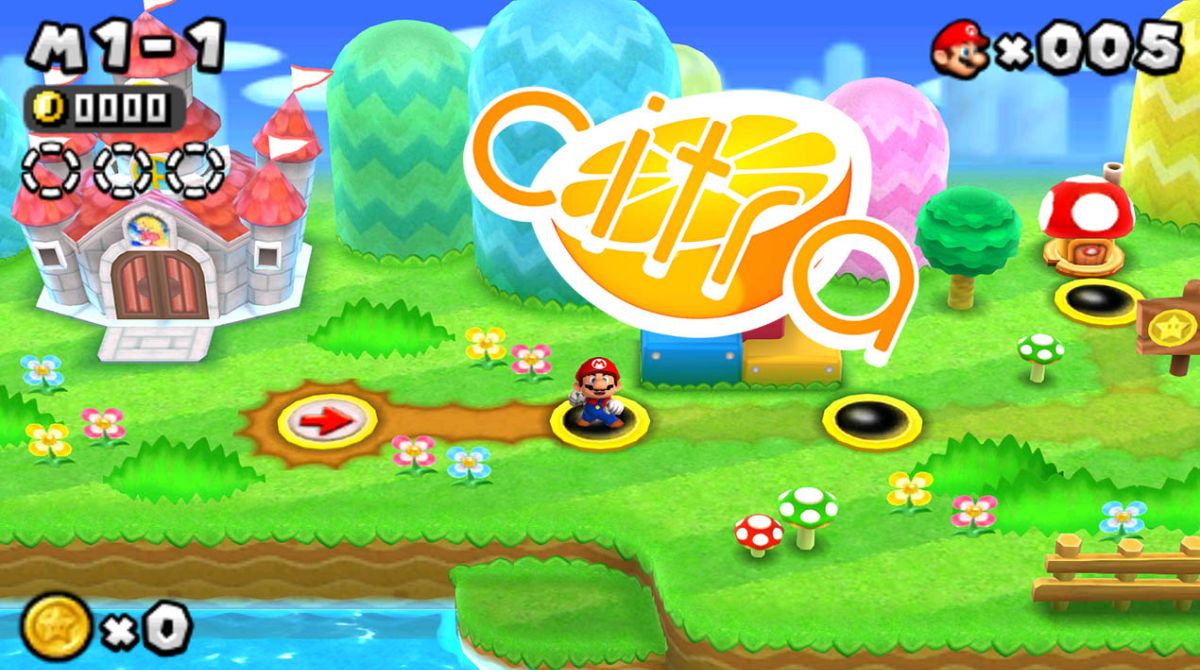
Citra is an open-source emulator that lets you play Nintendo 3DS games on a PC with enhanced graphics and performance. The official Citra project was taken down in March 2024, but active forks like pabloMK7's Citra and Lime3DS continue development. These forks maintain compatibility and offer the same core functionality for playing your legally dumped games. If you want a simpler, handheld-friendly option, you can download games on a gabb phone instead.
System requirements
To run Citra smoothly, your PC should meet these recommended specifications. While lower configurations may work, performance will suffer.
- Operating system: Windows 7 (64-bit) or later, macOS, or Linux
- Processor: Quad-core CPU or higher
- RAM: 8GB or more
- Graphics card: OpenGL 3.3 or higher compatible GPU
- Storage: 500MB or more of free space
- Input: Keyboard and mouse, or a game controller
What you need before you start
Before you can dump games for Citra, gather these essentials:
- A homebrewed Nintendo 3DS console (custom firmware installed).
- The Citra emulator (or one of its active forks) installed on your PC.
- Tools like GodMode9 or threeSD on your 3DS to perform the dump.
How to dump your 3DS game cartridges
Dumping a physical game cartridge creates a digital file you can play on Citra. Follow these steps on your homebrewed 3DS:
- Insert the game cartridge into your 3DS.
- Boot into GodMode9 by holding the appropriate button during startup.
- Navigate to the cartridge drive (typically labeled as something like "CART").
- Select the option to dump the cartridge. This will create a .3ds or .cia file on your SD card.
- Copy the dumped file from your SD card to your PC.
How to dump your digital games, updates, and DLC
Digital titles, updates, and DLC you own can be dumped using GodMode9's Title manager. This process builds CIA files that Citra can read.
- Boot into GodMode9 on your 3DS.
- Access the Title manager from the main menu.
- Select the digital game, update, or DLC you want to dump.
- Choose "Build CIA (standard)" from the options.
- Wait for the process to complete, then copy the resulting CIA files from your SD card to your PC.
Using threeSD for a faster dump
threeSD is a tool that streamlines the dumping process by importing all necessary data from your 3DS in one operation. It dumps games, updates, DLC, and system files simultaneously, saving you from performing multiple manual dumps. After installing threeSD on your PC and connecting your 3DS, the tool handles the transfer automatically.
How to load your dumped games into Citra
Once your game files are on your PC, load them into Citra to start playing.
- Open the Citra application.
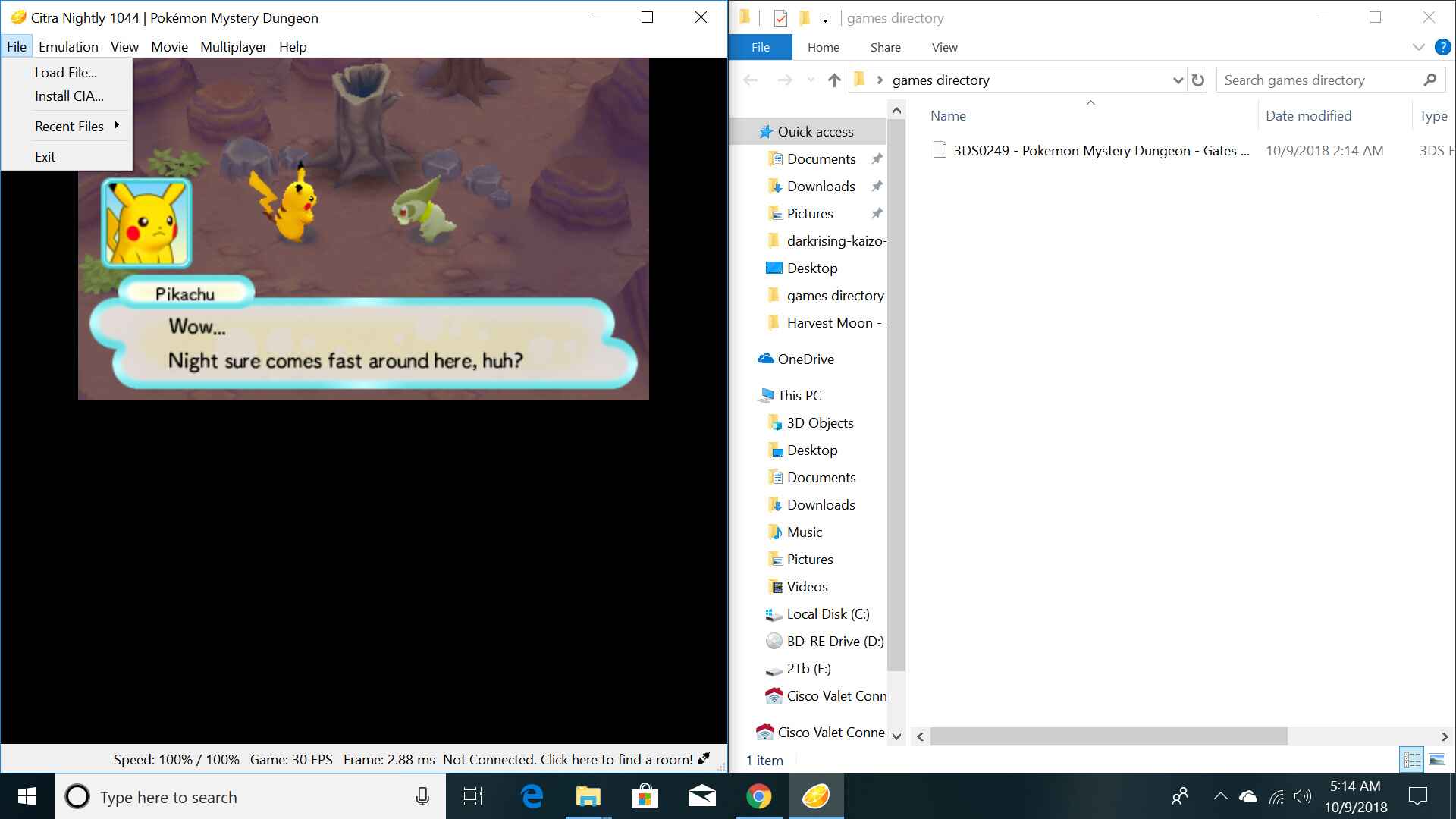
- Select "Load File" to add an individual game file.
- Alternatively, click "File" and then "Add New Game Directory" to point to a folder containing your game collection.
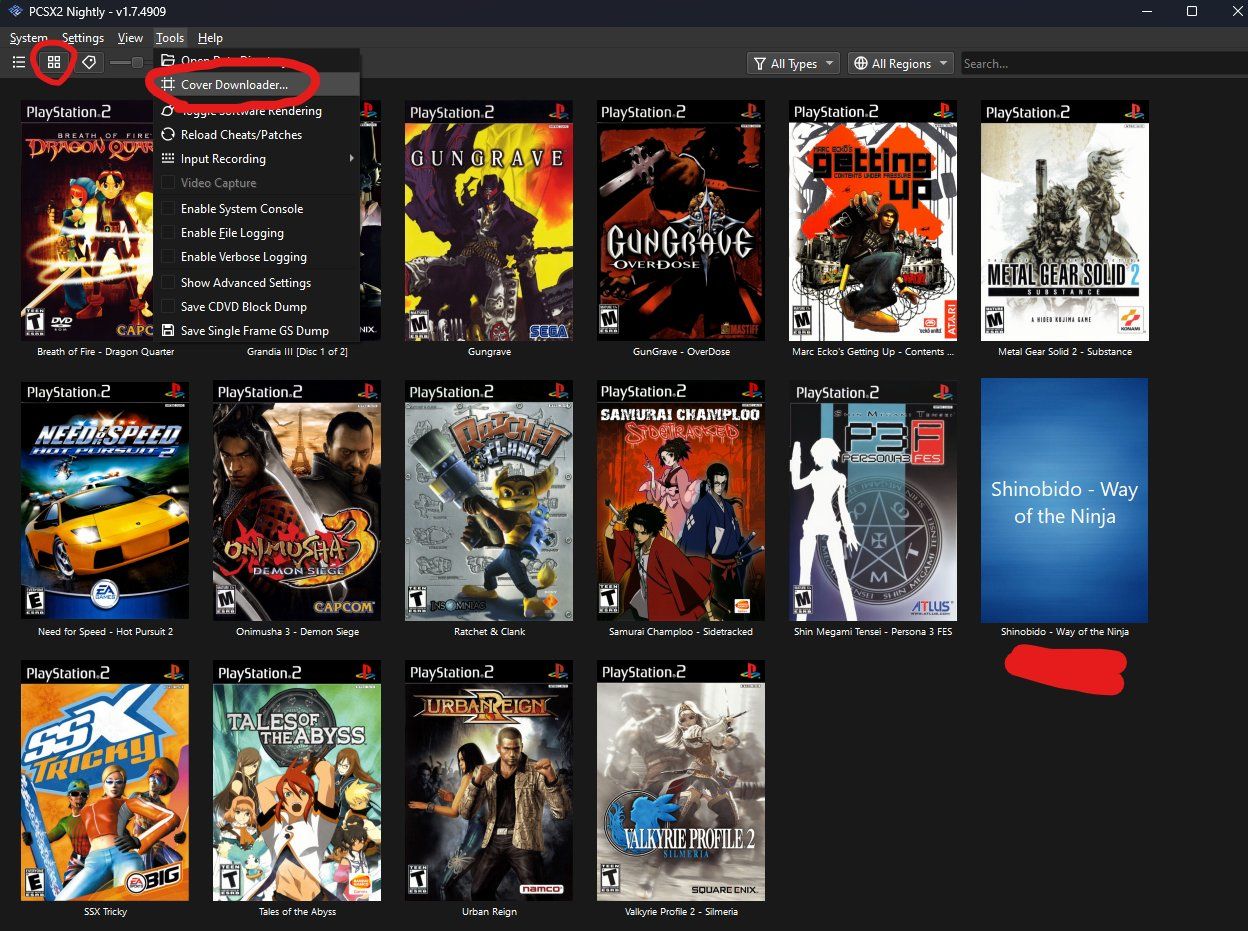
- Citra will scan the directory and add all compatible games to your library.
The user directory, where Citra stores emulated 3DS NAND, save data, and other files, can be opened from within the application using the "Open Citra folder" menu option. On Windows, the path is typically C:/Users/[your-user-name]/AppData/Roaming/Citra/. On macOS, it is ~/Library/Application Support/Citra/. On Linux, the path is ~/.local/share/citra-emu/ with the config folder at ~/.config/citra-emu/. If a directory named user is present in the same directory as the executable, Citra will use that instead.
Troubleshooting common issues
If you encounter problems, try these solutions:
- Game crashes or freezes: Ensure you are using the latest version of Citra or its fork. Try lowering the graphics resolution or disabling enhancements. Check the game's compatibility status online for known issues.
- Performance issues: Verify your PC meets the system requirements. Close background applications. Adjust graphics settings like internal resolution or disable graphical effects.
- Audio glitches or stuttering: Confirm audio settings in Citra are correct. Update your audio drivers. Some games have specific audio settings that need adjustment.
- Controller configuration problems: Ensure your controller is properly connected and recognized by Citra. Go to controller settings and map buttons correctly. Try a different controller if issues persist.
- White screen or graphics artifacts: Update your graphics drivers. Adjust graphics settings in Citra, such as enabling or disabling features or changing the renderer backend.
Related reading: How To Download Games For Yuzu.