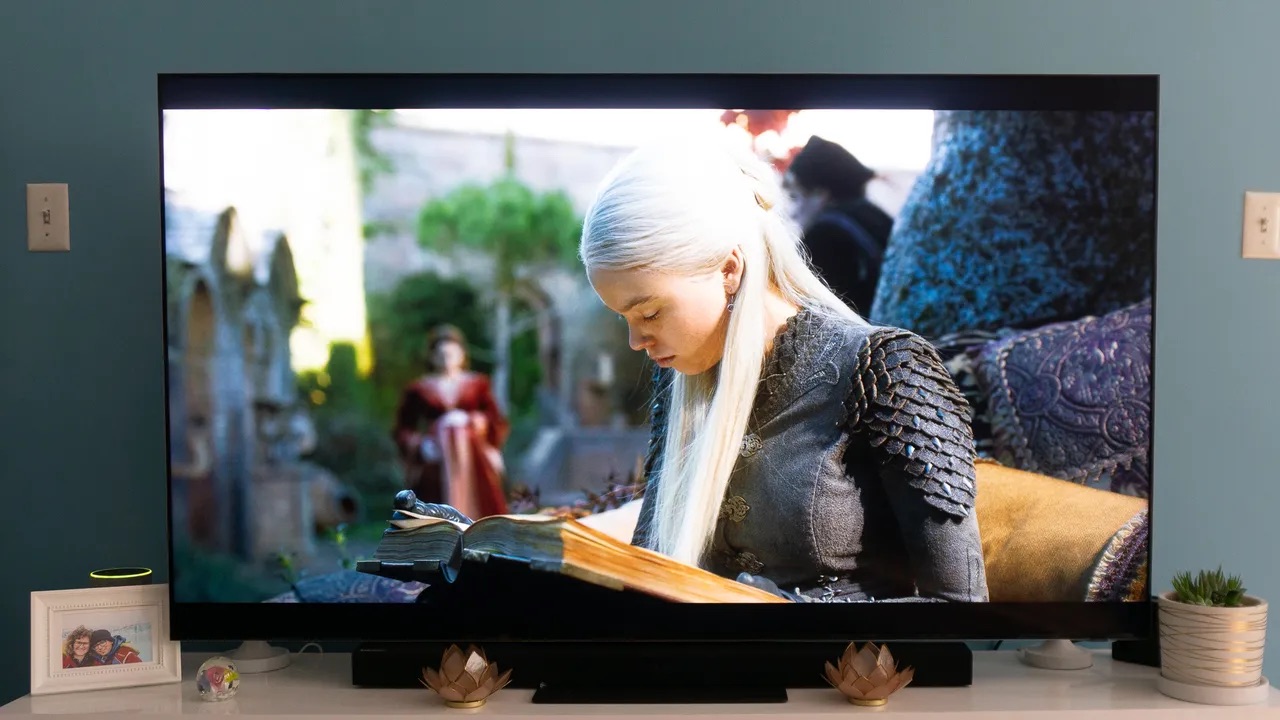
The real difference in the crystal vs LED TV debate is that a "Crystal TV" is Samsung's marketing name for a specific type of 4K LED TV, not a separate display technology. Understanding the difference between UHD and LED TV is key: a Crystal UHD is a 4K LED TV with enhanced processing and color features, while a standard LED TV is the basic, often lower-resolution, foundation of the same LCD technology.
Crystal vs LED TV: What's the Real Difference?
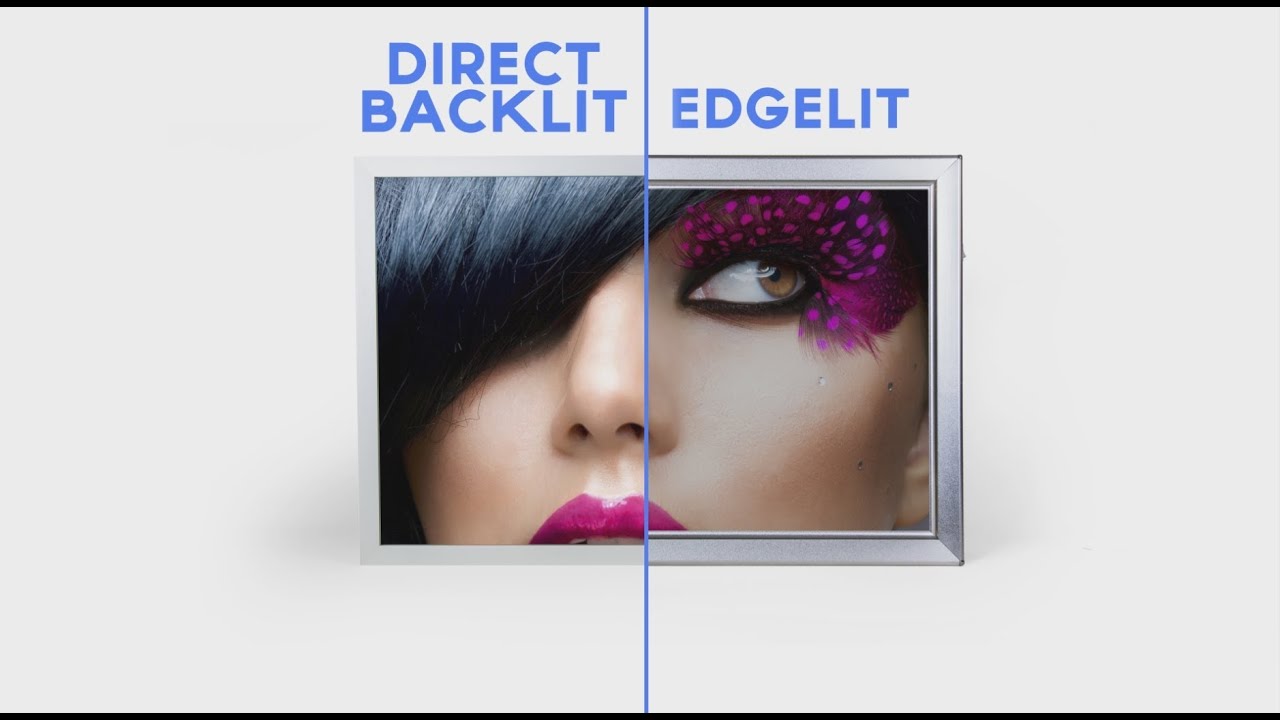
The first thing to clear up is that there is no separate "Crystal TV" technology. Samsung's Crystal UHD line is a specific category of LED-backlit LCD television. It is not a competitor to LED TVs; it is a refined version of one. The term "Crystal UHD" is a marketing label that signals a set of features, namely 4K resolution, a dedicated processor, and enhanced color technology, built on the standard LED TV platform. When you see a Crystal UHD TV, you are looking at an LED TV that has been upgraded for better performance at an accessible price point, though the specific backlighting method, edge-lit or direct-lit LED TV, will significantly impact its contrast and screen uniformity.
What is a Crystal UHD TV?
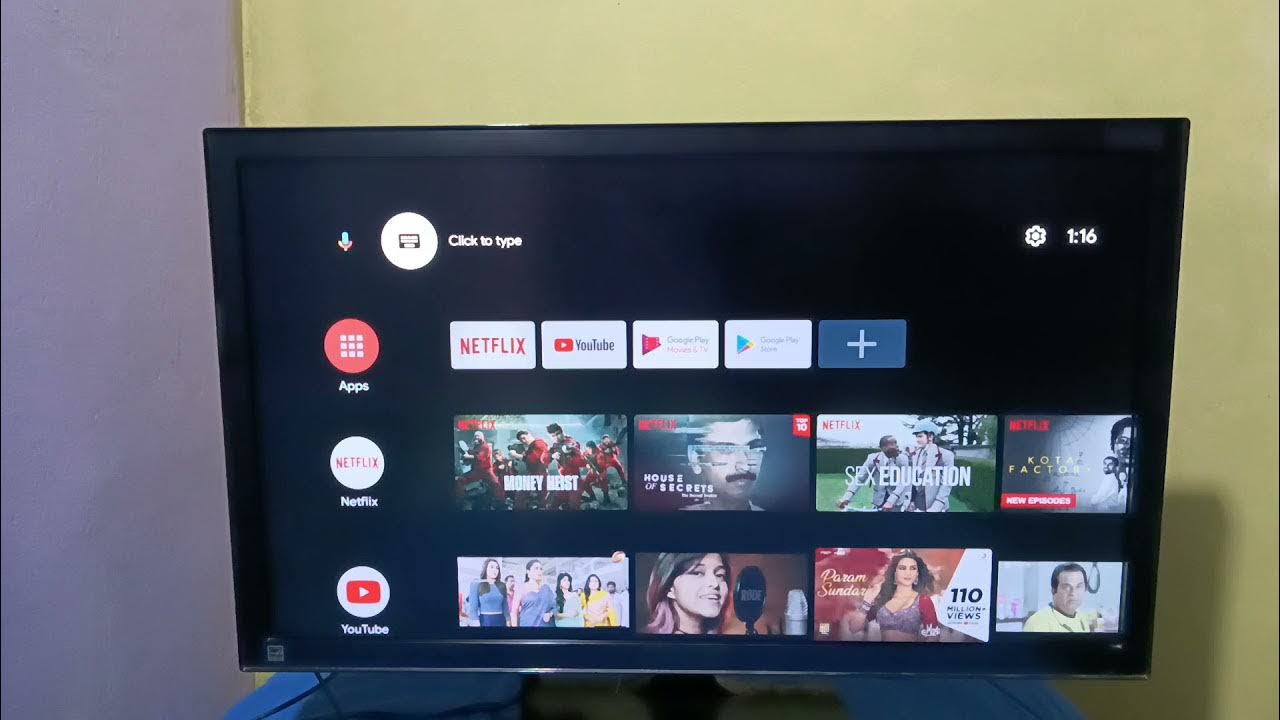
A Crystal UHD TV is an entry-to-mid-range 4K television from Samsung. Its defining features include a 4K Ultra HD resolution (3840 x 2160 pixels), which delivers four times the detail of Full HD. It is powered by a Crystal Processor 4K, which optimizes image clarity, contrast, and color reproduction, and upscales lower-resolution content to near-4K quality. The technology also includes Dynamic Crystal Color, which offers a wider spectrum of colors and more contrast than standard UHD TVs. These TVs generally support HDR formats like HDR10, HDR10+, and HLG, enriching luminance and contrast. They run on Samsung's Tizen operating system, providing access to a wide range of apps and voice controls.
What is a Standard LED TV?
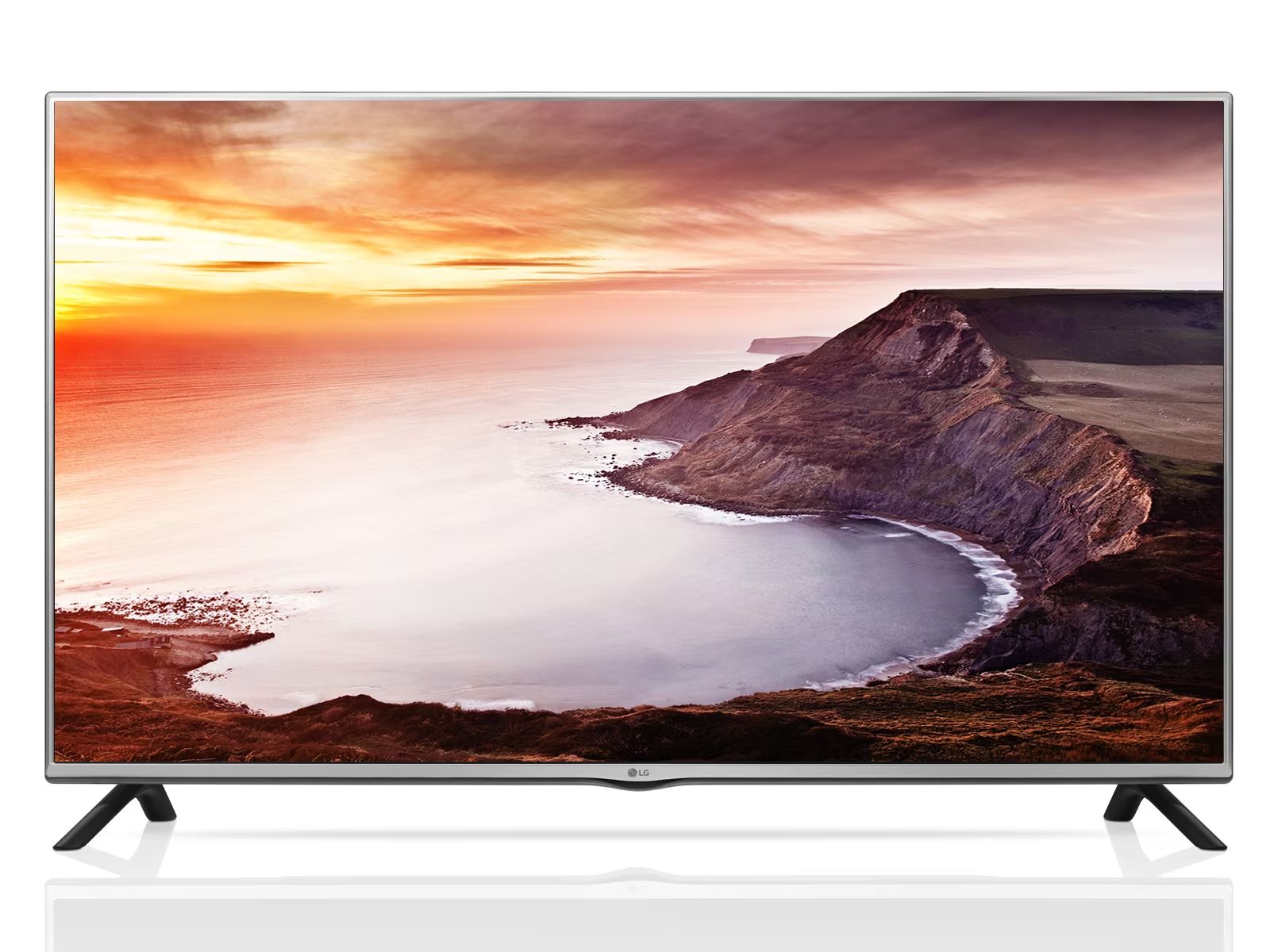
A standard LED TV is technically an LCD TV that uses Light Emitting Diodes (LEDs) as the backlight source for the liquid crystal display. This is the foundational technology from which Crystal UHD is derived. Standard LED TVs typically use a basic color filter system, which can be less efficient and limit the range of colors compared to more advanced technologies. While they can offer good picture quality, they often lack the dedicated processor and enhanced color features found in Crystal UHD models. Many basic LED TVs are not 4K, but even when they are, they may not have the same level of upscaling or color performance.
Picture Quality: Crystal UHD vs. Standard LED vs. QLED
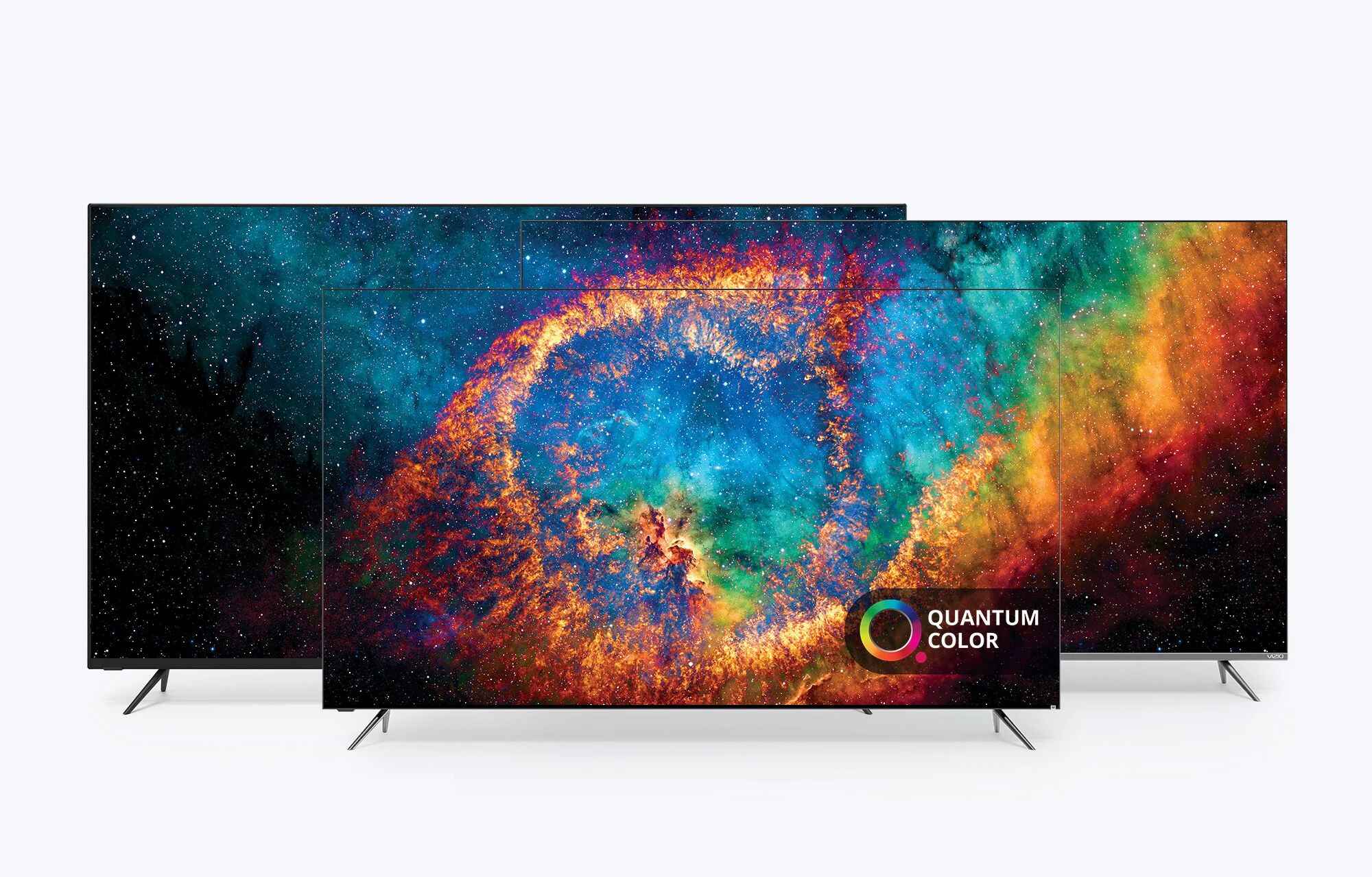
When comparing visual performance, Crystal UHD offers better color and processing than a basic LED TV. The Dynamic Crystal Color and Crystal Processor 4K provide more vibrant, accurate colors and sharper upscaled images. However, both Crystal UHD and standard LED TVs are outclassed by QLED technology. QLED TVs, which are also a type of LED TV, add a quantum dot layer to achieve superior brightness, a wider color gamut, and better contrast control than Crystal UHD models. Compared to higher-end LED technologies like QLED, Crystal UHD TVs typically have more limited peak brightness and color saturation. For everyday viewing, streaming, and casual movies, Crystal UHD is a clear step up from a standard LED. For bright rooms, vivid HDR content, sports, and gaming where higher brightness and color are crucial, QLED generally offers a more premium visual experience.
Which TV Should You Buy?
Your choice comes down to your priorities and budget. Choose a Crystal UHD TV if you want a great, affordable 4K experience for everyday viewing. It is an excellent and budget-conscious choice for watching movies, streaming shows, and general TV use in a typical living room. The enhanced color and processing make it a worthwhile upgrade over a basic LED TV. Choose a QLED TV if peak brightness for HDR and gaming is a priority. If you watch a lot of HDR content, game in a bright room, or want the best possible color volume and contrast, the quantum dot technology in a QLED will deliver a noticeably more impactful picture. For most viewers, a Crystal UHD TV provides the best value, while QLED is the right pick for those who demand top-tier visual performance.
\nRelated reading: How To Remove Samsung LED TV Logo.