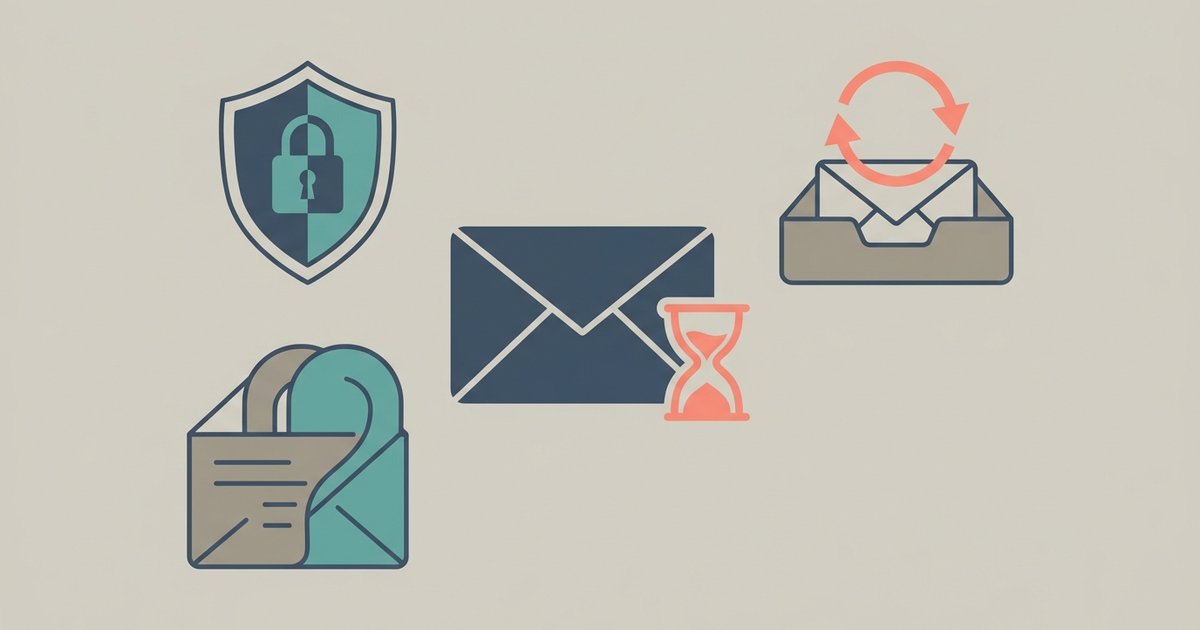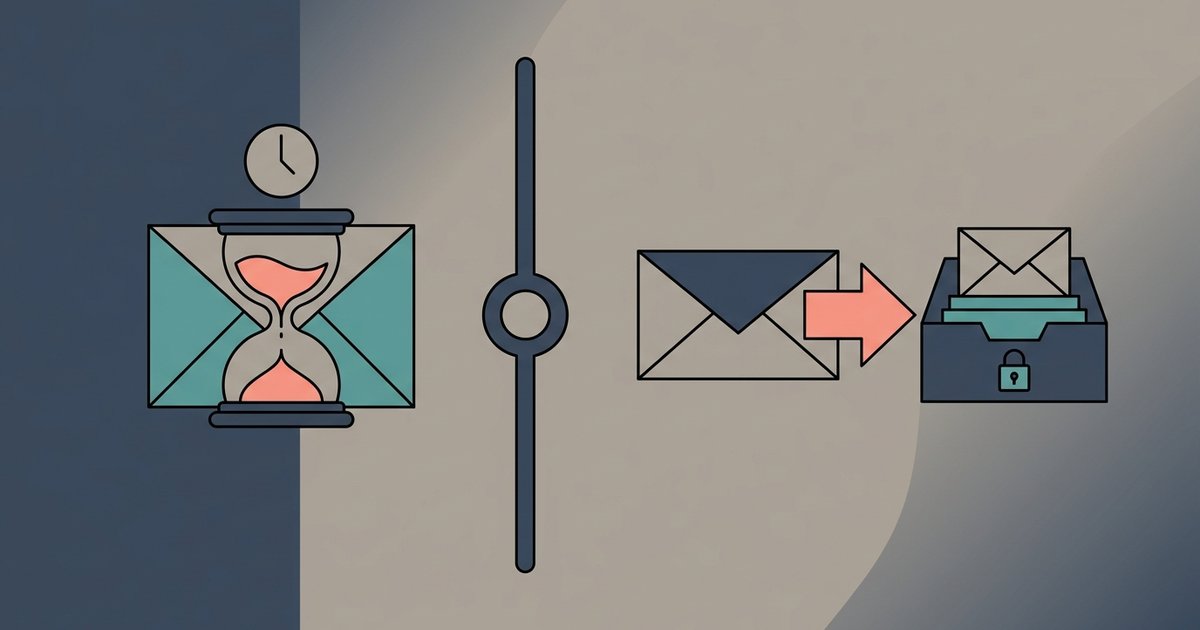






A temporary email address is a real, working inbox that exists for a short time and needs no account. You open a temp mail site, it hands you an address, and any message sent to that address shows up on the page within seconds. When the time runs out or you stop using it, the address and its messages are deleted.
People use it for the moments when a site demands an email but you have no intention of hearing from that site again: a one-time download, a forum you want to read, a coupon, a free trial. The address absorbs the confirmation and the follow-up marketing, and your real inbox never gets involved.
How temp mail works behind the scenes
Email is delivered to domains, not to people. When someone sends a message to name@example.com, their mail server looks up which server accepts mail for example.com and hands the message over. A disposable email service simply owns a set of domains and runs the server that accepts mail for all of them.
Because the service controls the whole domain, it can accept mail for any name on it without anyone having created that mailbox in advance. When you open the site, it either generates a random name on one of its domains or lets you type one. Incoming mail for that name is stored briefly and displayed in your browser. Nothing is forwarded anywhere, which is the main difference between a temporary inbox and the forwarding aliases offered by Apple, Mozilla and others.
How the site knows the inbox is yours depends on the service. Some tie it to your browser session with a cookie, so closing the tab or clearing cookies can lose it. Some give you a token or unique URL so you can return later. Some do not tie it to you at all, and anyone who types the same address sees the same messages.
What using one looks like
- Open the temp mail site. An address is usually ready as soon as the page loads.
- Copy the address and paste it into the signup form or email field.
- Go back to the temp mail tab and wait. Most messages arrive within seconds, though some senders are slower.
- Open the message, copy the code or click the confirmation link.
- Leave. The inbox expires on its own schedule, or you delete it.
For example, a free temporary email inbox at TempMail.now gives you an address the moment the page loads, lets you choose how long the inbox lives, anywhere from 5 to 30 minutes, and deletes everything when the timer ends. It is receive-only, and a Change Email button gives you an address on a different domain if a site rejects the first one. A QR code option lets you open the same inbox on your phone.
A similar option is a 10-minute email address from 10MinuteMail.now, which shows a countdown next to the address, offers timer lengths from 5 to 30 minutes, and wipes the inbox when the clock reaches zero. Neither service asks for a name, password or phone number.
What temporary email is good for
The best uses share one trait: you need to receive something once and never again.
- Verification codes and confirmation links for sites you are only trying out.
- Downloads behind an email gate, such as a white paper or a free template.
- Discount codes and one-off newsletters you want to read once without joining a mailing list.
- Testing, if you build websites and want to check what your own signup or password reset email looks like.
- Public computers and shared networks, where you would rather not type your real address at all.
What it cannot do
A temporary inbox is deliberately limited, and most of the limits are the point.
It usually cannot send. Most services are receive-only because anonymous sending is quickly abused for spam and fraud. A few offer replies or sending, often only on paid plans or with restrictions.
It cannot be relied on later. Once the inbox expires, a password reset or order update sent to it is gone. Many services will not give you the same address back, and on those that do, you may not be the only person who can read it.
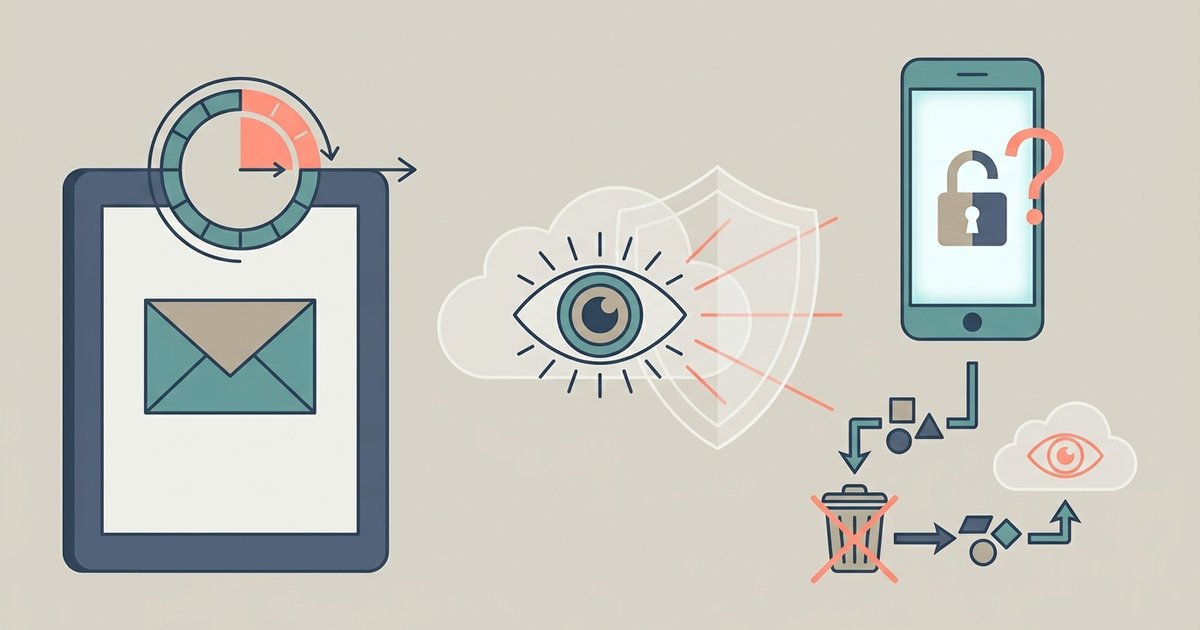
It is not guaranteed to be private. Some services use public inboxes that anyone can open by typing the address. Even on private ones, the operator runs the server and can technically see the mail, and most free services are paid for by advertising and analytics.
It is not accepted everywhere. Many sites check signups against lists of known disposable domains and refuse them.
Temporary email is not anonymity
A disposable address hides your real email from the site you are signing up for. It does not hide your IP address, your browser fingerprint, your payment card or anything else you type into the form. If you sign up with a throwaway address and then enter your full name and home address, the site knows who you are.
It also does not make an activity legal or permitted that otherwise would not be. Using a temp inbox to avoid marketing mail is ordinary privacy hygiene. Using thousands of them to claim a free trial over and over breaks most sites' terms, and it is exactly why so many sites block disposable domains.
Temporary email, aliases and your own addresses
Temp mail sits at one end of a range of options for keeping your main address private.
A temporary inbox is fast, needs no account and vanishes. Good for things you will never need again.
A forwarding alias, such as Apple's Hide My Email, Firefox Relay or SimpleLogin, is a unique address per site that forwards to your real inbox until you switch it off. Good for accounts you want to keep without handing out your real address.
A secondary address you own, such as a separate free webmail account for shopping, is permanent and entirely under your control, but it has to be checked and it can fill up with spam just like your main one.
Plus addressing, such as adding +shopping after your Gmail username, helps you sort and filter mail but does not hide your real address, since anyone can remove the part after the plus sign.
Most people end up using a mix: their main address for anything important, aliases for accounts they intend to keep, and temporary addresses for the rest.
Choosing a temp mail service
Four questions sort the options quickly. How long does the inbox last, and can you choose? Is the inbox private, or can anyone who knows the address read it? Can you get back into the same address after closing the tab? And does the service show the mail cleanly, including attachments, without burying it in advertising? A service that answers all four in its own help pages is usually more trustworthy than one that just says "anonymous" and "secure" in large type.
Before you paste a temporary address into any form, ask whether you would lose anything if that inbox disappeared tomorrow. If the answer is no, a temp address is a sensible way to keep one more company off your real email. If the answer is yes, use your own address or an alias you control.