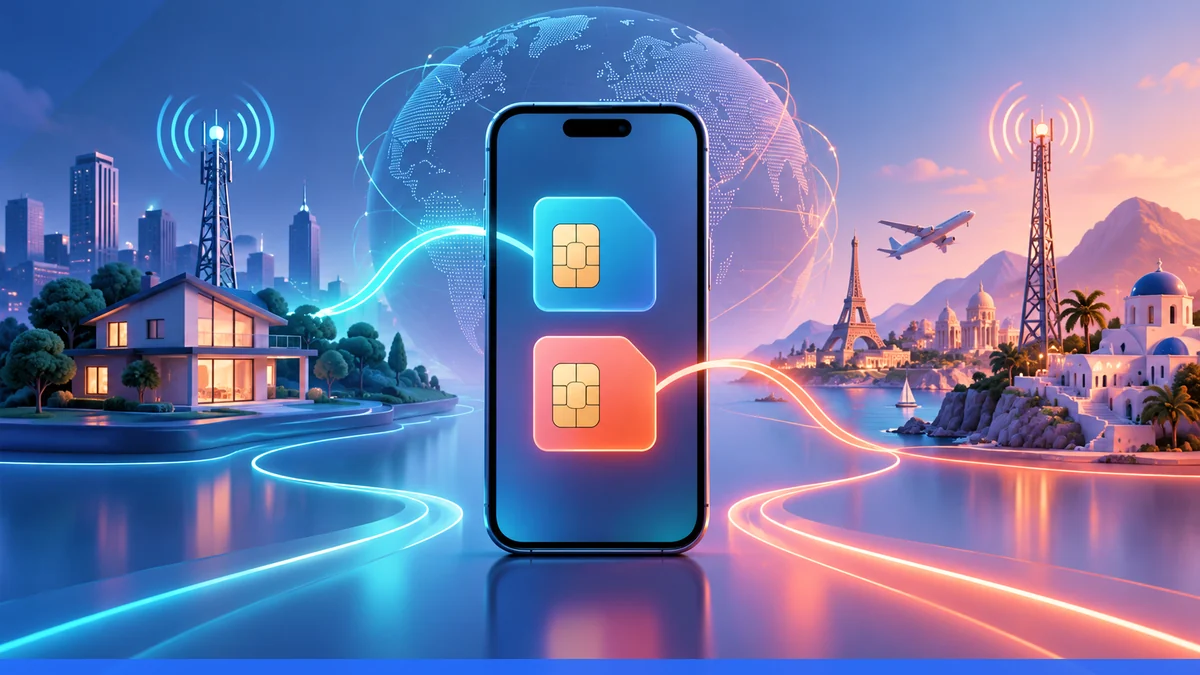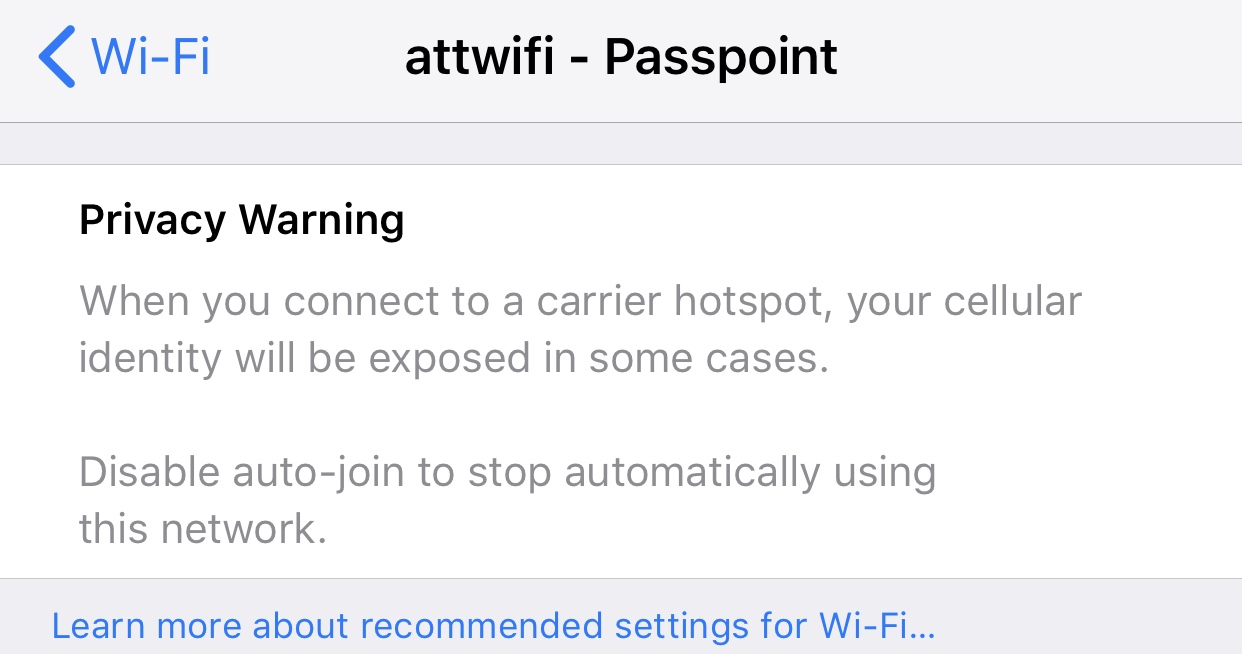
AT&T Wi-Fi Passpoint is a network feature that lets AT&T customers automatically connect to secure Wi-Fi hotspots using their device's SIM card for authentication, eliminating manual logins and passwords. It uses Passpoint technology (also known as Hotspot 2.0) to provide a seamless, encrypted connection to thousands of participating hotspots across the United States without requiring you to enter credentials or accept terms and conditions.
What is att wifi passpoint
AT&T Wi-Fi Passpoint is a network feature that enables AT&T mobile devices to automatically and securely connect to participating Wi-Fi hotspots without requiring manual login or re-entering credentials. Instead of typing a username and password or filling out a web form every time you want to use public Wi-Fi, your device handles the entire process in the background. This feature is built into millions of hotspots at airports, hotels, cafes, and other public venues, giving AT&T customers a friction-free internet experience wherever they go. If you are in a location without any hotspots, you can still connect to the internet without wifi using cellular data or a wired adapter.
How att wifi passpoint works
Passpoint technology relies on SIM-based EAP-AKA authentication. When your device comes within range of a Passpoint-enabled hotspot, it uses your AT&T SIM card to verify your identity with the network, just as your phone authenticates to the cellular network. The connection is secured with WPA2-Enterprise or WPA3-Enterprise encryption, which is far stronger than the WPA2-Personal or open Wi-Fi found in most public hotspots. Your device automatically detects the Passpoint network, authenticates via your SIM, and connects without any user intervention. If you move from one Passpoint hotspot to another, the connection roams seamlessly without dropping or requiring re-authentication.
Device compatibility and requirements
To use AT&T Wi-Fi Passpoint, you need an active AT&T SIM and an AT&T account. Most mobile devices released in 2015 or later, including those running iOS, Android, macOS, and Windows, natively support Passpoint. Verizon is currently not a participating carrier for Passpoint services, so only AT&T customers can take advantage of this feature. Your device must have native Passpoint support built into its Wi-Fi chipset and operating system; nearly all modern smartphones, tablets, and laptops meet this requirement.
How to connect on iOS
Connecting on iOS is straightforward:
- Ensure your device is running iOS 10 or later and has carrier settings version 28.3 or newer.
- Turn on Wi-Fi from the Settings app or Control Center.
- Look for networks labeled "Passpoint Secure" in the list of available Wi-Fi networks.
- Select the "Passpoint Secure" network. Your device will authenticate using your AT&T SIM and connect automatically.
How to connect on Android
On Android devices, the steps vary slightly by manufacturer but follow this general process:
- Open the Settings app and enable Wi-Fi.
- Tap on "Advanced" or "More" in the Wi-Fi settings menu.
- Find and enable the "Passpoint Secure" or "Hotspot 2.0" checkbox.
- Once enabled, your device will automatically detect and connect to Passpoint hotspots without manual intervention.
After this one-time setup, your Android device will handle all future connections to AT&T Wi-Fi Passpoint networks automatically.
Benefits of att wifi passpoint
The key advantages of AT&T Wi-Fi Passpoint include seamless auto-connect that requires no passwords or web forms, enterprise-grade encryption versus open public Wi-Fi, and reduced cellular data usage since your device prefers Passpoint hotspots when available. The connection is highly secure, employing encryption and network identity verification to mitigate risks associated with public Wi-Fi. Automatic roaming between hotspots means you stay connected as you move from one location to another. For example, if you are using a phone hotspot, Passpoint can offload that traffic to a more stable Wi-Fi connection, and you can connect hotspot to tablet devices just as easily when a Passpoint network is nearby.
Troubleshooting common issues
If you experience problems with AT&T Wi-Fi Passpoint, try these practical fixes:
- Weak signal: Move closer to the hotspot and ensure no physical barriers like walls or metal objects are blocking the signal.
- Account status: Verify that your AT&T account is active and in good standing.
- Device software: Update your device to the latest operating system and carrier settings.
- Forget and reconnect: Go to your Wi-Fi settings, forget the Passpoint network, then reconnect from scratch.
- Restart device: A simple restart can refresh network settings and resolve temporary glitches.
- Contact support: If none of the above works, reach out to AT&T customer support for further assistance.
Frequently asked questions
Is an AT&T subscription required? Yes, you must be an AT&T customer with an active AT&T SIM and account to use AT&T Wi-Fi Passpoint.
Can multiple devices connect? Yes, you can connect multiple compatible devices to Passpoint hotspots as long as each device has its own AT&T SIM or is authorized under your account.
Is it secure? Yes, Passpoint mandates enterprise-grade WPA2-Enterprise or WPA3-Enterprise encryption and verifies network identity, making it much more secure than typical open public Wi-Fi.
Does it work internationally? AT&T Wi-Fi Passpoint is primarily available in the United States. International availability depends on roaming partners; check with AT&T for coverage when traveling abroad.