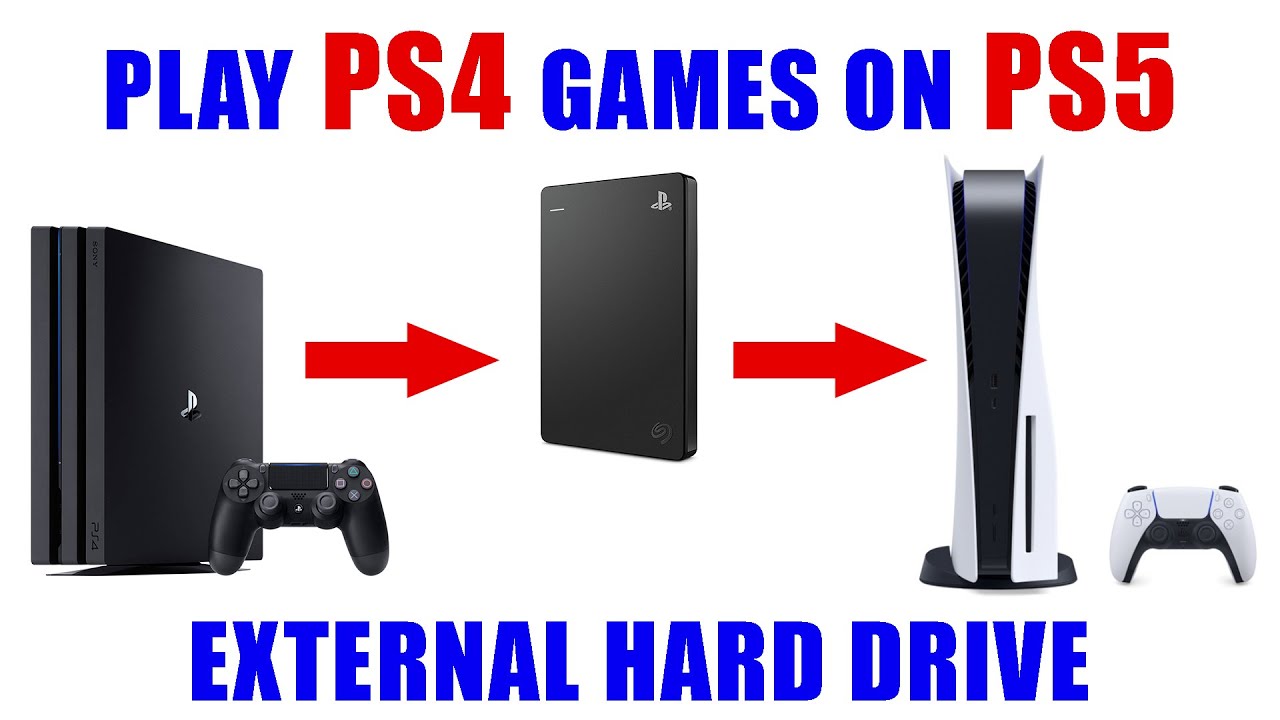
To transfer PS4 games to a new external hard drive, you can’t simply plug both drives into your console and copy files directly, the PS4 only recognizes one extended storage device at a time. Instead, you’ll need to use a two-step workaround that moves your games through the console’s internal storage or a backup file, ensuring you keep your game data without re-downloading anything. If you’re upgrading to a PS5, you can play games on external hard drive PS5 directly from the drive without moving them again, but if your console fails to detect the drive, see this PS5 not reading external hard drive fix.
Why you can't just transfer PS4 games directly between two external drives
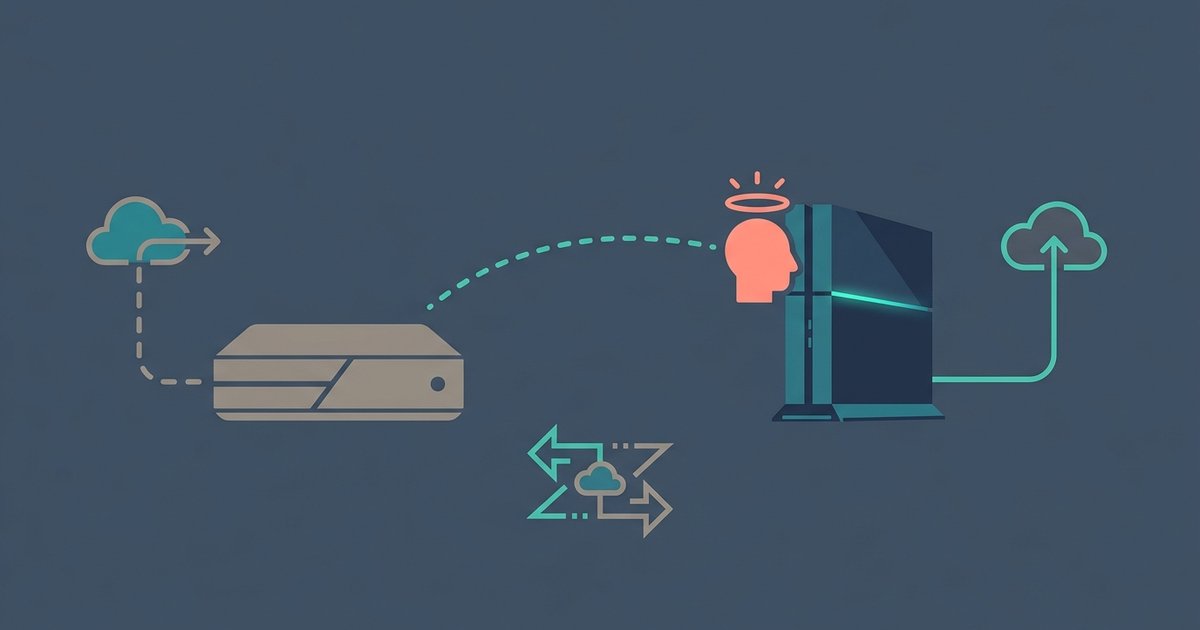
The PS4’s system software is built to mount only one external storage device at any given moment. When you connect a second external drive, the console won’t display both in the Storage menu, and there’s no built-in “copy between drives” option. This limitation means any method you use must involve either the internal drive as a temporary holding area or a backup file that the PS4 can read and restore. Trying to bypass this by using a PC to copy game folders will fail, because PS4 games are encrypted and tied to the console’s file system, they won’t work if manually dragged to another drive.
Requirements for moving your PS4 games
Before you start, confirm that both your old and new external drives meet Sony’s specifications. The drive must use USB 3.0 or later, have a capacity between 250 GB and 8 TB, and your PS4 system software must be version 4.50 or higher. Additionally, you’ll need enough free space on the PS4’s internal hard drive to temporarily hold the games you’re moving, this is the critical bottleneck for the first method. If you’re replacing a failing drive, also check that the new drive is formatted correctly: the PS4 will format it as extended storage when you first connect it, which erases any existing data.
Method 1: The system storage shuffle (no PC needed)
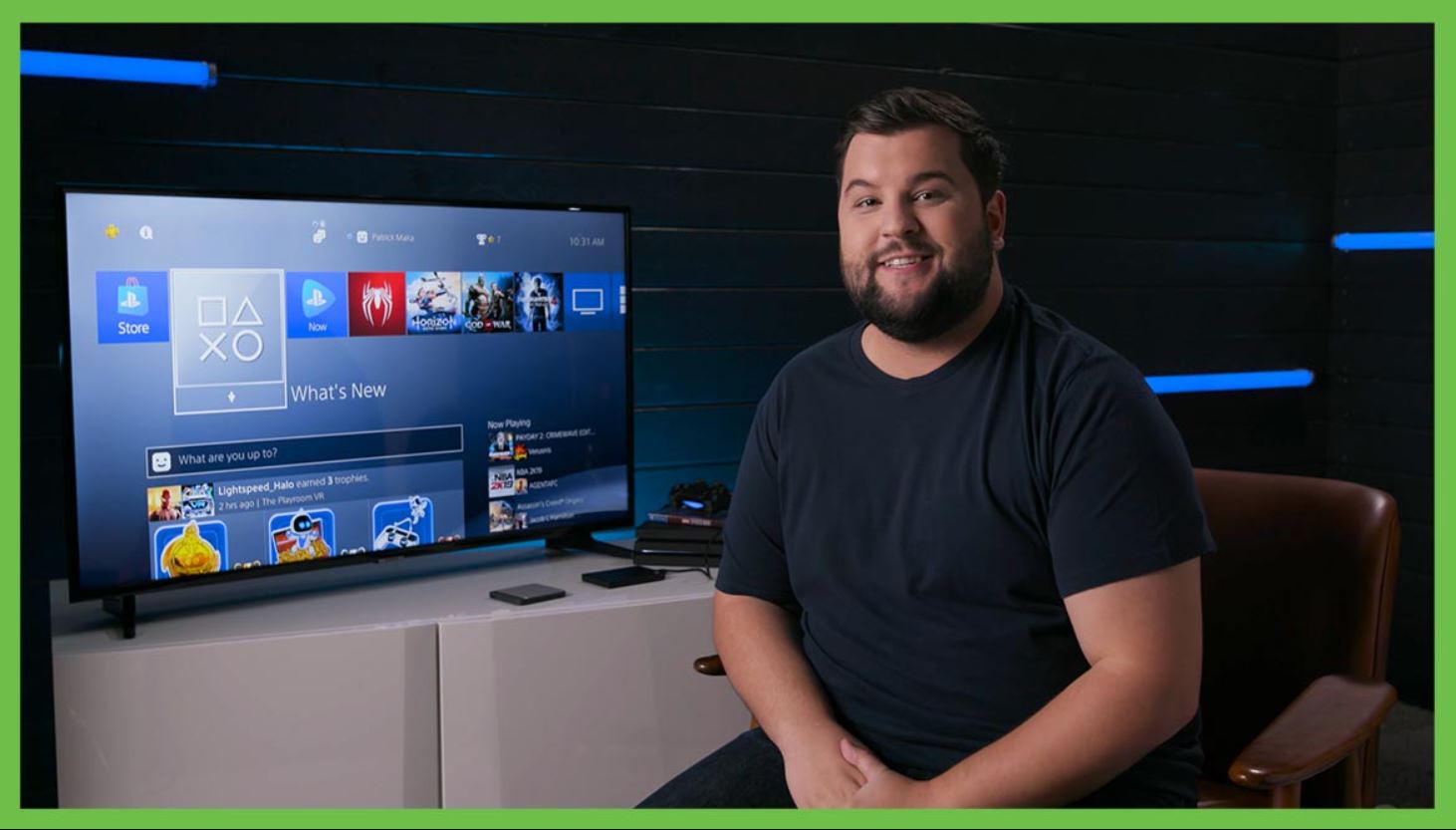
This is the simplest approach for most users, and it works entirely from the PS4’s Settings menu. The idea is to move games from the old external drive to the internal drive, swap the external drives, then move them from the internal drive to the new external drive. Here’s the step-by-step process:
- Connect your old external hard drive to the PS4 via USB.
- Go to Settings > Storage > Extended Storage > Applications.
- Press the OPTIONS button on your controller, then select “Move to System Storage.”
- Choose the games you want to transfer and confirm. Wait for the move to finish, this can take a while for large libraries.
- Once done, safely disconnect the old external drive from the PS4.
- Connect your new external hard drive to the PS4. The console will prompt you to format it as extended storage; confirm this.
- Go to Settings > Storage > System Storage > Applications.
- Press the OPTIONS button, select “Move to Extended Storage,” and pick the games you moved earlier.
- Confirm the transfer and wait for it to complete.
This method works for any game that’s playable from an external drive, which includes all PS4 titles. The only real requirement is that your internal drive has enough free space to hold all the games you’re moving at once, if it doesn’t, you’ll need to do the shuffle in smaller batches.
Method 2: The backup and restore method for a full drive clone
If you’re upgrading to a much larger drive and want to move your entire library, including game saves, screenshots, and settings, the backup and restore utility is the better choice. This method creates a single backup file of your old drive, then restores it onto the new one. You’ll need a third storage device (like a USB flash drive or another external HDD) formatted as exFAT to hold the backup file, because the PS4 can’t write a backup to the same drive it’s reading from. Here’s how to do it:
- Connect your old external drive to the PS4 and make sure it’s recognized.
- Go to Settings > System > Back Up and Restore > Back Up PS4.
- Select the backup destination, this must be a drive that is not the old external drive. Choose your exFAT-formatted USB drive.
- Let the backup complete. This will copy all games, saves, and system settings from the old drive into a single backup file.
- Disconnect the old external drive and the backup USB drive.
- Connect your new external drive to the PS4. The console will format it as extended storage.
- Connect the backup USB drive back to the PS4.
- Go to Settings > System > Back Up and Restore > Restore PS4.
- Select the backup file and confirm. The PS4 will restore everything onto the new external drive.
This method is slower than the shuffle because it copies the entire drive, not just selected games. But it’s the only way to move everything in one go, and it doubles as a safety net, if anything goes wrong during the restore, you still have the backup file. Note that this method also restores your system settings, so it’s a true clone rather than a game-only transfer.
Tips to ensure a smooth transfer without data loss
Before you start any transfer, back up your game saves to the cloud (if you have PlayStation Plus) or to a USB drive. The transfer methods themselves don’t delete saves, but a power outage or accidental disconnect can corrupt data, so a separate backup is your insurance. Also, check that your internal drive has enough free space for Method 1, if not, move games in smaller groups. During the process, keep your PS4 connected to a stable power source and avoid unplugging drives mid-transfer. For large libraries, consider using a wired internet connection only if you need to download updates afterward; the transfer itself is local and doesn’t require internet. Finally, after the transfer completes, launch a few games to confirm they load correctly from the new drive, this catches any formatting or connection issues early. If you’re also thinking about future storage needs, remember that PS4 games can be played directly from an external drive, but if you ever move to a PS5, you’ll need to handle PS5 storage capacity, discs and expansion separately, since PS5 games must be copied back to the console’s internal storage to run.