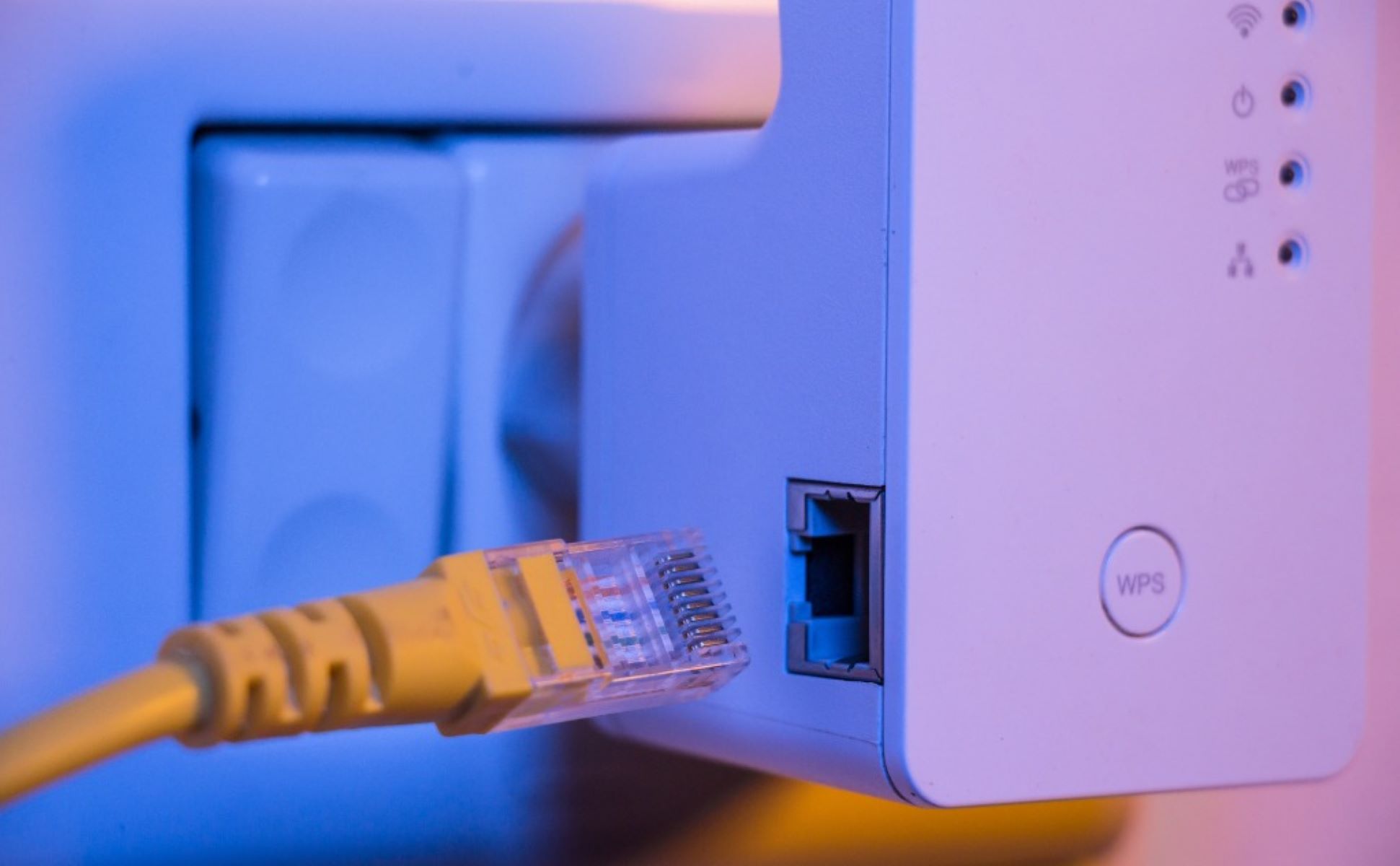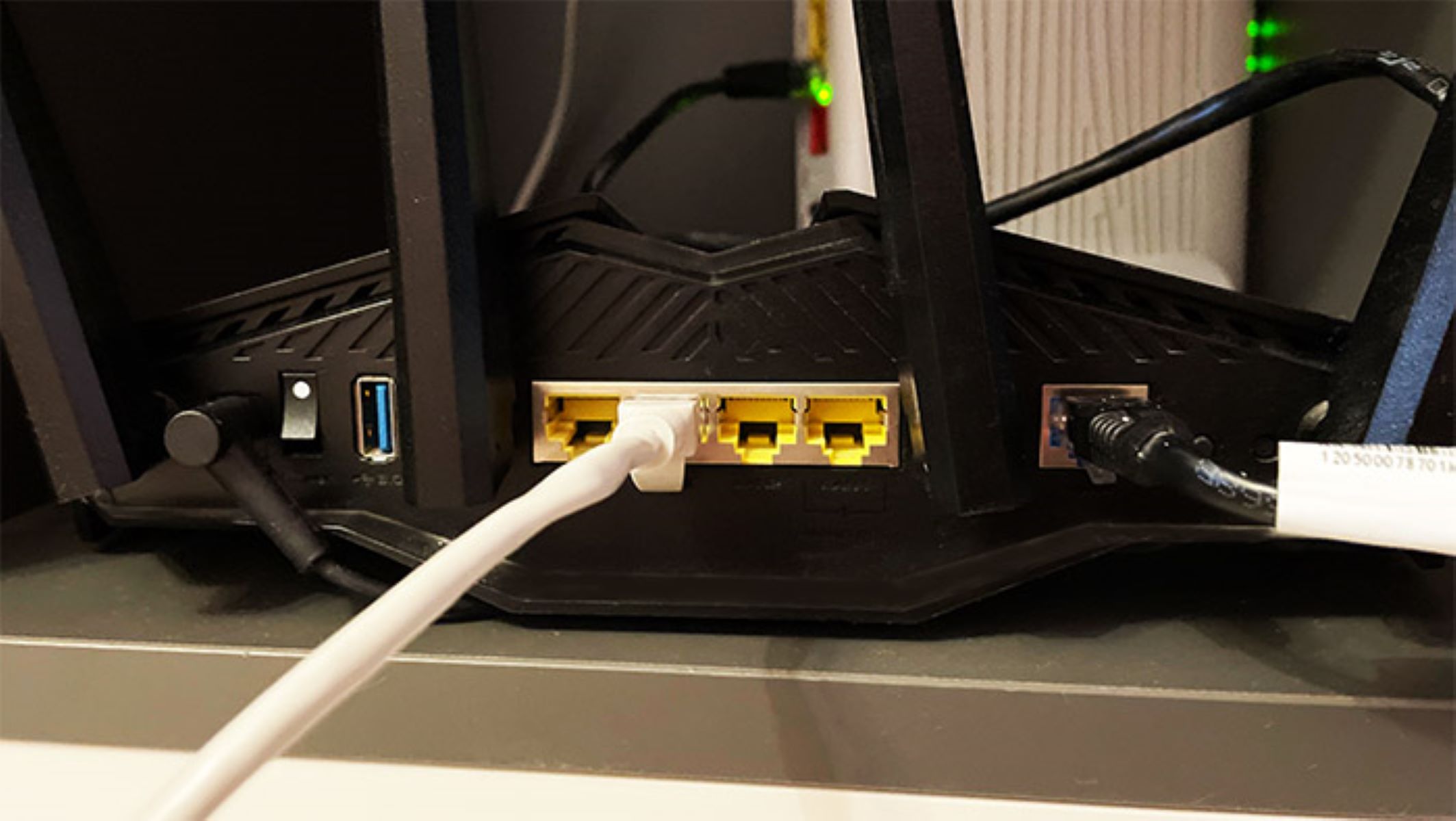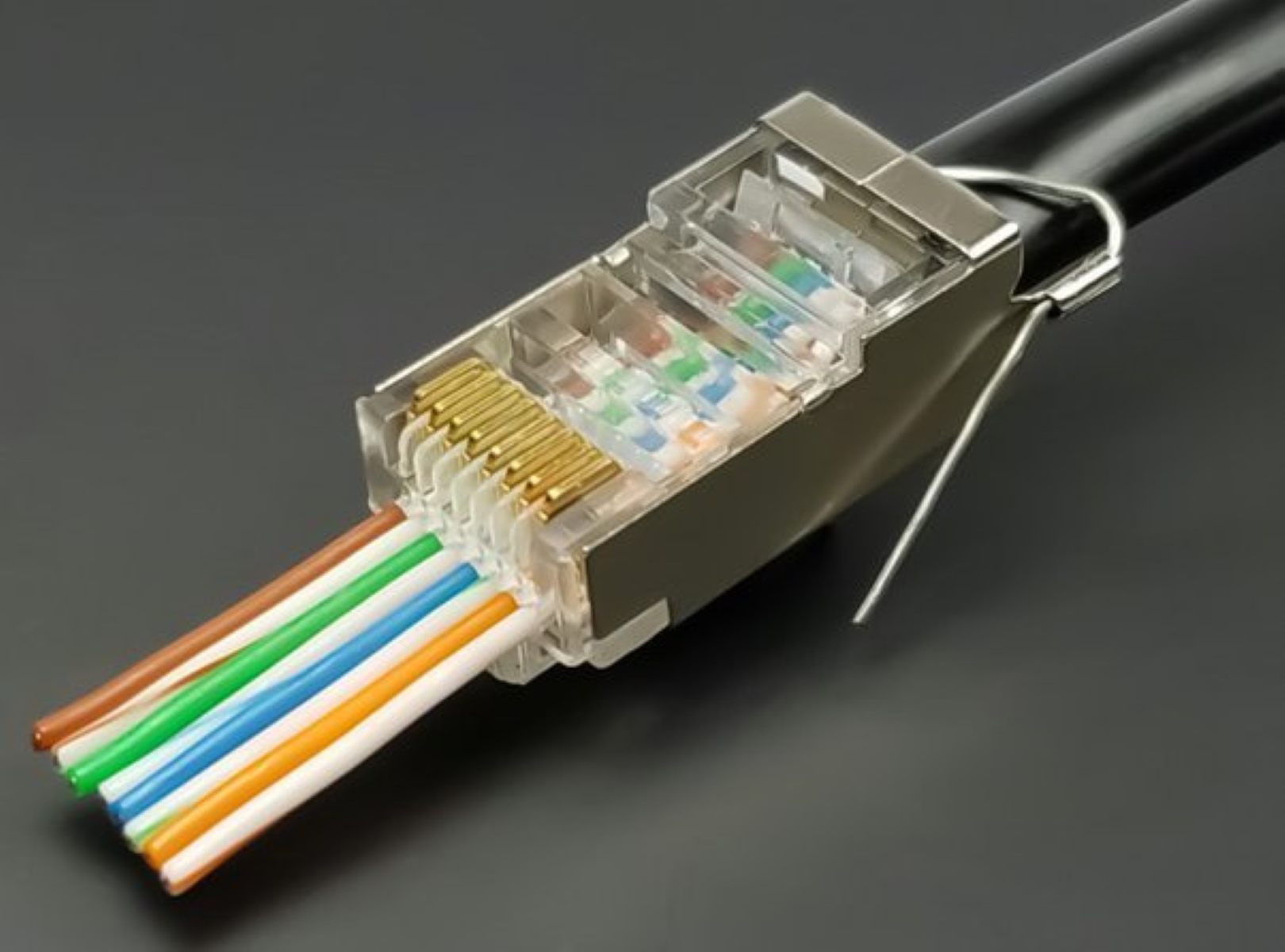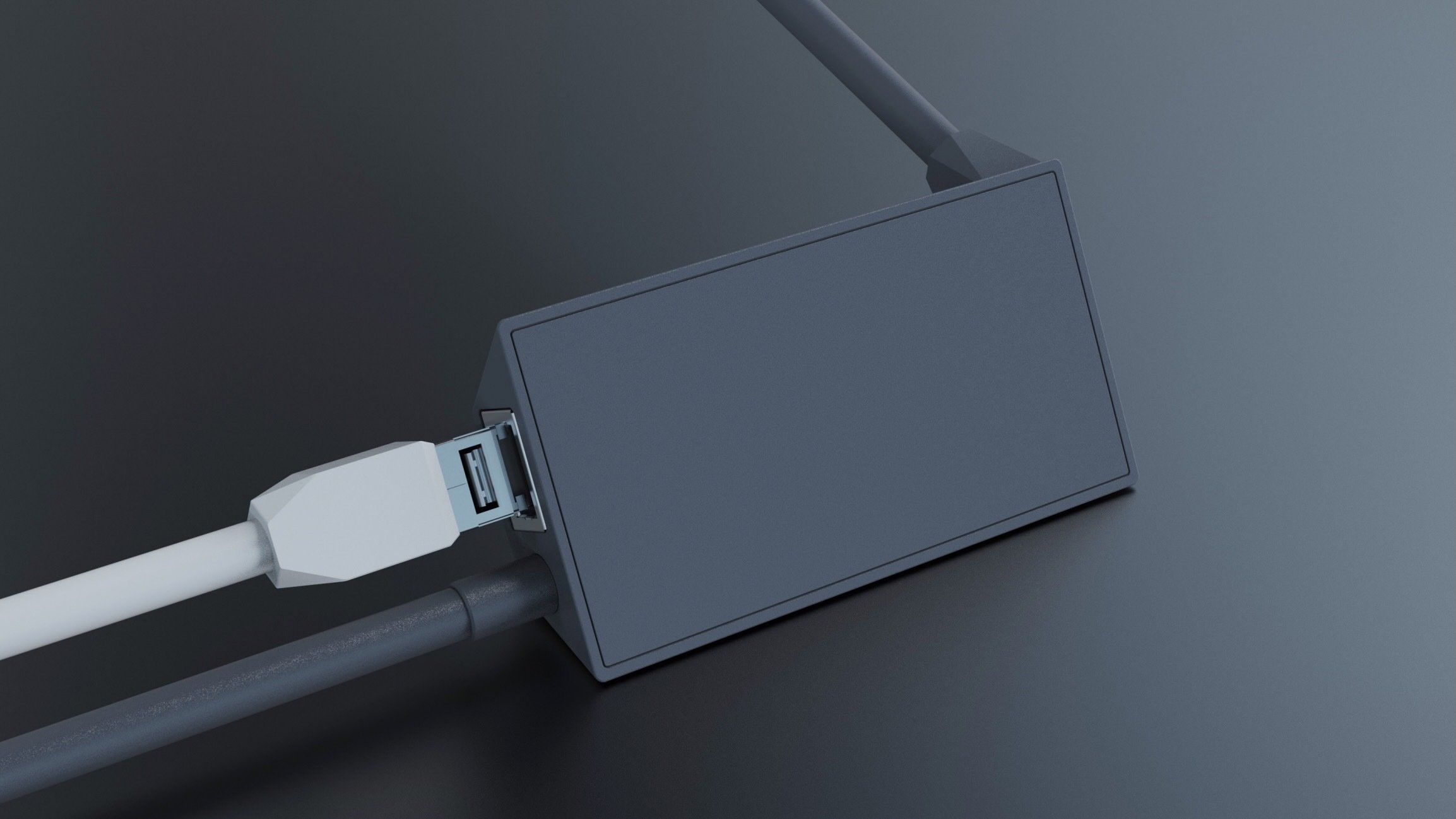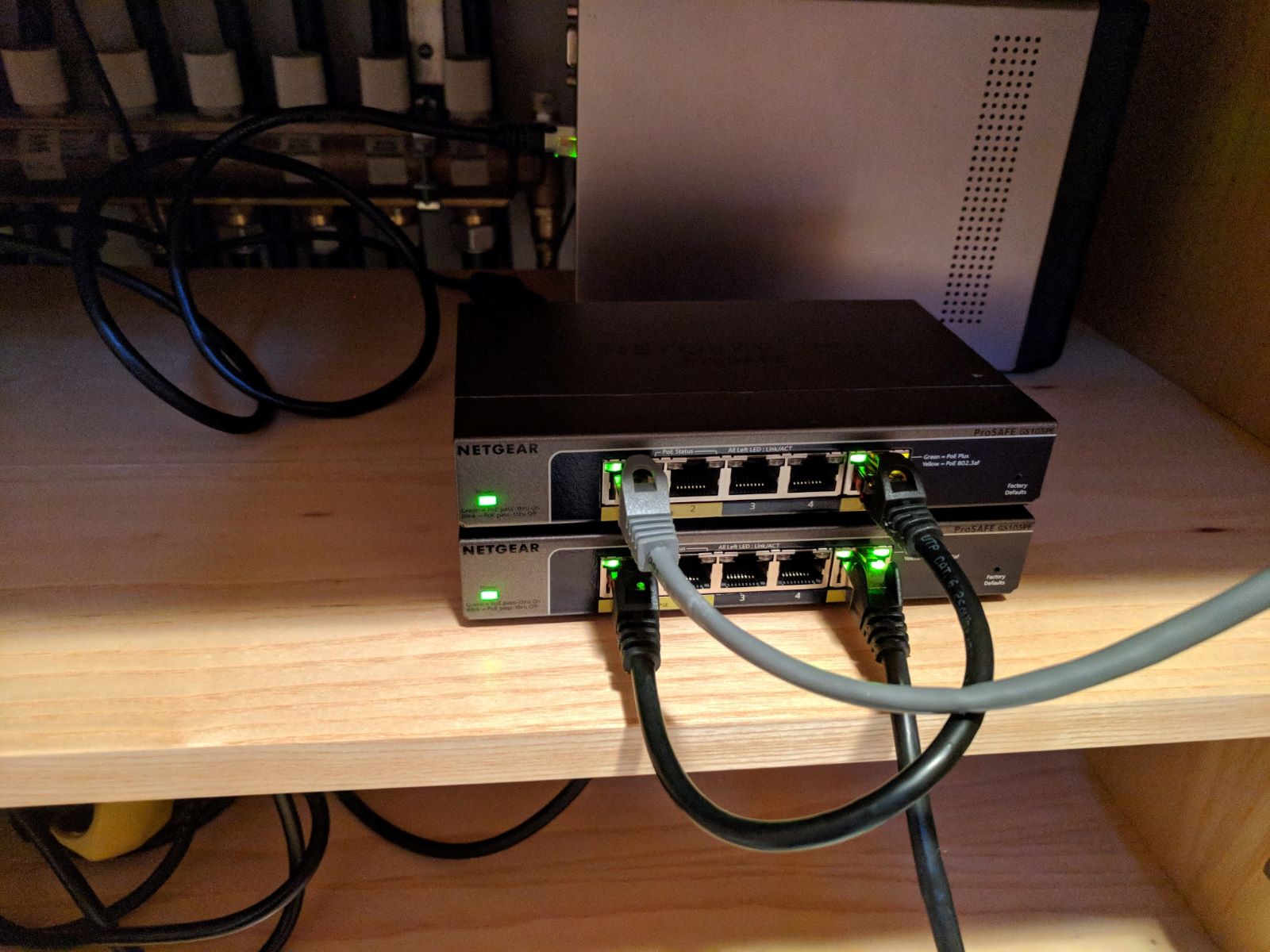
To set up Ethernet on PS5, plug a LAN cable into the back of your console and your router, then configure the connection through the console's settings menu. This wired setup provides the most stable and reliable internet connection for online gaming, reducing lag and improving download speeds.
How to set up Ethernet on PS5
- From the PS5 home screen, navigate to Settings (the gear icon).
- Select Network from the Settings menu.
- Go to Settings on the left menu, then choose Set Up Internet Connection.
- Select Use a LAN Cable or Set Up Wired LAN from the available connection options.
- Choose Easy setup mode; the PS5 will automatically detect and configure the correct settings in most cases.
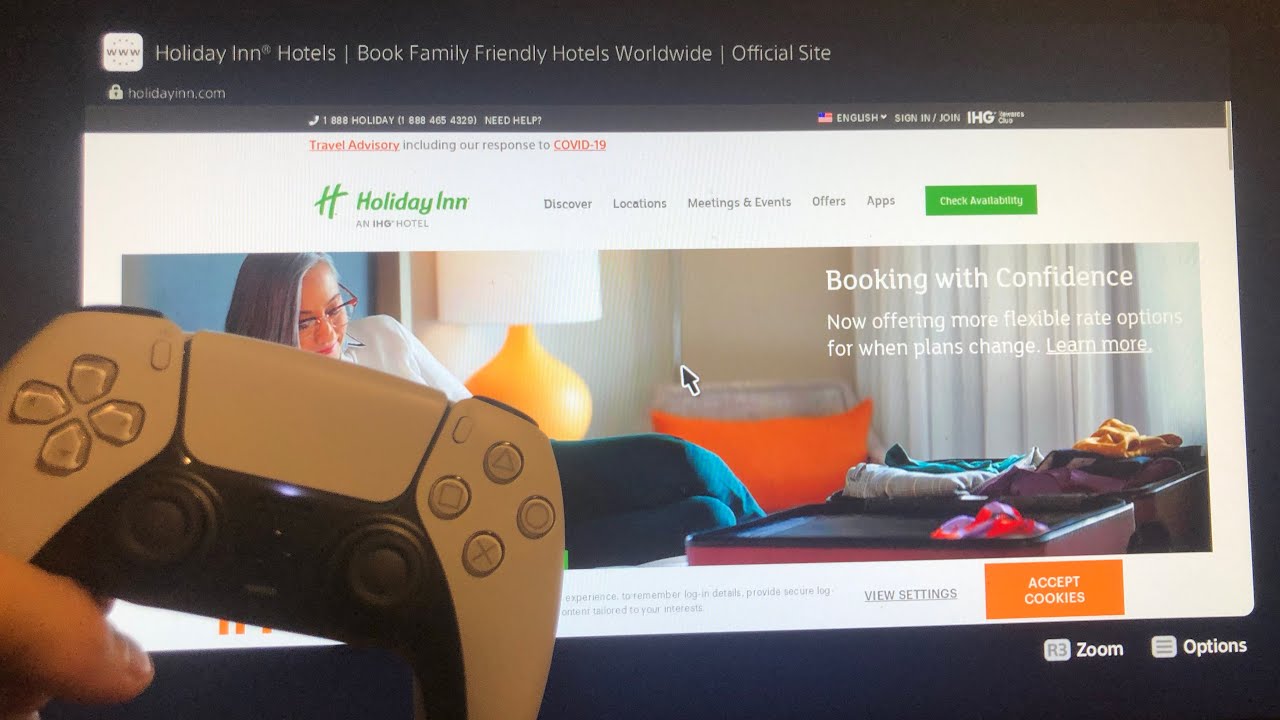
Once the physical cable is connected securely at both ends, the Easy setup handles everything automatically. If you later need to get a browser on PS5, a stable wired connection makes that process smoother. Similarly, a wired connection is the most effective way to make your PS5 games download faster, as it eliminates wireless interference.
Test your PS5 Ethernet connection
After the connection is successful, you will be prompted to Test Internet Connection to verify it. Select this option to confirm your wired setup is working correctly. The test will check your connection status, internet speed, and network stability. A successful test shows "Connected" with your IP address and a stable speed result.
Troubleshooting PS5 wired connection issues
If your Ethernet connection isn't working, try these verified fixes in order:
- Power cycle your console and router: This clears temporary network glitches.
- Check the cable and LAN port for damage: Inspect the Ethernet cable for cuts, kinks, or bent pins. Try a different LAN port on your router to rule out a faulty port.
- Ensure your router uses IPv4: The PS5 supports IPv6 network connections but does not support IPv6-only network connections. If you encounter issues, check your router settings and set it to use IPv4.
- Use 'Custom' settings when needed: Advanced network settings like IP address, DNS, MTU, and Proxy can be manually configured using the Custom option during setup, but this is typically only needed for specific network configurations.
Related reading: What Is An Ethernet Protocol.