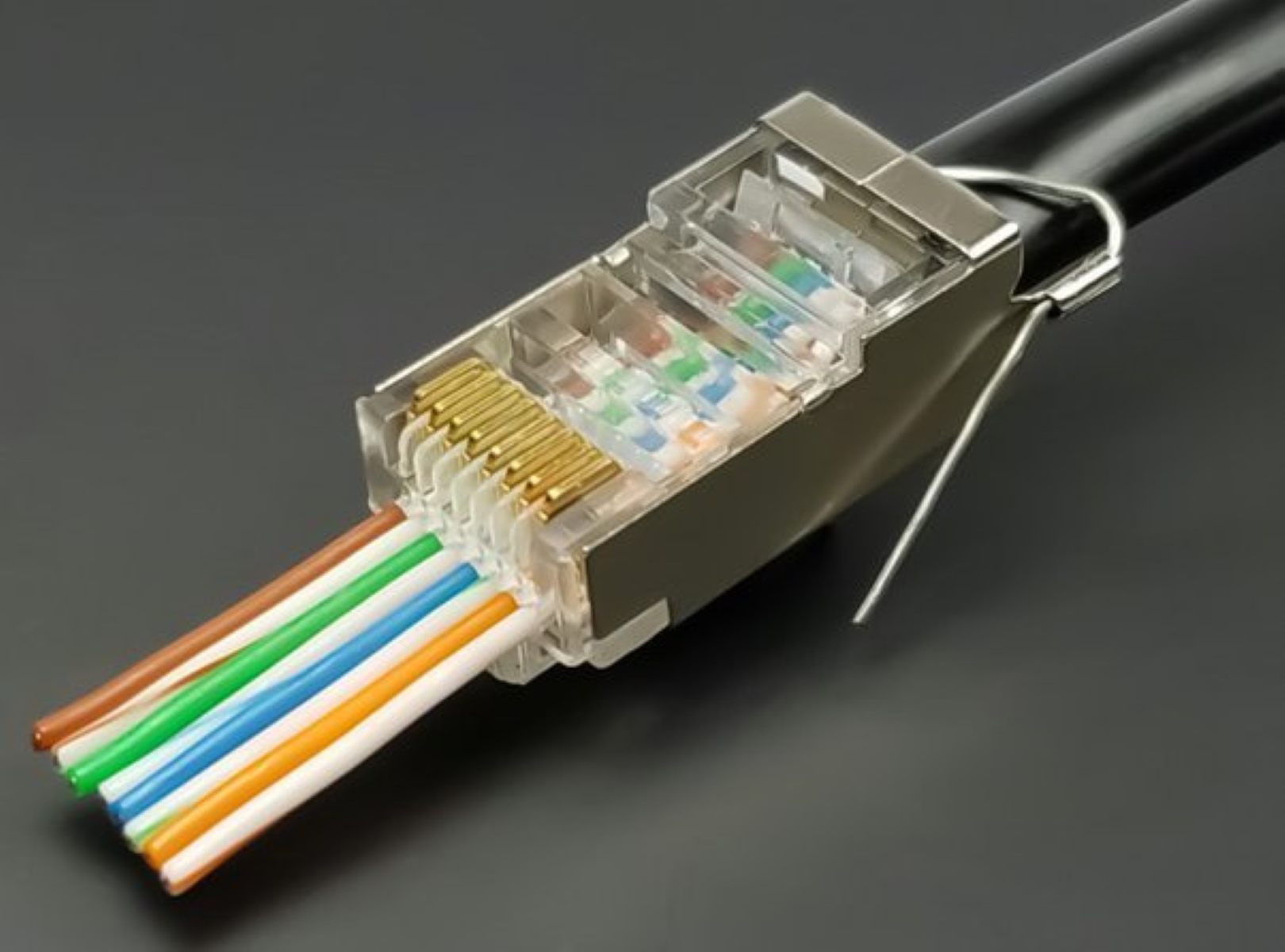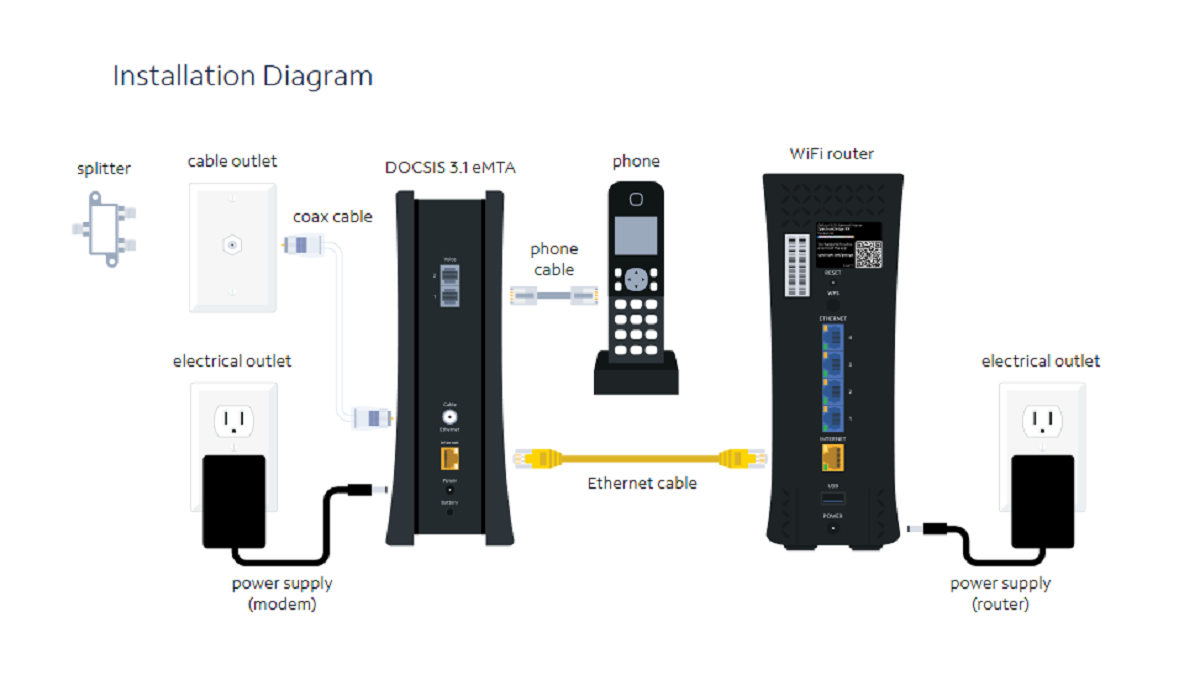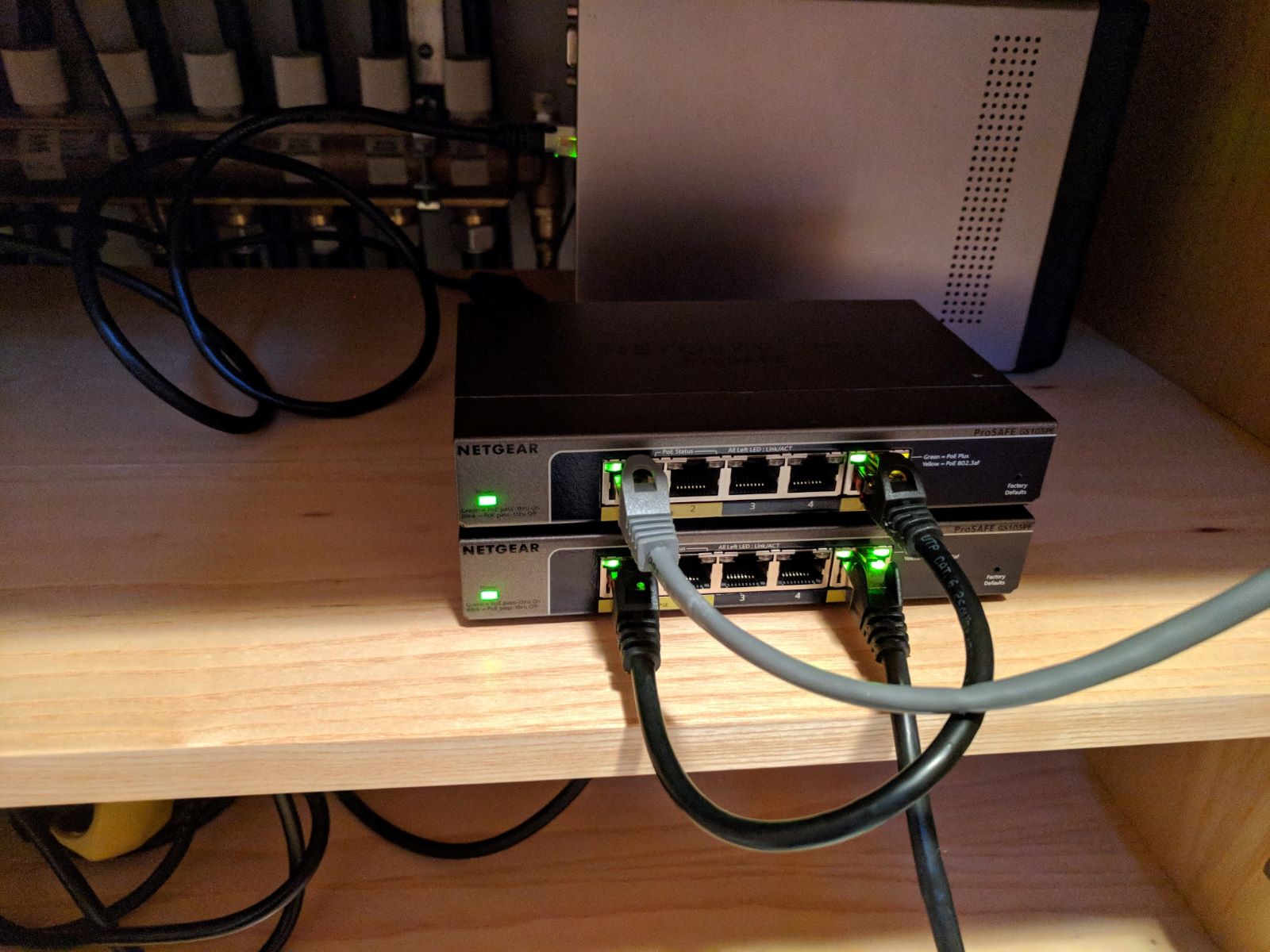
To connect your Starlink Ethernet Adapter, first identify your Starlink hardware generation in the app, then plug the adapter into your router and your device with an Ethernet cable, no extra power source is needed. The exact steps differ between Gen 2 and Gen 3 or Mini systems, so check your hardware before buying or installing anything.
Before You Start: Identify Your Starlink Hardware Generation
This is the crucial first step because the Ethernet adapter and the connection process are not the same across all Starlink systems. Gen 2, Gen 3 Standard, and Starlink Mini each use different adapters, and using the wrong one will not work. To find your generation, open the Starlink app and go to Settings, then About. The app will display your hardware model there. If you see "Gen 2" (often called the rectangular dish), follow the steps below. If you see "Gen 3 Standard" or "Mini," skip ahead to the section for those systems.
How to Connect the Starlink Ethernet Adapter (Gen 2)
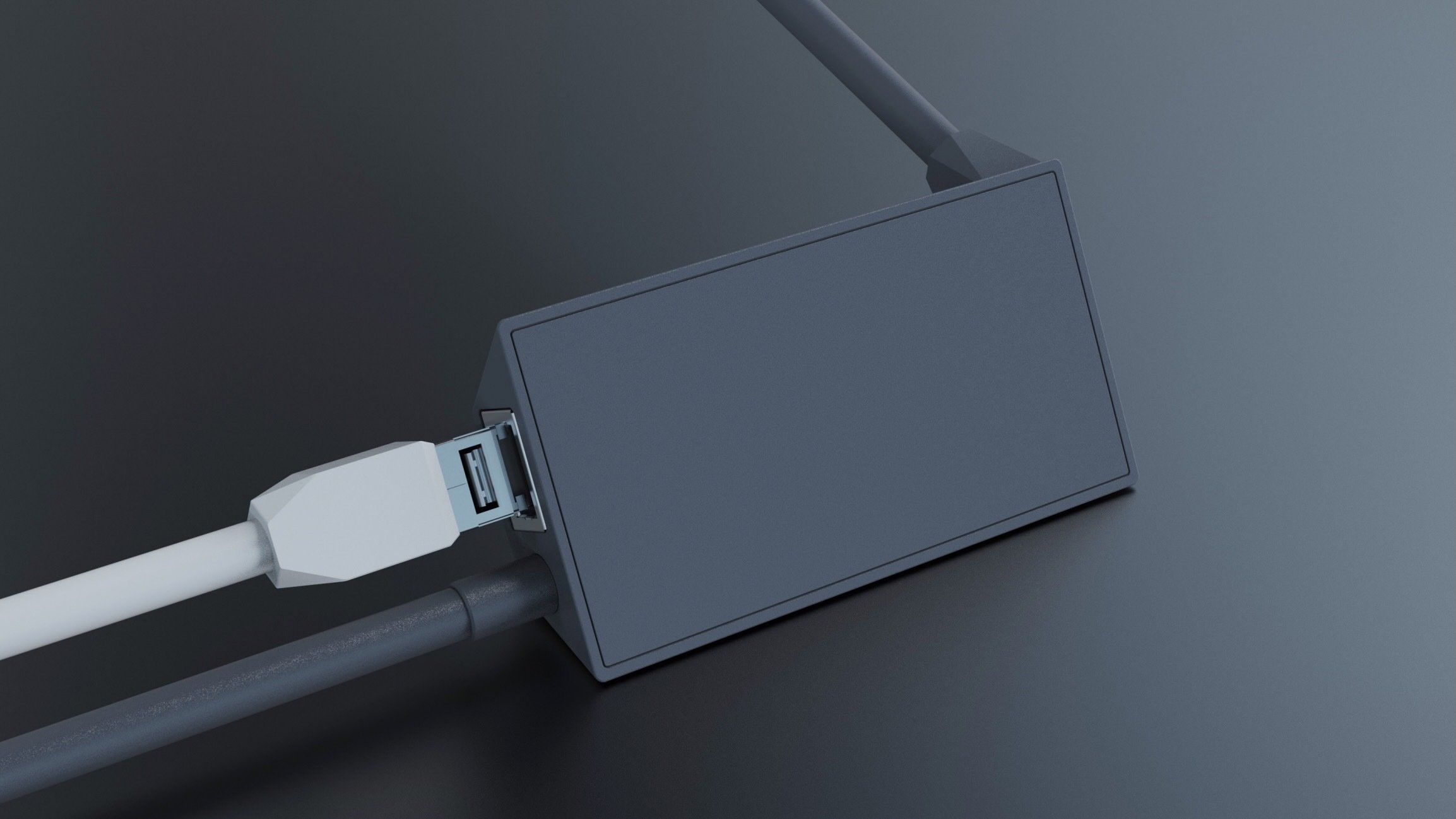
For the most common Gen 2 setup, the official Starlink Ethernet Adapter is designed for indoor use only and draws its power from the Starlink system itself, there is no separate power brick to plug in. The adapter plugs directly into the bottom of the Starlink router, where the proprietary cable connects. Once attached, it gives you a standard Ethernet port for your wired device.
- Unplug the Starlink router from its power source to work safely.
- Locate the proprietary cable that runs from the dish to the router; disconnect it from the router.
- Insert that cable into the round port on the Starlink Ethernet Adapter.
- Connect the adapter's short pigtail cable into the same port on the router where the dish cable was originally plugged.
- Plug the router back into power and wait for it to boot up.
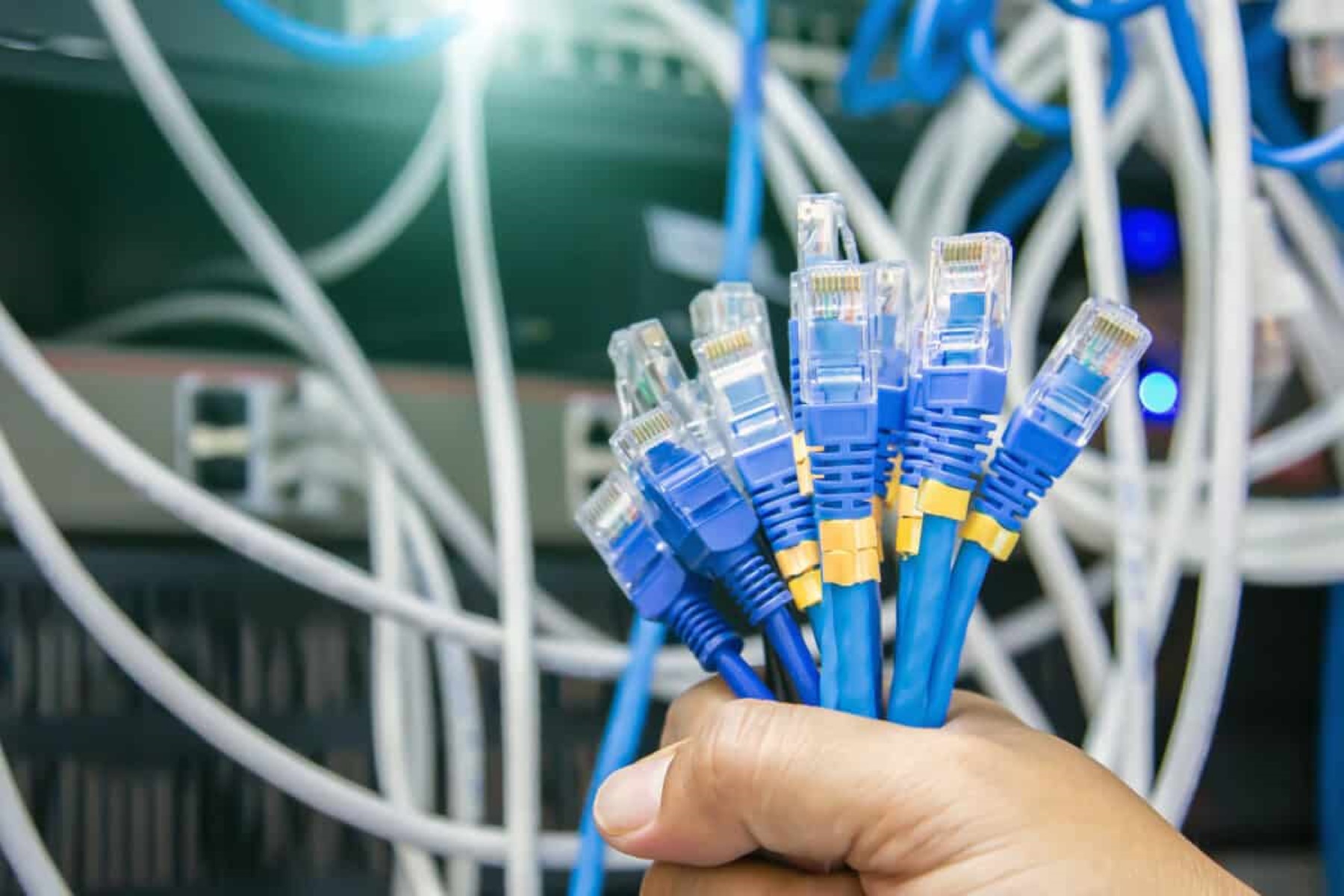
- Take an Ethernet cable (Cat 5e or higher recommended) and plug one end into the adapter's Ethernet port.
- Plug the other end into your device, such as a PC or gaming console.
Once the lights on the router and adapter show a link, your wired connection is live. This is the fastest way to set up Ethernet on PS5, a PC, or a smart TV for lower latency and a more stable connection than Wi-Fi.
How to Enable Bypass Mode for a Third-Party Router (Gen 2)
If you plan to use your own third-party router instead of the Starlink router's Wi-Fi, you must enable Bypass Mode. This disables the Starlink router's built-in Wi-Fi and routing functions, letting your third-party router handle all network traffic. Without Bypass Mode, a third-party router connected through the Ethernet adapter can cause double NAT issues, which break port forwarding and some online gaming features.
- Connect your third-party router to the Starlink Ethernet Adapter using an Ethernet cable.
- Open the Starlink app on your phone.
- Go to Settings, then find the option for Bypass Mode (sometimes labeled "Third-Party Router" or "Bypass").
- Toggle Bypass Mode on and confirm the change.
- Wait for the Starlink router to reboot; the Wi-Fi network from the Starlink router will disappear.
- Connect your devices to your third-party router's Wi-Fi or wired ports.
Critical warning: To reverse Bypass Mode, a manual factory reset of the Starlink router is required. There is no software toggle to turn it off. To reset, press and hold the reset button on the router until the lights flash, then set up your Starlink again from scratch in the app. Only enable Bypass Mode if you are certain you want to permanently use a third-party router.
Connecting Ethernet on Gen 3 and Starlink Mini Systems
Gen 3 Standard and Starlink Mini systems do not use the same adapter as Gen 2. They require their own specific Ethernet adapters, and some of these adapters offer multiple Ethernet ports rather than just one. The connection process is different because the router's physical design changed, there is no round proprietary port like on Gen 2. Instead, you will plug the adapter into a dedicated accessory port on the router or dish, depending on the model.
For Gen 3 Standard, look for a rectangular accessory port on the back of the router. For Starlink Mini, the adapter connects to the port on the bottom of the device. Follow the instructions that came with your specific adapter, as the orientation and locking mechanism vary. These adapters also draw power from the Starlink system, so no separate power supply is needed. If you bought a third-party adapter, verify it is explicitly listed as compatible with your exact generation, using a Gen 2 adapter on a Gen 3 system will not work and may damage the port.
Troubleshooting Your Starlink Ethernet Connection
If your wired device shows no connection, start with the physical setup. Confirm the Ethernet cable is firmly seated in both the adapter and your device. Try a different Ethernet cable if you have one, since cables can fail internally. Also, check that the adapter is fully clicked into the router's port, a loose connection is the most common cause of failure.
Next, reboot the entire Starlink system. Allow two to three minutes for the system to re-establish satellite connectivity. After reboot, check the indicator lights on the Ethernet adapter: a solid or blinking light on the adapter's Ethernet port means a physical link exists. If the light is off, the cable or port is the problem. If the light is on but you still have no internet, check the Starlink app for outages or obstructions, and verify that your device is set to prioritize Ethernet over Wi-Fi in its network settings. For third-party router setups, confirm Bypass Mode is enabled; otherwise, the Starlink router may be blocking traffic from the second router.
\nRelated reading: How To Ground Ethernet Cable and How To Connect To Spectrum In-Home Wifi.