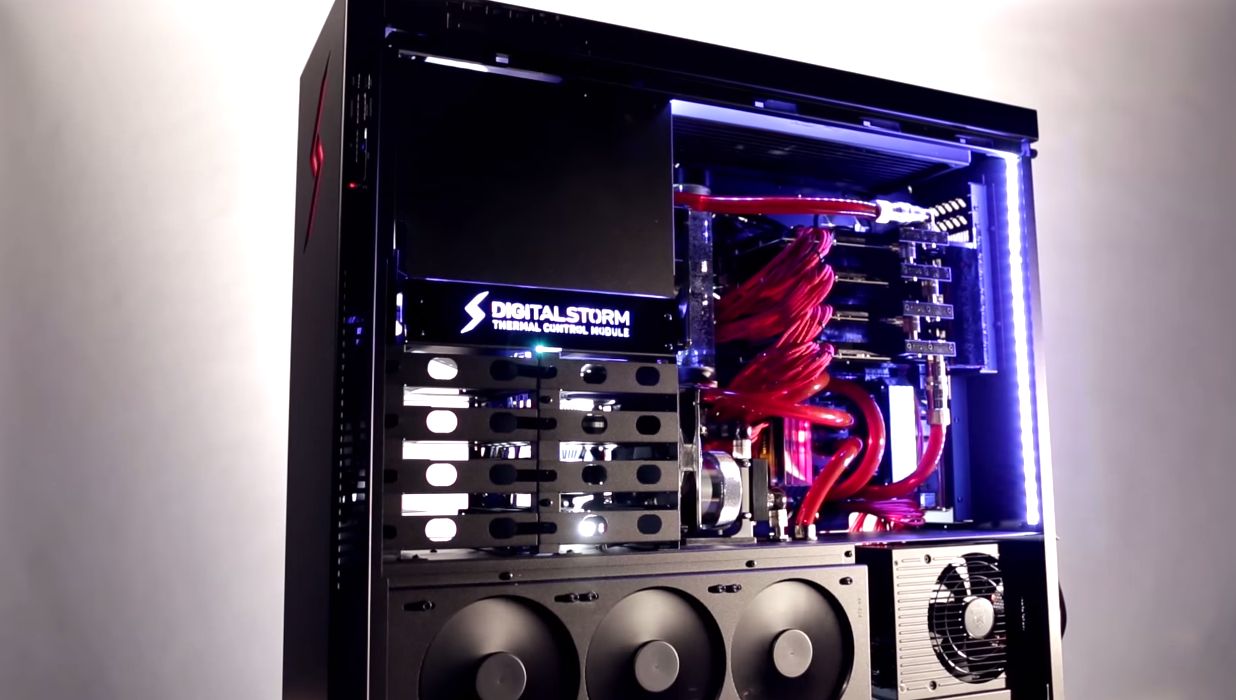
To remove glass from a PC case safely, you must first identify the specific fastening mechanism your case uses, as methods vary widely between manufacturers like NZXT, Corsair, and Thermaltake. Whether you are cleaning the panel, performing maintenance, or upgrading components, always support the glass with one hand while loosening screws or releasing latches to prevent it from falling and breaking. While the panel is off, you can also minimize dust on PC case interiors before reassembly, and if the glass has minor blemishes, you can remove scratches from a tablet screen using similar polishing techniques.
Materials you'll need
Before starting, gather the following items to ensure a smooth process. A Phillips screwdriver (including a #1 size for some captive screws) will be needed for loosening fasteners. A clean microfiber cloth and either a glass cleaner safe for electronics or isopropyl alcohol are essential for cleaning. Cotton swabs help target stubborn spots, and an anti-static wrist strap is optional but recommended for protecting sensitive components.
Step 1: Prepare your work area
Power down your PC completely and unplug the power cord from the wall outlet. Choose a clean, well-lit surface such as a table or desk. If available, use an anti-static mat and wear an anti-static wrist strap connected to a grounded surface. Organize all your tools within easy reach, and remove any magnetic objects from the workspace to avoid interference with PC components.
Step 2: Remove external components and clear access
Disconnect all peripherals including USB devices, headphones, and external drives. Remove any existing side panels to improve interior access. Clear away loose cables or clutter from inside the case, then disconnect internal power cables from components. If you have custom additions like RGB lighting strips or extra fans, remove them following the manufacturer's instructions to prevent interference.
Step 3: Identify your case's glass panel mechanism
Examine the edges and corners of the glass panel to determine how it is secured. Common mechanisms include thumbscrews that can be turned by hand, captive locking screws that remain attached to the case, and clip-on latches that require pulling a specific area outward. Knowing which type you have before proceeding prevents accidental damage.
Step 4: Loosen fasteners or release latches by case type
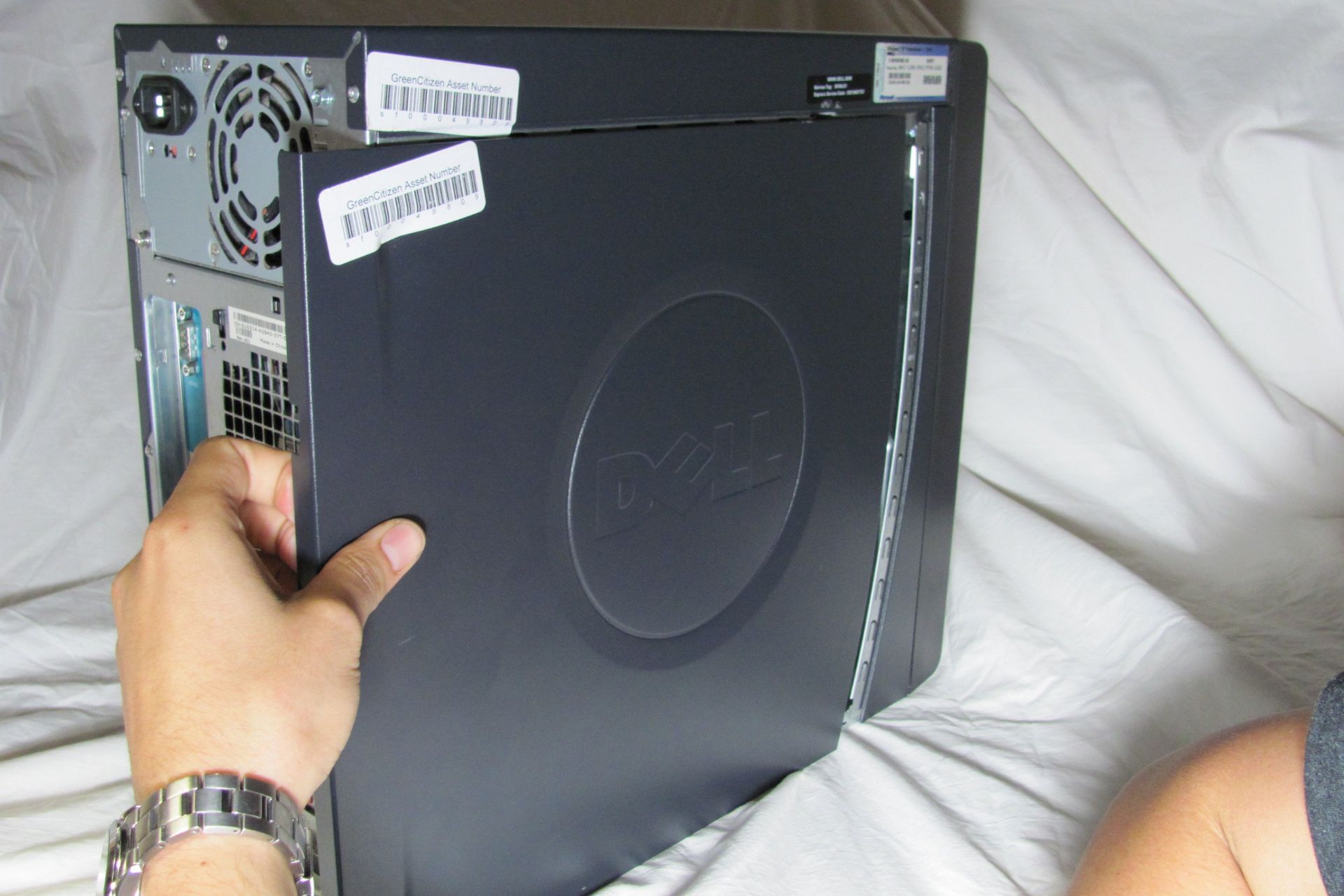
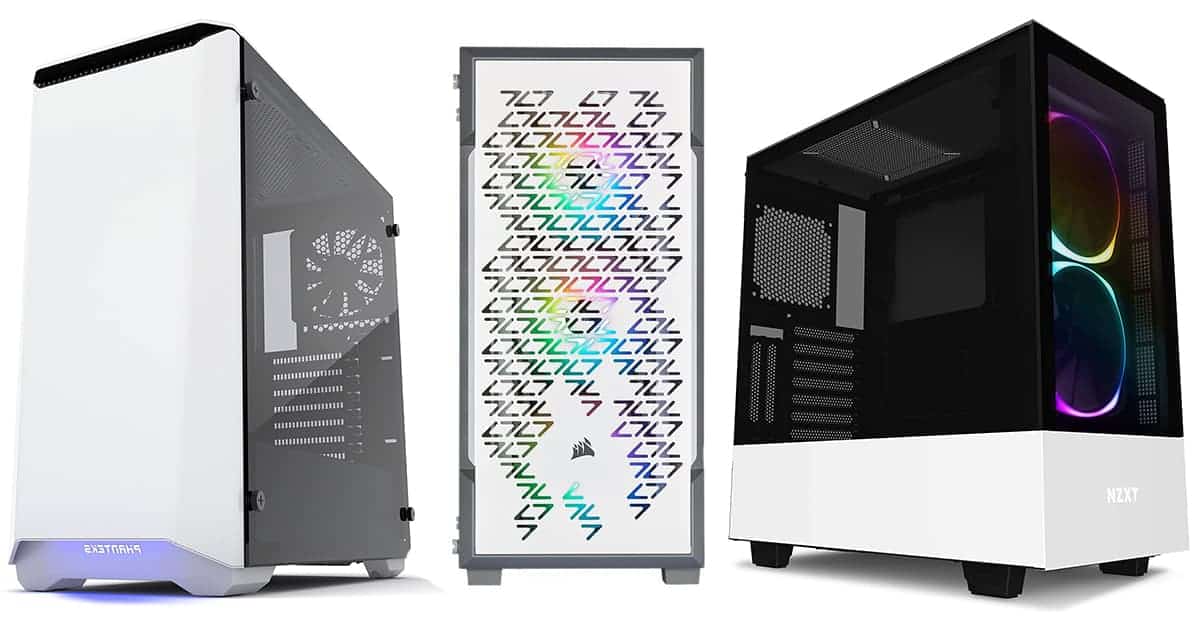
The method you use depends on your specific case model. For NZXT cases like the H710 or H9 Flow, locate the captive locking screw at the top-left rear. Loosen this screw, then pull the glass panel away from the top of the case to unlock it from its ball sockets. For Corsair 4000 and 5000 series cases, loosen both the bottom and top thumbscrews while supporting the panel with one hand, then gently pull it off. For cases using clip-on or latch mechanisms, such as some Thermaltake models or the SSUPD Xhuttle, pull the designated notch or top edge outward to disengage the clips. Always support the glass panel with one hand while loosening fasteners or releasing latches to prevent it from falling and breaking.
Step 5: Lift off the glass panel carefully
Ensure your hands are clean and dry before gripping the panel. If the panel is large or heavy, use your second hand for additional support. Lift the panel straight up without tilting or twisting, making sure it clears any remaining fasteners or obstructions. Place the panel on a soft, clean surface such as a microfiber cloth or padded mat. Inspect the glass for any cracks or chips before proceeding.
Step 6: Clean the glass panel thoroughly
Start by using a dry microfiber cloth to remove loose dust and debris. Dampen a clean microfiber cloth with your chosen cleaner or isopropyl alcohol, ensuring it is damp but not soaked. Wipe the glass in straight lines to avoid streaks, applying light pressure on fingerprints or smudges. Use cotton swabs dampened with cleaner to target stubborn spots in corners or crevices. Finally, dry and polish the glass with a clean, dry microfiber cloth until it is streak-free.
Step 7: Reinstall the glass panel correctly
Hold the glass panel in the correct orientation and align it with the mounting points or slots on the case. Carefully slide it into place, ensuring screw holes or clip positions align properly. Tighten screws clockwise using your Phillips screwdriver, or secure clips until they click into place. Give the panel a gentle wiggle to double-check the fit. Reconnect all previously removed components, including peripherals, side panels, power cables, and custom additions. Plug in the power cord and power on your PC to verify everything functions correctly.
Special cases: front glass panels
Front glass panels often have different removal methods than side panels. They may require removing other panels first or accessing specific internal screws. Always consult your case manufacturer's manual for the correct procedure on front panels, as forcing them can cause damage.
When to seek a replacement panel
If you inspect the glass and find cracks, chips, or any structural damage, do not attempt to reinstall it. A damaged tempered glass panel can shatter unexpectedly. In that case, you should seek a replacement tempered glass side panel from the manufacturer or a compatible aftermarket source.
For the wider topic, see opening a PC case.