You can download files from OneDrive to an external hard drive directly through the OneDrive website, which lets you bypass your computer's internal storage entirely. This direct method is essential when you want to free up cloud space or create a physical backup without filling up your PC's drive first.
How to download files from OneDrive directly to an external hard drive
The direct-download approach works by having your browser save the files straight to the external drive, skipping the default Downloads folder on your computer. This saves internal storage space and is ideal for large media libraries or entire folder structures. You have two main options: using the OneDrive website in a browser, or using the OneDrive desktop app for bulk sync operations. Both methods achieve the same result, but the browser route gives you more granular control over which files you grab.
Step 1: Connect and recognize your external hard drive
Plug your external hard drive into an available USB port on your computer. Wait a few seconds for the operating system to recognize the device. On Windows, open File Explorer and confirm the drive appears under "This PC" or "Devices and drives." On Mac, open Finder and check the sidebar under "Locations." The drive must remain connected for the entire download process, so make sure the connection is secure before proceeding.
Step 2: Sign in to your OneDrive account on the web
Open a web browser and navigate to OneDrive.live.com for personal Microsoft accounts. If you use OneDrive for work or school, go to portal.office.com instead. Enter your Microsoft credentials, email address and password, to access your cloud storage dashboard. Double-check that you are signed into the correct account, especially if you manage multiple Microsoft profiles, because downloading from the wrong account will waste time.
Step 3: Select the files and trigger the download
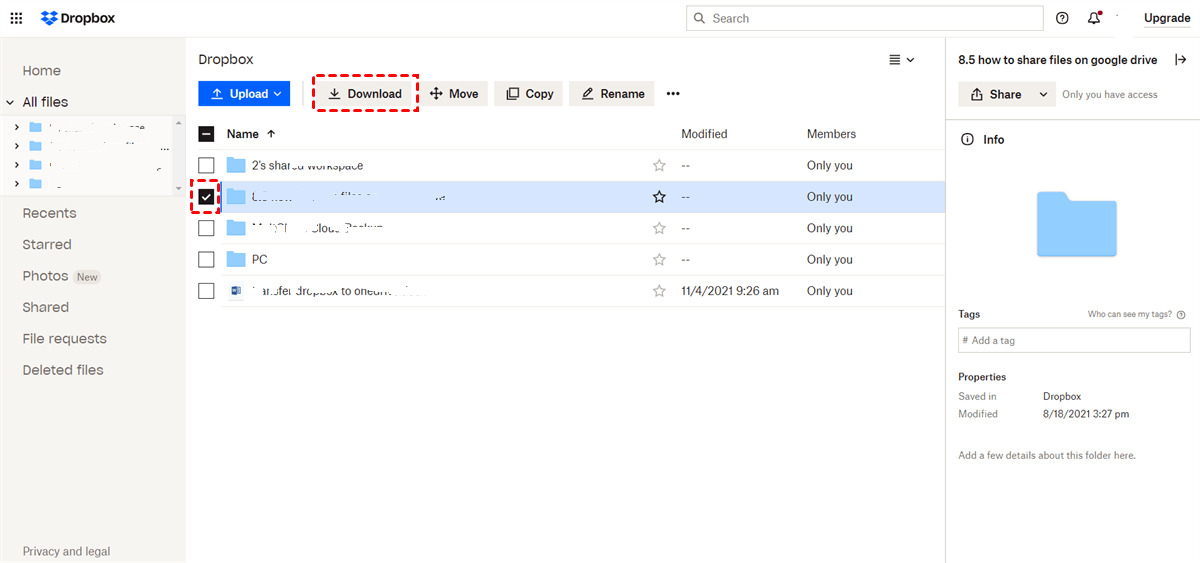
Once you are on your OneDrive dashboard, navigate through your folders or use the search bar to locate the items you need. To select individual files, click the circle checkbox that appears when you hover over each item. To select everything inside a folder, press Ctrl+A on Windows or Command+A on Mac. After making your selection, click the "Download" button in the top navigation bar, or right-click the selected items and choose "Download" from the context menu.
If you select multiple files or entire folders, OneDrive will automatically compress them into a single .zip file before the download begins. This is a convenient way to keep your transfer organized, but be aware that the zip process adds a short delay before the actual download starts.
Step 4: Choose your external hard drive as the 'Save' destination
When your browser displays the save prompt, do not accept the default Downloads folder. Instead, click the dropdown menu or "Save As" option and navigate directly to your external hard drive. On Windows, select the drive letter assigned to your external storage (e.g., E: or F:). On Mac, choose the drive name from the sidebar. By selecting the external drive as the destination, you eliminate the intermediate step of saving to your computer's internal storage first. The browser will write the files straight to the external drive, keeping your system drive clean. If you also need to free up space from Apple's cloud service, you can similarly move files from iCloud to external hard drive. If your browser skips the prompt and saves automatically, you can change its settings to download files directly to external hard drive every time.
Important limits and troubleshooting for large transfers
The maximum individual file size you can download from OneDrive is 250GB. However, a single browser download operation is limited to 10,000 files or a folder containing up to 10,000 items. When downloading multiple compressed files, such as .zip or .mp4 formats, the limit is 10GB per .zip file and 20GB overall for the entire download operation. For OneDrive for work or school accounts, you must use Microsoft Edge or Google Chrome; Internet Explorer is not supported for folder or multi-file downloads.
If your OneDrive storage is over its limit or your subscription has expired, you can still download your files, Microsoft does not block access to your data. For very large transfers, download files in smaller batches to prevent browser timeouts. Also note that you cannot download files directly from the "Shared" view on the OneDrive website; you must open the shared file and save a copy to your own OneDrive first. OneNote notebooks cannot be included in a multi-file .zip download; they will trigger an error message inside the zip file.
Alternative method: Using the OneDrive desktop app for bulk sync
If you prefer a desktop-based approach, the OneDrive app offers a "Download all files" feature. Right-click the OneDrive cloud icon in your taskbar (Windows) or menu bar (Mac), go to Settings, then the Sync and Backup tab, open Advanced Settings, and in the Files On-Demand section click "Download all files." This makes every file locally available on your computer, indicated by a solid green circle with a white checkmark icon. For specific folders only, open File Explorer, navigate to your OneDrive folder, right-click the desired folder, and select "Always keep on this device."
Once the files are locally available, open File Explorer or Finder, locate your OneDrive folder, and copy or drag-and-drop the files to your external hard drive. This method is particularly useful when you want to sync an entire OneDrive library without manually selecting items on the web. If you want to set an external hard drive as the primary OneDrive sync location, you must first unlink your PC in OneDrive settings, then during the setup process choose "Change location" and select a folder on the external drive. This requires a non-ejectable drive for continuous syncing, so it is not recommended for removable USB drives.
Final verification and safe ejection
Before you delete anything from OneDrive, verify that all files have successfully transferred to your external hard drive. Open the destination folder on the external drive and spot-check file sizes, folder structures, and a few random files to ensure they open correctly. Compare the total file count and total size against your OneDrive selection to catch any missing items. If you used the zip method, extract the archive on the external drive and verify the contents before deleting the original cloud files.
When you are satisfied that the transfer is complete, safely eject the external hard drive before disconnecting it. On Windows, click the "Safely Remove Hardware" icon in the system tray and select your drive. On Mac, drag the drive icon to the Trash or press Command+E. Ejecting prevents data corruption and ensures all write operations have finished. After ejection, you can unplug the drive and store it in a safe location.
For the wider topic, see use lacie external hard drive.