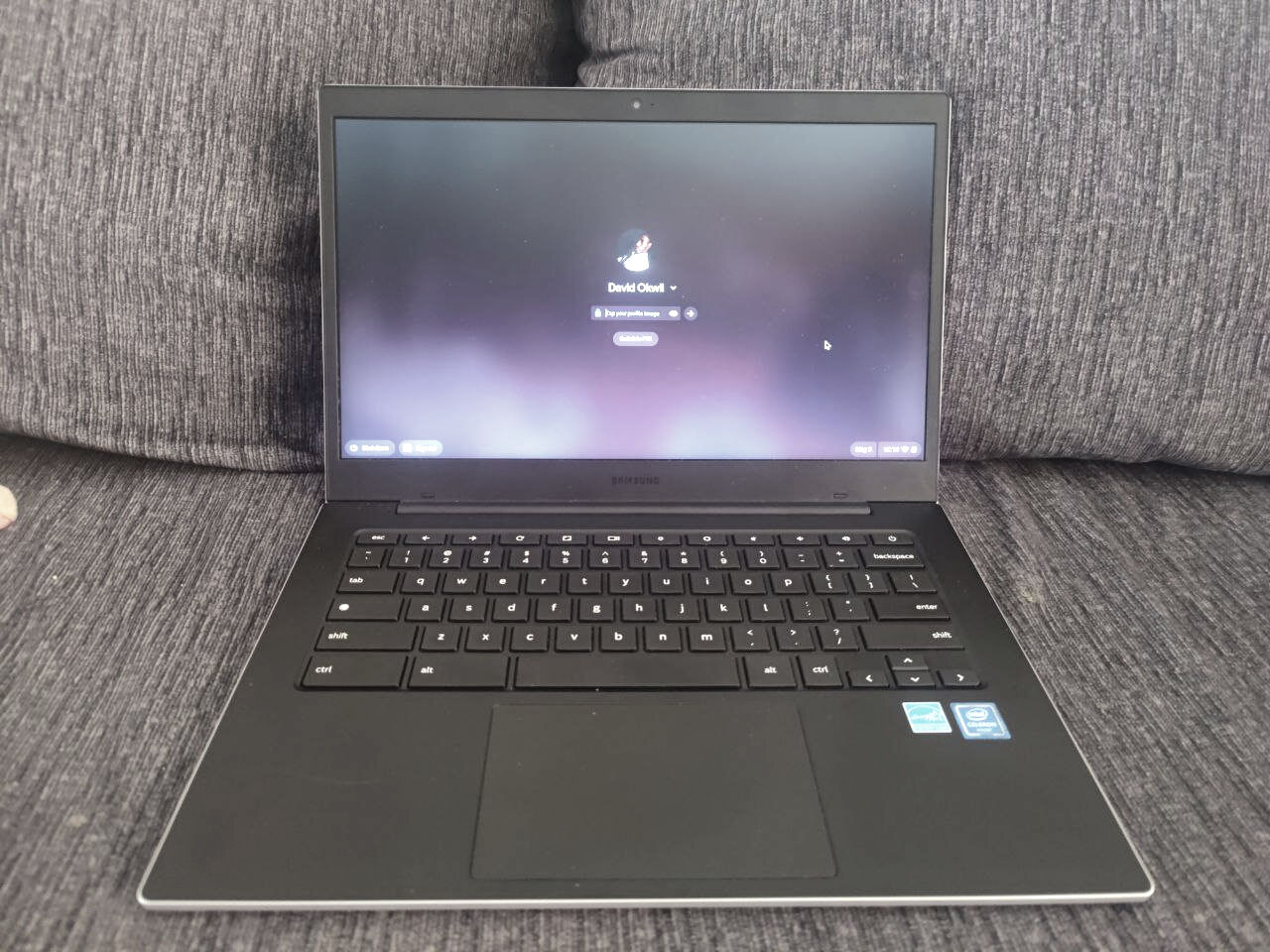
Students cannot disable GoGuardian on a school Chromebook because the software is installed and managed entirely by school IT administrators, not by students. Any attempt to disable GoGuardian on a school Chromebook without explicit permission from a teacher or administrator will fail and may result in disciplinary action.
Can you actually disable GoGuardian on a school Chromebook?
The short, honest answer is no: students cannot disable GoGuardian themselves. GoGuardian is installed and managed by school IT administrators, who configure it to enforce filtering and monitoring policies at the device level. Because the Chromebook is school property and enrolled in a management system, students lack the administrative privileges needed to remove, block, or alter the GoGuardian extension. Even if a student could reach the extensions page, any changes they make would be reversed the next time the device syncs with school servers. This is why students searching for how to disable GoGuardian on a school Chromebook will find no working DIY method.
What GoGuardian does and who controls it
GoGuardian is a web filtering and monitoring tool controlled entirely by school IT administrators. It provides proactive proxy defense, automatically detecting and blocking proxy bypass attempts before they connect. The system uses AI and machine learning to dynamically categorize and block harmful or distracting content, giving administrators precise control over what students can access. GoGuardian can continue to monitor student activity and enforce filtering policies on school devices even when used at home, if the district has "At Home" mode enabled. This means students cannot simply wait until they leave school to bypass restrictions, the monitoring follows the device wherever it goes.
The only legitimate way to get past a GoGuardian block
Teachers can sometimes temporarily lift blocks for specific URLs for students through their administrative dashboard or by providing a bypass password. This is the sole proper path for students who need access to a blocked site for a legitimate educational reason. The process is straightforward: ask the teacher directly, explain why the site is needed for an assignment or research, and wait for them to approve the request. If the teacher determines the site is appropriate, they can either whitelist a website on Chrome in their dashboard or give the student a temporary bypass password. No other method works, and no shortcut exists, the request must come from an authorized school staff member.
What about the GoGuardian parent app?
The GoGuardian Parent app allows verified parents or guardians to apply limited internet controls, such as blocking specific websites or pausing internet access, during out-of-school hours on school-managed devices. However, guardians cannot use the GoGuardian Parent app to allow sites that the school has blocked, as school filtering policies take precedence. Parental controls through the GoGuardian Parent app are optional features enabled by administrators and only apply during out-of-school hours as defined by the school's schedule. This means a parent cannot override a school-imposed block, even if they want to, the school's filtering rules always win.
Why common bypass methods do not work
Attempts by students to bypass GoGuardian, such as using proxy websites, VPNs, or changing DNS settings, are often ineffective as these methods are usually blocked by school networks or GoGuardian itself. GoGuardian Admin provides proactive proxy defense, automatically detecting and blocking proxy bypass attempts. VPN traffic is similarly identified and blocked at the network level or by GoGuardian's filtering engine. Changing DNS settings on a school-managed Chromebook is impossible because those settings are locked by the administrator. Removing the GoGuardian extension from chrome://extensions appears to work momentarily, but the extension is reinstalled automatically on the next sync with school servers. Every common bypass strategy students try has already been anticipated and neutralized by the system's design.
What happens if you try to disable GoGuardian anyway
Attempting to disable GoGuardian without authorization violates school policy and can lead to disciplinary consequences. The monitoring capabilities that persist mean administrators will likely detect any tampering attempt. GoGuardian logs extension removal attempts, proxy usage, and VPN connections, and these logs are visible to school IT staff. Consequences can range from a warning and loss of device privileges to detention, suspension, or even legal action in cases involving deliberate network tampering. Students should understand that the software is not optional, it is a required security measure on school property, and bypassing it is treated as a serious infraction. The safest and only effective approach is to ask a teacher for help when a legitimate educational site is blocked.
\nRelated reading: How To Remove School Administrator From Chromebook and How To Disable Amazon Apps On Fire Tablet.