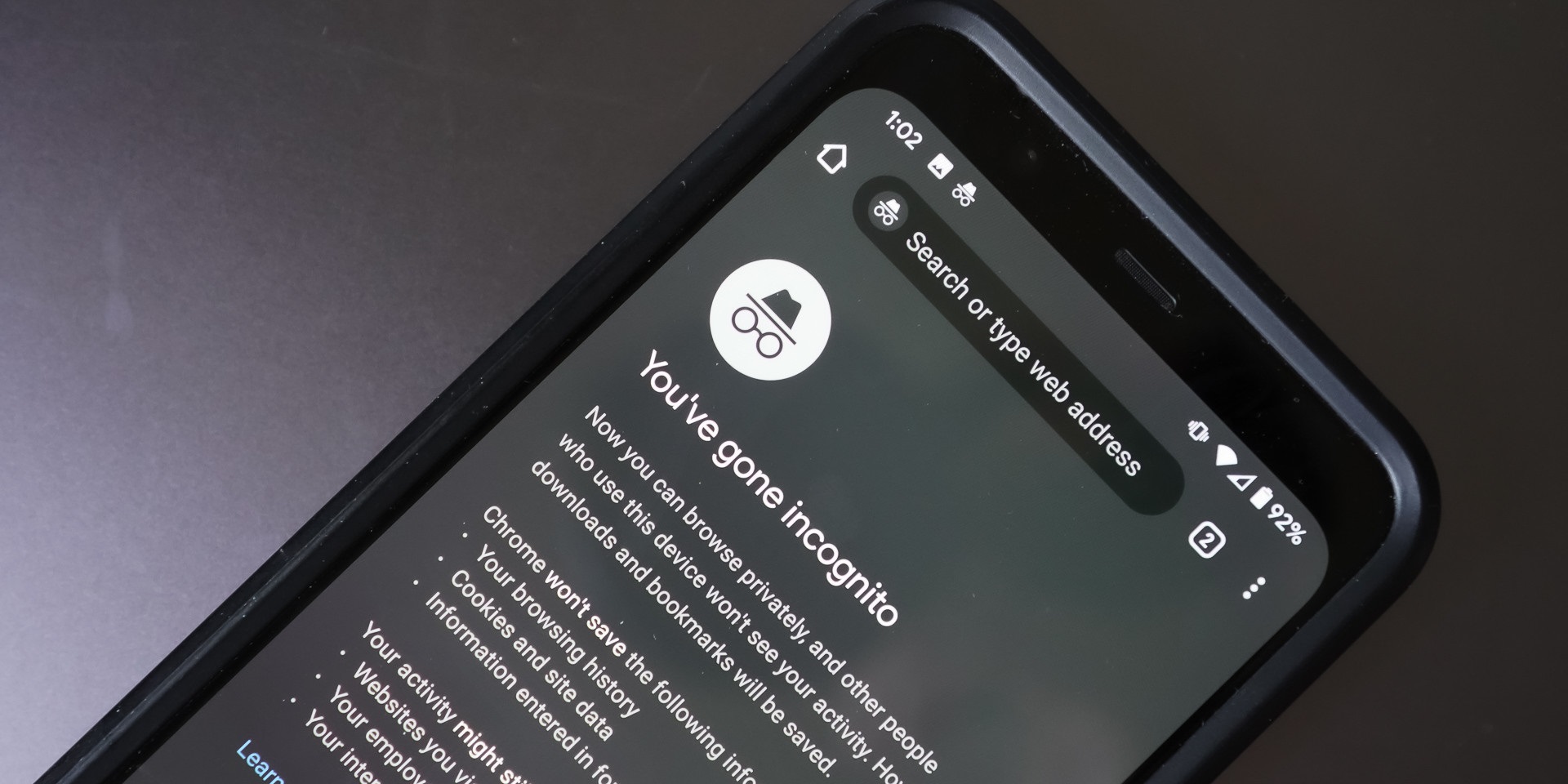
To go incognito on Android, open the Chrome app and tap the three-dot menu in the top-right corner, then select "New Incognito tab." This opens a private browsing session where Chrome won't save your history, cookies, or form data to your device.
How to go incognito on Android with Chrome
The quickest way to browse privately in Google Chrome on an Android phone or tablet requires just three taps. Follow these steps:
- Open the Chrome app on your Android device.
- Tap the "More" icon (three vertical dots) in the top right corner of the browser.
- From the dropdown menu, select "New Incognito tab."
On Android tablets, the option may appear as "New Incognito window" instead. Once selected, a new tab opens with a dark interface and an Incognito icon, indicating you're now browsing privately. To open a specific link directly in an Incognito window, touch and hold the link, then select "Open link in new Incognito window" from the pop-up menu.
Incognito Mode: What It Does and Does Not Do
Understanding the Incognito Mode functionality is essential for using it correctly. When browsing in Incognito mode, Chrome does not save your browsing history, cookies, site data, or information entered in forms to your device. Chrome also does not automatically sign you into your Google Account or other websites while in Incognito mode.
However, Incognito mode does not make you invisible online. Websites you visit, your internet service provider (ISP), employer, or school network can still observe your activity. Files downloaded while in Incognito mode are saved to your device's regular Downloads folder and remain there after the session ends. Similarly, bookmarks you create in Incognito mode are saved and will be available in your regular browsing sessions. To apply these same privacy boundaries within social media apps, you can also turn on incognito mode on Facebook.
How to close Incognito tabs and lock them for extra privacy
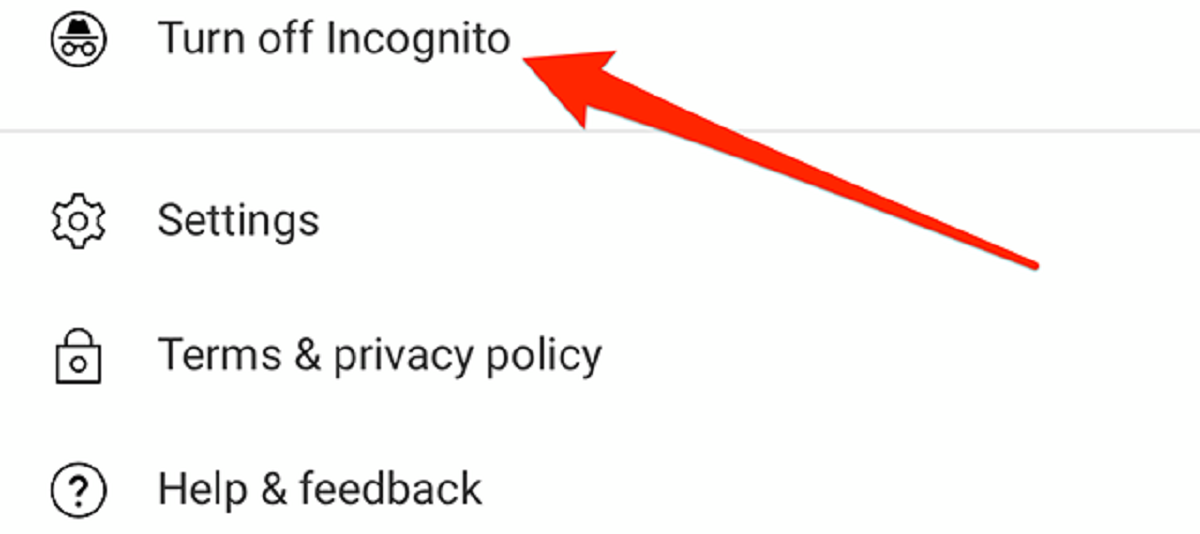
To exit Incognito mode, you must close all open Incognito tabs. To close individual Incognito tabs, tap the "Switch tabs" icon (a square with a number) at the top right, then tap the "X" on each Incognito tab you want to close. To close all Incognito tabs at once, tap the "Switch tabs" icon, then tap "More" (three vertical dots) and select "Close all Incognito tabs."
For additional privacy on your device, you can enable a setting to "Lock Incognito windows when you leave Chrome." This hides Incognito tabs from the tab switcher when you switch to a regular Chrome window, preventing anyone who picks up your phone from seeing your private browsing sessions in the app switcher.
Going private in Firefox, Edge, and Opera on Android
Other browsers on Android offer similar private browsing features. Here are the steps for three popular alternatives:
Mozilla Firefox
- Open the Mozilla Firefox app on your Android device.
- Tap the menu button (three horizontal lines, typically in the bottom-right corner).
- Select "New Private Tab" (indicated by a purple mask icon).
Microsoft Edge
- Launch the Microsoft Edge app on your Android device.
- Select "New InPrivate tab."
Opera
- Open the Opera browser app on your Android device.
- Tap the red "O" icon in the bottom-right corner.
- Select the blue mask icon labeled "Private" to start a new private browsing session.
Each of these browsers follows the same principle: opening a separate session that doesn't save your local browsing history, cookies, or site data to your device.
Why use Incognito mode on a shared device
Using Incognito mode on a shared Android device offers practical benefits. It keeps your searches private from other device users, so when you hand the phone or tablet back, no one can see what you looked up. It also lets you sign into accounts on a friend's phone without leaving a trace, once you close the Incognito tabs, your login details and browsing history disappear. Additionally, Incognito mode shows you non-personalized search results, which can be useful when you want to see what a website looks like to a first-time visitor without your past browsing behavior influencing the results.