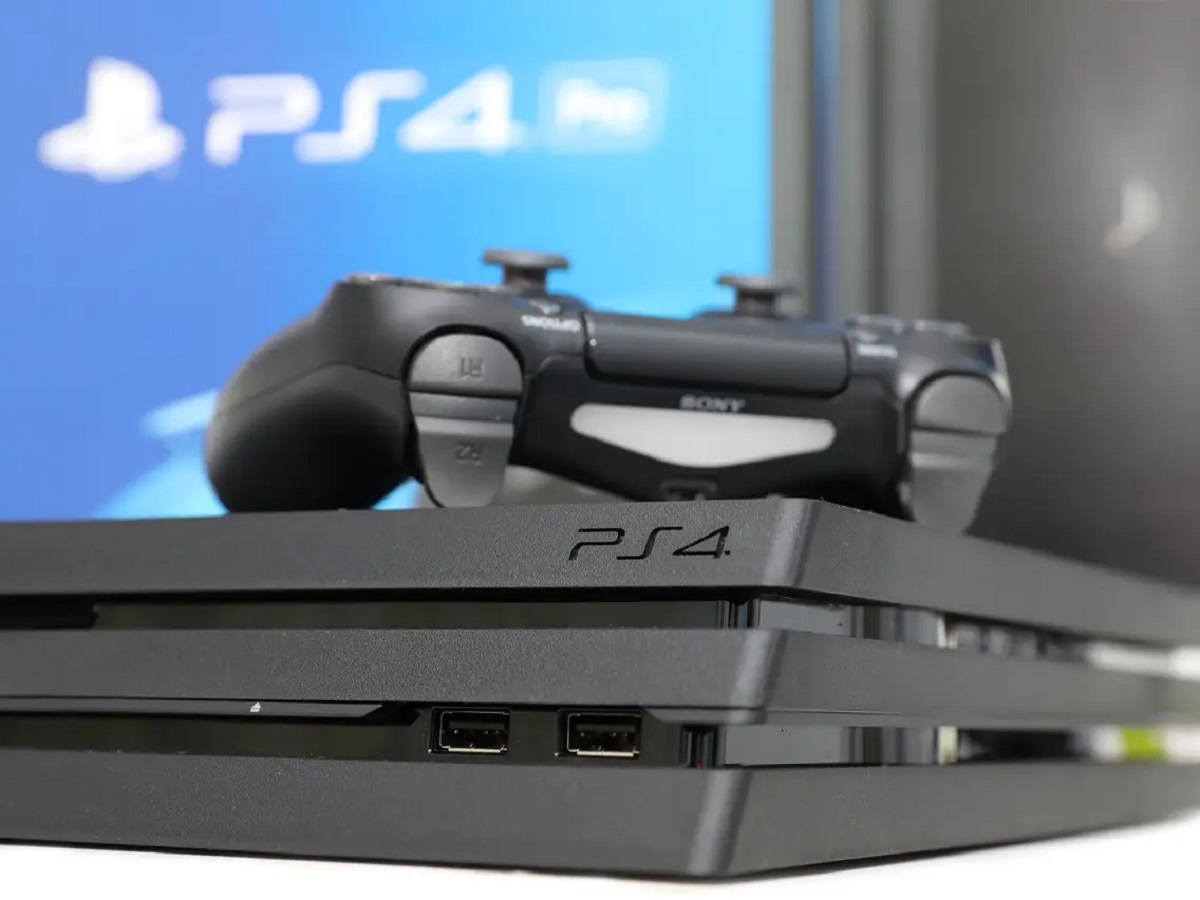
To clear cache on PlayStation 4, you must perform a full power cycle because there is no direct menu option for this task. This method discharges the system's capacitors and removes temporary files that cause slowdowns, freezes, and errors. Follow the verified steps below to restore your console's performance.
Why you need to clear cache on PlayStation 4
The PS4 cache is a temporary storage area where the system saves frequently accessed data like game assets, system updates, and app settings. Over time, this cache becomes overloaded with outdated or corrupted files, leading to sluggish menus, long load times, random game freezes, and connectivity errors. Unlike a PC or smartphone, the PS4 lacks a simple "Clear Cache" button in its settings menu. This design forces users to rely on a power-cycle method, which manually flushes the system's temporary memory and forces the console to rebuild its cache from scratch on the next boot.
The only reliable way to clear cache on your PS4
Performing a full power cycle is the only verified method to clear cache on PlayStation 4. This process forces the console to discharge all residual electricity, which wipes the temporary files stored in its RAM and system cache. Follow these exact steps:
1. Press and hold the power button on the front of your PS4 until you hear two beeps. The first beep indicates the console is turning off, and the second confirms it is entering standby mode. Do not release the button after the first beep.
2. Wait until the indicator light on top of your PlayStation 4 is off and has stopped blinking. This confirms the system is fully powered down and not in rest mode.
3. Unplug the power cord from the back of the console. Also disconnect any other cables (HDMI, Ethernet) if you wish to be thorough, though only the power cord is essential.
4. Leave the console unplugged for at least 30 seconds.
5. Plug the power cord back into the PS4 and press the power button to restart it. The console will boot normally, but the cache will have been cleared.
This power-cycle method is safe and will not delete your games, saves, or settings. It only removes temporary files that have accumulated during normal use.
How to clear the internet browser cache on PS4
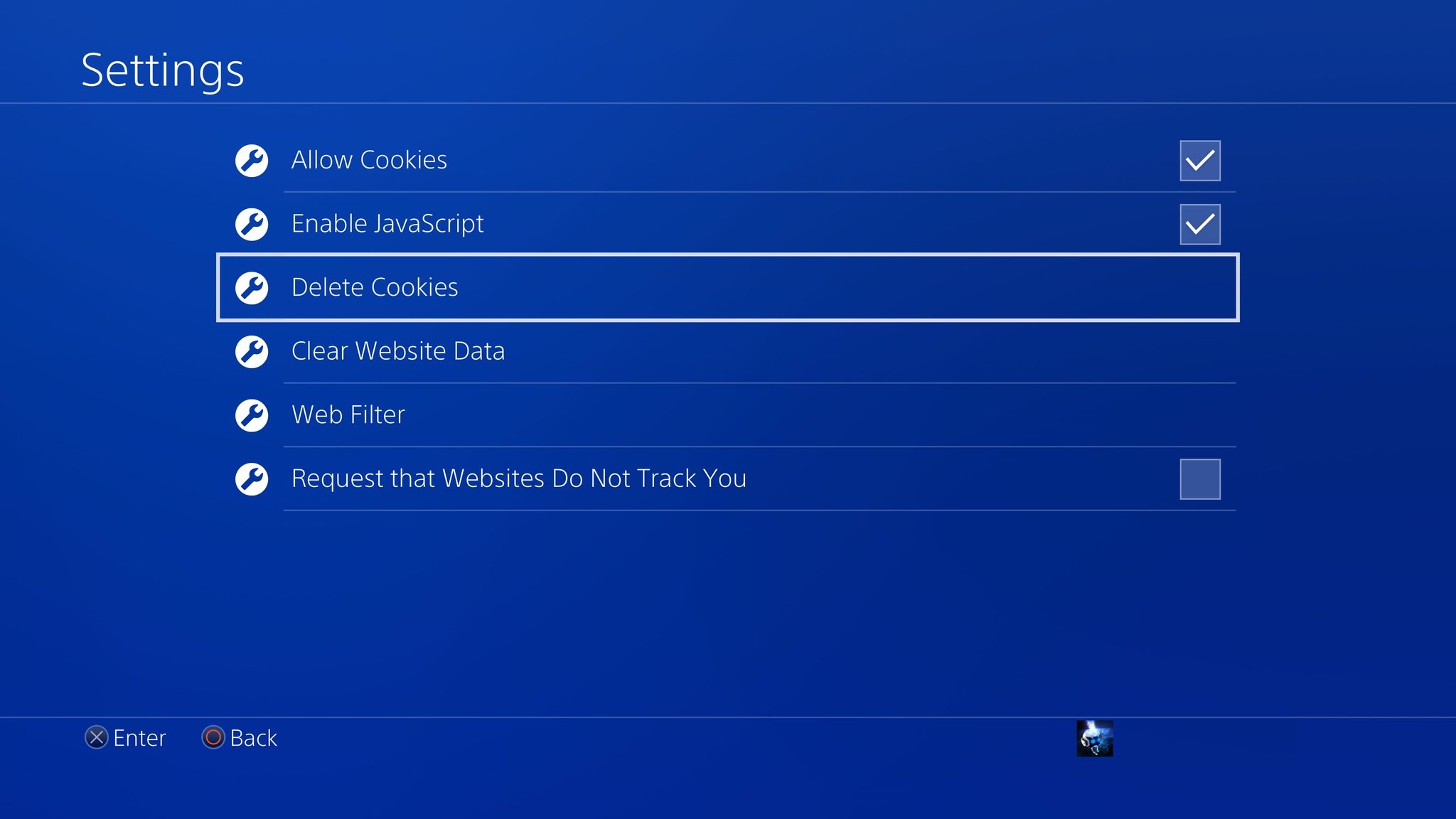
The PS4's built-in internet browser stores its own cache, cookies, and website data separately from the system cache. To clear these files, use the menu-based option:
1. From the PS4 home screen, navigate to the Settings icon (the toolbox) and press X.
2. Scroll down to "System" and press X.
3. Select "Internet Browser" from the list of options.
4. Choose "Delete Cookies and Website Data" and confirm your selection when prompted. This will sign you out of any websites you are currently logged into.
5. Return to the same menu and select "Delete Cache." Confirm the deletion when prompted.
This clears the browser's temporary files, which can resolve slow page loading, unresponsive elements, and playback issues on streaming sites. Note that this does not affect your system cache or game data.
What to do if power cycling isn't enough
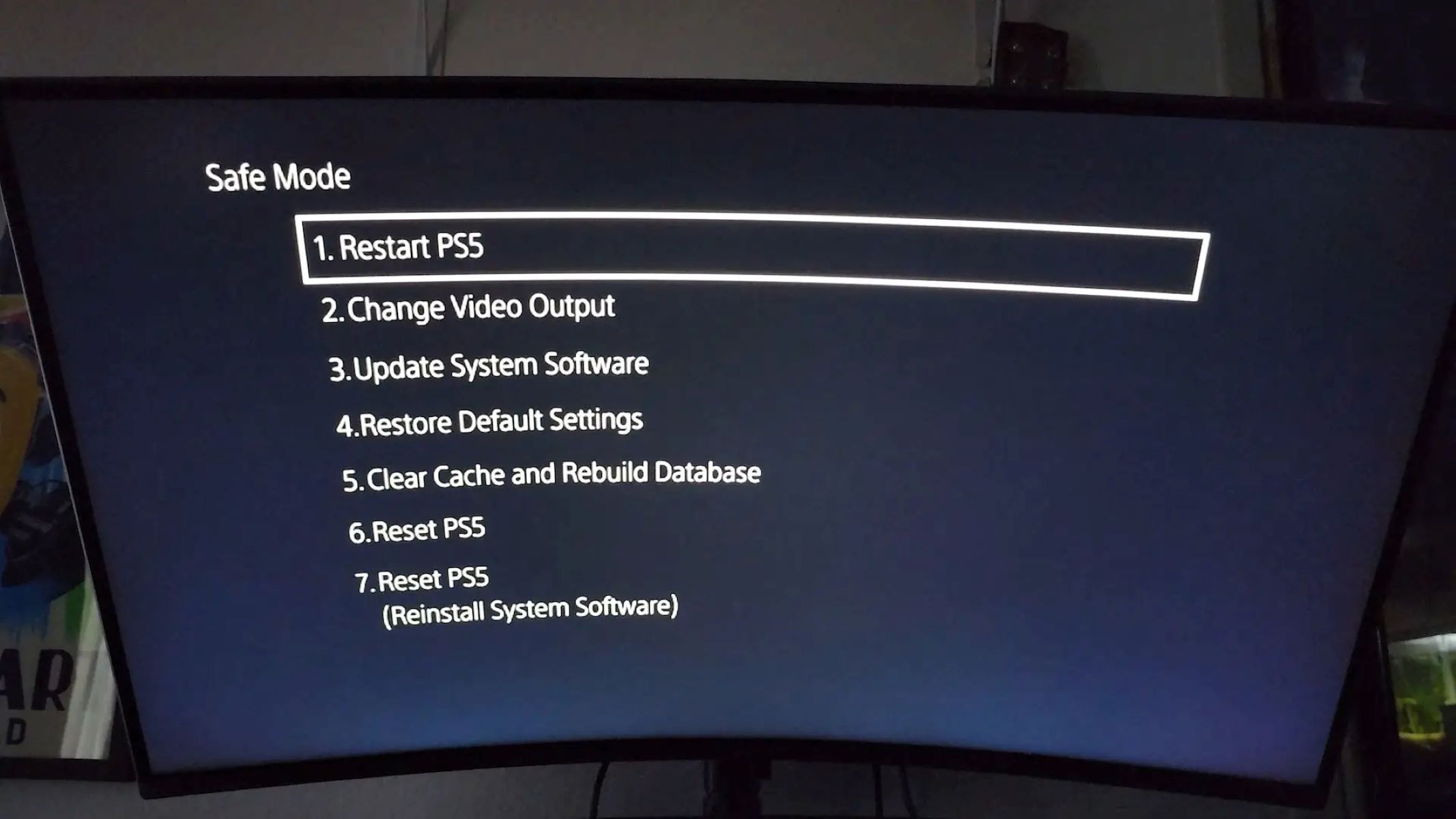
If performance problems persist after clearing the cache via power cycling, the next step is to rebuild the PS4 database through Safe Mode. This process is more comprehensive than a simple cache clear, it reorganizes the console's file structure and repairs corrupted data without deleting your games or saves. To access Safe Mode:
1. Turn off your PS4 completely by holding the power button until the system beeps twice.
2. Once the indicator light is off, press and hold the power button again. Release it only after you hear a second beep, which signals entry into Safe Mode.
3. Connect a DualShock 4 controller via USB cable and press the PS button.
4. Select "Rebuild Database" from the Safe Mode menu and wait for the process to complete.
Rebuilding the database is not a cache-clearing step, it is a deeper system repair that addresses file corruption and fragmentation. Use this only after you have already performed the power-cycle method and are still experiencing issues like frequent crashes, missing game icons, or persistent error codes.
Tips to keep your PlayStation 4 running smoothly
Maintaining your PS4 goes beyond clearing the cache. These practices will prevent performance degradation and extend your console's lifespan:
Keep your system software updated to ensure you have the latest performance patches and security fixes. Sony regularly releases updates that address bugs and improve system stability, so enabling automatic updates in the settings menu is wise.
Manage storage space by deleting old games, apps, and screenshots you no longer use. A nearly full hard drive can cause slowdowns and make PlayStation download faster by freeing up bandwidth and read/write speeds. Consider connecting an external hard drive for additional capacity if you have a large library.
Ensure proper ventilation by placing your PS4 in a well-ventilated area, away from walls and other electronics. Overheating forces the system to throttle performance to protect internal components. Clean the air vents every few months with a can of compressed air, and avoid stacking objects on top of the console.
Perform a full shutdown instead of using rest mode when you are done gaming for extended periods. Rest mode continues to write temporary files, which can accumulate over time. A weekly power cycle, even if you don't unplug the console, helps refresh the system and prevents memory leaks.
Limit background downloads during online gaming sessions. Large updates or game installs can consume bandwidth and cause lag, making your connection unstable. Schedule downloads for off-peak hours or pause them manually when playing competitive multiplayer games.
\nRelated reading: How To Reset My Playstation 4 and How Do I Clear The Cache On My LG Smart TV?.