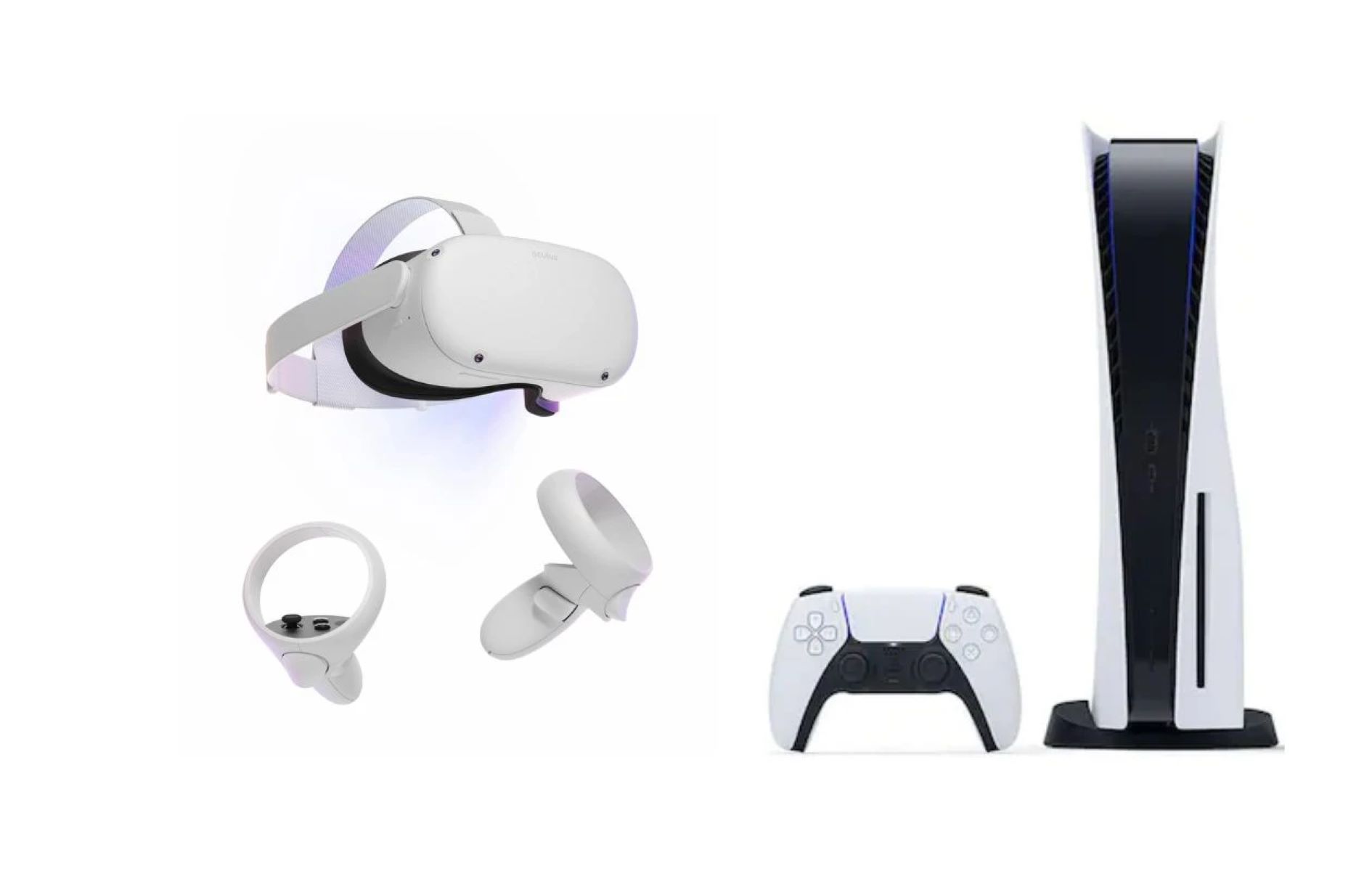
To start PS5 in Safe Mode, turn off the console completely by holding the power button until the power indicator blinks and turns off, then press and hold the power button again and release it after the second beep. This boots the console with only basic functions active, giving you access to troubleshooting tools to fix issues like a frozen system or display problems.
How to start PS5 in safe mode
Safe Mode is a diagnostic startup mode that loads only essential system functions, bypassing normal software that might be causing problems. You'll need a USB cable to connect your DualSense controller, as Bluetooth is disabled in this mode. Follow these steps exactly:
- Ensure your PS5 is completely powered off. If the console is on or in Rest Mode, hold the power button on the front of the console for three seconds until you hear a beep and the power indicator blinks, then turns off.
- Once the console is off, press and hold the power button again. You'll hear a single beep when you first press it, and then a second beep approximately seven seconds later.
- Release the power button immediately after hearing the second beep.
- Connect your DualSense controller to the PS5 using a USB cable.
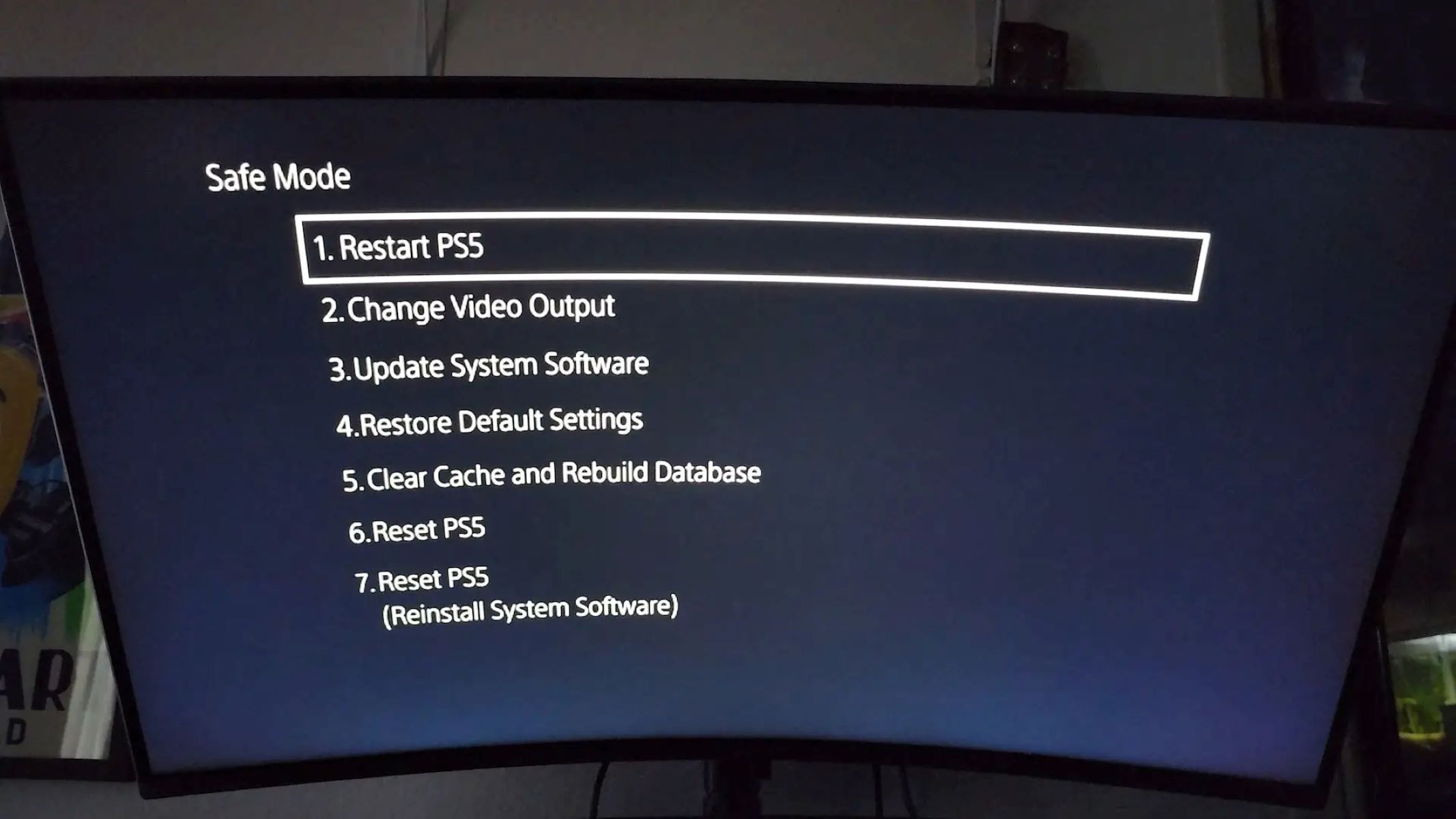
- Press the PS button on the connected controller. The Safe Mode menu will appear on your screen.
You can now select from the available options. If you don't see the menu after pressing the PS button, double-check that the controller is wired and the console actually powered off before starting the process. The second beep is your cue, it won't happen if you release too early or too late.
PS5 Safe Mode menu options explained
Each option in Safe Mode serves a specific troubleshooting purpose. Some can fix minor glitches without touching your data, while others will erase everything. Here's what each one does, when to use it, and whether it risks your saved files.
Restart PS5
This exits Safe Mode and restarts the console normally. Use it when you've finished troubleshooting or if you accidentally entered Safe Mode. It doesn't affect any data or settings.
Change Video Output
If your screen is blank or the display looks wrong, this option lets you change the resolution or HDCP mode. It's the first fix to try for display issues, especially after a TV or monitor change. It doesn't erase any data.
Repair Console Storage
This checks and repairs the internal storage without deleting anything. Use it if your PS5 won't start properly, crashes during games, or shows storage-related errors. It won't touch your games, screenshots, or saved data.
Update System Software
Lets you update the PS5 system software via internet download or a USB drive. Choose this if a normal update failed or the console won't boot after an update. It keeps your data intact, but it's wise to have a backup just in case.
Restore Default Settings
Resets all system settings (like network, display, and account preferences) to factory defaults without deleting games, apps, screenshots, or saved data. Use this when you've changed something and the console is behaving oddly, but you want to keep your files.
Clear Cache and Rebuild Database
This clears temporary system cache and rebuilds the database. It can fix performance drops, slow menus, or missing game icons after deletion. It doesn't erase your games or saves, but it may reorganize your home screen. Try this before any reset option.
Reset PS5
This restores the console to factory settings, deleting all user data, games, and settings. Use it only as a last resort for persistent software issues. You will lose everything, so back up to a USB drive or cloud storage first.
Reset PS5 (Reinstall System Software)
This is the most complete reset, it wipes everything and reinstalls the entire system software. Use it if the console won't boot at all or if a standard reset didn't fix a serious issue. This also erases all data, so back up before selecting this option.
Some options, like "Reset PS5" or "Reset PS5 (Reinstall System Software)," will result in the loss of data. It is recommended to back up data to a USB drive or Cloud Storage before selecting options that may cause data loss.
How to exit Safe Mode on PS5
Exiting Safe Mode is simple and doesn't require any special steps. From the Safe Mode menu, select "Restart PS5" (the first option). The console will shut down and reboot normally, returning to your regular home screen.
If you selected "Restart PS5" but the console stays in Safe Mode, try holding the power button for three seconds to turn it off completely, then power it back on. If it still boots into Safe Mode, you may need to try a different troubleshooting option, like "Repair Console Storage" or "Restore Default Settings," to fix the underlying issue before you can exit normally.
After exiting, any changes you made in Safe Mode, like rebuilding the database or changing video output, remain in effect. If the original problem is fixed, you're done. If not, you can re-enter Safe Mode and try a different option, or contact PlayStation support for further help.
\nRelated reading: How To Clear Cache On Playstation 4 and How To Fix PlayStation Disc Drive That Won't Read Discs.