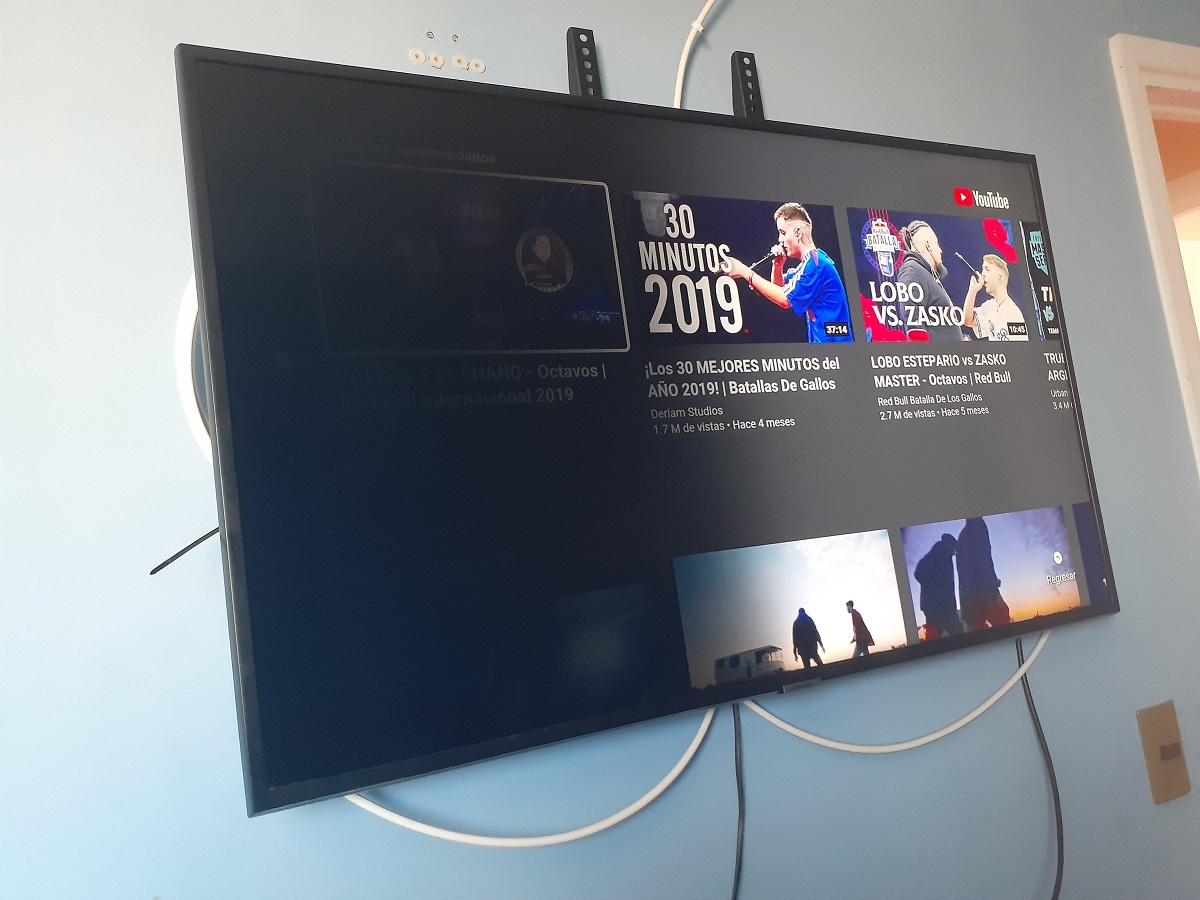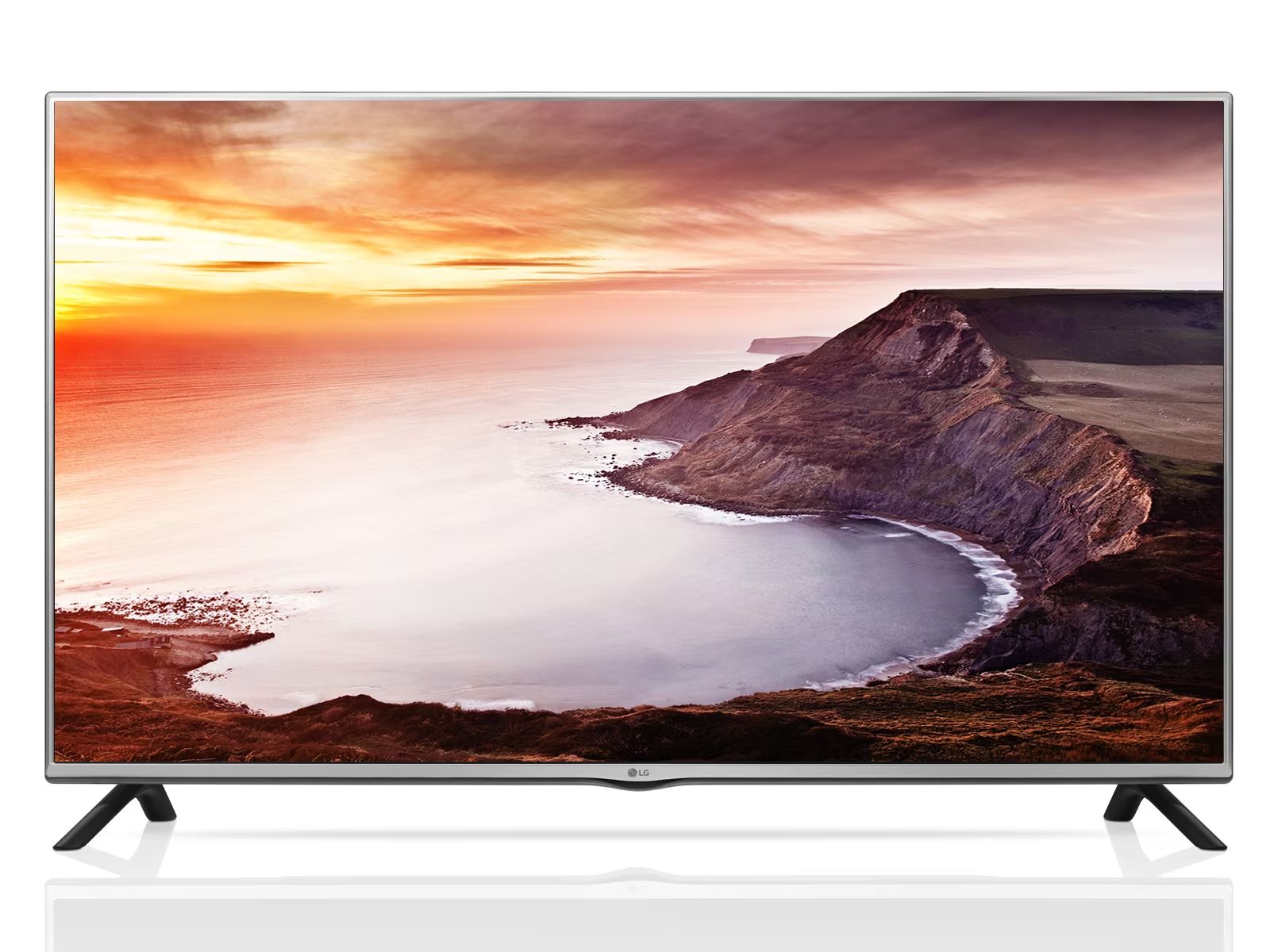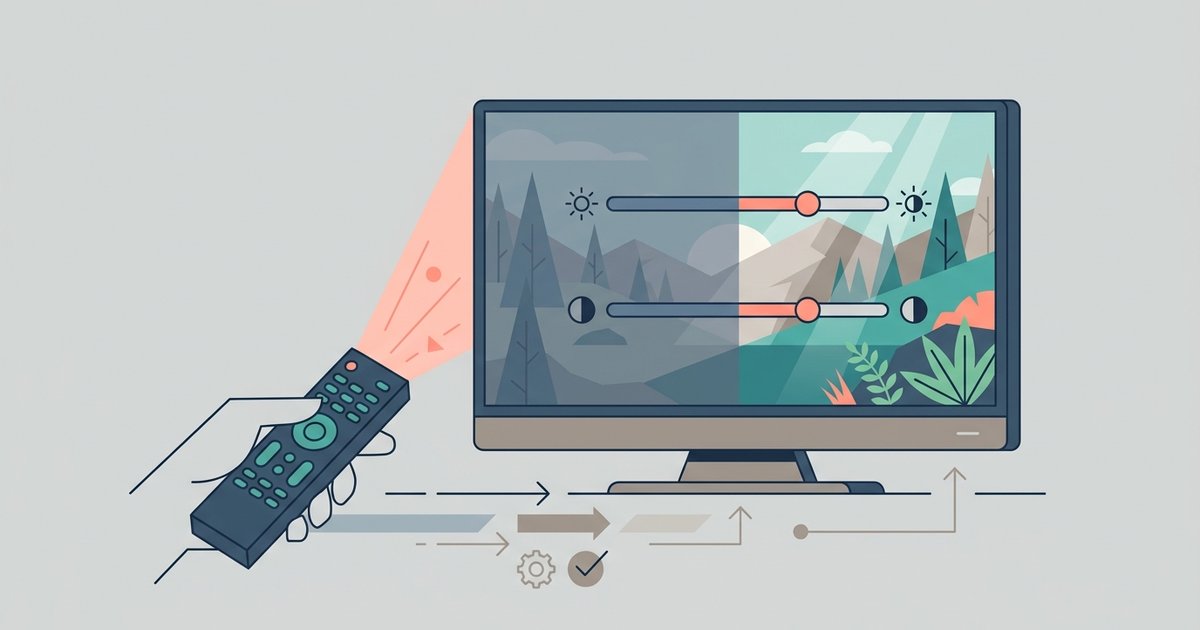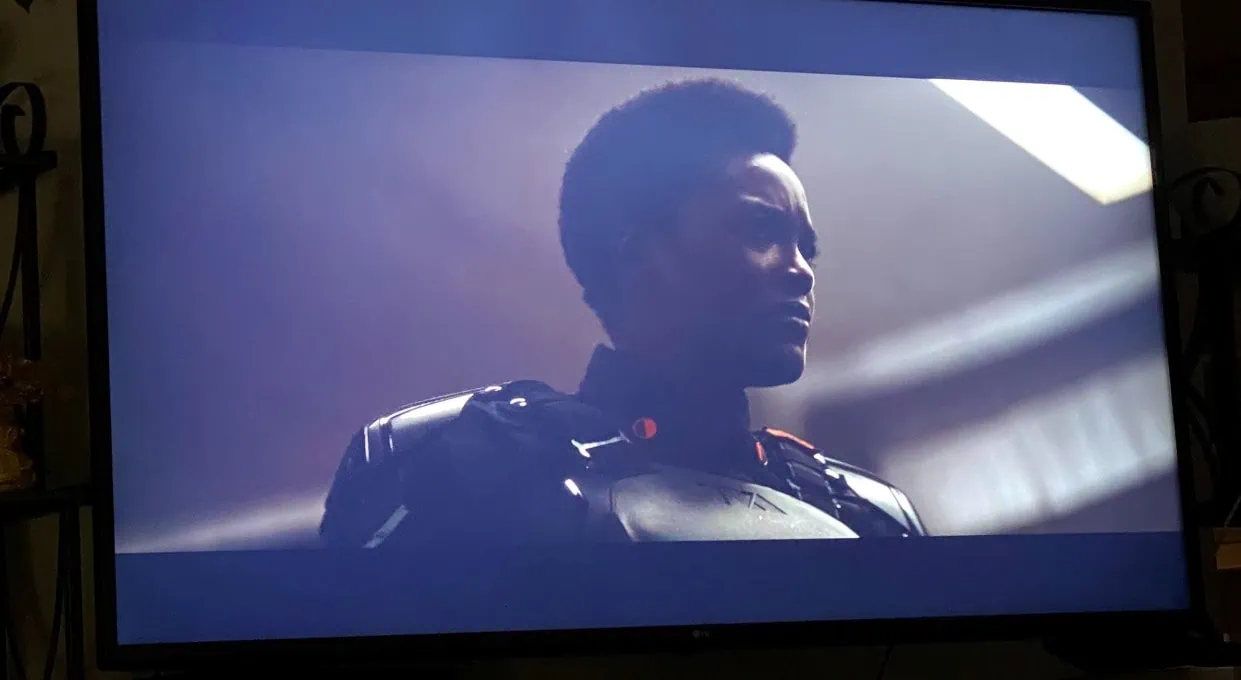
If your LG smart TV screen so dark that you can barely see the picture, the fix is almost always a two-second adjustment in the settings menu. The two most common culprits are the Energy Saving mode, which caps the screen's brightness to save power, and the Picture Mode, which may be set to a dim preset like "Eco" or "Auto Power Save." Turning off Energy Saving and switching to Standard Picture Mode will instantly restore normal brightness for the vast majority of users.
Why your LG smart TV screen is so dark: the 2-second fix
The quickest way to brighten your LG Smart TV is to disable Energy Saving and change the Picture Mode. These two settings are responsible for nearly all cases of an unexpectedly dim screen. Energy Saving actively limits the backlight, while certain Picture Modes are designed to reduce brightness. By addressing both, you bypass the need for deeper troubleshooting.
Step 1: Turn off Energy Saving mode completely
Energy Saving Step is a feature that caps the TV's peak brightness. Even the "Auto" setting will dim the screen based on ambient light, while "Minimum," "Medium," and "Maximum" all progressively dull the picture. You must set it to "Off" to restore full brightness. The menu path depends on your TV's webOS version.
- For webOS 26+ (2026 and newer TVs): Press the Settings (gear icon) button on your remote. Navigate to All Settings > System > Energy Saving > Energy Saving Step and select Off.
- For webOS 22+ (2022 and newer TVs): Press Settings, then go to All Settings > General > Energy Saving > Energy Saving Step and choose Off.
- For webOS 6.0 (2021 TVs): Press Settings, then select Support > Energy Saving > Energy Saving Step and set it to Off.
- For webOS 5.0 or earlier (2020 and older TVs): Press Settings, then go to All Settings > Picture > Energy Saving and select Off.
Step 2: Change your Picture Mode to Standard
Picture Mode presets like "Eco" or "Auto Power Save" are specifically designed to reduce screen brightness. Switching to "Standard" provides a balanced, well-lit picture. "Vivid" or "Filmmaker Mode" are also good alternatives if you prefer a brighter or more cinematic look.
- For webOS 6.0 or later (2021 and newer TVs): Press Settings, then go to All Settings > Picture > Select Mode. Choose Standard, Vivid, Filmmaker Mode, or Cinema.
- For webOS 5.0 (2020 and older TVs): Press Settings, then navigate to All Settings > Picture > Picture Mode Settings > Picture Mode and select your preferred mode.
Quick fix: Reset your picture settings with AV Reset
If the screen remains dark after disabling Energy Saving and changing the Picture Mode, a hidden reset can clear any corrupted or conflicting settings. Press the Mute button on your remote three times in quick succession. A menu will appear; select AV Reset. This reverts all picture adjustments to their factory defaults without affecting your other settings, often resolving stubborn dimness.
Still too dark? Check these HDR and HDMI settings
A dark screen that appears only when watching HDR content, such as from a streaming service, Blu-ray player, or gaming console, points to specific input settings. For HDR to display correctly, the TV must know it is receiving a high-dynamic-range signal. Enable HDMI Ultra HD Deep Color for the specific HDMI port you are using. This setting is found in the TV's general or connection settings. Additionally, the Black Level setting must match the source device's RGB range: set it to Low for a Limited RGB signal or High for a Full RGB signal. A mismatch will crush shadow detail or wash out the picture, making the screen appear too dark. Loose or faulty HDMI cables can also cause a dim or black screen, so check that all connections are secure.
When it's a hardware problem
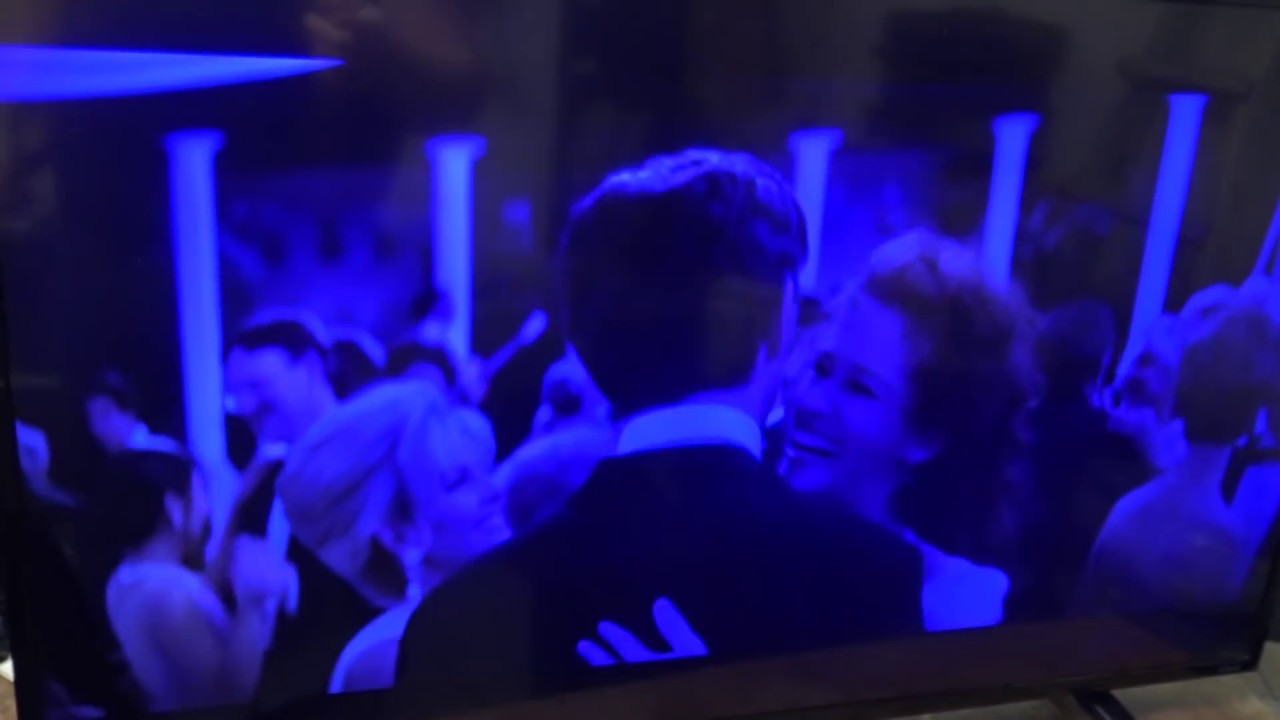
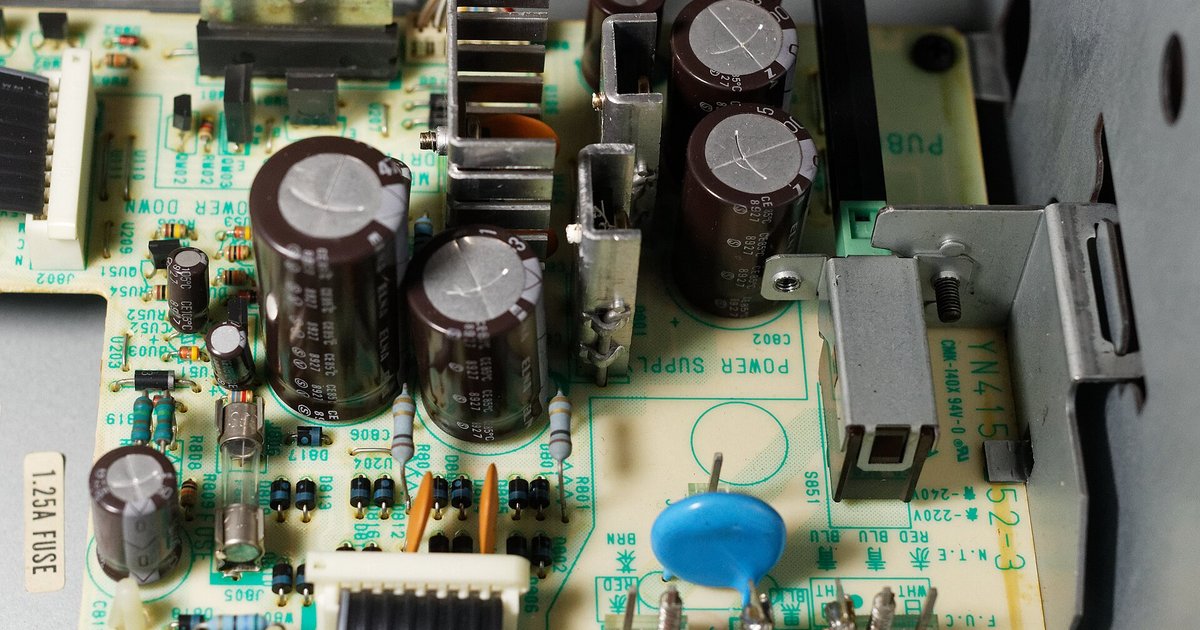
If you have followed every step above and the screen remains persistently dark, especially if it is uneven, flickering, or completely black, the issue is likely hardware-related. A failing LED backlight, a malfunctioning T-con board, or a power supply failure can all cause a dark screen. OLED TVs may also employ automatic darkening algorithms for screen protection, but these should not permanently dim the display. Attempting to repair these components yourself is difficult and may void your warranty. If you suspect a hardware fault, it is best to seek professional repair or contact LG Support. For additional context, you can learn how to adjust smart TV picture settings to ensure future configurations are correct, and if you own a different brand, you may want to know how to tell if Samsung TV backlight or power supply is bad before proceeding with repairs. If you are setting up a replacement, you might also want to change the startup screen on my Samsung smart TV. However, for your LG Smart TV, the most reliable path is to consult a qualified technician or LG's official support team.
For the wider topic, see adjusting smart TV picture settings.