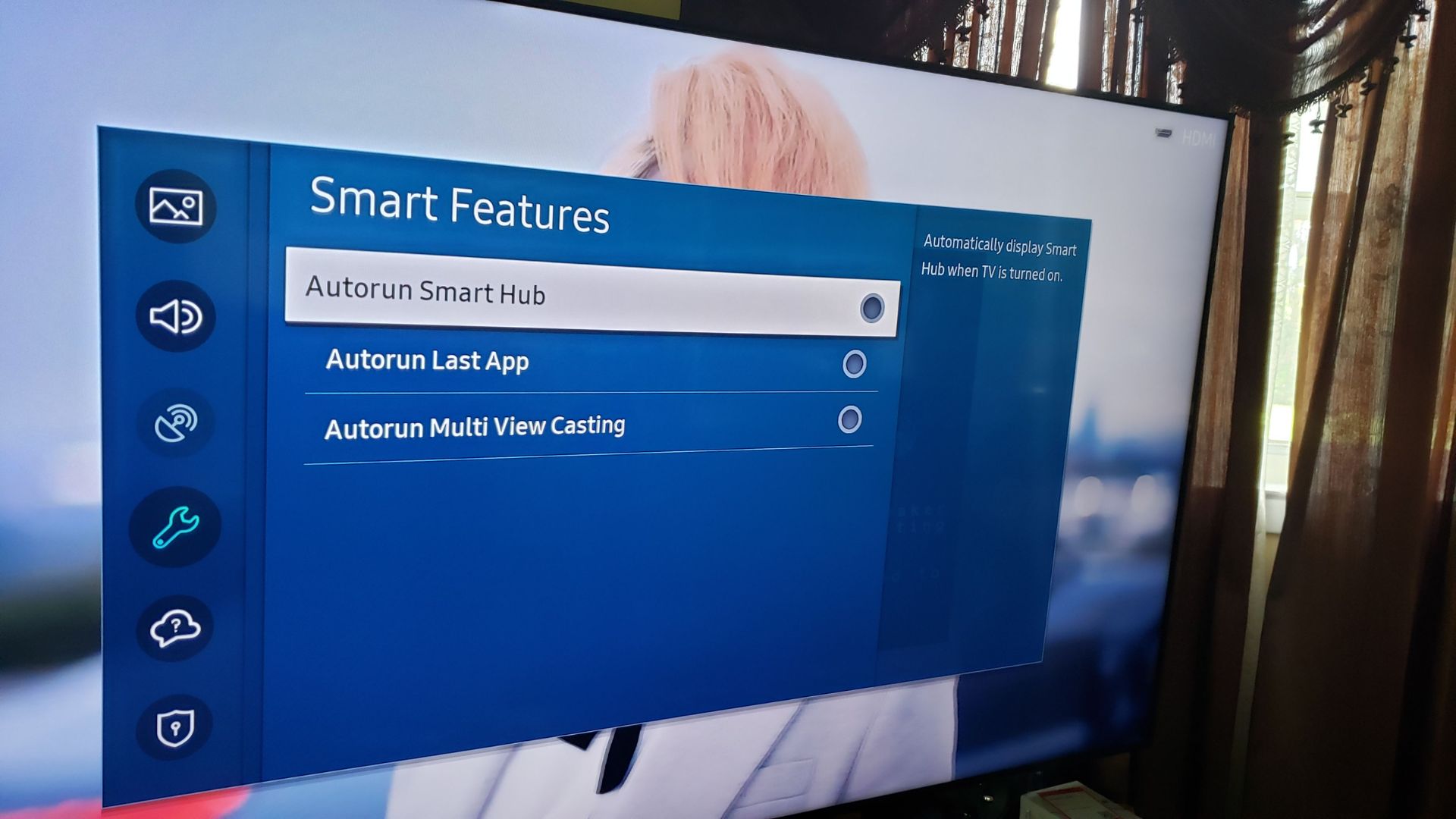
You can change the Samsung TV startup screen that appears after the boot logo, but the boot logo itself, the Samsung or manufacturer logo that shows first, cannot be changed. What you can customize is the screen that follows, such as launching Smart Hub Home, resuming your last app, or using Ambient Mode to display photos, artwork, or information instead of a blank or black screen.
What you can and can't change on your Samsung TV startup screen
When you power on your Samsung Smart TV, the initial boot logo is fixed and cannot be altered. This is a hardware-level sequence that displays the Samsung brand. After that, you have control over the post-boot screen. Depending on your TV model and year, you can set the TV to automatically show the Smart Hub Home screen, resume the last used app or source, or activate Ambient Mode. Ambient Mode, available on Samsung QLED TV models from 2018 and The Serif, offers a stylish alternative to a black screen, displaying decorative content, information, or personal photos. Setting accurate expectations here helps you avoid frustration: you are not changing the logo, but you are customizing what appears immediately after it.
How to set the first screen you see after power-on
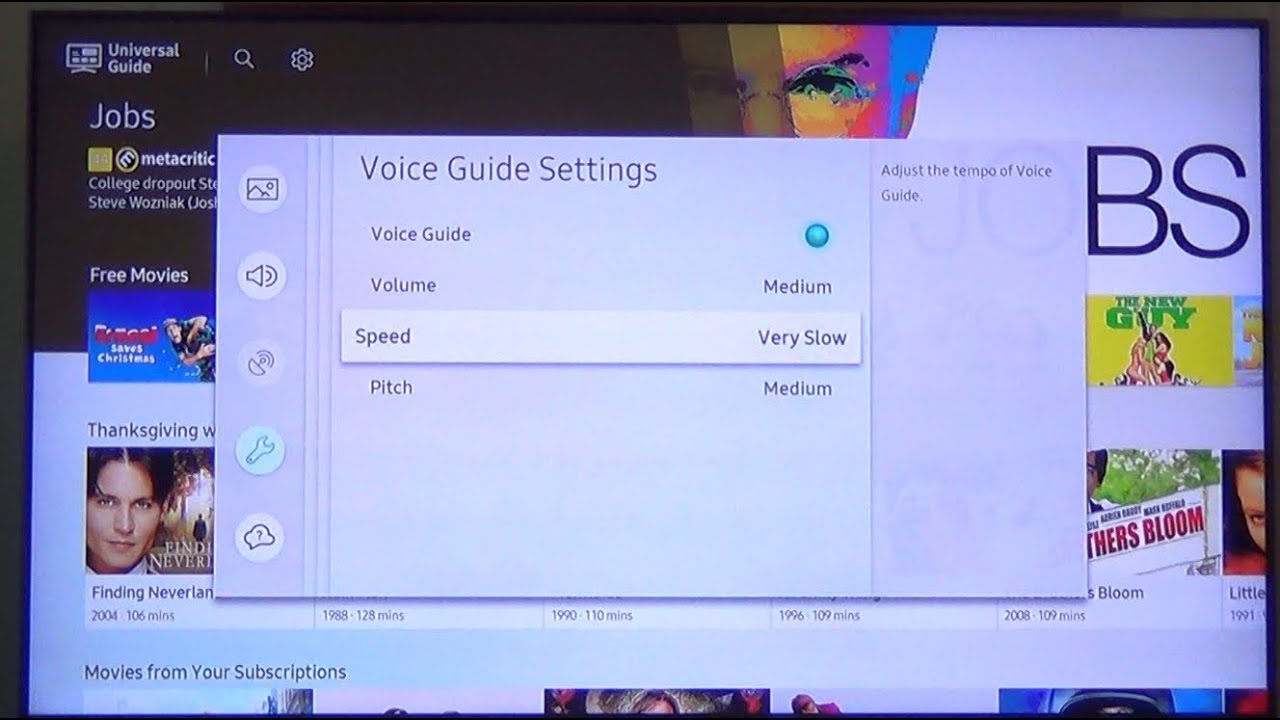
To control what launches when your TV turns on, use the "Start Screen Options" in your TV settings. This allows you to choose between starting with Smart Hub Home or automatically launching the last used app.
- Press the Home button on your remote to access the Smart Hub.
- Select All Settings (or General, depending on your model year).
- Look for Advanced Features or Start Screen Options. On 2025 models, the path is Settings > All Settings > Advanced Features > Start Screen Option.
- Choose one of the following:
- Start with Smart Hub Home: The TV will show the Smart Hub home screen after power-on.
- Autorun Last App: The TV will automatically launch the application you were using last.
- If you disable "Start with Smart Hub Home," the last used source (e.g., HDMI 1, cable box) will appear as the first screen.
Menu names and settings may vary slightly depending on your specific Samsung TV model, software version, and region. For instance, older models might have these options under General > Start Screen. Check your TV's manual if you cannot find the exact path.
How to use Ambient Mode as an alternative startup screen
Ambient Mode transforms your TV into a display for artwork, photos, or useful information when it is not in use. To activate it as your startup screen, you can set it to launch after power-on, though it is typically used as a standby screen. To enter Ambient Mode:
- Press the Ambient Mode button on your remote control. On 2024 models, press the Home button and select Ambient Mode on the left side of the home screen.
- Alternatively, navigate to the Smart Hub and select the Ambient Mode icon.
- Once activated, the TV will display decorative content, information widgets (like weather or news), or your personal photos.
This is particularly useful if you want a visually engaging screen instead of a black or blank display when the TV is idle or just powered on.
Adding your personal photos to Ambient Mode
You can upload your own photos to Ambient Mode using the SmartThings app on your smartphone. This lets you display family pictures, artwork, or any image you choose.
- Ensure your Samsung Smart TV and smartphone are on the same Wi-Fi network.
- Open the SmartThings app and sign in to your Samsung account.
- Select your TV from the list of devices.
- Navigate to the Ambient Mode settings within the app.
- Choose the "My Album" feature to upload and customize photos from your phone.
- Select the images you want to display and save the changes. They will appear in Ambient Mode on your TV.
This method gives you full control over the visual content, making your TV startup screen truly personal.
Adjusting Ambient Mode settings
From the Ambient Mode screen, you can fine-tune how it behaves. Settings such as Auto Brightness and Sleep After (timer) can be adjusted directly.
- While in Ambient Mode, press the Up or Down arrow on your remote to open the settings menu.
- Look for options like:
- Auto Brightness: Adjusts the screen brightness based on room lighting.
- Sleep After: Sets a timer for Ambient Mode to turn off after a period of inactivity.
- Make your selections and exit. These adjustments help optimize power use and visual comfort.
If you are also adjusting smart TV picture settings, you can do so separately from the main Settings menu, but note that Ambient Mode has its own brightness controls for optimal display of photos and artwork.
Troubleshooting startup screen and Ambient Mode issues
If you encounter problems, try these solutions:
- Missing menu options: If you cannot find Start Screen Options or Ambient Mode, your TV model may not support them. Check your user manual or update the firmware. For example, if you need to find the home button on Samsung smart TV remote, it is typically the large button with a house icon. If your remote lacks an Ambient Mode button, use the Smart Hub method described above.
- Wi-Fi connectivity for SmartThings: Ensure both TV and smartphone are on the same network. If the app cannot find your TV, restart both devices and check for interference. This is also relevant if you are wondering why my Samsung smart TV is so dark; poor Wi-Fi can prevent Ambient Mode settings from loading, but darkness is usually a picture setting issue.
- Firmware updates: Go to Settings > Support > Software Update to check for updates. Outdated firmware can cause missing features or bugs.
- Ambient Mode not working: Confirm your TV is a QLED model from 2018 or later, or The Serif. If not, Ambient Mode is unavailable. As a last resort, you can reset a smart TV by going to Settings > General > Reset, but this erases all customizations, so back up preferences first.
If problems persist, consult your TV's support documentation for model-specific guidance.