How Long Does A CO2 Cartridge Last In A Soda Maker?
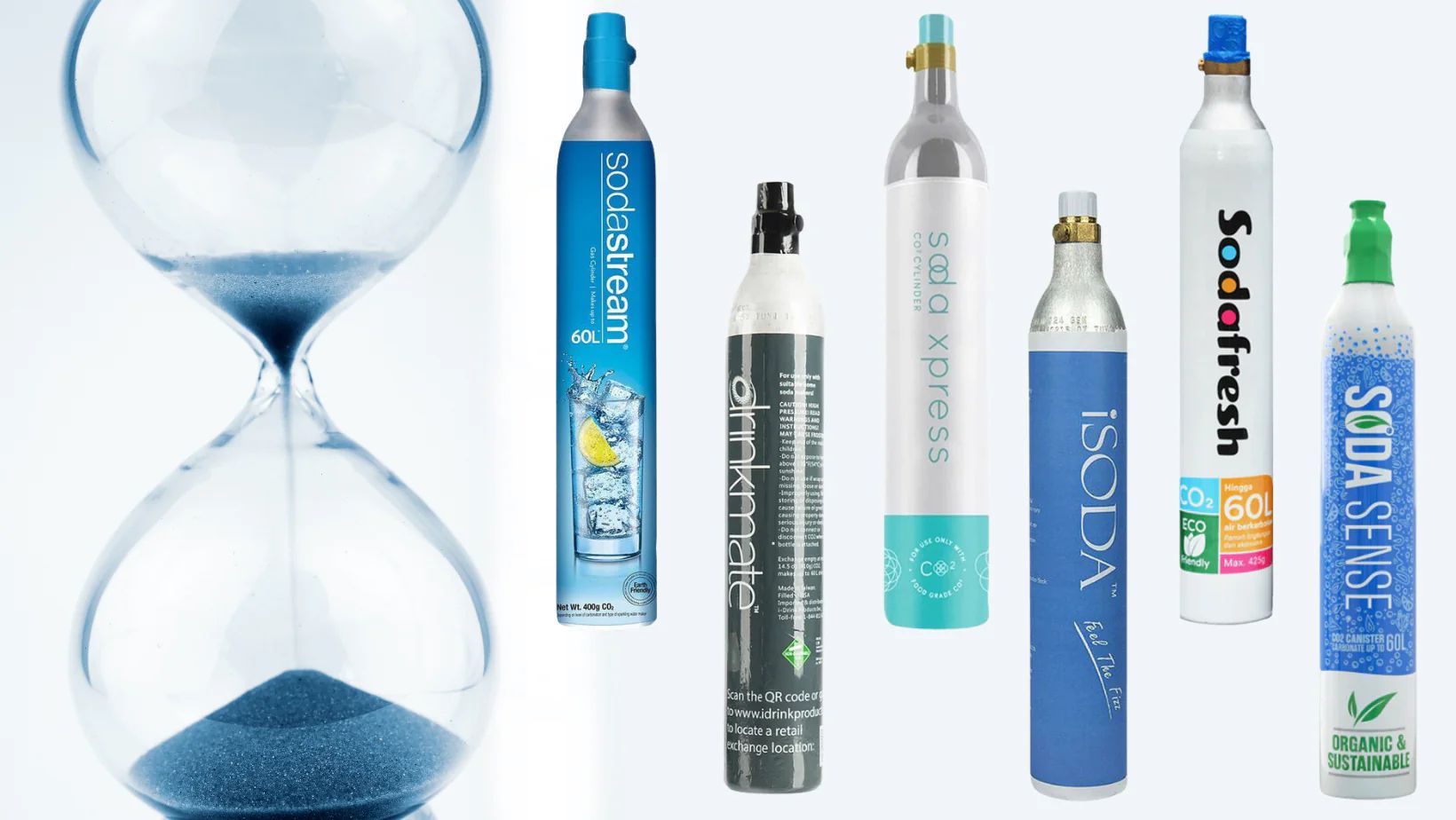
How long a CO2 cartridge lasts in a standard 60L home soda maker is typically between 4 to 8 weeks with regular use. The exact lifespan depends on how often you carbonate and the fizz level you prefer, but a full cylinder will carbonate up to 60 liters of water before needing a refill.
Understanding your soda maker's co2 cylinder
Most home soda makers use a refillable 60L CO2 cylinder, not a small cartridge. This is a metal canister that screws into the back of your machine and injects carbon dioxide gas into water to create carbonation. The term "cartridge" is often used loosely, but the standard home unit is a cylinder designed to be exchanged when empty. You never buy a new one at full price; instead, you swap your empty cylinder for a full one and only pay for the CO2 refill. This exchange program is the standard way to keep your soda maker running, and it's both cost-effective and environmentally friendly.
Key factors that affect co2 cylinder lifespan
Several variables determine how quickly you'll go through a 60L cylinder. Understanding these helps you predict when you'll need a refill and adjust your habits if you want it to last longer.
Desired fizz level
The more carbonation you want, the more gas you use. For a light fizz, press the carbonating button 2 times. For a medium fizz, press it 3-4 times. For a heavy fizz, press it 5-6 times, using firm 1-2 second pushes each time. If you consistently go for heavy fizz, you'll deplete the cylinder faster than someone who prefers a gentler bubble.
Carbonation frequency
This is straightforward: the more often you make sparkling water, the quicker the cylinder empties. If you carbonate multiple bottles daily, expect your cylinder to last closer to 4 weeks. If you only make a few bottles a week, it could stretch to 8 weeks or even longer. Track your usage for a week or two, and you'll have a solid estimate for your household.
Water temperature
Cold water absorbs CO2 more efficiently than warm water. When you use chilled water, less gas is required to achieve the same level of fizz. Warm water forces the CO2 to escape more easily, meaning you'll use more gas to get the same result. Always use the coldest water you can for carbonation, ideally straight from the fridge.
Tips to make your co2 cylinder last longer
You can stretch every cylinder to its maximum potential with a few simple habits. These won't change your drinking experience, but they'll reduce how often you need to exchange.
Use cold water every time
As mentioned, cold water is more efficient. Fill your bottle with refrigerated water before carbonating. Avoid adding ice, as this can dilute the carbonation and cause the machine to use more gas. If you have room, keep a bottle of water in the fridge specifically for your soda maker.
Store cylinders properly
Keep your spare CO2 cylinders in a cool, dry place away from direct sunlight and extreme temperatures. Heat can increase pressure inside the cylinder, and while the safety valve is designed to handle it, consistent exposure to heat could shorten the cylinder's lifespan. A pantry or kitchen cabinet away from the oven or dishwasher is ideal.
Avoid carbonating flavored water
Never add syrup, juice, or any flavoring before carbonating. This can clog the spout, reduce machine efficiency, and even damage your soda maker or void its warranty. Always carbonate plain water first, then add flavoring afterward. This not only protects your machine but also ensures you're not wasting gas on liquid that doesn't carbonate as efficiently.
Keep a backup cylinder
SodaStream recommends having at least one backup cylinder on hand, and up to three if you're a heavy user. Running out of CO2 mid-batch is frustrating, and having a spare means you never have to wait. When you open a new cylinder, immediately exchange the empty one so you're always ahead.
How to tell when your co2 cylinder is empty
There's no gauge on most home soda makers, so you'll need to rely on the signs. The good news is that the signs are clear and easy to spot.
No bubbles appear
If you press the carbonating button and no bubbles appear in the water, even after ensuring the cylinder is tightly secured, the cylinder is likely empty. This is the most definitive sign. If you're not sure, try a second time with a fresh bottle of cold water, if still nothing, it's time for an exchange.
Sputtering sound
A cylinder that's running low often produces a sputtering or spitting sound during carbonation. This is different from the normal hiss of gas. If you hear this, it means the pressure is too low to deliver a steady stream of CO2. You might still get some fizz, but it won't be consistent.
Consistently low carbonation
If your drinks are noticeably less fizzy than usual, even when you press the button the same number of times, the cylinder is nearly depleted. This is often the first sign people notice. If you're using the same number of presses and getting weaker results, the gas is running out.
How to exchange your empty co2 cylinder
Exchanging your empty cylinder is simple and doesn't require buying a new one. You only pay for the CO2 refill, not the metal canister itself.
Retail exchange
Many retailers that sell SodaStream products also offer cylinder exchange. You bring your empty cylinder to the store, and they hand you a full one. You pay only for the gas. This is the most common method and usually takes just a few minutes. Check with the store before you go to confirm they participate in the exchange program.
Online exchange
If you prefer to handle it from home, SodaStream offers an online exchange program. You order a refill, ship back your empty cylinder using the prepaid label, and receive a full one in return. This is convenient if you don't live near a participating retailer or simply prefer home delivery. The cost is the same as a retail exchange, you're only paying for the CO2.
Always keep your empty cylinder until you have a replacement in hand. The CO2 gas itself doesn't expire, but the cylinder has a re-inspection date for safety purposes. This is a standard safety measure to ensure the metal remains in good condition.
When you get a fresh cylinder, screw it in securely but don't overtighten. A proper seal is essential for efficient gas use. If you're ever unsure whether the cylinder is seated correctly, check the connection and try again. A loose cylinder can leak gas, which wastes CO2 and shortens your cylinder's lifespan.
By understanding these factors and following these tips, you'll know exactly how long your CO2 cylinder will last and when it's time to exchange. The key is to match your usage to your expectations. If you're a daily sparkling water drinker, plan for a monthly exchange. If you're an occasional user, you might only need to swap every couple of months. Either way, you'll never be caught without fizz.
\nRelated reading: How Long Does The Cuisinart Ice Cream Maker Take, How Does Ninja Ice Cream Maker Work, and How To Make Pumpkin Ice Cream In A Cuisinart Ice Cream Maker.