Download Zoom on your device
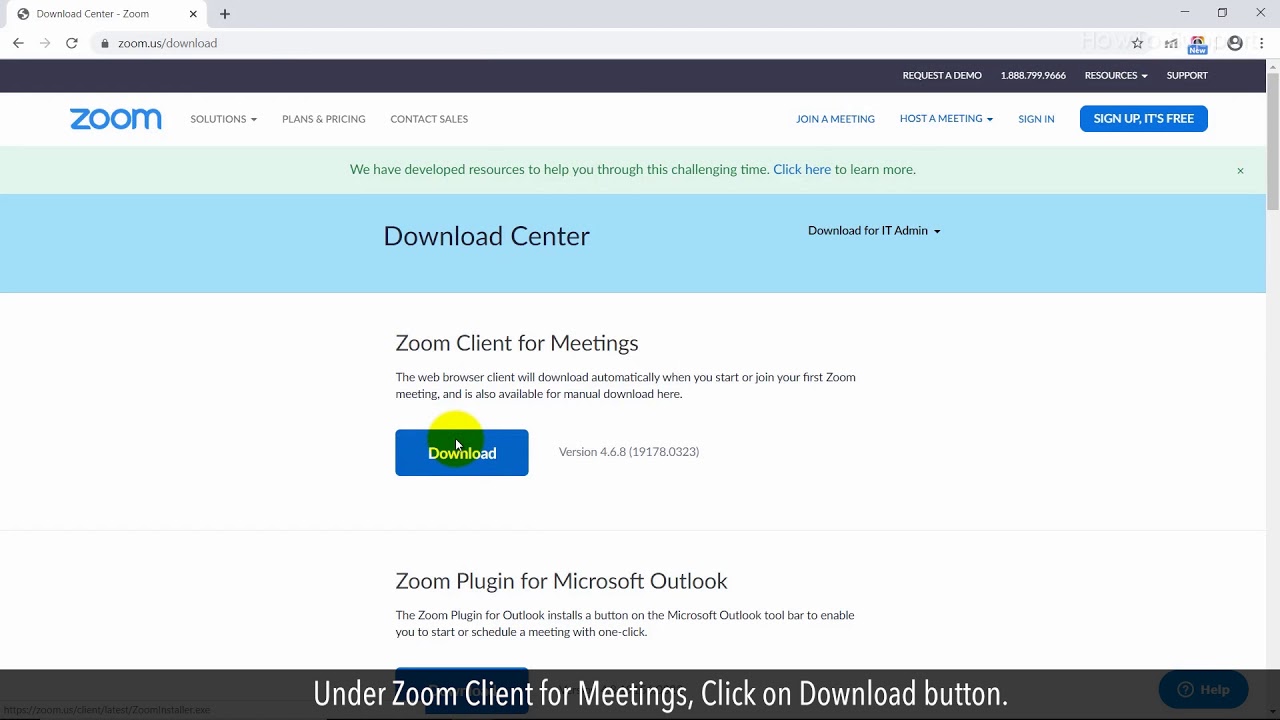
To download zoom safely, visit the official Zoom website from your browser and avoid third-party download sites. On the download center page, you will see a prominent button labeled "Download" under "Zoom Workplace" for your platform. Clicking it will begin the process to download Zoom on Windows, though you may need to choose between 32-bit, 64-bit, or ARM64 versions first. If you are on a Mac, make sure you select the correct chip version (Apple Silicon or Intel) from the options first. Once the installer file finishes downloading, locate it in your Downloads folder and double-click it to launch the setup wizard. Follow the on-screen prompts and accept the license agreement. You can also choose whether you want the Zoom app to auto-start when your computer boots. After installation completes, the application will open and prompt you to sign in or create a free account. If you are using a Chromebook, note that you cannot install zoom on laptop running Chrome OS the same way, which is why the article on how to install zoom on laptop is essential for understanding the correct process on that device. Instead, you will need to use the Zoom app available from the Chrome Web Store or the Zoom web client. This may provide basic session joining but could lack some features of the desktop client. Zoom is a video-first unified communications platform that lets you join a session with a single click from any device without ever needing a PIN or host admission. Regardless of your platform, remember that the free tier limits your account. The free tier may have limitations on recording retention and session history, so plan accordingly if you need long-term access.
- download zoom on Windows — How To Download Zoom On Windows
Start or find a meeting
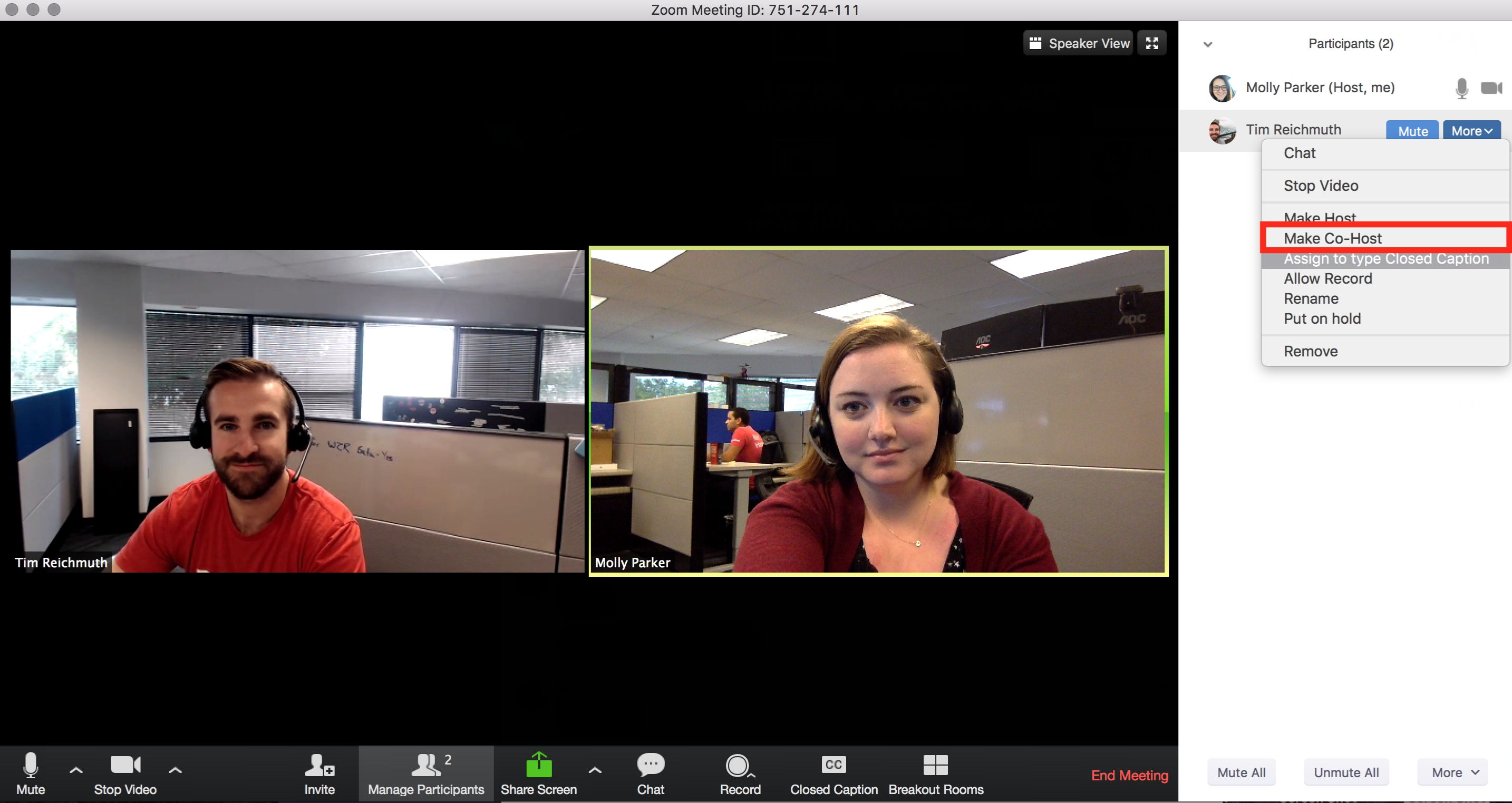
To start a new session, open the Zoom Workplace desktop client, click the "Home" tab, and then click the "New Meeting" icon. This is the quickest way to host a zoom meeting from your computer, giving you full control over screen sharing, recording, and participant management. If you prefer to schedule ahead, use the scheduling option to set a date, time, and recurring options so attendees can join later. For past sessions, navigate to the "Meetings" tab to review details. You can check zoom meeting history there to find old join links, participant lists, or the start time of any session you attended within the last 30 days. Keep in mind that free accounts may have limited retention for these records. If you need to reference something older, you’ll have to look in your email calendar invites or personal notes. The desktop app stores this data locally, making it easier to browse than the web version.
Work with recordings
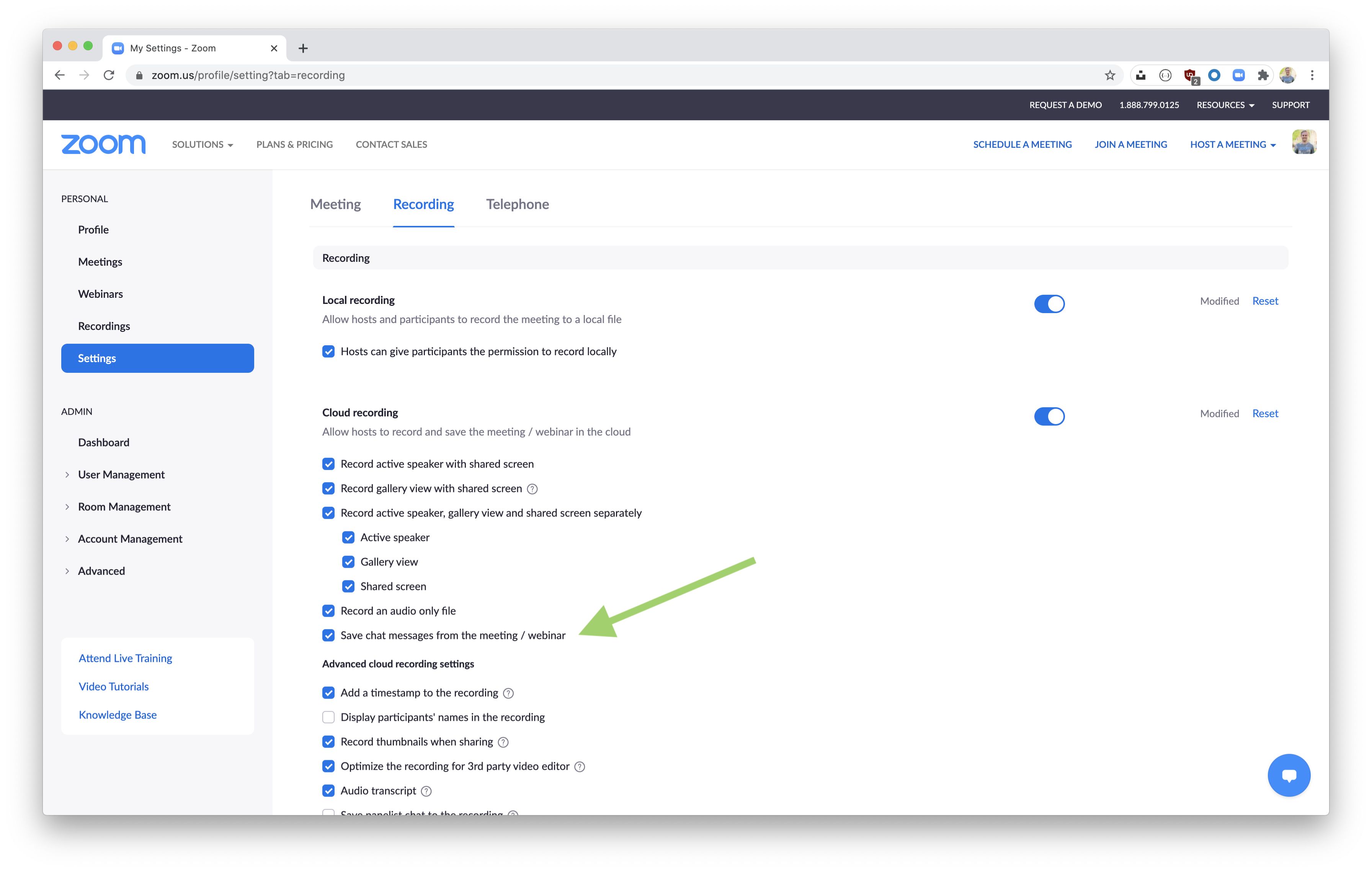
If someone shares a recording with you, you can save it instead of streaming it each time. The simplest approach is to use the link they sent. Choose the option to download zoom recording from link directly from your browser. Before you do, consider the zoom recording file size by duration and quality. A one-hour session in high definition can easily exceed one gigabyte. A lower-resolution version of the same session might be half that. This matters because your free Zoom account only keeps recordings for thirty days. After that point the file is gone unless you have saved it locally. If you frequently need to keep recordings long-term, it is worth reviewing the zoom free vs paid account features comparison. Paid plans offer unlimited cloud storage and extended retention periods. When you do download, the file arrives as an MP4 video plus a separate audio-only M4A file and a text transcript. Storing these locally gives you permanent access, but it also means you are responsible for backing them up yourself. For quick reference, the desktop client lets you manage local recordings more easily than the web portal. Both methods produce the same final files. Zoom lets you download a cloud recording as separate MP4 video, M4A audio, and transcript files.