To see who unfriended me on Facebook, the only reliable method is to check a specific profile for the "Add Friend" button or search your own Friends List for a missing name. Facebook never sends a notification when someone removes you, so you have to do the checking yourself, but it takes less than a minute once you know what to look for.
How to know who unfriended me on Facebook: Immediate, step-by-step manual checks
The fastest way to confirm a single suspicion is to go directly to the person’s profile. If you were friends before, and now you see the blue “Add Friend” button where “Friends” used to be, that person has unfriended you. This is the most definitive sign because Facebook only shows that button to non-friends.
If you don’t have a specific person in mind, you can scan your entire Friends List. Here’s how to do it:
- Go to your Facebook profile and click “Friends” near the top of your page.
- In the search bar on that Friends List page, type the name of the person you suspect.
- If their name does not appear in the results, they are no longer your friend, either because they unfriended you or blocked you.
This method only works when you already have a name in mind. It won’t give you a full list of everyone who has removed you, but it will confirm or deny a specific hunch. For a broader sweep, you’d need to compare your current list against an older record, which we’ll cover below.
Why are all their posts public now?
When you visit someone’s profile and suddenly see only posts with a small globe icon (public posts) instead of the usual mix, you’ve likely been unfriended. Private posts, those with a two-person icon, are only visible to that person’s friends. If you can no longer see them, your friendship status has changed.
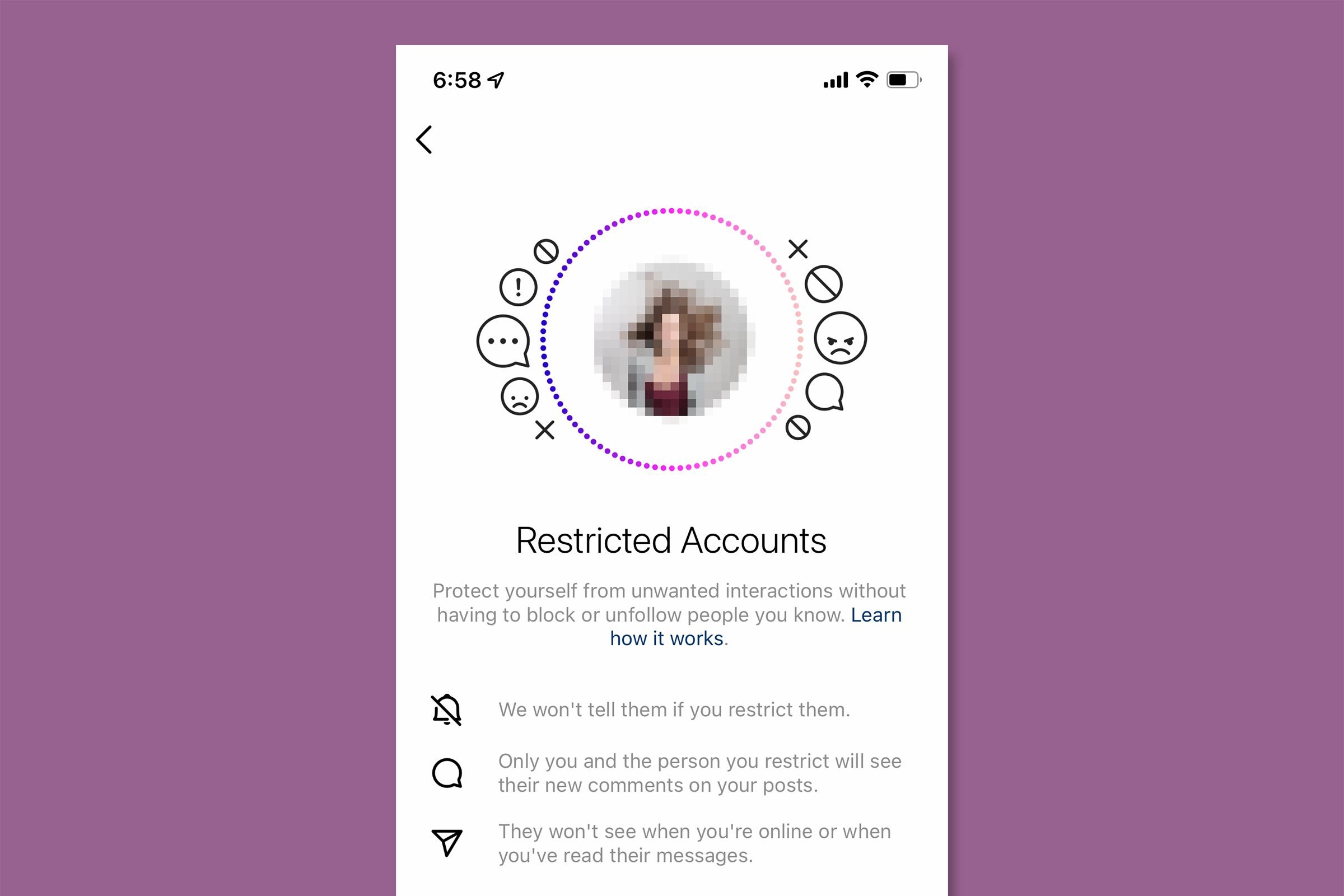
But seeing only public posts doesn’t always mean unfriending. The person may have added you to their Restricted list. In that case, you remain friends, but they’ve chosen to show you only their public content. The difference matters: with a Restricted list, you’re still on their Friends List; with unfriending, you’re not. To tell which one happened, check your Friends List for their name. If they’re still there, you’re restricted. If they’re gone, you’ve been unfriended.
This distinction is why the manual check is so important. A profile that looks “more public” could mean either situation, and only a Friends List search gives you the answer.
How to find past unfriends with your Facebook data
If you want to identify everyone who has unfriended you over time, not just one person, you need to download your Facebook data. This is the only safe, retroactive method that works. Third-party apps cannot see your history before you install them, but your own data file can.
Here’s how to get your archive:
- Go to Facebook Settings, then “Your Facebook Information.”
- Click “Download Your Information.”
- Select “Friends” as the data type, and choose a date range that covers the period you want to check.
- Request the download. Facebook will prepare a file, often within a few hours or days.
Once you have the file, open the “Friends” folder. It contains a list of everyone who was your friend at the time of that download. Compare that list against your current Friends List. Any name that appears in the old file but not in your current list has unfriended you (or blocked you) during that time window. This method is tedious if you have hundreds of friends, but it is accurate and completely private, no third party ever sees your data.
Are third-party apps that track unfriends safe?
Apps like “Who Deleted Me” or “Who Unfriended Me” do exist and they work by periodically saving a copy of your Friends List, then alerting you when a name disappears. They are not retroactive, so they only track changes from the moment you install them. But the bigger problem is safety: these apps require access to your Facebook profile data, and many have been known to misuse that access. Using them violates Facebook’s terms of service, which means your account could be flagged or restricted. More importantly, you are handing your personal information, and your friends’ information, to a third party with no guarantee of how it will be used.
Facebook does not endorse or support these tools, and the company actively discourages their use. The manual method above takes a few extra minutes but carries zero risk. If you want to know who unfriended you on Facebook, your own data file is the only trustworthy source.
Unfollowing, unfriending, and blocking: the key differences
Before you conclude that someone has unfriended you, make sure you’re not confusing it with two other actions Facebook offers.
Unfollowing means you stop seeing a person’s posts in your News Feed, but you remain friends. You can still visit their profile, send messages, and see their non-public posts if you go directly to their page. Unfollowing is a quiet way to mute someone without ending the friendship. If you check your Friends List and the person is still there, but their posts rarely appear in your feed, they’ve likely unfollowed you, or you’ve unfollowed them.
Unfriending removes the mutual connection. You both disappear from each other’s Friends Lists. You can still find each other via search, view public profiles, and send messages on Messenger, but you lose access to each other’s private posts. Re-friending is possible, but the other person has to accept your request.
Blocking is the most severe. A blocked person cannot see your profile, search for you, send messages, or tag you. You are automatically removed from each other’s Friends Lists, and the block cannot be undone by simply sending a friend request. If you try to visit a profile and get an error saying the page is unavailable, or if a search for the person returns no results at all, you’ve likely been blocked rather than unfriended.
To diagnose which action happened, run a search for the person’s name. If they appear and you can visit their profile, you’ve been unfriended or unfollowed. If you can visit the profile but see an “Add Friend” button, you’ve been unfriended. If the profile is completely inaccessible, you’ve been blocked. This quick test takes ten seconds and gives you a definitive answer without any guesswork.
\nRelated reading: How To Delete Facebook Search History From A Past Session and How Can I Stop Others To Download My Photos On Facebook?.