Before you start: streaming downloads vs. real MP3s
When you set out to download music MP3 files, you need to know what you are actually getting. When you use an on-demand music platform's offline mode, the file saved to your phone is encrypted and tied to that specific app. If you ever cancel your subscription or leave the app, those songs vanish. For example, you cannot simply figure out the storage location of Spotify downloads and then move those files to a different player; the app locks them away. This is why you might later see an MP3 player saying format not supported when you try to play a file you thought you owned. The service's "download" button does not give you a real MP3 you can copy to a USB drive or send to a friend.
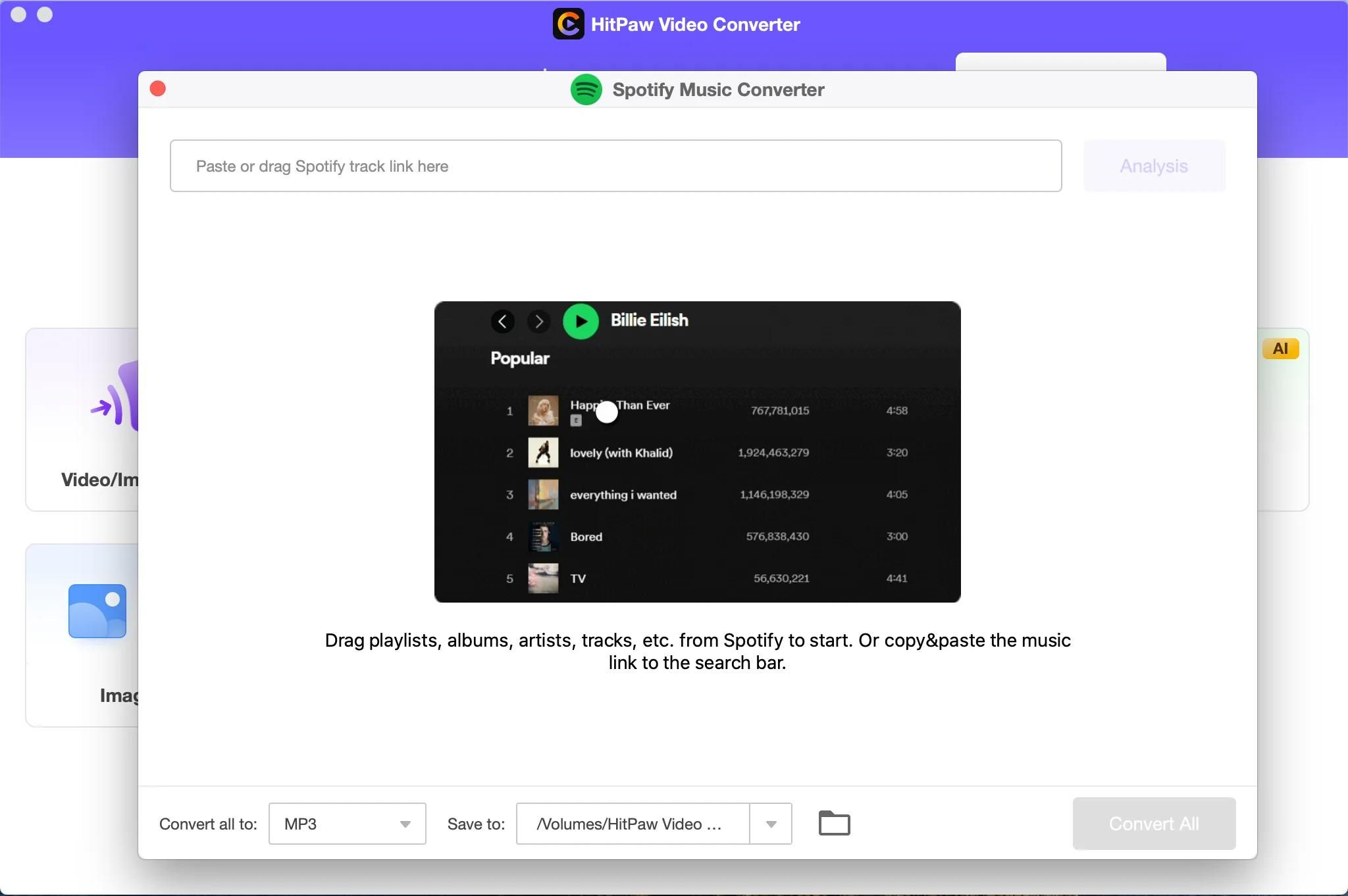
To actually download music as MP3 from Spotify, you need a dedicated tool that strips the encryption, which is why you would read the article on how to do exactly that. The same logic applies to Apple Music: you cannot just download an Apple music song to files on your phone and get a playable MP3, which is why the guide on that topic is essential for understanding the process. Similarly, if you try to download a Spotify song to files using the app’s built-in option, you will only get a placeholder or an encrypted blob, making the corresponding article invaluable for learning the correct method. For a real, portable MP3 file, you must either buy the track from a store like 7digital, iTunes, or Amazon Music, or use a third-party downloader that captures the audio stream directly.
Understanding the technical gulf between cached data and a standard audio file is the first step. The moment you hit the save icon inside a subscription catalog, you are not initiating a purchase. You are simply caching a licensed, containerized stream that checks for an active billing cycle every time you hit play. This is the fundamental reason your car stereo or portable Walkman cannot read those files, and why the industry draws such a hard line between rental access and true ownership.
Navigating the landscape of third-party recorders requires a clear grasp of how they actually retrieve the signal. Most modern solutions do not “hack” the provider’s servers. Instead, they simulate a high-speed playback session, capturing the raw PCM audio data as it passes through your computer’s sound card or a virtual audio cable. Because this method relies on the real-time decoding of a track, the speed of the rip is often tied to your playback settings. If you have a premium account that allows high-bitrate listening, the converter can usually capture that superior fidelity and encode it directly into a universal container.
However, not every extraction tool operates on the same principle. Some older utilities attempt to intercept the temporary cache and reassemble the fragments into a playable song. This approach is increasingly fragile, as the leading music provider frequently updates its obfuscation techniques. A patch that seems stable on a Tuesday can break entirely by Friday, leaving you with a folder of unplayable OGG chunks. The most reliable rippers are those that treat the output stage like a digital tape deck, recording the master output without ever touching the encrypted cache. This method bypasses the need to reverse-engineer the app’s internal security, relying instead on the universal audio driver.
Once you have successfully extracted the audio, you are often left with a generic filename and a blank metadata slate. A raw output file might be called “track_01.mp3,” which is useless for library navigation. Proper archival hygiene demands that you immediately embed the correct ID3 tags. Without an artist name, album title, and high-resolution cover art, your local library becomes a digital wasteland. Dedicated tag editors can automatically fetch this data from online databases, scanning the acoustic fingerprint of the file to match it with the correct release. This step transforms a chaotic dump of bits into a curated collection that any media server can index beautifully.
The distinction between a proprietary cache and a liberated file becomes painfully obvious when you change hardware ecosystems. A folder full of files downloaded directly from the Swedish giant’s desktop client cannot simply be dragged onto a microSD card destined for a fitness watch or a kid’s music player. The device will choke on the DRM wrapper. This is the exact moment users discover the hard limit of app-based saving. The only way to achieve true cross-platform portability is to ensure the final output is a clean, DRM-free format that predates modern licensing restrictions, a format that every operating system and firmware understands natively.
There is a specific workflow that guarantees your music survives the collapse of any single tech conglomerate. It begins with the recording bridge, moves through a metadata scrubber, and ends with a verified checksum on a local backup drive. This process is the only legally murky yet technically effective insurance policy against content disappearing due to regional licensing changes. Because the catalog on any given digital service is a revolving door, a track you saved to your favorites today might be grayed out tomorrow. A physical file sitting on your network-attached storage, however, remains immune to the whims of licensing negotiations between labels and the platform.
If you are troubleshooting a failed transfer, the root cause is almost always a mismatch between the container and the target hardware. Modern phones record voice memos in compressed formats that a 2007-era iPod simply cannot decode. When you see an MP3 player saying format not supported, the error usually points to a modern codec hiding inside an old file extension. The fix requires a deliberate transcode into the baseline MP3 profile, specifically a constant bitrate of 320kbps or lower, which even the most primitive firmware can parse. Skipping this compatibility check is the most common mistake people make after they download a Spotify song to files and assume the job is finished.
You might wonder why anyone would jump through these hoops when lossless streaming quality is so high. The answer lies in the physics of playback, not just convenience. A local file played through a high-impedance headphone amplifier avoids the compression artifacts and network jitter that occasionally plague even the best cellular connections. When you download music as MP3 from Spotify using a bit-perfect capture method, you are essentially freezing a pristine moment of the stream before it hits a Bluetooth bottleneck. This is the only way to guarantee that a quiet piano passage does not warble due to a sudden dip in Wi-Fi throughput.
The mobile workflow is slightly more constrained but equally vital. On a locked-down operating system, the official app refuses to expose its internal directory to the user. This is why you cannot simply download an Apple music song to files and expect the system file picker to recognize it as audio. The data
- download an Apple music song to files — How To Download An Apple Music Song To Files
- download music as MP3 from Spotify — How To Download Music As MP3 From Spotify
- download a Spotify song to files — How To Download A Spotify Song To Files
Downloading music you already own or bought
If you bought a song from iTunes, Amazon Music, or Google Play, you already own it, but that doesn’t mean you can instantly drop it onto a USB drive. Digital stores often wrap purchased tracks in their own playback restrictions, so the file sitting in your account isn’t a plain MP3 you can move freely. To get a real audio file you can keep on a hard drive or play in any music app, you need to use the store’s download manager. For example, you can download purchased music from iTunes to my computer by opening the Apple Music app on a Mac (or iTunes on a Windows PC), accessing your account's purchased section, and selecting “Purchased” to see every track you’ve bought. Each song will download as a standard audio format you can convert later if needed. If you’re on a PC, the process to download music on Windows 11 works through the iTunes app, letting you save files directly to a folder you choose. Some people try to download music to laptop for free by ripping CDs they already own, which also gives you real MP3s you can keep forever. The key point: only a purchase or a CD rip gives you a permanent, portable file, subscription platform downloads stay locked inside their own software.
Most listeners don’t realize that the music catalog they browse daily is really a rental library. The dominant audio service and its rivals give you the feeling of a personal collection, but every track you save for offline listening is a cached, encrypted file that stops working when your subscription lapses. You can’t drag those songs to a desktop folder, burn them to a CD, or load them onto a basic MP3 player. The industry’s biggest on-demand platform uses an encoding inside a proprietary wrapper, which means no standard media player can open it. Other music providers use similarly locked formats, so the offline button on your phone is not a purchase tool, it’s a temporary access key. This is the single most important fact on this page: every offline file from a subscription music service is a rental token that expires when your billing cycle ends, and no setting inside the app can convert it into a permanent MP3.
Desktop recording software turns your computer’s own sound output into a fresh audio file, and it’s the most reliable manual method for capturing anything that plays through your speakers. Windows Voice Recorder is too basic for this job, so you’ll want a dedicated tool like Audacity, which is free and open source. The setup takes a few minutes but only has to be done once. You install Audacity, then switch the audio input from “Microphone” to “Stereo Mix” or “What U Hear” in the recording settings. If Stereo Mix isn’t visible, you may need to enable it in your sound card’s control panel or install a virtual audio cable. Once the input is set, you hit record, play the track from your preferred listening app, and stop when it’s done. The result is a real-time capture, so a three-minute song takes three minutes to record. After recording, you can trim silence from the start and end, then export the file as an MP3 at 320kbps for the best balance of size and quality. The file is now a standard, unencrypted MP3 that lives on your hard drive and works in any music player.
Recording a live audio stream captures every system sound, which means notification pings, email alerts, and low-battery warnings will ruin your recording if you don’t silence them first. Before you start, turn on Do Not Disturb mode and close every app that isn’t essential to the process. Set the playback volume to around 80 percent inside the music app and adjust your recording level so the waveform peaks just below zero without clipping into the red. If the waveform looks like a solid brick, your recording will sound distorted and harsh. A quieter signal is always fixable later with normalization, but a clipped recording is permanently damaged. You can also improve the final file by applying a gentle equalizer curve in Audacity, boosting the low end slightly and rolling off any harsh treble above 16kHz. The goal is a clean, warm-sounding MP3 that doesn’t betray its recorded origins.
Browser extensions and web-based downloaders promise one-click convenience, and some of them actually deliver a working audio file. These tools work by analyzing the network requests a music site makes when it loads a track, then grabbing the audio stream directly from the source URL. The advantage is speed, you get a file in seconds without waiting for real-time playback. The disadvantage is that the audio quality is often capped at 128kbps or 160kbps, because that’s the bitrate the web player uses. You won’t get a 320kbps MP3 from a tool that intercepts a 128kbps stream. Some extensions also bundle adware or change your default search engine, so read the permissions carefully before installing anything. The safest approach is to use a standalone desktop program that downloads from a supported URL, keeping the process contained in one app you can uninstall cleanly. These tools sit in a legal gray area, and they frequently break when the music platform updates its delivery system.
YouTube is the largest free audio library on the planet, and converting a video to an MP3 is a straightforward technical process. You find the official upload or a high-quality fan upload of the song, copy the URL, and paste it into a conversion tool. The converter extracts the audio track from the video container, which is usually an AAC or Opus stream inside an MP4 or WebM file, and repackages it as an MP3. The output quality depends entirely on the source. A video uploaded at 1080p typically carries a 192kbps AAC audio stream, which is decent but not lossless. A video uploaded at 480p might have only a 96kbps stream, and converting that to a 320kbps MP3 just pads the file with empty data. Always check the video’s resolution and listen to a preview before committing to a download. The resulting MP3 is yours to keep, but the process exists in a contested legal zone that varies by country.
Mobile apps that claim to save songs as MP3s are almost always limited by the sandboxed design of iOS and Android. On an iPhone, every app lives in its own container and can’t see files from other apps unless you explicitly share them. A music app’s offline cache is stored in a protected directory that no other app can read, so a downloader app can
Saving streaming music for offline listening
Music platforms offer a convenient way to save tracks for times when you don't have a signal, but it's important to understand what you're actually getting. When you use the official app's built-in feature, you are not downloading a standard MP3 file that you can copy to a USB drive or transfer to an old iPod. Instead, the service stores an encrypted version of the song that only its own player can read. If you want to download music from Spotify to my computer to keep as a permanent file, you need to look beyond the official app. For a free account, the main limitation is that you cannot use Spotify offline for music, as the download button for songs is locked behind a Premium subscription. Many people search for a way to listen to Spotify offline without premium, but the official app simply does not offer this to free users. If you are determined to download music from Spotify without premium, you will have to use a third-party tool that records the audio stream, though these often violate the terms of service. Once you have a paid subscription and have saved your songs, you might eventually need to turn Spotify online again to refresh your cached tracks, since the offline files expire after a certain period. Remember that for a true, portable MP3 you can keep forever, buying the track from a store like iTunes or Amazon Music is the most reliable path.
Moving music onto MP3 players and USB drives
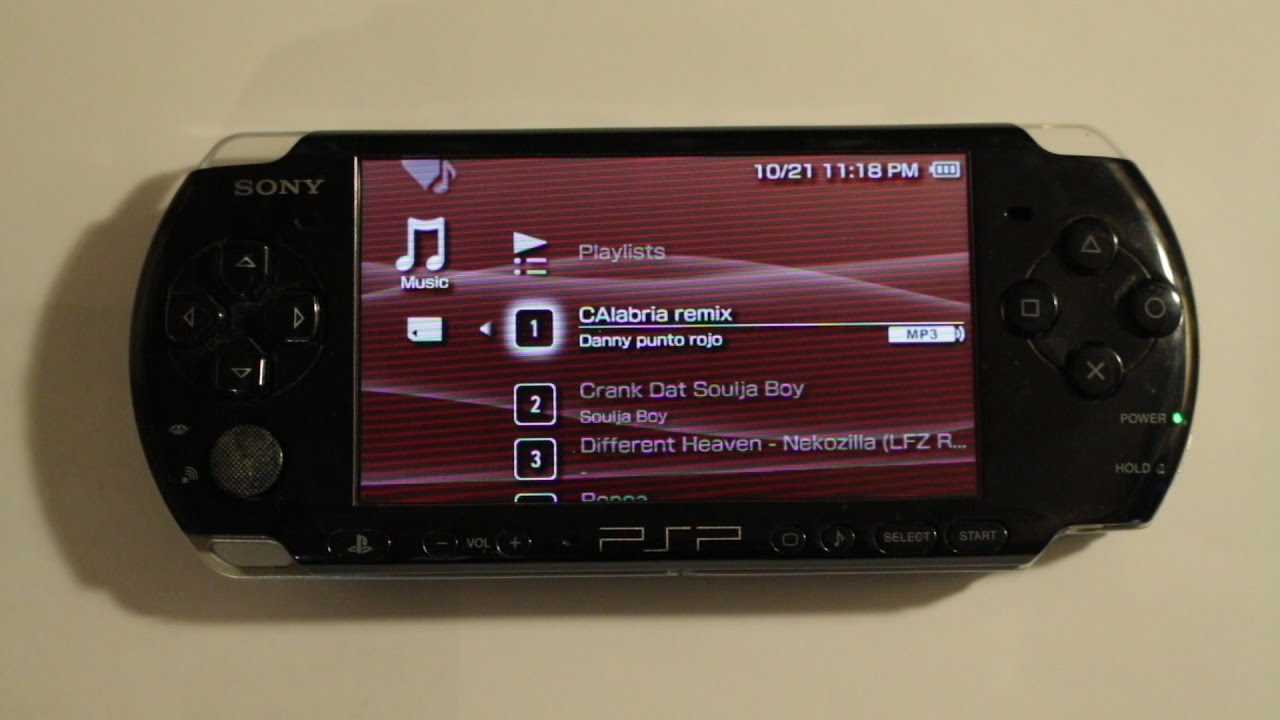
Once you own a genuine MP3 file, moving it to a portable player or USB drive is straightforward. Most devices, from modern MP3 players to older gadgets like the PSP, are recognized by your computer as removable storage. Simply plug in the device via USB, open the folder where your songs are saved, and drag the files into the music folder on the drive. If you need to download music on a psp, the process is the same, though you may need to place the files in a specific "MUSIC" folder for the console to recognize them. For a smartphone, the process can vary by model; for example, you can download music on HTC one m8 by connecting it to your PC and transferring files to the internal storage or SD card. A common mistake is trying to download music from Spotify to thumb drive directly, but the app's downloads are encrypted and won't play outside the software. Instead, you must purchase tracks from a store or use a dedicated downloader. For beginners, several guides cover the same basic steps but are tailored to different hardware or software environments. If you prefer to organize your library on your desktop, you can download music in Windows media player to sync tracks seamlessly. For portable listening, you can download music on SanDisk MP3 player by following the device’s specific folder layout. If you want video content on the go, you can download videos to your MP3 player after converting them to a compatible format. And for a general overview, you can download music to MP3 player using a beginner’s guide that walks through every step. These resources help you navigate the specific menus or folder structures for your exact device or media player, so choose the one that matches the gear you are holding.
Using third-party music downloaders and converters
Instead of relying on a digital music platform’s built-in download button, you can break free of its walled garden by using a dedicated tool that grabs the audio stream and saves it as a playable file. These programs act as a middleman: they listen to the music as it plays, then write it to your hard drive in a standard format like MP3. Because on-demand services encrypt their offline files, the only way to get a portable copy is to capture the stream while it’s playing. A good music downloader you'll need right now will support multiple sources, letting you pull tracks from YouTube, SoundCloud, and even less common platforms. For example, if you want to download from Mixcloud, the same tool can handle that request by recording the stream directly. Once you have a file in a different format, say, an AAC file from a video, you might need to convert it. To keep the resulting MP3 sounding clean, you’ll want a converter that can convert AAC to MP3 without losing quality, which means it should re-encode the audio at a high bitrate rather than simply changing the file extension. These tools put you back in control, turning locked streams into files you can store on a USB drive, load onto an old iPod, or play in any car stereo.
When you strip away the interface of a subscription music service, you are left with a raw audio signal that can be intercepted and preserved. Unlike the temporary cache files that vanish when your subscription lapses, a captured MP3 is yours forever, free from digital rights management. This method works because every sound you hear through your speakers must, at some point, exist as an unprotected audio wave. The capture software simply writes that wave to a permanent file before it reaches your ears. The process typically infringes copyright and violates platform terms of service for commercial streaming content; the old practice of recording songs from the radio onto a cassette tape is not a valid legal precedent for downloading from on-demand digital services. The key difference is that modern tools preserve the original digital clarity, giving you a perfect copy rather than a degraded analog recording. This approach transforms any audio playing on your computer into a permanent addition to your personal library, regardless of which app or website generated the sound.
The real magic happens when you pair a stream recorder with a high-fidelity conversion engine. Many tracks on video platforms and lesser-known audio sites are stored in the AAC format, which offers excellent compression but limited compatibility with older hardware. A sophisticated converter doesn't just swap the container; it performs a precise digital-to-digital transfer that maintains the full frequency range of the original recording. By choosing a variable bitrate or a constant 320kbps setting, you ensure that the subtle details like the shimmer of a cymbal or the resonance of an acoustic guitar are preserved in the final MP3 file. This is particularly crucial for genres like classical music or jazz, where dynamic range is essential to the listening experience. The best software handles this conversion in a single step, capturing the stream and outputting a perfectly formatted MP3 without creating intermediate files that clutter your hard drive. The result is a file that sounds identical to the source, ready to be dropped into any media player or editing software without compatibility headaches.
The landscape of online audio is vast and fragmented, with different platforms requiring slightly different approaches to extraction. A versatile downloader adapts to each source automatically, recognizing whether it is dealing with a video site, a web radio station, or a niche audio sharing community. For sites that use dynamic URLs and obfuscated scripts to protect their content, the tool must act like a browser extension, sniffing out the direct audio link hidden in the page's code. This capability unlocks music from corners of the internet that don't offer any official download option, from obscure DJ sets to rare live recordings. The software essentially democratizes access, ensuring that a track you love on a smaller platform doesn't disappear if the site shuts down or the creator removes it. By maintaining a single, unified tool for all these sources, you avoid the clutter and confusion of juggling a dozen different browser extensions and standalone applications. Your entire collection operation becomes a simple, repeatable process that works the same way whether you are grabbing a single song or an entire playlist.
Building a durable offline library requires more than just grabbing files; it demands organization and metadata integrity. A premium downloader will automatically tag your MP3s with the correct artist name, track title, album art, and release year, pulling this information from community databases. This transforms a chaotic folder of unnamed audio files into a neatly cataloged collection that looks professional on any device. The software can also apply consistent naming conventions, ensuring that files sort correctly across different operating systems and media players. For users with large collections, this automated tagging is a lifesaver, eliminating hours of manual data entry. The tool can even watch a designated folder and process new captures automatically, applying your preferred settings without any intervention. This level of automation means you can build a library of thousands of songs that is as searchable and well-organized as any commercial service, but without the monthly fee or the risk of losing access.
Security and performance are critical when choosing a tool that interacts so closely with your system's audio drivers. The best options operate with a lightweight footprint, using minimal CPU resources so that your computer remains responsive while a capture is in progress. They should also be transparent about their operations, never bundling adware or making unauthorized network connections. A trustworthy application will let you select the exact audio output device to monitor, ensuring that system sounds and notifications don't accidentally bleed into your music recordings. This isolation guarantees a clean capture every time, free from email pings or volume adjustment beeps. Furthermore, the software should support scheduled recordings, allowing you to set it to capture a specific internet radio show even when you are away from your keyboard. This feature is invaluable for archiving live broadcasts that only air once, turning your computer into a hands-free digital video recorder for audio. The peace of mind that comes from using a secure, efficient tool lets you focus on discovering new music rather than troubleshooting technical glitches.
Ultimately, the shift from renting access to owning files is a philosophical one that puts the listener back at the center of their musical journey. When you own the MP3, you are no longer subject to a company's licensing disputes, regional restrictions, or sudden price hikes. Your playlists cannot be altered by a record label pulling its catalog, and your favorite tracks cannot be replaced by remastered versions you dislike. This permanence is especially important for music that holds personal significance, such as a wedding song or a track tied to a specific memory. By converting AAC to MP3 without losing quality, you ensure that these moments are preserved in a format that will be playable for decades to come
Managing local files in Spotify
The process is straightforward: open your settings, scroll to "Library," toggle on "Show Local Files," and add local files to Spotify by pointing the application at the folder where your music lives. Once imported, those songs appear in a dedicated playlist and can be played alongside your streamed library. The catch comes when you try to move those files to your phone. You might find yourself wondering why won't my Spotify local files sync to my phone, and the answer is often no, because both devices must be on the same Wi-Fi network for the manual sync to work, and even then the transfer can fail if file formats are unsupported or the playlist isn't set to download. To fix sync problems, make sure both devices are running the same version of the platform, keep your local files in a common format like MP3 or M4P, and try turning the "Show Local Files" toggle off and back on. Remember that none of these steps produce a standalone MP3 file, the music player’s local file feature only lets you play your existing audio inside the app, not export it as a portable download.
When you listen to a song inside this digital jukebox, you are not touching a file you can grab and keep. The entire catalog is encrypted, and the client decrypts it on the fly, which means there is no exposed MP3 sitting in a folder on your hard drive. Even when you activate the offline mode for a playlist, the cached data is stored as encrypted, fragmented chunks inside a proprietary cache directory, not as neatly labeled tracks you can drag to a USB stick. This design is the fundamental reason you cannot convert a stream into a permanent download inside the official ecosystem. The moment your subscription lapses, those offline caches become unreadable, because the decryption keys are tied to an active account. Every third-party tool that claims to rip audio from this service is essentially re-recording the system audio output in real time, which degrades quality and violates the terms of use.
Many users search for a way to turn their favorite playlists into portable audio because they want to play music on a device that cannot install the app, such as a basic MP3 player, an older car stereo, or a dedicated fitness watch. Others need to burn a CD for a relative or load files onto a USB drive for a road trip where mobile data is unreliable. The desire is completely practical, but the architecture of the platform is designed to prevent exactly this. The service sells access to a constantly refreshed library, not ownership of individual tracks, and the entire business model depends on that distinction. If you could simply export your curated collection as a folder of MP3s, there would be little incentive to maintain a monthly subscription, and the licensing agreements with record labels would collapse overnight.
The offline download button inside the app is often misunderstood. When you tap that downward arrow on a playlist, you are not purchasing songs or receiving standalone files. You are simply authorizing the application to cache encrypted data on that specific device. This cached data counts against your device’s storage limit, but it remains locked inside the application’s sandbox. You cannot browse to it with a file manager, you cannot import it into a DJ program, and you cannot email it to a friend. The feature is purely a convenience for listening without an internet connection, and it is revoked the moment you log out or cancel your account. The distinction between caching and downloading is the single most important concept to understand before you waste hours searching for a hidden export button that does not exist.
If you are determined to create a permanent MP3 collection based on what you discover through the platform, you must look outside the application entirely. The most legitimate path is to use the service as a discovery engine and then purchase the tracks you love from a digital storefront that sells DRM-free downloads. This approach respects the artists, gives you a high-quality file you can play anywhere, and completely sidesteps the technical restrictions of the streaming world. You can often find the same albums on Bandcamp, Amazon Music, or the iTunes Store, where a one-time payment grants you a file that is truly yours. Building a library this way takes more time and money upfront, but it is the only method that results in a legal, portable MP3 that will never expire.
Another common question involves the interaction between your own ripped CDs and the subscription music library. The desktop client can bridge these two worlds, allowing you to mix your personal MP3 collection with the platform’s catalog in a single playlist. This is the feature that makes the service feel like a unified hub for all your audio, but it also creates confusion about where the files actually live. Your personal tracks remain on your hard drive, while the platform’s tracks remain on its servers, and the playlist simply points to both locations. When you share that playlist with a friend, they will only be able to play the tracks that exist in the platform’s catalog, because they do not have access to the files on your personal computer.
For those who want to capture audio without purchasing individual tracks, a technical workaround involves recording the system sound output while the application plays. This method is fundamentally different from extracting a file, it is more like taping a song off the radio. You play the track in real time, and a separate piece of software captures the audio as it passes through your sound card, saving it as a new MP3 or WAV file. The obvious drawbacks are speed and quality. A three-minute song takes three minutes to record, and the resulting file is a second-generation copy that has passed through your computer’s audio mixer, picking up any system sounds or digital artifacts along the way. You also lose all metadata, so you will spend extra time manually typing in artist names, album titles, and track numbers.
The challenge of obtaining portable audio files from a subscription service is not a technical oversight, it is the core of the product’s legal and commercial structure. The platform pays rights holders based on streams, not downloads, and the entire royalty system is built around tracking each play. A permanent export would break that tracking and fundamentally alter the relationship between the service and the music industry. Every time you see a website or video claiming to offer a fast, free way to download MP3s from this service, you are looking at a tool that either records audio in real time, attempts to exploit temporary cache files, or is outright malware. The safest approach is to accept the limitations of the subscription model for what it is, a rental service for music
Understanding the risks and quality trade-offs
When you look for ways to get MP3 files outside of official stores, the first thing to consider is what happens to the sound. Most on-demand music apps save songs in a protected format that only their player can read, so any method that captures audio from those apps, like recording Spotify audio losing quality, will almost always produce a file that sounds noticeably worse than the original stream. The app is re-encoding sound that was already compressed, and each pass of compression shaves off detail, especially in high frequencies and quiet passages. Even if the recording sounds fine on cheap earbuds, it will likely sound thin or harsh on a decent pair of headphones or in a car stereo.
Beyond audio quality, there is a real account safety issue. Many unofficial download tools violate the terms of service of digital music platforms, and the company can detect unusual activity patterns. If you connect your personal account to a third-party tool that aggressively pulls tracks, you risk getting banned for using a Spotify downloader, which means losing your playlists, saved library, and any paid subscription you have. Some tools also ask for your login credentials directly, exposing your password to a service that has no reason to protect it. Buying a track from a store or using a legitimate downloader that works with public sources avoids both the quality loss and the risk to your account.
The safest way to own a music file is to purchase it from a digital storefront that sells unrestricted MP3s. When you buy a song, you receive a clean, uncompromised master that has never been re-encoded by a screen recorder or a browser extension. This file will play on any device you own, from an old MP3 player to a modern phone, and it will never vanish if a label pulls its catalog from a subscription service. The upfront cost of a dollar or two per track buys you permanence, full metadata, and the highest possible audio resolution available to consumers.
If you are determined to use a free extraction method, you must understand exactly what you are sacrificing. Free online converters that promise to turn a playlist link into a zip file of MP3s are rarely transparent about their process. Most of them are not actually downloading the raw file from the music provider’s servers. Instead, they are playing the song at high speed in a virtual browser and capturing the audio output, which is functionally identical to making a real-time recording. This is why the output often has a flat, lifeless stereo image and a brittle top end. No free web tool can bypass the digital rights management that protects high-fidelity streams, so the ceiling of quality is permanently capped at a lossy, re-recorded version of an already compressed source.
The legal gray area surrounding these tools is not just about copyright, it is also about the security of your local network. A website that offers free MP3 extraction has to pay for its server costs somehow, and the currency is often your browsing data or, worse, a bundled malware installer disguised as a required helper application. You should never download and run an executable file from a site that promises free music conversion, because that file is far more likely to be a Trojan than a legitimate utility. Even browser-based tools that run entirely in a webpage can use your device’s processing power to mine cryptocurrency in the background while you wait for a fake progress bar to finish. The only safe interaction with a free conversion site is no interaction at all.
If you already have a massive library saved inside a subscription app and you want to migrate it to a portable format, your options are limited but not nonexistent. The most ethical path is to use the official offline caching feature of your music provider to store the files temporarily, and then to manually repurchase the songs you truly love from a permanent store. This approach forces you to curate your collection, which means you end up with a lean library of tracks you actually listen to, rather than a bloated hard drive full of songs you saved on a whim. It also ensures that the artists and songwriters receive a royalty from the sale, which is something that zero free extraction tools provide.
There is a persistent myth that certain desktop software can strip the protection from cached audio files and save them as clean MP3s. In reality, the cached data stored by a subscription app is encrypted and tied to the specific device and account that requested it. Even if a program manages to locate these temporary files, they are unplayable outside of the app’s secure environment. Any software that claims to decrypt these files is either lying about its capabilities or is actively breaking the platform’s encryption in a way that will be patched within days. The cat-and-mouse game between these tools and the streaming services is constant, and the user is always the one who loses, either through a non-functional piece of software or a flagged account.
For mobile users, the situation is even more restrictive. Mobile operating systems sandbox each application, which means a downloader app cannot reach into the cache of your music service and pull out raw audio. Any mobile app that advertises itself as a free MP3 downloader is almost certainly a scam that will show you endless advertisements and never deliver a usable file. The only reliable way to get MP3s on a phone is to purchase them from a store app that specializes in selling DRM-free music, or to transfer files that you already own from a computer via a USB cable or a cloud sync service. Relying on a mobile downloader is a fast track to frustration and, in many cases, an unauthorized subscription charge.
The desire to own music is completely valid, and the frustration with monthly subscription fees is understandable. However, the tools that promise a shortcut from a streaming catalog to a personal MP3 library are delivering a compromised product. The audio is degraded, the metadata is often scrambled or missing entirely, and the risk to your personal accounts and devices is severe. The only way to build a high-quality, permanent MP3 collection is to acquire the files from legitimate sources that provide the original, unaltered audio. Every other method is a trade-off where you give up sound quality and security in exchange for a file that is merely good enough to recognize the song, and that is a poor foundation for a music library you intend to keep for life.
No other guide will tell you that the true cost of a free MP3 downloader is not measured in dollars, but in the irreversible damage to your music’s dynamic range and the permanent exposure of your login credentials to anonymous server operators.