To download Mega files, use the official MEGA website, the MEGAsync desktop app, or the MEGA mobile app, each method takes only a few clicks once you have the share link. The exact steps differ slightly by platform, but the core process is the same: open the link, select the file or folder, and choose the download option from the three-dot menu.
How to download Mega files directly from your web browser
The quickest way to grab a file is through your browser, with no extra software required. This works whether you're logged into a MEGA account or just visiting a shared link anonymously.
On a desktop browser
- Open the MEGA link in your browser. If you have an account, log in to access your own files; otherwise, you'll see the shared folder or file directly.
- Locate the file or folder you want. Hover over its name to reveal a three-dot menu on the right side.
- Click the three-dot menu and select Download… from the dropdown.
- Your browser will start transferring the file. For folders, MEGA automatically compresses them into a ZIP file before downloading.
- Once the download finishes, check your browser's default download folder to find the file.
On a mobile browser
- Open the MEGA link in your phone's browser (Chrome, Safari, etc.).
- Tap the three-dot menu next to the file you want.
- Tap Download for a single file, or tap Download as a ZIP file for a folder.
- Your phone will save the file to your Downloads folder or prompt you to choose a location.
This browser method is ideal for one-off downloads, especially when you're not on your own device and don't want to install anything.
Downloading Mega files using the desktop app
The MEGAsync Desktop App is the better choice for large files or frequent downloads, because it gives you a full transfer manager with pause, resume, and priority controls. It also integrates with your browser to handle downloads automatically, which often results in faster and more reliable transfers.
Downloading your own files
- Install and open MEGAsync, then log in with your MEGA account.
- On the main app screen, navigate to the file or folder you want in your cloud drive.
- Click the three-dot menu next to the item.
- Select Download from the menu.
- The file appears in the transfer queue at the bottom of the app. You can monitor progress, pause, cancel, or reorder downloads there.
Opening shared links with the "Open links" feature
- Copy the MEGA link you received (from an email, chat, or website).
- In the MEGAsync app, click Open links in the toolbar (the icon looks like a chain link).
- Paste the link into the dialog box and click Open.
- The shared file or folder appears in a new tab. Click the three-dot menu next to it and select Download.
- Manage the transfer in the queue as usual.
The desktop app also lets you sort transfers by size, name, or status, and it automatically retries failed downloads, something the browser version doesn't do well.
Downloading Mega files on Android and iOS mobile apps
The MEGA mobile apps are the most convenient option when you're on the go. Both platforms use the same "Drive" tab as the starting point, but the final save action differs slightly.
On Android
- Open the MEGA app and log in.
- Tap Drive on the bottom navigation bar.
- Find the file or folder you want. Tap the three-dot icon next to it.
- Tap Save to device.
- The file downloads to your device's internal storage, typically in the "MEGA" or "Downloads" folder. You can find it using your file manager app.
On iOS (iPhone/iPad)
- Open the MEGA app and log in.
- Tap Drive on the bottom navigation bar.
- For a single file: tap the three-dot icon next to it, then tap Export file, and choose Save to Files to pick a location in your iCloud Drive or On My iPhone.
- For a folder: tap the three-dot icon next to the folder, then tap Make available offline. The folder syncs to your device's offline storage.
- Go to the Offline tab at the bottom, find the folder, tap its three-dot icon, then tap Export and Save to Files to move it permanently.
Android's "Save to device" is straightforward, while iOS requires the extra "Export" step because iOS apps can't write directly to the file system without user confirmation.
Understanding the Mega transfer quota and decryption keys
MEGA enforces a transfer quota for free users and for anyone downloading without an account. This limit is typically around 5GB per six-hour window, though it can vary based on your geographic location and current network load. The quota is tracked by your IP address, not your account, so even if you switch between multiple free accounts, the same IP-based limit applies, this is why you might see "transfer quota exceeded" even after logging in with a different account. If you hit the limit, downloads stop until the six-hour window resets, or you can upgrade to a paid plan (Pro Lite, Pro I, Pro II, or Pro III) which offers monthly transfer quotas ranging from 2TB to 16TB. Paid plans are checked against your logged-in account, not your IP, so they aren't affected by the IP-based restriction. This same IP-based quota is what ultimately restricts a Mega free account downloading multiple files at once, as every simultaneous transfer draws from that single pool.
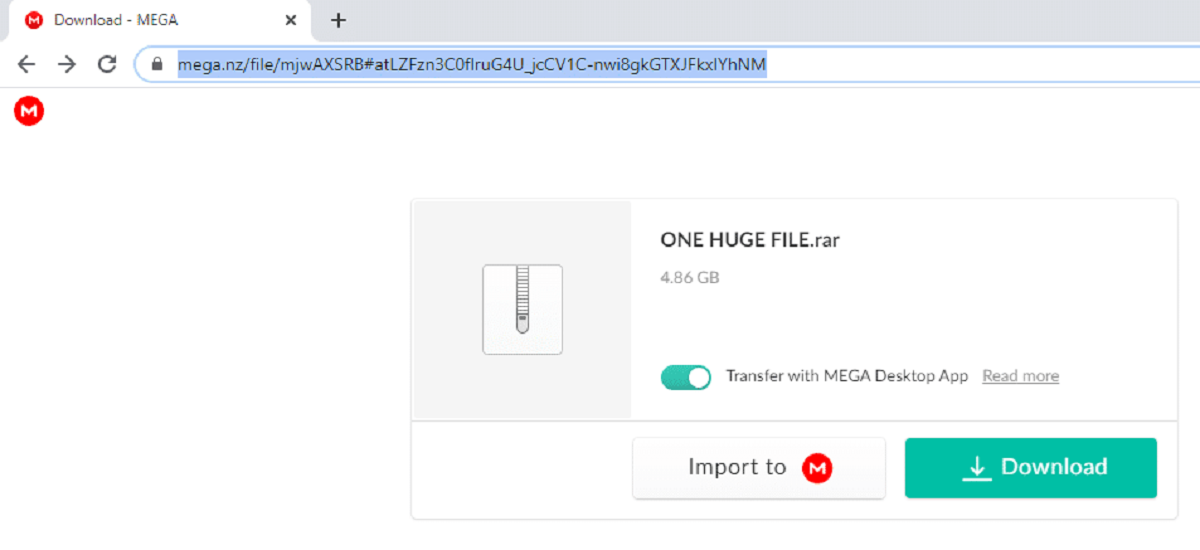
Every MEGA link also contains a decryption key, which appears after the "#" character in the URL. This key is mandatory, without it, the file cannot be decrypted or downloaded. When you open a MEGA link, the key is usually embedded automatically, but if someone shares only part of the URL, you'll need to paste the full link including the key to make the download work.
If you're wondering about the mega transfer quota exceeded wait time reset, the answer is simple: you wait six hours from the moment you hit the limit. There's no way to speed up the reset on a free account, but you can avoid the issue entirely by downloading during off-peak hours or by using a paid plan.
Mega troubleshooting and safety tips
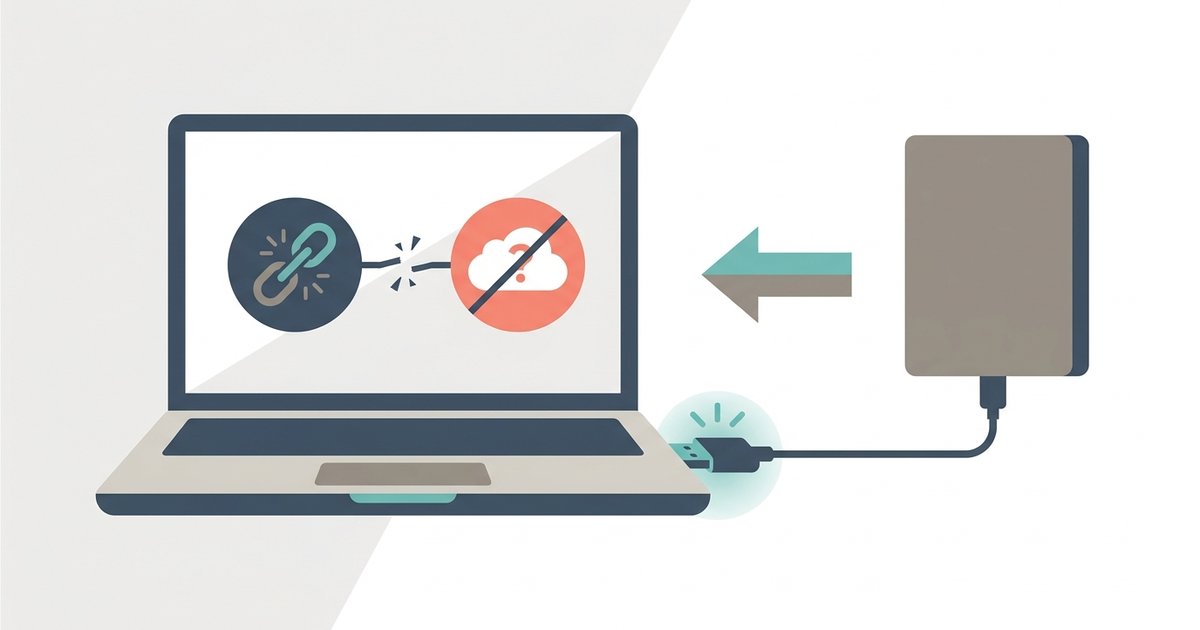
MEGA officially warns against using third-party downloaders or browser extensions that claim to bypass transfer limits. These tools are not secure, may not fully implement MEGA's cryptographic protocols, and can cause serious issues including account lock-up. Always use the official MEGA website, desktop app, or mobile app to download files. If you see a message like mega link says file no longer available but owner says it is, the most common cause is that the link was shared with an expired decryption key or the owner removed the file temporarily, ask the owner to re-share the link with the full key.
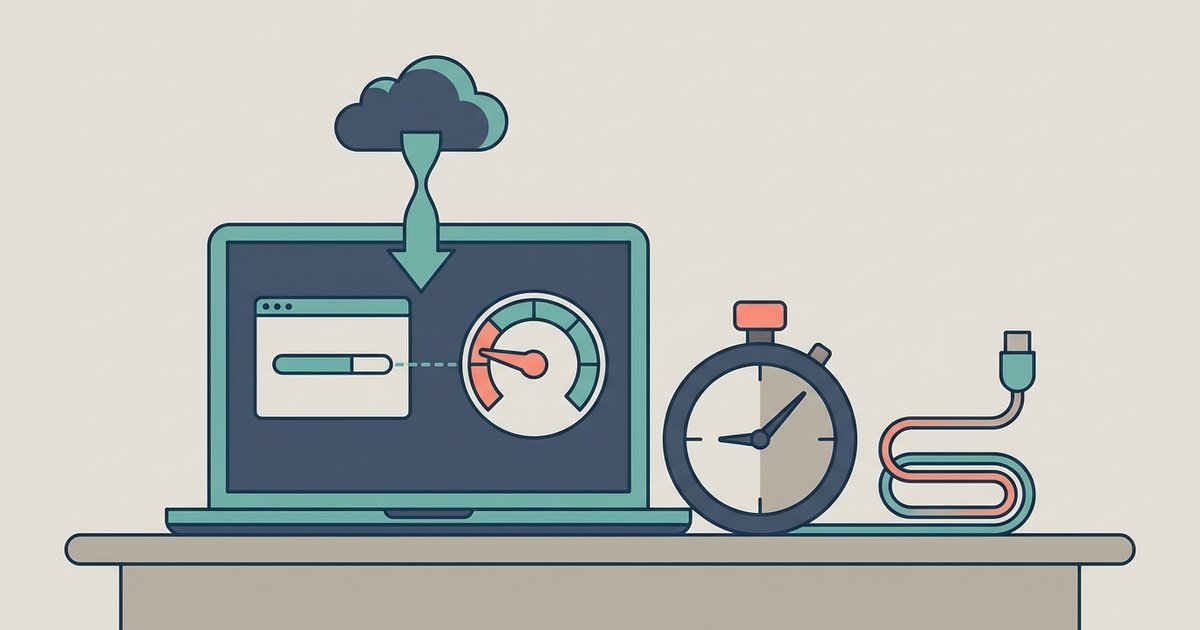
For slow download speeds, first check your internet connection and close any other programs that are using bandwidth. Then make sure you're using the latest version of the MEGA app or browser extension, updates often include performance improvements and bug fixes. If the app or extension is misbehaving, clear your browser's cache and cookies, or uninstall and reinstall the software. For persistent errors, MEGA's official support documentation covers specific error codes, and their community forums have detailed guides for less common problems.
Finally, always verify that the MEGA link you're using starts with "mega.nz" or "mega.co.nz" and contains the "#" decryption key. Phishing links that mimic MEGA are common, and entering your credentials on a fake site can compromise your account. Stick to official channels, and you'll avoid most issues entirely.
For the wider topic, see downloading shared files from cloud storage.