Google Drive does not have a native feature to download HEIC as JPG from Google Drive, so you cannot simply click a button to convert the file format directly within the service. Instead, you will need to use an external conversion method, such as downloading the file and using a free online tool, to get your images into the universally compatible JPG format. This guide walks you through the most reliable workarounds so you can access, share, and use your photos without compatibility headaches.
Why you need to convert HEIC to JPG
HEIC (High Efficiency Image Format) is Apple’s default photo format, designed to save storage space by compressing images without losing quality. However, this efficiency comes at a cost: HEIC files are not universally supported. On Windows PCs, older Android devices, and many web-based platforms, HEIC images may show a “No preview available” message, appear as blank thumbnails, or fail to upload to websites and email attachments. JPG, on the other hand, is the most widely accepted image format across all operating systems, browsers, and software. Converting HEIC to JPG ensures that you can open, edit, share, and display your photos anywhere without hitting a wall of incompatibility.
Method 1: Download the HEIC file and use an online converter
The most straightforward and reliable way to download HEIC as JPG from Google Drive is to first save the original HEIC file to your computer, then use a free online conversion tool. This method works for any device, Windows, Mac, or Chromebook, and requires no software installation. Here’s how to do it step by step.
Step 1: Download the HEIC file from Google Drive
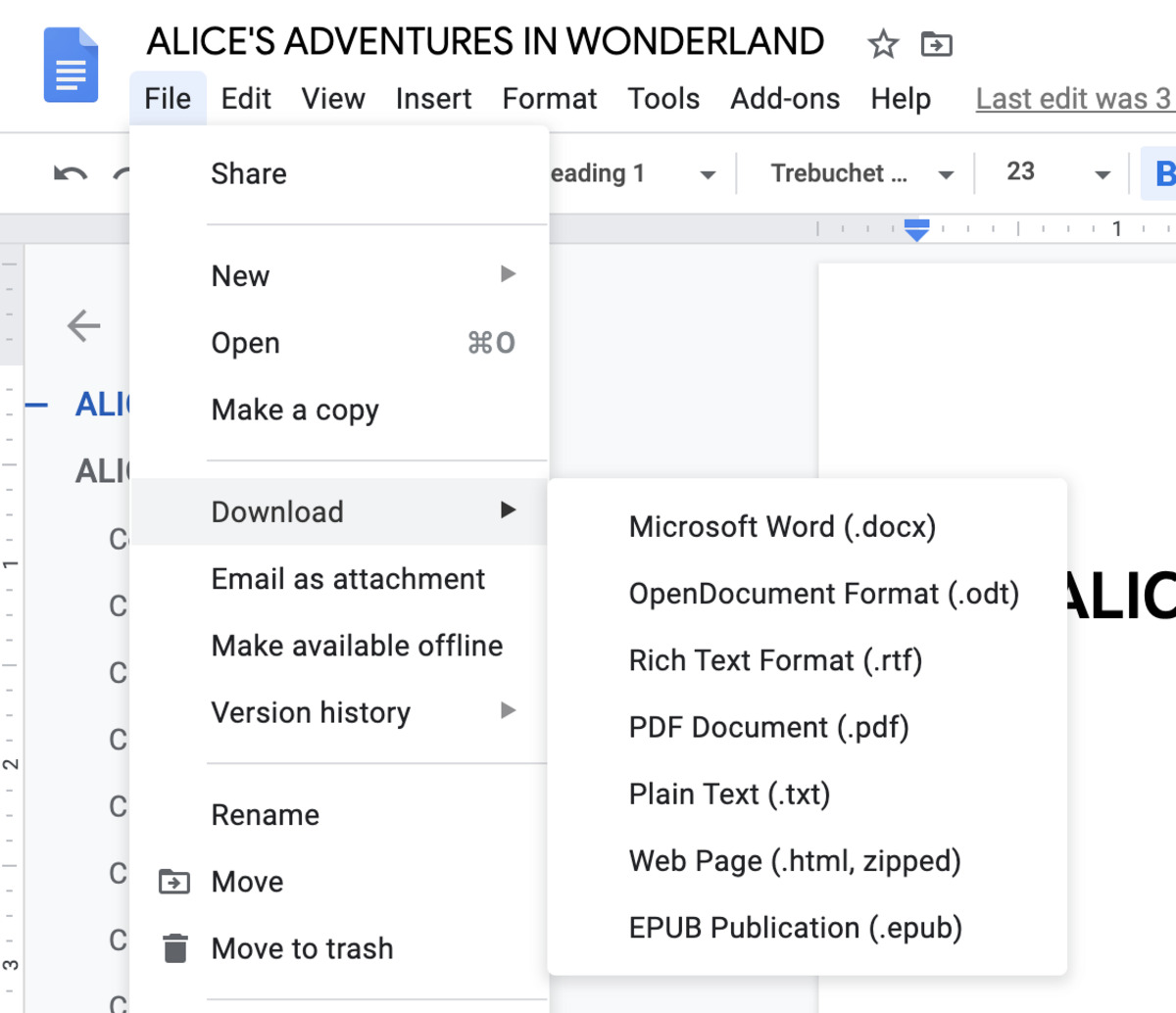
Open your web browser, go to Google Drive, and locate the HEIC image you want to convert. Right-click on the file, then select “Download” from the context menu. The file will be saved to your computer’s default Downloads folder. If you have multiple HEIC files, you can select them all, right-click, and choose “Download” to save them as a ZIP folder, which you can extract later.
Step 2: Choose a reputable online HEIC to JPG converter
Once the HEIC file is on your computer, open your browser and navigate to a trusted online converter. FreeConvert and HEIC.online are two popular, free options that handle the job quickly and securely. These tools do not require you to create an account, and they automatically delete uploaded files after a short period for privacy. Avoid unknown sites that ask for your email or charge hidden fees.
Step 3: Upload the HEIC file and start the conversion
On the converter’s website, look for a button that says “Upload” or “Choose File.” Click it, then select the HEIC file you downloaded from Google Drive. After the upload completes, click the “Convert” or “Start Conversion” button. The process usually takes just a few seconds, depending on the file size and your internet speed.
Step 4: Download the resulting JPG file
When the conversion is finished, the website will display a “Download” button next to your new JPG file. Click it to save the image to your computer. Make sure to check the Downloads folder for the converted file. You can now open it in any image viewer, attach it to an email, or upload it back to Google Drive if you need it stored in the cloud.
Method 2: Save a JPG copy from the Google Photos website
If your HEIC images are also backed up in Google Photos, there is a simpler alternative that skips third-party converters entirely. Google Photos automatically stores a JPG version of your photos when you upload them from an iPhone, even if the original file on your device is HEIC. This method lets you download HEIC as JPG from Google Drive indirectly by pulling the JPG copy from Google Photos.
Step 1: Open the image in Google Photos
Go to photos.google.com in your browser and sign in with the same Google account you use for Drive. Locate the HEIC image you need. If you have many photos, use the search bar to filter by “Photos” or scroll to the correct date. Click on the image to open it in full-preview mode.
Step 2: Use “Save Image As” to download the JPG
With the image open in full view, right-click directly on the photo. From the dropdown menu, select “Save Image As” (the exact wording may vary slightly depending on your browser, such as “Save Picture As” in Firefox). In the dialog box that appears, choose a destination folder on your computer. The file will be saved as a JPG, not HEIC, because Google Photos serves the image in a web-compatible format. For maximum resolution, some users find that zooming out in your browser (press Ctrl and the minus key on Windows, or Cmd and the minus key on Mac) before right-clicking can help you get a larger JPG file, though this is not always necessary.
Step 3: Verify the downloaded file
Navigate to the folder where you saved the file and double-click it to open it. Check the file extension in the bottom bar or via “Get Info” (Mac) or “Properties” (Windows) to confirm it is a JPG. If the image looks correct, you’re done, no extra conversion steps needed.
How to stop future uploads from being HEIC
The easiest way to avoid the hassle of converting HEIC files in the future is to change your iPhone’s camera settings so it captures photos in JPG instead. This proactive tip saves you from having to download HEIC as JPG from Google Drive every time you need a shareable file. On your iPhone, open the Settings app, scroll down to “Camera,” and tap on “Formats.” Under the “Camera Capture” section, you’ll see two options: “High Efficiency” (which produces HEIC files) and “Most Compatible” (which produces JPG files). Select “Most Compatible.” From now on, all new photos you take will be saved as JPG, and when you upload them to Google Drive or Google Photos, they will remain in the universally supported format. Note that this setting only affects new photos, it does not convert existing HEIC images already in your library or cloud storage.
\nRelated reading: How To Download Google Sheets To Desktop, How To Download Phone Backup From Google Drive, and A Brief Guide for Google Drive Upload and Download.