PokéStops are real-world landmarks translated into in-game interactive discs that distribute essential consumables on a 5-minute cooldown, but their importance goes far beyond the spin. They are the engine of daily progression, research, and community-driven rewards that turn a simple walk into a strategic session.
What exactly are Pokemon Go Pokestops?
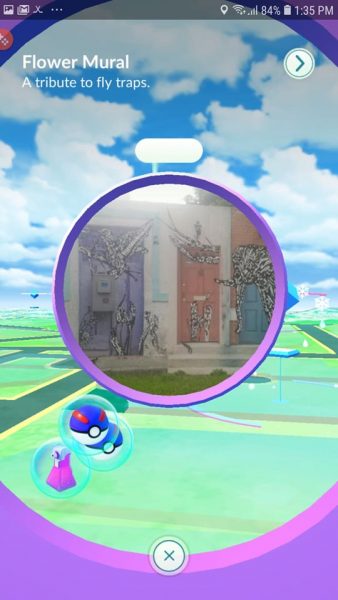
PokéStops are the physical anchor points of Pokemon Go, representing public art, historical markers, unique architecture, or community gathering spots. When you are within proximity, you tap the blue disc and spin it to receive a random bundle of items: Poke Balls, Great Balls, Potions, Revives, Berries, and occasionally Eggs. The cooldown is strict, five minutes per stop, so you cannot farm the same disc endlessly. Instead, you move between stops, treating them as waypoints that keep your bag stocked and your play session alive. Each stop also contributes to your daily spin streak, which rewards escalating XP for consecutive days of engagement.
Why Pokestops importance goes beyond the spin
The daily spin streak is only the surface. Every PokéStop you visit offers a Field Research task, a small objective like catching three Water-types or landing five Nice throws. Complete one task, and you earn items, Stardust, or a Pokémon encounter. Complete seven distinct tasks (one per day, from any stop), and you unlock a Research Breakthrough, a guaranteed encounter with a rare or seasonal Pokémon, plus bonus XP and Stardust. This is the primary reason to make PokéStops a daily habit: they convert routine play into a steady drip of rare rewards that you otherwise could not farm. Additionally, Trainers Level 20 and above can perform AR Mapping tasks by scanning a PokéStop to "Power Up" that stop, increasing the rewards for all players who spin it. This is a community-driven mechanic, your effort benefits everyone in the area, not just your own bag.
How lures turn Pokestops into spawn hotspots
Lure Modules are placed directly on a PokéStop to force a higher rate of wild spawns around that disc for 30 minutes. This turns a single stop into a concentrated farming node, especially when you are in a cluster of two or three stops. The synergy with Lucky Eggs is significant: pop a Lucky Egg, drop a lure, and every catch within that window doubles your XP. During Community Day events, lures often last three hours instead of 30 minutes, meaning you can keep the spawns flowing for the entire event window without reapplying. If you are grinding for XP, a lured PokéStop is your best friend, it gives you a predictable stream of Pokémon to catch, which means a predictable stream of catch XP, first-catch bonuses, and potential shiny encounters. You do not need to wander; you just sit at the stop and catch.
How to nominate a new Pokestop
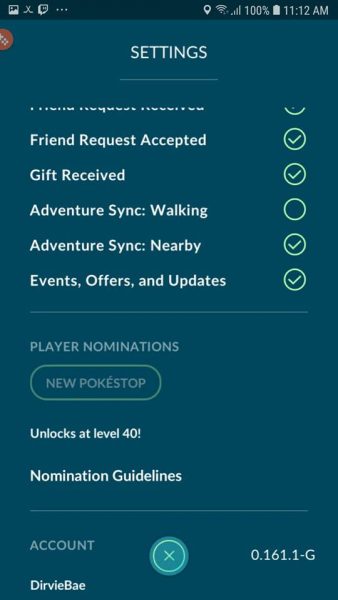
The nomination process is done entirely in-app: open your settings, select "New PokéStop," pin the location on the map, take a photo of the landmark, and write a short description of why it matters. You must also submit a supporting photo of the surrounding area for context. The nomination then goes into a community review queue, where other players rate it based on Niantic's strict eligibility criteria. Eligible candidates include locations with a cool story, historical or educational value, interesting art or architecture, hidden gems, public parks, libraries, places of worship, and major transit hubs. Ineligible candidates include places without safe pedestrian access, private residences, locations interfering with emergency services (fire, police, hospitals), child care centers, primary or secondary schools, and natural features like landscapes, mountains, or waterfalls, unless they include a man-made point of interest. The core rule is that a PokéStop must be safely accessible on foot, because Niantic believes that cities and communities are healthier when citizens make use of public places and explore unique sites.
Understanding powered-up stops and AR mapping
AR Mapping tasks appear on PokéStops for Trainers Level 20 and above. When you accept one, you must record a short video scan of the real-world location (about 10-30 seconds) and upload it. Each scan counts toward that stop's "Power-Up" progress, which has three levels requiring 5, 10, and 25 scans respectively. Once a level is reached, the stop becomes "Powered Up" for a limited time, and every player who spins it receives boosted rewards. The three-tier system offers escalating bonuses: extra item drops (more balls, potions, and berries than normal), Buddy Bonus Hearts (your buddy earns affection faster from that spin), and bonus Pokémon spawns around the stop. The 25-scan tier is the strongest, turning a regular stop into a mini-event hub for a short window. This is a collective effort, you might scan a stop once, but if 24 other players do the same, everyone in the community reaps the rewards. The key is to prioritize stops in high-traffic areas where multiple players can contribute, because the bonuses are temporary and reset after the powered-up period ends. If you are actively scanning, you are not just helping yourself; you are upgrading the game for every Trainer who passes through that location.
\nRelated reading: Pokemon Go Trading: A Beginner’s Guide, The Best Pokemon Fire Red Cheat Codes [100% Working], and How To Download Pokemon Infinite Fusion.


![The Best Pokemon Fire Red Cheat Codes [100% Working]](https://robots.net/wp-content/uploads/2020/05/Pokemon-Fire-Red.jpg)