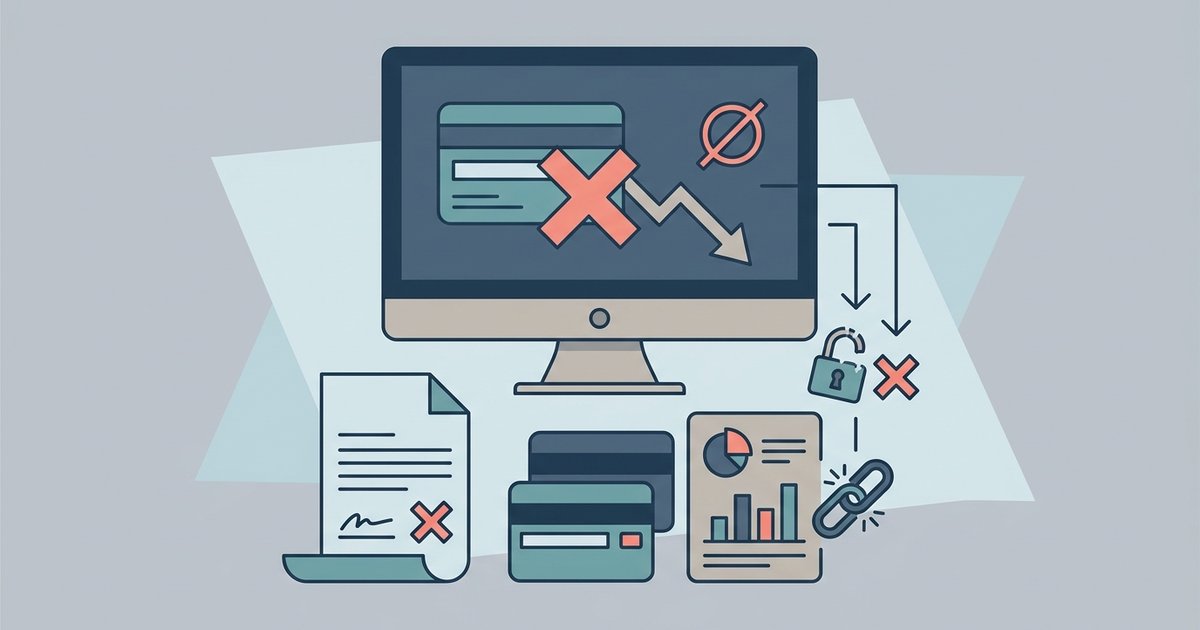
PayPal Credit applications are most often declined due to a low credit score, a thin credit history, or a high debt-to-income ratio, not just your history with PayPal. Synchrony Bank, the issuer, evaluates your full creditworthiness, and a denial doesn't necessarily mean your score is bad—it might just not meet their specific threshold at this moment.
Why your PayPal Credit was declined beyond your history
When you apply for PayPal Credit, Synchrony Bank performs a hard inquiry on your full credit report. They pull from one or more of the three major bureaus: Experian, TransUnion, or Equifax. This check examines your entire financial profile, not just your transaction history inside your PayPal account. Even if you have never missed a payment while using your PayPal balance, Synchrony will still scrutinize your credit card balances, installment loans, and past delinquencies. A perfect record of how you use PayPal Credit does not override a high credit utilization ratio on other accounts. The bank also looks at the total number of open credit lines you hold. A shopper with many store cards may be flagged regardless of their PayPal behavior. The denial notification is sent to your PayPal Message Center, not by email, and contains the specific reason from Synchrony's automated underwriting system. That system does not share granular details in the checkout window. If you are eventually approved, understanding the PayPal Credit payment timeline before interest helps you avoid costly charges on future purchases.
Unlike a generic payment processor, Synchrony Bank underwrites based on your full credit report, not your PayPal balance or transaction history.
Common specific reasons for rejection
The most frequent triggers for an automatic decline include a thin credit history, even if your score falls in the "fair" range. Synchrony prefers borrowers with an established credit history. Recent late payments can block approval, even a single delinquency. A high credit utilization ratio on revolving accounts can also cause a rejection. Too many hard inquiries in the last six months signals risk. If you applied for three store cards before attempting PayPal Credit, the system may reject you for "too many recent inquiries." Another hidden factor is your debt-to-income ratio. Synchrony often declines applicants with a high debt-to-income ratio, even if the credit score itself is otherwise acceptable. The bank also checks for public records like collections or tax liens, which can cause an instant denial regardless of your PayPal activity. If you previously tried to add a bank account to PayPal but the verification failed, that does not affect the credit decision. The bank only cares about your credit report, not your linked funding sources.
What to do immediately after a denial
First, check your PayPal Message Center for the notification explaining the reason for the decline. It must state the specific reason for the decline, such as "credit history too short" or "delinquency on file." Do not reapply right away. Submitting another application too soon will add a second hard inquiry to your credit report, which can lower your score and reduce your chances of approval. Instead, check your credit report for free and dispute any errors. If you need to improve your credit, focus on paying down credit card balances to below 30% utilization. Make all payments on time for three consecutive months. You can also use the PayPal app to put money in a PayPal account directly from your bank, which builds transaction history but does not influence the credit decision. While you work on your credit, you can still transfer money from a credit card to PayPal to fund purchases without needing a new credit line. Finally, consider applying for a secured credit card from another issuer to build a thicker file before attempting PayPal Credit again in six months.