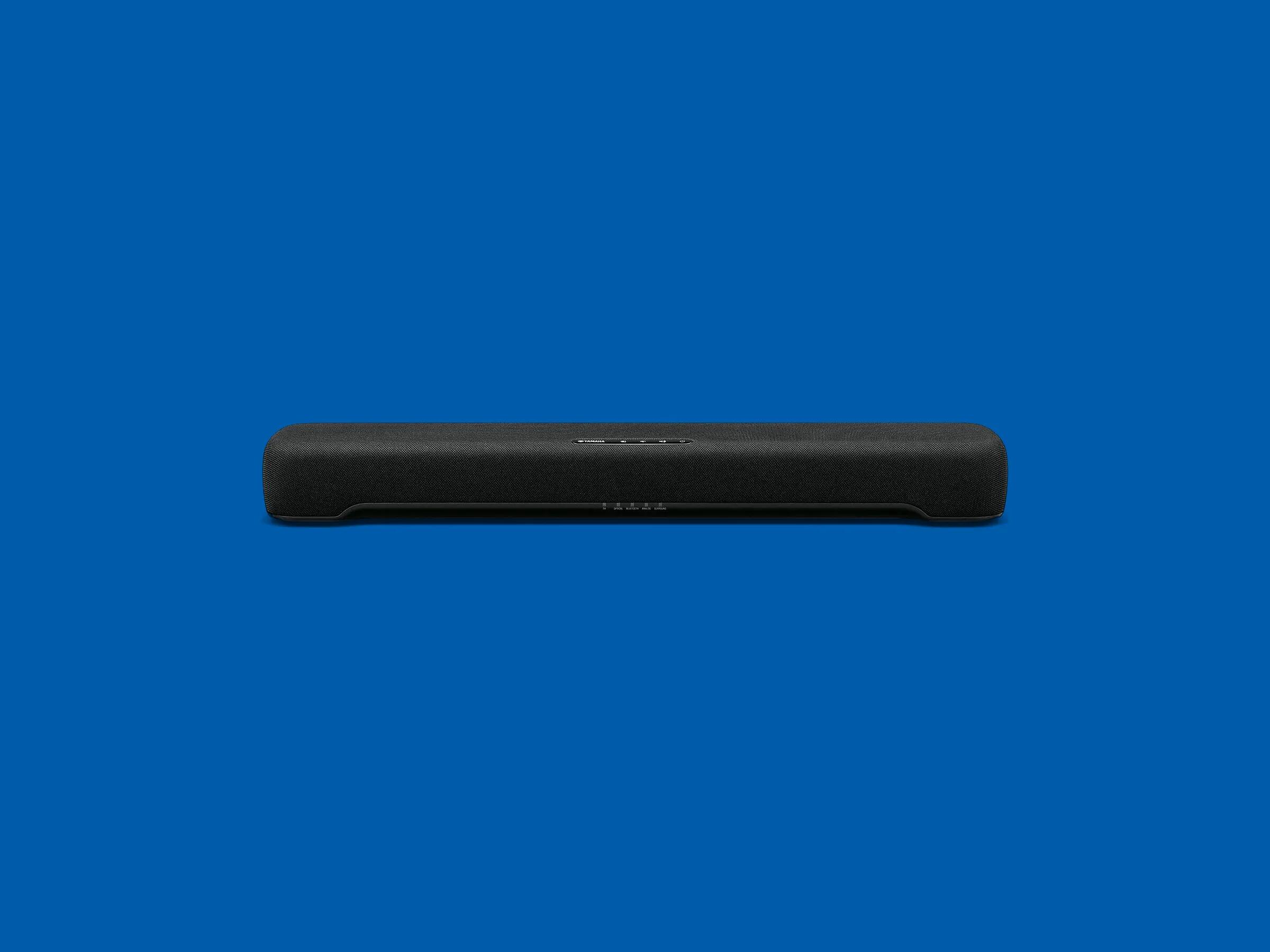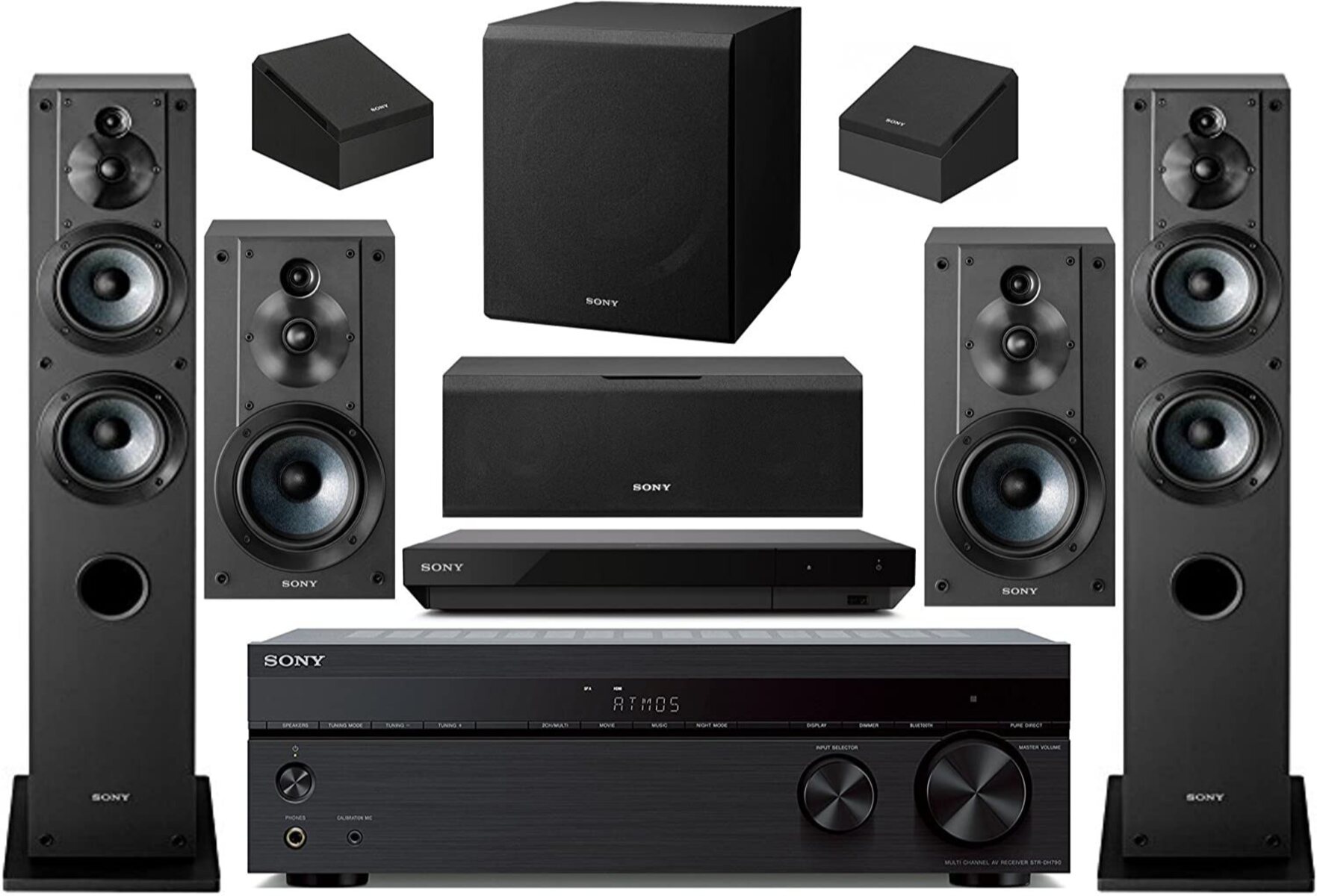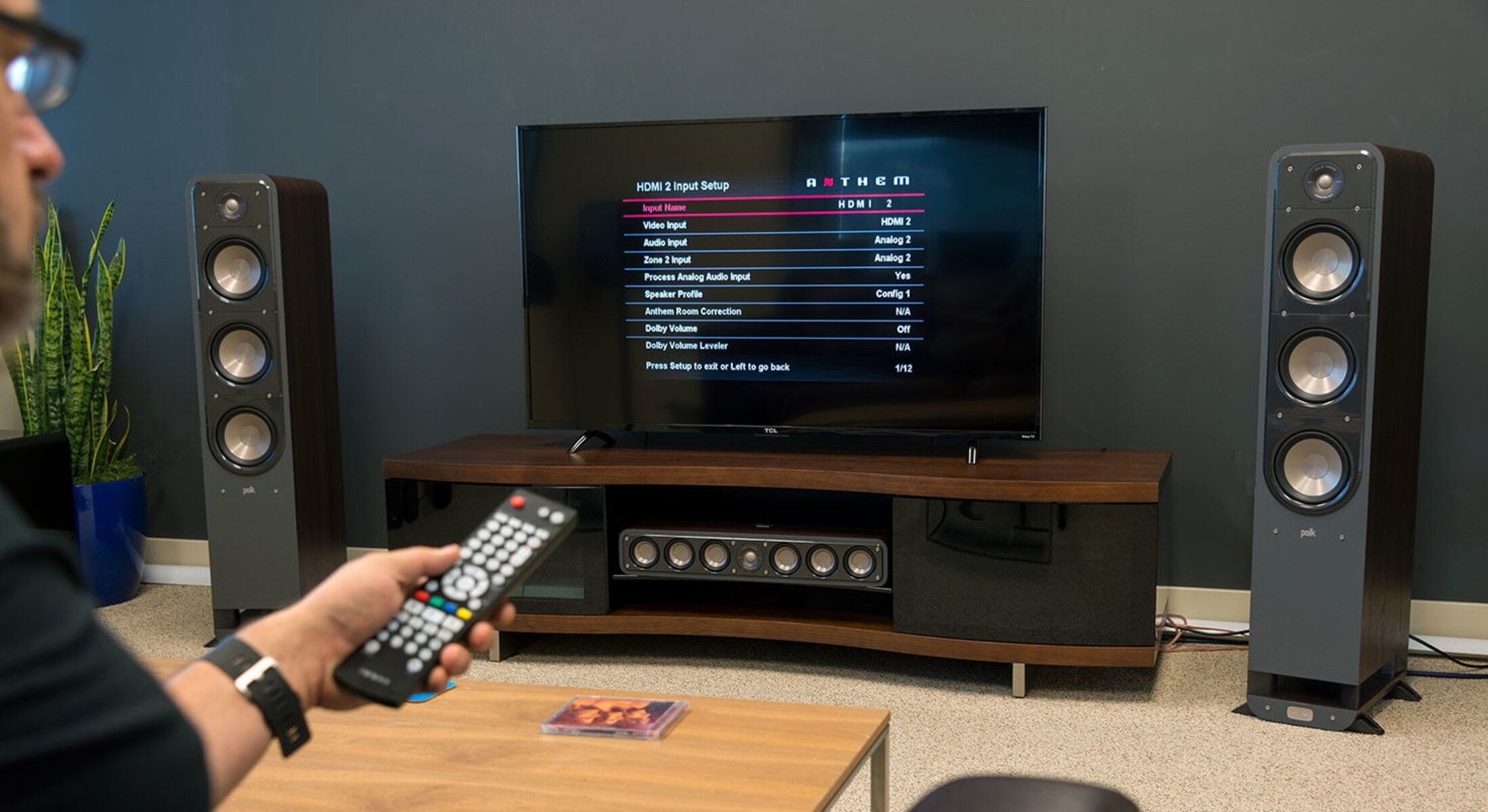
To connect surround sound to your Vizio Smart TV, start by powering off both the TV and the audio device to prevent electrical shock or component damage. Then, identify which audio ports are available on your specific Vizio TV and your surround sound system, HDMI ARC, optical, or RCA, so you can choose the correct connection method for the best audio quality.
Before you connect surround sound to your Vizio Smart TV
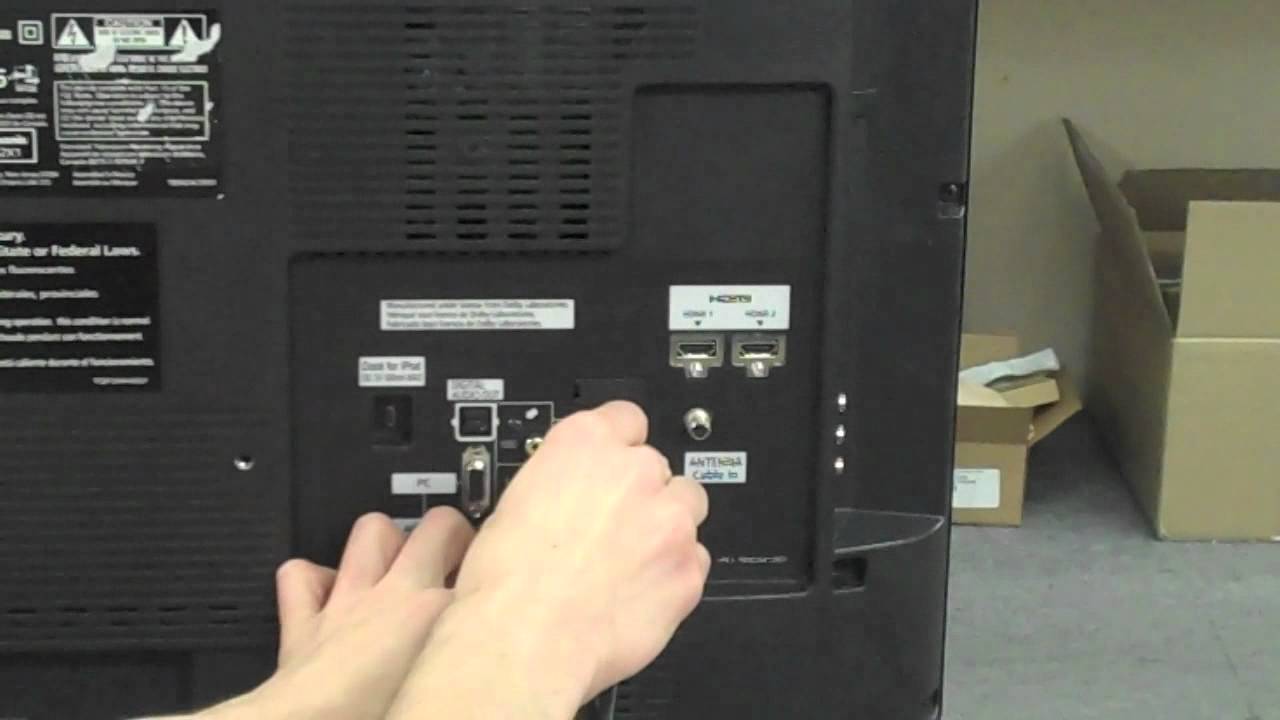
Before handling any cables, switch off the power to both your Vizio TV and the audio device. This reduces the risk of electric shock or damage to the components. Next, examine the back or side panels of your TV and your soundbar or home theater receiver. Verify that your audio device has an audio port that matches an available port on the TV, either HDMI, Optical, or RCA. Knowing which ports you have determines which cable and setup steps to follow.
Connect using HDMI ARC (recommended)
HDMI ARC allows your TV to send audio to the soundbar using a single HDMI cable, making it the simplest and highest-quality option for connecting a soundbar. This method also lets you control the volume and power of the audio device with your TV remote.
- Connect one end of an ARC-compatible HDMI cable to the HDMI 1 (ARC) port on the back of your Vizio TV.
- Connect the other end of the HDMI cable to the HDMI OUT (ARC) port on your Vizio Sound Bar or home audio receiver.
- Turn on the TV and the audio device after connecting the cables.
- From the TV's AUDIO menu, change the Digital Audio Setting to Dolby Digital or Bitstream.
- From the TV's SYSTEM menu, enable CEC and ARC (SAC) functions.
- In the CEC menu, select Device Discovery to register the sound bar with the TV.
Once the device is discovered, your TV will recognize the soundbar, and you can control it through the TV remote.
Connect using an optical audio cable
If your TV or audio device lacks HDMI ARC, an optical cable is a reliable digital alternative. Optical/SPDIF cables transmit audio signals digitally as pulses of light, delivering clear sound without electrical interference.
- Connect one end of an optical cable to the optical audio out port on your Vizio TV.
- Connect the other end of the optical cable to the optical in port on your soundbar or home audio receiver.
- Turn on both devices after connecting the cables.
- Set your TV's audio output to PCM for perfect sound.
If there is no audio when using digital inputs, try setting the TV output to PCM, or connect directly to your Blu-ray or other source, as some TVs do not pass through digital audio from external devices. This step often resolves no-audio issues with digital pass-through.
Connect using RCA analog cables (older equipment)
For older receivers or soundbars that lack digital inputs, you can use the stereo audio out ports on your Vizio TV. RCA cables provide an analog stereo connection (2.0 Channel), which is a straightforward way to get sound from the TV to legacy audio gear.
- Connect an RCA cable to the stereo audio out ports on your Vizio TV.
- Connect the other end of the RCA cable to the corresponding audio input ports on your soundbar or home audio receiver.
This method delivers two-channel stereo sound. It will not provide surround sound from digital sources, but it is a reliable fallback for older equipment.
Set up wireless surround speakers and subwoofer
Vizio Soundbars and their accompanying wireless surround speakers and subwoofers typically come pre-paired, so they should work as soon as you power them on. If a speaker is disconnected, its LED will blink. To re-pair, put the Soundbar back into pairing mode by pressing and holding the power button on the Soundbar until it starts blinking white. Ensure all speakers are plugged in and powered on by checking the LED indicator.
For optimal connectivity, wireless surround speakers should remain within 20 feet of the soundbar, with a maximum range of 30 feet. Avoid placing wireless speakers within 5 feet of your Wi-Fi router to prevent audio interference. A speaker test can be performed by pressing and holding the Bluetooth and Volume + buttons on the Soundbar itself, or through the VIZIO mobile app, to verify each channel is working.
Troubleshooting common audio problems
If you experience no sound from digital sources, try switching the TV's audio output to PCM, or connect the source device directly to the soundbar or receiver. Some TVs do not pass through digital audio from external devices, so a direct connection often solves the issue. If you have an older TV that doesn't have an ARC port, an adapter might be needed to connect an HDMI-ARC-only soundbar, as some soundbars only support HDMI-ARC.